

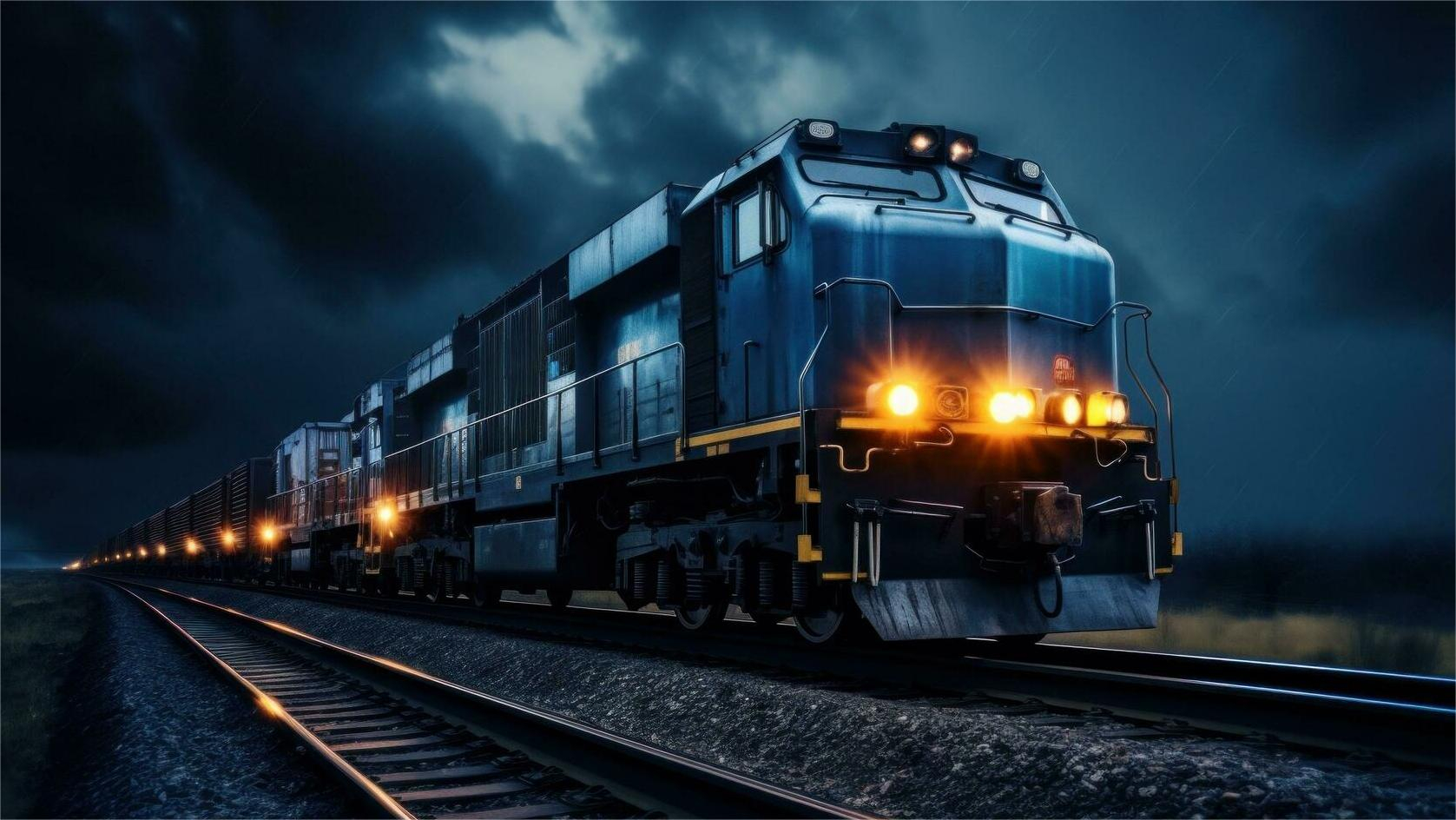
Freight Forwarder China to India Cargo Shipping Service: 2026 Guide
Finding a reliable freight forwarder china to India cargo shipping service is essential for businesses looking to tap into the massive trade potential between these two economic giants in 2026. Navigating the complexities of international logistics requires a partner who understands the nuances of both Chinese manufacturing hubs and Indian customs regulations. Top China Cargo provides streamlined solutions that bridge the gap between suppliers in China and buyers across India. Whether you are importing electronics, machinery, or textiles, having a professional logistics strategy ensures your supply chain remains resilient and cost-effective.
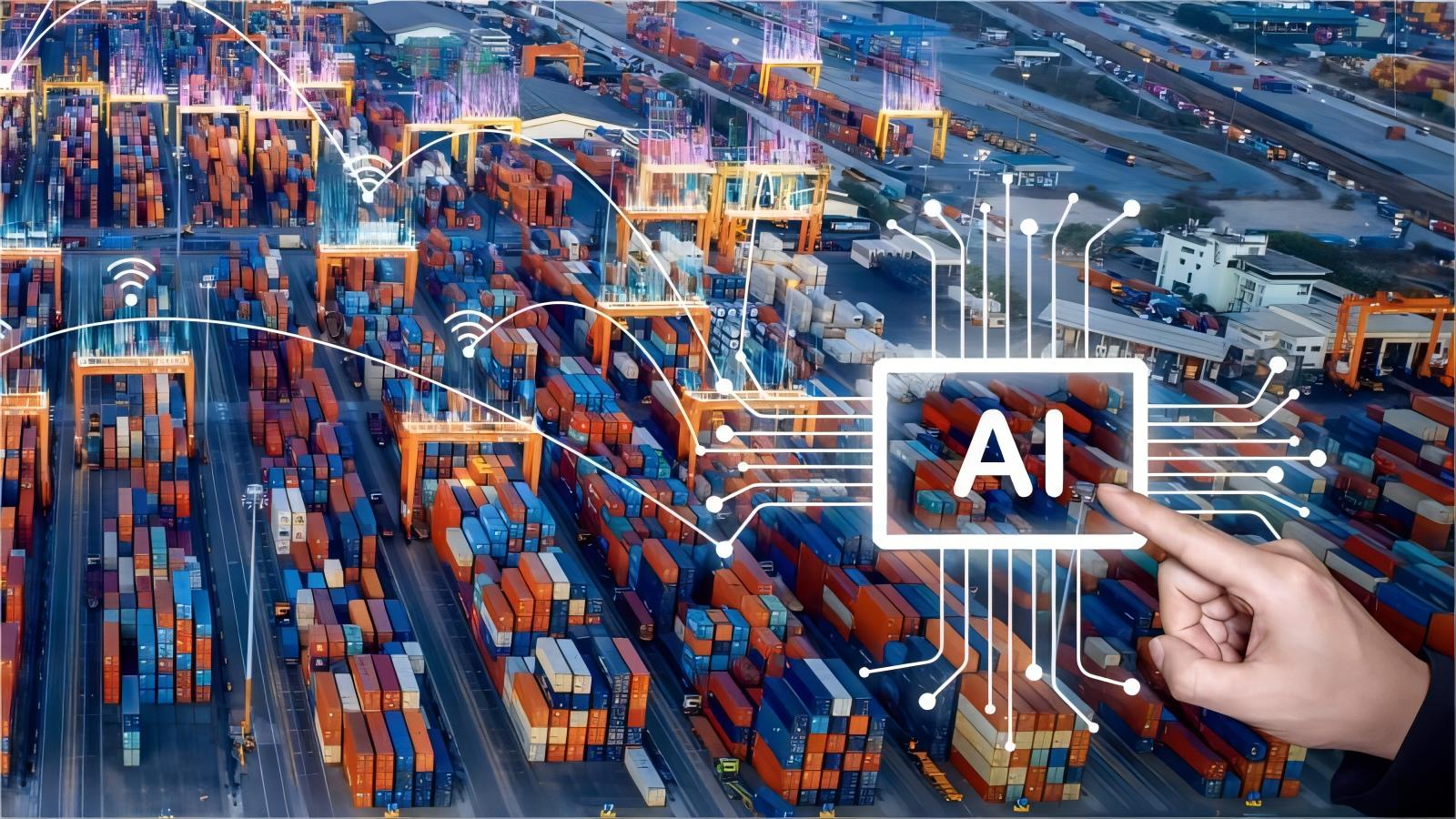
Why You Need a Professional Freight Forwarder China to India Cargo Shipping Service
Managing international shipments involves more than just moving boxes from one point to another. Consequently, a professional freight forwarder china to India cargo shipping service acts as a vital intermediary that handles documentation, carrier negotiations, and local logistics. Businesses often face challenges such as port congestion, fluctuating fuel surcharges, and complex tariff structures that can delay deliveries.
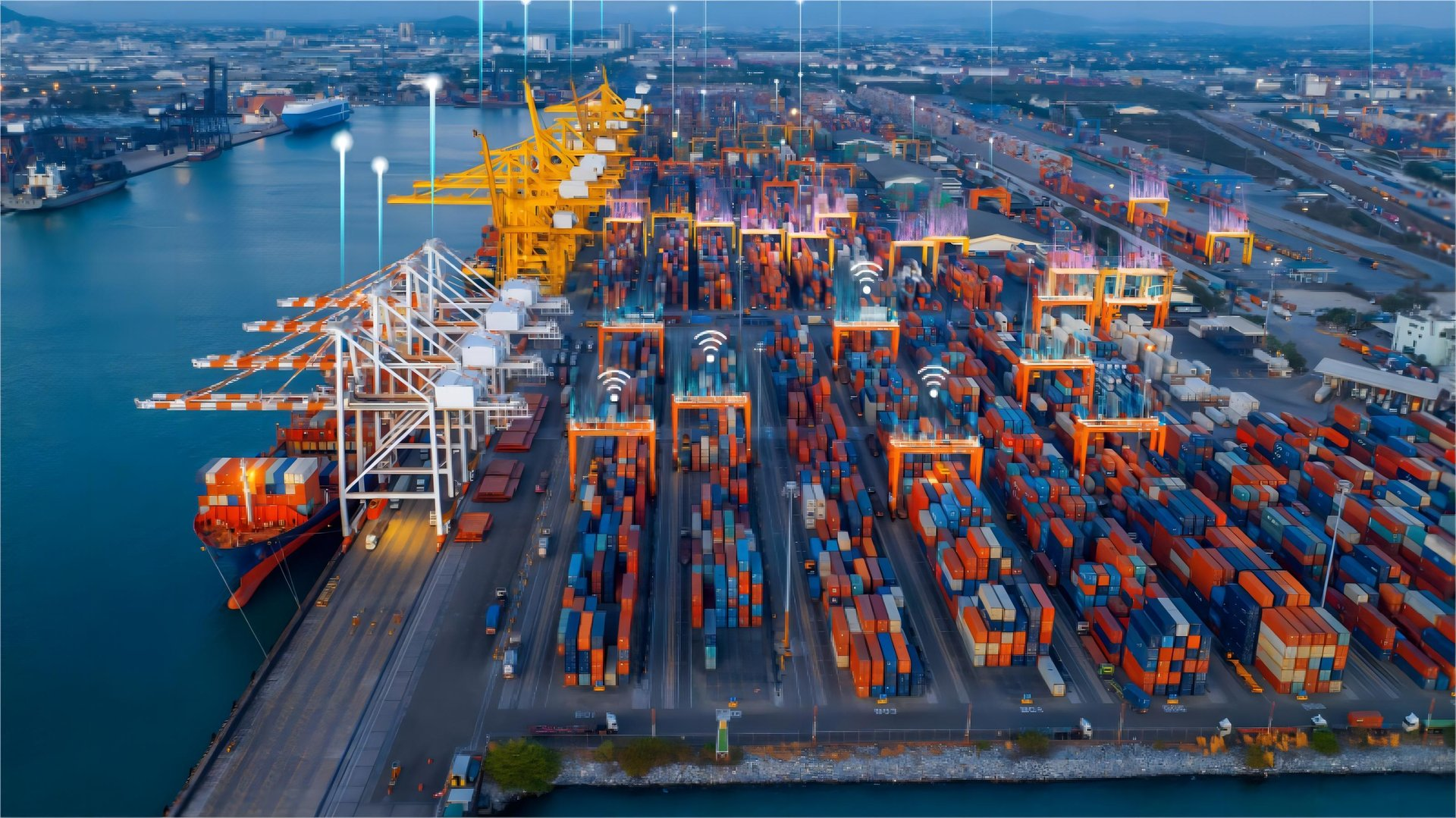
Moreover, the geopolitical and economic landscape of 2026 requires agile logistics planning to avoid unnecessary costs. Professional forwarders provide real-time tracking and risk management strategies to safeguard your investments. By leveraging their established networks, they can secure space on vessels even during peak seasons when capacity is tight.
Additionally, specialized forwarders offer insights into the most efficient routes, whether you are shipping to Mumbai, Chennai, or Mundra. This expertise allows you to focus on your core business operations while experts handle the heavy lifting of global trade. Ultimately, a strong partnership with a logistics expert minimizes errors and maximizes your profit margins.
Choosing Between Sea Freight and Air Freight in 2026
Selecting the right transportation mode depends heavily on your budget, timeline, and the nature of the cargo. For instance, high-value electronics typically require the speed of air transport, whereas bulk raw materials are better suited for ocean vessels. In 2026, the gap between sea and air transit times has narrowed slightly due to improved port automation, yet the cost difference remains significant.
Furthermore, environmental considerations are becoming a major factor in choosing shipping methods. Many companies now opt for sea freight to reduce their carbon footprint, even if it means longer lead times. On the other hand, air freight remains the undisputed king for urgent shipments and perishable goods that cannot survive long ocean journeys.
Indeed, understanding the trade-offs between these modes is the first step in optimizing your logistics budget. The following table provides a clear comparison of the primary shipping methods available for the China-India route.
| Method | Cost Level | Transit Time | Best For |
|---|---|---|---|
| Sea Freight (FCL) | Low | 18-25 Days | Large volumes/Bulk |
| Sea Freight (LCL) | Moderate | 25-30 Days | Small shipments |
| Air Freight | High | 3-7 Days | Urgent/High-value |
| Express Service | Very High | 2-4 Days | Samples/Documents |
Sea Freight Solutions: FCL vs LCL Options
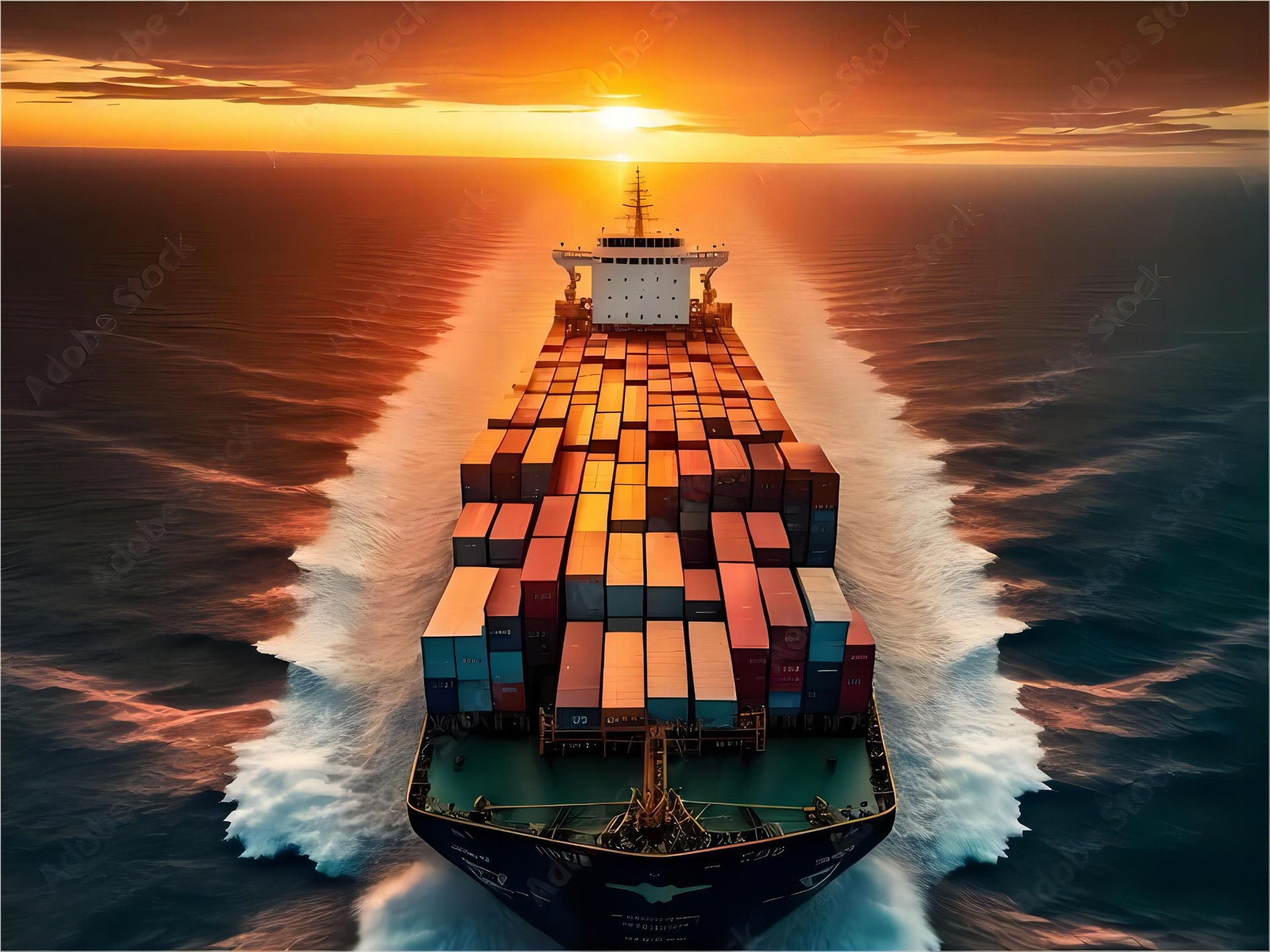
Ocean transport remains the backbone of trade, and choosing sea freight is often the most economical choice for Indian importers. Full Container Load (FCL) is ideal for businesses that have enough goods to fill a 20ft or 40ft container, offering better security and faster handling. Because the container is dedicated to one shipper, there is less risk of damage or loss during transit.
Conversely, Less than Container Load (LCL) allows multiple shippers to share space within a single container. This is a cost-effective alternative for smaller businesses that do not have enough volume for a full container. While LCL might take slightly longer due to the consolidation and deconsolidation process, it provides flexibility for inventory management.
Therefore, evaluating your monthly shipping volume is crucial for deciding between these two ocean freight options. Many importers in 2026 utilize a mix of both to balance costs and delivery schedules. Always consult with your forwarder to determine the current container rates and port availability.
Air Freight Services for Time-Sensitive Cargo
When speed is the top priority, air freight offers the most reliable schedule for getting goods from China to major Indian airports like Delhi or Bangalore. Transit times for air cargo typically range from 3 to 7 days, including ground handling and customs. This method is particularly popular for fashion industries, automotive parts, and pharmaceutical supplies.
In addition, air transport provides a higher level of security for sensitive items. The shorter transit time reduces the exposure of goods to potential theft or environmental damage. Although the price per kilogram is higher than sea freight, the reduction in inventory holding costs can often justify the expense.
Nevertheless, it is important to account for seasonal peaks in air cargo demand which can drive up prices significantly. During the Q4 peak season of 2025 and early 2026, air rates saw a 20% increase due to the surge in e-commerce. Planning your air shipments at least two weeks in advance can help secure better rates and guaranteed space.
Door to Door and Express Shipping Services
For a completely hands-off experience, many businesses prefer door to door shipping solutions. This comprehensive service covers everything from the supplier’s warehouse in China to the final destination in India. It eliminates the need for the importer to manage multiple logistics providers, reducing the chance of communication breakdowns.
Furthermore, express service is available for very small parcels and documents that need to arrive within a few days. These services usually include pre-cleared customs, making them the fastest way to move items across borders. Most express carriers offer real-time tracking and digital proof of delivery for added peace of mind.
Meanwhile, the integration of technology in 2026 has made these premium services more transparent than ever. You can now monitor every milestone of your shipment through mobile apps and automated notifications. These end-to-end solutions are perfect for startups and e-commerce sellers who lack a dedicated logistics department.
Navigating Customs Brokerage and Compliance in India
Indian customs regulations are known for their complexity, making professional customs brokerage an absolute necessity. Every shipment must comply with the latest GST (Goods and Services Tax) regulations and the Indian Customs EDI system. Incorrect documentation can lead to heavy fines, port storage charges, or even the seizure of goods.
Consequently, your forwarder must ensure that all paperwork, including the Bill of Entry, Commercial Invoice, and Packing List, is perfectly aligned. They also help in determining the correct HSN codes to ensure you pay the accurate amount of basic customs duty. In 2026, the Indian government has introduced new digital initiatives to speed up clearance, but manual inspections are still common for certain product categories.
Indeed, having a broker who understands local port procedures in Mumbai or Chennai can save days of delays. They act as your representative, resolving queries from customs officials and ensuring all permits are in order. A proactive approach to compliance is the best way to avoid the hidden costs of international shipping.
| Document Name | Purpose | Required From | Format |
|---|---|---|---|
| Bill of Lading | Title of goods | Carrier | Digital/Original |
| Commercial Invoice | Valuation for duty | Supplier | PDF/Hardcopy |
| Packing List | Cargo details | Supplier | |
| Certificate of Origin | Trade agreement benefits | Chamber of Commerce | Original |
How Does Sea Freight Compare to Other Shipping Options?
While sea freight is the most common method, it is important to analyze how it compares to alternatives like air or multi-modal transport. For example, sea freight costs approximately $1,200 to $2,000 for a 20GP container in early 2026, whereas air freight for the same weight could exceed $10,000. However, the time saved by air freight can be critical for maintaining production lines.
Additionally, direct shipping routes are often compared with transshipment options via hubs like Singapore or Colombo. Direct routes typically cost 10% more but reduce the risk of cargo being misplaced during the transfer process. For shipments originating from inland China, a combination of trucking and sea freight is often the standard approach.
Specifically, when choosing your strategy, consider the total landed cost rather than just the freight rate. This includes duties, port charges, and inland trucking fees at both ends. The following comparison table highlights the trade-offs for different shipping scenarios between China and India.
| Shipping Method | Cost Range | Transit Time | Limitations |
|---|---|---|---|
| Direct Sea Freight | $1,500 – $2,500 | 15-20 Days | Limited port calls |
| Transshipment Sea | $1,200 – $1,800 | 22-30 Days | Higher delay risk |
| Standard Air | $4.50 – $7.00/kg | 5-7 Days | Weight restrictions |
| Priority Air | $8.00 – $12.00/kg | 2-3 Days | Very expensive |
Which Option Should You Choose?
Budget priority dictates a move toward sea freight, specifically FCL if you can consolidate enough orders to fill a container. If your cargo volume is under 15 CBM, LCL is generally the more economical choice despite the slightly longer handling time. For those prioritizing speed above all else, air freight is the only viable solution for the China-India corridor.
Cargo type also plays a significant role in the decision-making process. Heavy machinery and raw industrial materials are almost exclusively moved by sea due to weight limits on aircraft. Conversely, high-tech components and medical supplies often require the temperature-controlled and fast environments provided by air carriers.
Without a doubt, a hybrid strategy can often yield the best results for consistent supply chains. You might ship 80% of your inventory via sea to keep costs low while keeping 20% in an air freight pipeline to handle sudden spikes in demand. This balanced approach ensures you never run out of stock while maintaining a healthy bottom line.
Real Case Studies: China to India Shipments
Case Study 1: Electronics from Shenzhen to Mumbai. A tech distributor needed to move 500 units of high-end tablets. We utilized air freight to ensure the goods hit the market before a major holiday sale. The total transit time was 4 days, with a landed cost that allowed for a 30% retail margin. Key Insight: Speed to market justified the higher air freight expenditure.
Case Study 2: Industrial Parts from Ningbo to Chennai. A manufacturing plant required 3 tons of steel components. We opted for LCL sea freight to minimize costs as the production schedule had a two-week buffer. The shipment arrived in 24 days, and our customs team cleared it in just 48 hours at Chennai port. Key Insight: Early booking and clear documentation prevented any demurrage charges.
Case Study 3: Furniture from Foshan to Delhi. A retail chain imported a full 40HQ container of home decor. By using a direct sea route to Mundra and then rail to the Delhi ICD, we saved the client 15% compared to trucking from Mumbai. Total door-to-door time was 28 days. Key Insight: Multi-modal transport within India can significantly reduce inland logistics costs.
Mastering Your China to India Logistics
To summarize, successfully importing goods requires a deep understanding of the freight forwarder china to India cargo shipping service market. By choosing the right shipping method and ensuring strict customs compliance, you can avoid the common pitfalls of international trade. Whether you prioritize cost or speed, the right logistics partner will provide the transparency and reliability you need to grow.
As we move through 2026, staying informed about market trends and freight rates will be your greatest competitive advantage. Remember that the cheapest option is not always the best if it leads to delays or damaged goods. Trust in professional expertise to handle your cargo with the care and efficiency it deserves.
Ready to streamline your logistics?
Ready to streamline your imports? Contact us today for a professional freight forwarder china to India cargo shipping service quote tailored to your business needs. Visit our website to Send Inquiry and get started with the best rates in the industry.
Request Quote