


Export Logistics China to Netherlands Delivery Service: 2026 Guide
Navigating the complexities of global trade requires a reliable partner like Top China Cargo to ensure your goods arrive safely and on time. Choosing an efficient export logistics china to Netherlands delivery service is crucial for maintaining a competitive edge in the modern European market. This comprehensive guide explores the best shipping methods, current 2026 market trends, and cost-saving strategies for your business.
Understanding Export Logistics China to Netherlands Delivery Service in 2026
Modern supply chains demand flexibility and transparency when moving freight across continents. Consequently, the export logistics china to Netherlands delivery service has evolved to include real-time tracking and sustainable fuel options. Businesses must now consider carbon footprints alongside transit times when selecting their primary shipping mode.
Moreover, the geopolitical landscape in early 2026 has stabilized shipping routes through the Suez Canal, leading to more predictable schedules. Nevertheless, port congestion in major hubs like Shanghai or Rotterdam can still occur during peak seasons. Therefore, planning your shipments at least four to six weeks in advance remains a best practice for all importers.
Furthermore, digital documentation has become the industry standard, reducing the likelihood of manual errors. Indeed, the integration of blockchain technology in logistics ensures that every step of the journey is recorded and verifiable. This level of security is particularly beneficial for high-value electronics and specialized machinery destined for the Dutch market.
How Does Sea Freight Compare to Other Shipping Options?
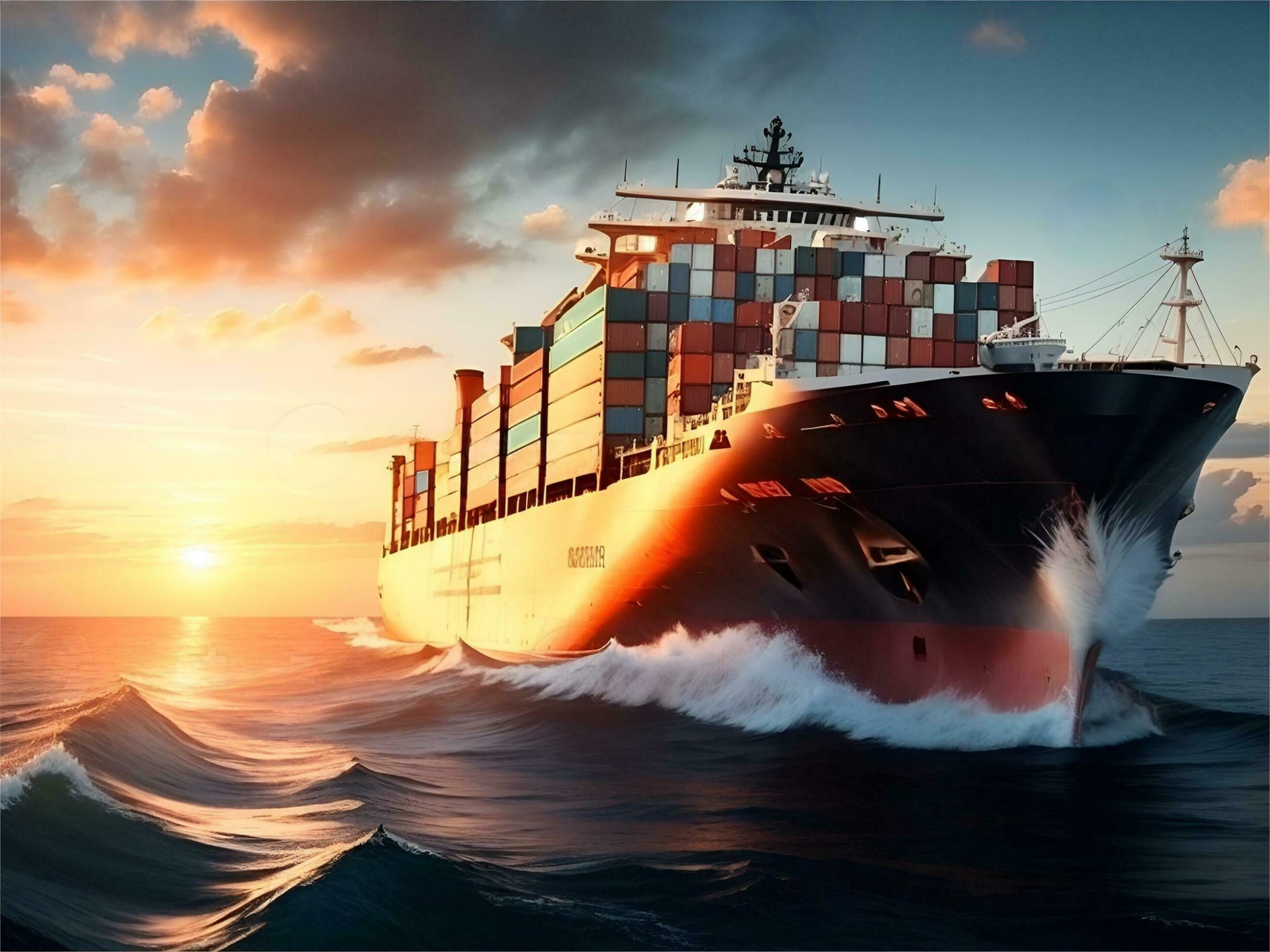
Selecting the right transportation mode involves balancing speed against total landed costs. While sea freight remains the most economical choice for large volumes, it requires the longest transit time. For instance, a standard container ship takes approximately 30 to 35 days to reach Rotterdam from Shenzhen.
In contrast, air freight offers unmatched speed but comes at a significant price premium. Additionally, rail freight serves as a middle-ground solution, providing faster delivery than sea without the extreme costs of air transport. Each method has specific advantages depending on the nature of your cargo and your inventory requirements.
Specifically, businesses dealing with seasonal goods often use a mix of these services to optimize their cash flow. By utilizing sea freight for bulk stock and air freight for urgent restocks, companies can maintain high service levels. Notably, the choice often depends on whether you prioritize cost-savings or rapid market entry.
| Shipping Method | Cost Range | Transit Time | Best For |
|---|---|---|---|
| Sea Freight (FCL) | $2,800 – $4,200 | 30-38 Days | Bulk Goods |
| Air Freight | $4.50 – $7.50/kg | 3-7 Days | Urgent Items |
| Rail Freight | $1,500 – $2,500 | 18-22 Days | Mid-size Cargo |
| Express Service | $8.00 – $12.00/kg | 2-4 Days | Samples/Docs |
Maximizing Efficiency with Air Freight Solutions
When time is the most critical factor, Air Freight stands out as the premier delivery method. This service is ideal for perishable goods, high-fashion items, or critical industrial components that need to reach Amsterdam Schiphol Airport quickly. Furthermore, the frequency of flights from hubs like Guangzhou and Beijing ensures that cargo rarely sits idle.
Additionally, the security protocols associated with air transport are generally more stringent than other modes. Consequently, the risk of theft or damage is significantly lower, which can lead to lower insurance premiums for certain goods. However, the strict weight and volume restrictions mean that careful packing is essential to avoid unnecessary surcharges.
Market data suggests that air freight rates in 2026 have remained competitive due to increased belly capacity in passenger planes. Therefore, even small-to-medium enterprises can now afford to use air logistics for high-margin products. To summarize, if your delivery schedule is tight, air transport is the most reliable way to meet your deadlines.
The Strategic Advantage of Rail Freight in 2026
Utilizing the Trans-Eurasian railway network, Rail Freight has become a cornerstone of modern export logistics china to Netherlands delivery service. This method connects industrial centers like Xi’an directly to European logistics hubs. Moreover, it offers a greener alternative to air freight, appealing to environmentally conscious brands in the Netherlands.
Consequently, many businesses are shifting their mid-value shipments to rail to save on costs without sacrificing too much time. For example, transit times typically range from 18 to 22 days, which is nearly twice as fast as sea transport. Furthermore, rail rates are much more stable than the volatile ocean freight market.
Additionally, the infrastructure along the rail corridor has seen significant investment, leading to improved reliability and safety. Indeed, modern rail containers are equipped with advanced sensors to monitor temperature and humidity. Therefore, rail is now a viable option for sensitive electronic equipment and certain types of consumer packaged goods.
Navigating Customs Brokerage and Dutch Compliance
Successful importation into the Netherlands requires a deep understanding of EU customs regulations. Engaging a professional Customs Brokerage service can prevent costly delays at the border. Specifically, the Dutch customs authorities are known for their efficiency, but they require precise documentation for all incoming goods.
Moreover, you must ensure that your products comply with all CE marking requirements and safety standards. Failure to provide the correct certificates of origin or commercial invoices can result in shipments being held in bond. Consequently, businesses should work closely with their logistics provider to verify all paperwork before the cargo leaves China.
Furthermore, the VAT deferment system in the Netherlands, known as Article 23, offers significant cash flow advantages for importers. By utilizing this system, you can postpone the payment of import VAT until you file your periodic return. Thus, choosing a partner who understands these local tax benefits is essential for optimizing your financial performance.
| Document Type | Required For | Purpose | Issuer |
|---|---|---|---|
| Commercial Invoice | All Shipments | Value Declaration | Exporter |
| Packing List | All Shipments | Content Detail | Exporter |
| Bill of Lading | Sea/Rail | Title of Goods | Carrier |
| CE Certificate | Electronics/Toys | Safety Compliance | Manufacturer |
Real Case Studies: China to Netherlands Shipments
Examining real-world scenarios helps businesses understand the practical applications of different shipping methods. Below are two recent examples of successful export logistics china to Netherlands delivery service operations conducted in early 2026.
Case Study 1: Solar Panel Distribution. Route: Ningbo to Rotterdam. Cargo: 40HQ Container of Solar Panels. Shipping Method: Sea Freight (FCL). Ocean Freight: $3,200. Transit Time: 34 days. Key Insight: Booking 5 weeks in advance secured a lower rate during the pre-summer peak.
Case Study 2: High-End Electronics Launch. Route: Shenzhen to Amsterdam. Cargo: 500kg of Smartwatches. Shipping Method: Air Freight. Total Cost: $3,150. Transit Time: 5 days. Key Insight: Using direct air freight allowed the client to meet a strict product launch deadline across Europe.
Note: Freight rates are subject to change based on fuel costs, carrier capacity, and seasonal demand. Contact us for a current quote tailored to your specific shipment.
Which Option Should You Choose? Decision Framework
Determining the best shipping route depends on your specific business priorities and the nature of your cargo. If your primary goal is to minimize expenditure, sea freight is the clear winner for large volumes. However, if you are shipping small quantities or high-value items, air or express services might be more appropriate.
Furthermore, consider the geographic location of your supplier in China. For instance, suppliers in Western China may find rail freight more convenient and cost-effective than trucking goods to a coastal seaport. Additionally, evaluate the urgency of the delivery to decide if the 20-day rail transit is a suitable compromise over the 35-day sea voyage.
Meanwhile, businesses shipping to Europe often benefit from hybrid solutions. For example, sea-air combinations can offer a balance of speed and cost that neither mode can provide alone. Ultimately, your decision should align with your inventory turnover rates and customer expectations.
Cost-Saving Strategies for 2026 Logistics
Reducing your shipping expenses requires a proactive approach to logistics management. One effective strategy is to consolidate multiple small shipments into a single LCL (Less than Container Load) shipment. Consequently, you share the container costs with other importers, significantly lowering your per-unit freight price.
Moreover, optimizing your packaging can lead to substantial savings, especially in air freight where volume weight is a major factor. By reducing excess space in your boxes, you can fit more product into a smaller footprint. Furthermore, negotiating long-term contracts with freight forwarders can provide stability in a fluctuating market.
Additionally, always stay informed about the latest logistics trends and port developments. For instance, using secondary ports in the Netherlands might offer lower handling fees than the major terminals in Rotterdam. Therefore, a flexible approach to routing can often uncover hidden savings in your supply chain.
Optimizing Your China-Netherlands Trade Route
Successfully managing an export logistics china to Netherlands delivery service requires a strategic blend of planning, mode selection, and compliance expertise. By understanding the nuances of sea, air, and rail freight, businesses can navigate the 2026 market with confidence. Transitioning to more efficient shipping methods not only saves money but also improves delivery reliability for your Dutch customers.
To summarize, the key to logistics success lies in choosing the right partner and staying adaptable to market changes. As the trade relationship between China and the Netherlands continues to grow, having a robust shipping strategy will be your greatest asset. Implement these insights today to enhance your international trade operations.
Start Your Shipment
Streamline your supply chain today with our expert export logistics china to Netherlands delivery service. Whether you need urgent air freight or cost-effective sea transport, our team provides tailored solutions to meet your business goals. Contact Top China Cargo now to receive a competitive quote and ensure your goods move seamlessly across the globe. Send Inquiry
Request Quote