

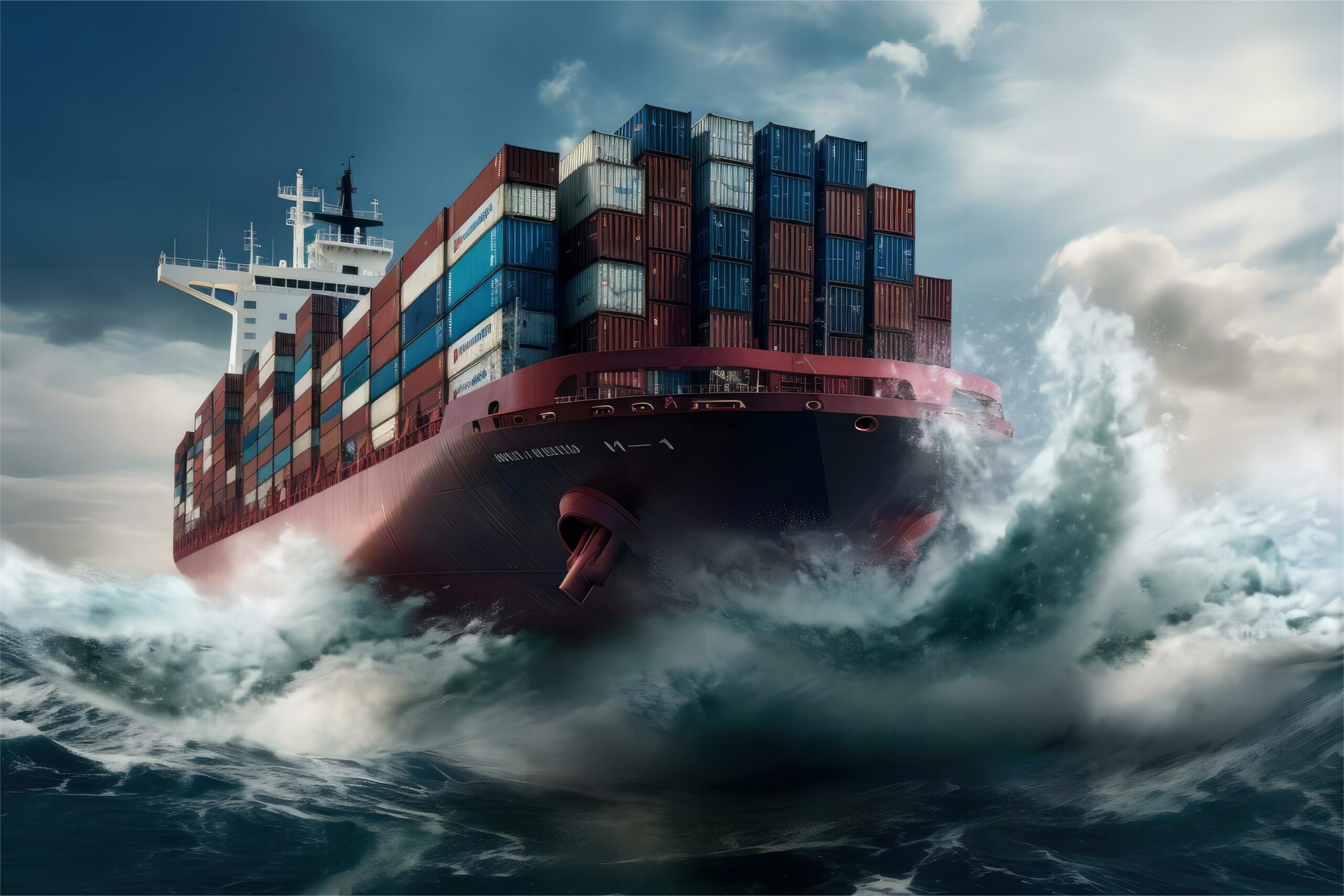
Sea Freight China for Amazon Sellers Spain: The 2025 Logistics Guide
Managing sea freight China for Amazon sellers Spain requires a deep understanding of international logistics and European customs regulations. Consequently, many successful entrepreneurs partner with Top China Cargo to streamline their operations from Asian factories to Spanish warehouses. This comprehensive guide explores how you can minimize costs while ensuring your inventory arrives safely at Amazon fulfillment centers across the Iberian Peninsula.

Why Sea Freight China for Amazon Sellers Spain is the Preferred Choice
Ocean transport remains the most cost-effective method for moving high volumes of inventory across the globe. Therefore, most Spanish Amazon sellers prioritize this mode to maintain healthy profit margins on their products.
While air travel offers speed, the cost per unit for sea shipments is significantly lower. Specifically, for bulky items or heavy goods, the savings can exceed sixty percent compared to express courier services.
Choosing sea freight allows you to scale your business by importing larger quantities at once. As a result, you reduce the risk of stockouts during peak shopping seasons like Black Friday or El Dia de los Reyes.
How Does Sea Freight Compare to Other Shipping Options?
Understanding the trade-offs between different logistics modes is vital for your business strategy. For instance, while sea freight is slow, it handles massive volumes that would be cost-prohibitive by air.
Rail freight serves as a middle ground for European destinations, offering faster transit than the ocean but at a higher price point. However, sea routes to Spanish ports like Barcelona and Valencia are exceptionally well-established.
The following table provides an objective analysis of the primary shipping methods available for the China-to-Spain route.
| Method | Cost Range | Transit Time | Best For |
|---|---|---|---|
| Sea Freight | Low ($) | 30-45 Days | Bulk Inventory |
| Air Freight | High ($$$) | 5-9 Days | Urgent Restocks |
| Rail Freight | Mid ($$) | 22-28 Days | Medium Volume |
| Express | Very High | 3-5 Days | Small Samples |
Understanding FCL and LCL for Amazon FBA Spain
When booking Amazon FBA services, you must choose between Full Container Load and Less than Container Load. Consequently, your choice will depend heavily on your current shipment volume and budget.
Full Container Load, or FCL, involves renting an entire twenty or forty-foot container for your goods exclusively. This method is typically faster because the container does not need to be opened until it reaches its final destination.
Less than Container Load, known as LCL, allows you to share space with other shippers. While this is more economical for smaller loads, it involves more handling and potential delays at consolidation hubs.
For shipments under fifteen cubic meters, LCL is usually the most logical financial decision. Conversely, once you exceed that volume, the flat rate of an FCL container often becomes more attractive.
Major Shipping Routes and Transit Times to Spain
Most shipments departing from China originate from major hubs like Shenzhen, Ningbo, or Shanghai. These ports offer direct connections to the Mediterranean, which facilitates smoother transit to Spain.
The primary ports of discharge in Spain include Barcelona, Valencia, and Algeciras. Each of these ports serves as a gateway to different regions, so choosing the one closest to your FBA warehouse is essential.
Typical sea transit times from China to Spain range between thirty and forty days. However, you should account for an additional ten days for inland transport and warehouse processing upon arrival.
Market data suggests that direct routes cost roughly fifteen percent more but save nearly a week in total transit time. Therefore, sellers must weigh the value of time against their shipping budget.
Customs Clearance and VAT Considerations in Spain
Navigating the Spanish tax system is a critical step for any international Amazon seller. Indeed, failure to provide correct documentation can lead to expensive delays or even the seizure of your goods.
You will need a valid EORI number to import goods into the European Union. Furthermore, you must ensure that your commercial invoice and packing list accurately reflect the value and nature of your inventory.
Utilizing professional customs brokerage services can prevent common errors in tariff classification. As a result, you ensure that you pay the correct amount of duty and VAT without unnecessary penalties.
Spain applies a standard VAT rate of twenty-one percent on most imported goods. Consequently, calculating these costs in advance is vital for determining your final landed cost and pricing strategy.
Packaging and Labeling Requirements for FBA Spain
Amazon maintains strict standards for how products must be prepared for their fulfillment centers. Without a doubt, ignoring these rules will result in your shipment being rejected at the warehouse dock.
Each individual unit must have a scannable FNSKU label that corresponds to your Amazon listing. Additionally, every carton must feature a unique FBA box ID label generated from your Seller Central account.
Palletization is often required for sea freight shipments arriving at Spanish FBA locations. Specifically, you must use standard Euro-pallets that are heat-treated and stamped according to international regulations.
Consider using a door to door service that includes prep and inspection. This ensures that your goods are double-checked for compliance before they ever leave China.
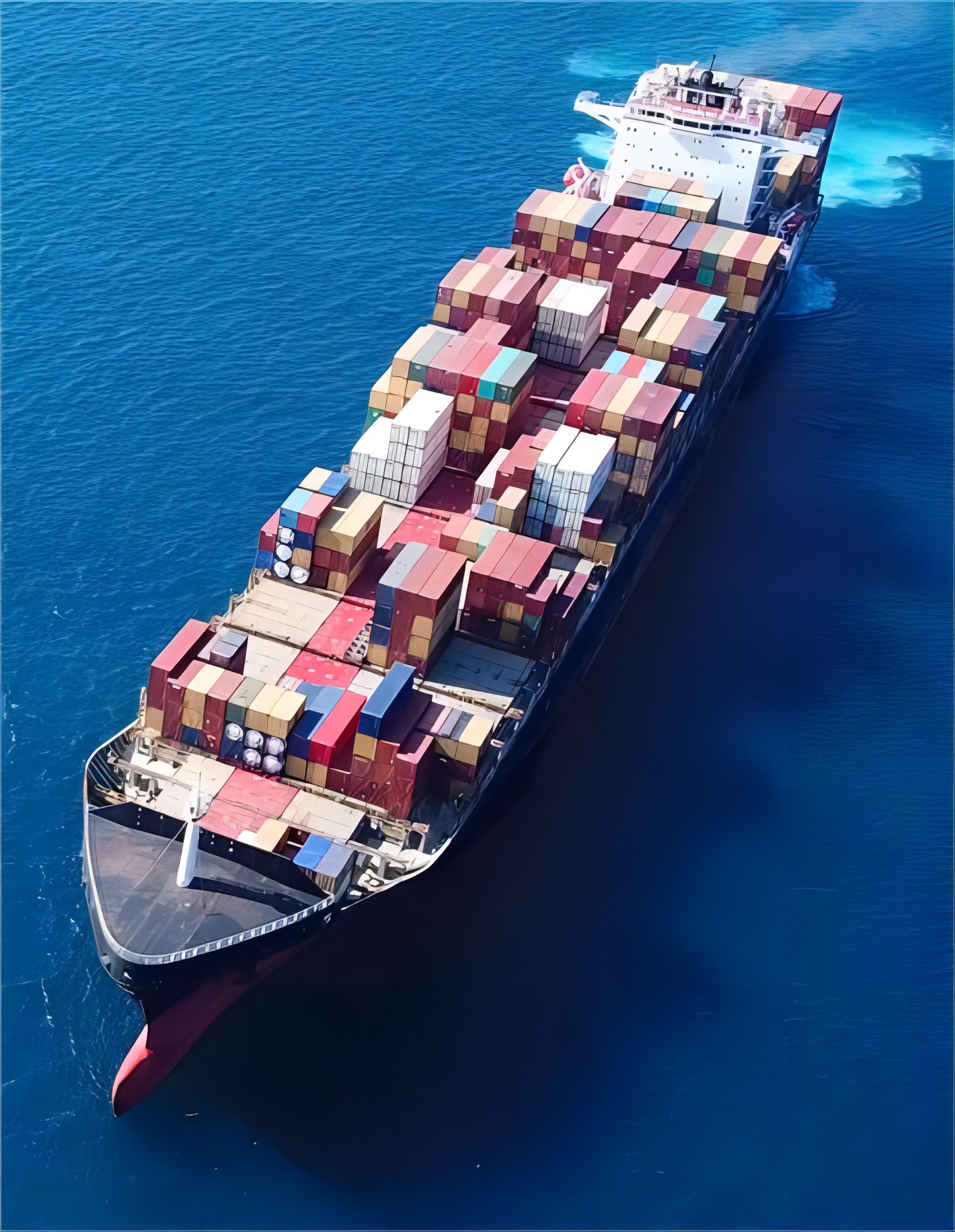
Real Case Studies: Shipping from China to Spain
Reviewing actual logistics scenarios helps sellers understand the practicalities of international trade. These examples reflect typical market conditions and pricing for the 2024-2025 period.
Case Study One: Shenzhen to Barcelona. Cargo: 12 CBM of Yoga Mats (LCL). Shipping Method: Sea Freight. Total Landed Cost: $2,450. Transit Time: 38 Days. Key Insight: Consolidating multiple small orders into one LCL shipment saved the seller 20% on per-unit shipping costs.
Case Study Two: Ningbo to Valencia. Cargo: 40HQ Container of Small Kitchen Appliances (FCL). Shipping Method: Sea Freight. Total Landed Cost: $4,800. Transit Time: 34 Days. Key Insight: Booking FCL allowed for direct delivery to the warehouse, bypassing the delays often associated with LCL deconsolidation.
Note: Freight rates are subject to change based on fuel costs, carrier capacity, and seasonal demand. Contact us for a current quote tailored to your specific shipment.
Which Option Should You Choose? A Decision Framework
Selecting the right logistics strategy depends on your specific business priorities and current inventory levels. For example, if your primary goal is cost reduction, sea freight is unbeatable.
If you are launching a new product and need it to arrive quickly for a promotion, air freight might be necessary despite the cost. Meanwhile, rail freight offers a balanced alternative for those who can wait three weeks but not six.
Budget priority: Recommend LCL or FCL Sea Freight. Speed priority: Recommend Air Freight or Express. Volume thresholds: Once you reach 15 CBM, always calculate the cost of a 20GP container as it may be cheaper than LCL.
Market Trends and Logistics Outlook for 2025
The global shipping industry continues to evolve in response to geopolitical shifts and economic changes. As of early 2025, freight rates from China to Europe have stabilized following previous disruptions in major trade lanes.
Logistics trends suggest an increasing focus on sustainable shipping practices and digital tracking. Consequently, sellers who utilize tech-enabled forwarders can benefit from better visibility into their supply chains.
Seasonal patterns remain a major factor in pricing and availability. For instance, rates typically increase by fifteen to twenty-five percent during the August to October peak season as retailers prepare for the holidays.
According to industry benchmarks, planning your shipments at least two months in advance is the best way to secure lower rates. Indeed, early booking remains the most effective hedge against sudden market volatility.
Final Thoughts on Sea Freight for Spanish Sellers
Successfully navigating sea freight China for Amazon sellers Spain is a cornerstone of a profitable e-commerce business. By choosing the right shipping method and understanding customs requirements, you can significantly lower your overhead.
Remember that logistics is not just a cost, but a strategic tool that can give you a competitive advantage. Partnering with a reliable forwarder ensures that your supply chain remains resilient and efficient.
Ultimately, the key to success lies in careful planning, accurate documentation, and staying informed about market trends. Start your next shipment today and watch your Amazon Spain business thrive.
Ready to streamline your logistics?
Ready to optimize your supply chain and reduce costs for your Spanish Amazon business? Contact the experts at Top China Cargo today for a personalized quote on sea freight China for Amazon sellers Spain. Visit our website to learn more about our comprehensive FBA solutions. Visit: https://topchinacargo.com/contact-us/
Request Quote