


Export Logistics China to Mexico Freight Solution: 2026 Guide
Navigating the complexities of international trade requires a reliable Top China Cargo partner to ensure smooth operations. Finding a comprehensive export logistics china to Mexico freight solution is essential for businesses looking to scale their operations in 2026. This guide explores the most efficient ways to transport goods across the Pacific while managing costs and timelines effectively. Without a doubt, choosing the right method can significantly impact your bottom line and delivery reliability.

Understanding the Export Logistics China to Mexico Freight Solution
Modern trade between China and Mexico has reached new heights in early 2026 due to evolving manufacturing trends. Consequently, companies must identify a robust export logistics china to Mexico freight solution to stay competitive in a crowded market. This involves selecting a partner who understands both the Chinese export regulations and the specific Mexican import requirements.
Choosing the right logistics strategy requires a deep understanding of cargo volume and urgency. For instance, many businesses are now shifting toward integrated solutions that combine warehousing with transport. This approach helps reduce the friction often found in fragmented supply chains.
Furthermore, utilizing professional door to door services can simplify the entire process for importers. By outsourcing the movement of goods, businesses can focus on their core sales activities while experts handle the physical movement of cargo.
Specifically, the 2026 market landscape demands higher transparency and real-time tracking capabilities. Therefore, a modern freight solution must include digital tools that provide visibility into the shipment’s location at every stage.
How Does Sea Freight Compare to Other Shipping Options?
Evaluating different transport modes helps businesses balance speed and budget constraints effectively. While sea freight remains the dominant choice for bulk cargo, air freight offers unmatched speed for urgent shipments.
Hybrid solutions, such as sea-air combinations via US hubs, have also gained popularity in 2026. These alternatives provide a middle ground for businesses that need faster delivery than sea but cannot afford the high costs of pure air transport.
Moreover, the choice between methods often depends on the specific nature of the goods being shipped. For example, heavy machinery is almost always sent via ocean, whereas high-value electronics might justify the cost of air transit.
Additionally, market data suggests that sea freight costs have stabilized in 2026 after the fluctuations of previous years. This stability allows for better long-term financial planning for regular importers.
| Shipping Method | Cost Range | Transit Time | Best For | Limitations |
|---|---|---|---|---|
| Sea Freight (FCL) | $2,500 – $4,500 | 25-35 Days | Bulk goods/Large volume | Slowest speed |
| Air Freight | $6.00 – $12.00/kg | 5-8 Days | Urgent/High-value | Very expensive |
| Express Service | $9.00 – $18.00/kg | 3-5 Days | Samples/Small parcels | Weight limits |
| Sea-Air Hybrid | $4.00 – $7.00/kg | 15-20 Days | E-commerce/Mid-value | Complex handling |

What Are the Most Cost-Effective Shipping Methods?
Achieving cost efficiency in your export logistics china to Mexico freight solution requires careful planning of shipment sizes. For many, utilizing sea freight remains the most economical path for large-scale inventory replenishment.
However, for smaller volumes, Less than Container Load (LCL) options can provide significant savings. This method allows multiple shippers to share space in a single container, making it ideal for growing businesses.
Indeed, optimizing the packaging of your goods can also lead to lower freight rates. By reducing the overall volume of the cargo, you can often fit more items into a smaller space and avoid extra surcharges.
Meanwhile, some companies find that consolidating shipments in a Chinese warehouse before export reduces the total number of individual deliveries. This strategy minimizes the fixed costs associated with customs documentation and port handling.
Transit Times: How Long Does Shipping Take in 2026?
Understanding delivery schedules is vital for maintaining inventory levels and meeting customer expectations. Typically, the sea transit time from major Chinese ports like Shanghai or Shenzhen to Manzanillo takes about 25 to 30 days.
In contrast, shipments destined for Mexico City via inland transport may require an additional 3 to 5 days for final delivery. Consequently, businesses should account for these variables when planning their seasonal stock arrivals.
Furthermore, air freight remains the fastest option for time-sensitive cargo. Most air shipments from China arrive at Mexico City International Airport (AICM) within a week, including handling time.
Market intelligence indicates that port congestion in Mexico has improved in early 2026, leading to more predictable schedules. Nevertheless, it is always wise to include a buffer of a few days for unexpected customs delays.
| China Origin Port | Mexico Destination Port | Average Transit Time | Service Frequency |
|---|---|---|---|
| Shenzhen | Manzanillo | 26 Days | Weekly |
| Shanghai | Lazaro Cardenas | 28 Days | Bi-weekly |
| Ningbo | Ensenada | 24 Days | Weekly |
| Qingdao | Manzanillo | 32 Days | Weekly |
Necessary Documentation for Mexico Customs Clearance
Navigating the legal requirements is a critical part of any export logistics china to Mexico freight solution. Proper documentation ensures that goods pass through the border without being seized or heavily fined by authorities.
Essential documents include the Commercial Invoice, Packing List, and the Bill of Lading or Air Waybill. Additionally, Mexican law often requires a Certificate of Origin to determine the applicable import duties and taxes.
Using a professional customs brokerage service is highly recommended for first-time importers. These experts understand the specific NOM (Normas Oficiales Mexicanas) certifications required for various product categories.
Moreover, errors in documentation are the leading cause of delays in international shipping. Therefore, double-checking all HS codes and product descriptions before the cargo leaves China is a necessary step for success.
FCL vs LCL: Choosing the Right Container Strategy
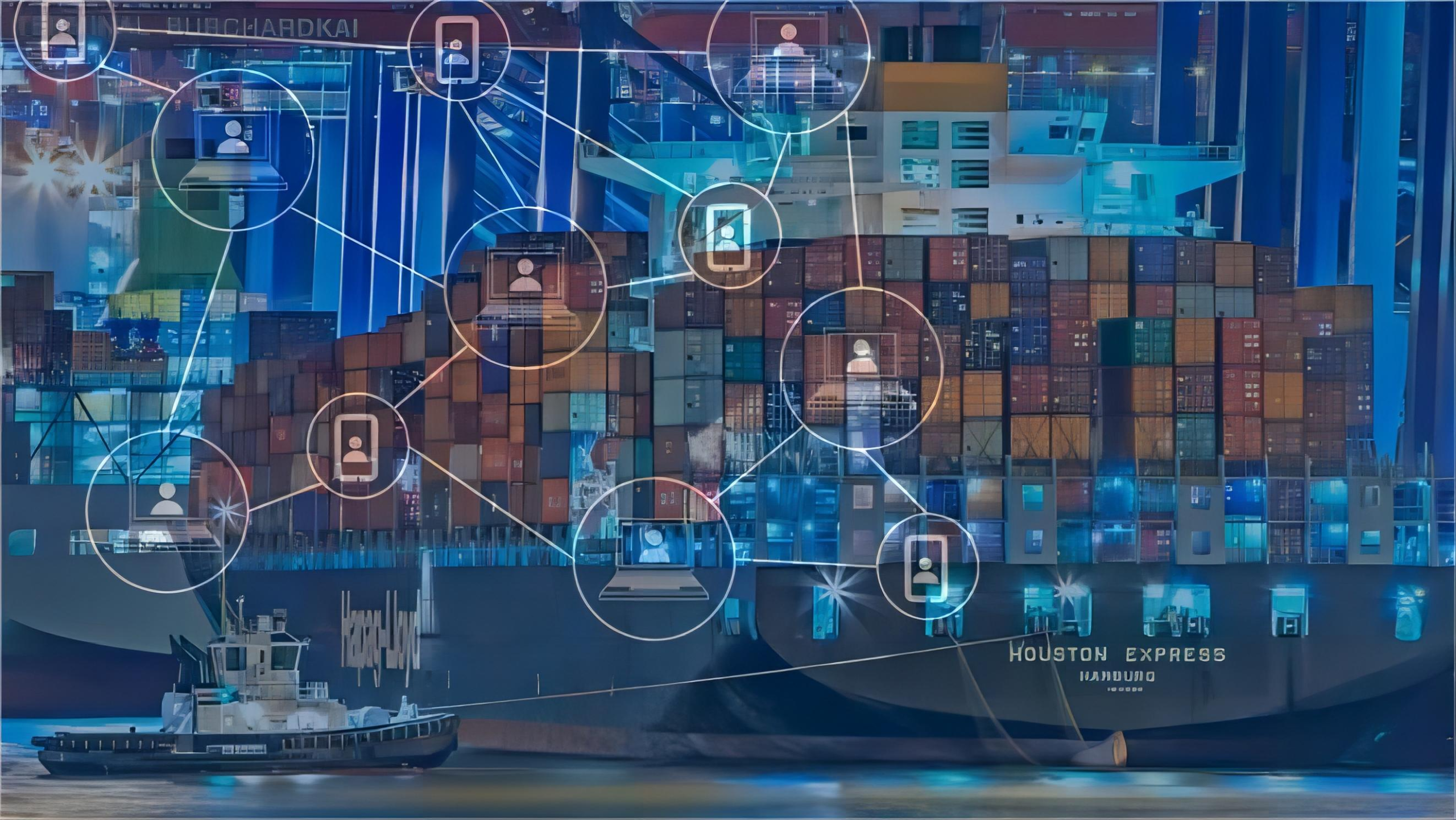
Deciding between Full Container Load (FCL) and Less than Container Load (LCL) is a fundamental choice for every shipper. FCL is generally safer and faster as the container remains sealed from the origin to the destination.
On the other hand, LCL is much more flexible for businesses that do not have enough cargo to fill a 20-foot or 40-foot container. Although the cost per unit is higher, the total shipment cost is often much lower for small batches.
According to industry benchmarks, the break-even point between LCL and FCL usually occurs around 15 cubic meters (CBM). If your shipment exceeds this volume, booking a full 20GP container is typically more cost-effective.
Additionally, FCL shipments often benefit from faster processing at the port because they do not need to be de-consolidated. This can save several days in the overall transit time compared to LCL shipments.
Case Study 1: High-Volume Electronics
Route: Shenzhen, China to Manzanillo, Mexico. Cargo: Consumer electronics, 68 CBM, 12,000 kg. Container: 40HQ Full Container Load.
Shipping Details: Carrier: Major ocean carrier. Port of Loading: Shenzhen. Port of Discharge: Manzanillo. Route Type: Direct.
Cost Breakdown: Ocean Freight: $3,800. Origin Charges: $450. Destination Charges: $600. Customs and Duties: $4,200. Total Landed Cost: $9,050.
Timeline: Booking to Loading: 4 days. Sea Transit: 27 days. Customs Clearance: 3 days. Total Door-to-Door: 38 days. Key Insight: Direct routing saved 6 days compared to transshipment via Busan.
Case Study 2: Heavy Industrial Machinery
Route: Ningbo, China to Mexico City, Mexico. Cargo: Industrial lathe, 15 CBM, 8,500 kg. Container: LCL shipment.
Shipping Details: Carrier: Consolidation service. Port of Loading: Ningbo. Port of Discharge: Lazaro Cardenas. Route Type: Transshipment via Panama.
Cost Breakdown: Ocean Freight: $1,200. Origin Charges: $300. Destination Charges: $850. Customs and Duties: $2,500. Total Landed Cost: $4,850.
Timeline: Booking to Loading: 6 days. Sea Transit: 34 days. Customs Clearance: 5 days. Total Door-to-Door: 52 days. Key Insight: Heavy cargo required specialized handling at the destination warehouse.
Decision Framework: Which Option Should You Choose?
Selecting the best export logistics china to Mexico freight solution depends on your specific business priorities. If budget is your main concern, sea freight FCL is almost always the best choice for large volumes.
However, if you are launching a new product and need to test the market quickly, express service might be more appropriate. This allows you to get samples into the hands of customers in just a few days.
For those managing complex inventories, a door-to-door service provides the most peace of mind. This model transfers the risk and logistical burden to the freight forwarder, ensuring a smoother experience.
Without a doubt, businesses should also consider the seasonal peaks in shipping demand. Rates typically increase 15-25% during the August-October period as companies prepare for the year-end shopping season.
Logistics Trends and Market Outlook for 2026
As of Q1 2026, freight rates from China to Mexico have stabilized after the global disruptions of previous years. This stability is largely due to increased vessel capacity and improved port infrastructure on the Mexican Pacific coast.
Furthermore, the rise of nearshoring has led to increased demand for raw materials and components being shipped from China to Mexican factories. Consequently, logistics providers are expanding their specialized services for industrial clients.
Digitalization is another key trend affecting the export logistics china to Mexico freight solution landscape. More shippers are now using blockchain-based tracking to ensure the security and authenticity of their documentation.
In addition, sustainability is becoming a major factor in carrier selection. Many businesses are now opting for ‘green’ shipping lanes that utilize bio-fuels or carbon-offset programs to reduce their environmental impact.
Final Thoughts on Mexico Freight Solutions
Mastering your export logistics china to Mexico freight solution is a journey that requires the right information and the right partners. By understanding the differences between sea and air freight, you can make informed decisions that protect your margins.
Remember that documentation and customs compliance are just as important as the physical transport of goods. Working with experts ensures that you avoid costly delays and penalties at the Mexican border.
As the 2026 market continues to evolve, staying adaptable and informed will be your greatest competitive advantage. We are here to help you navigate every step of the shipping process from China to Mexico.
Note: Freight rates are subject to change based on fuel costs, carrier capacity, and seasonal demand. Contact us for a current quote tailored to your specific shipment.
Start Your Shipment
Streamline your supply chain today with a customized export logistics china to Mexico freight solution. Contact our expert team for a transparent quote and reliable service. Visit https://topchinacargo.com/ to get started.
Request Quote