

China to Mexico Amazon FBA Shipping Service: 2026 Logistics Guide
“Navigating the complexities of the China to Mexico Amazon FBA shipping service requires a strategic approach to ensure your inventory arrives safely and on time. As the Mexican e-commerce market continues to expand rapidly in 2026, sellers must optimize their supply chains to maintain a competitive edge. Top China Cargo provides comprehensive logistics solutions tailored to the unique demands of the Mexican marketplace. This guide explores the most efficient shipping methods, cost-saving strategies, and regulatory requirements essential for your success.”

Understanding the China to Mexico Amazon FBA Shipping Service
❖Selecting the right China to Mexico Amazon FBA shipping service involves more than just picking the cheapest rate available on the market. Efficient logistics management ensures that your products reach fulfillment centers in Mexico City, Monterrey, or Guadalajara without unnecessary delays. Therefore, understanding the nuances of international transit is vital for any seller looking to scale their operations in North America.
Moreover, the logistics landscape in 2026 has shifted toward more integrated digital tracking and automated customs filing. Consequently, working with a partner who understands the specific requirements of Amazon Mexico can prevent costly storage fees and stockouts. Professional freight forwarders now offer end-to-end visibility, allowing you to monitor your cargo from the factory floor in Shenzhen to the final delivery at an Amazon warehouse.
How Does Sea Freight Compare to Other Shipping Options?
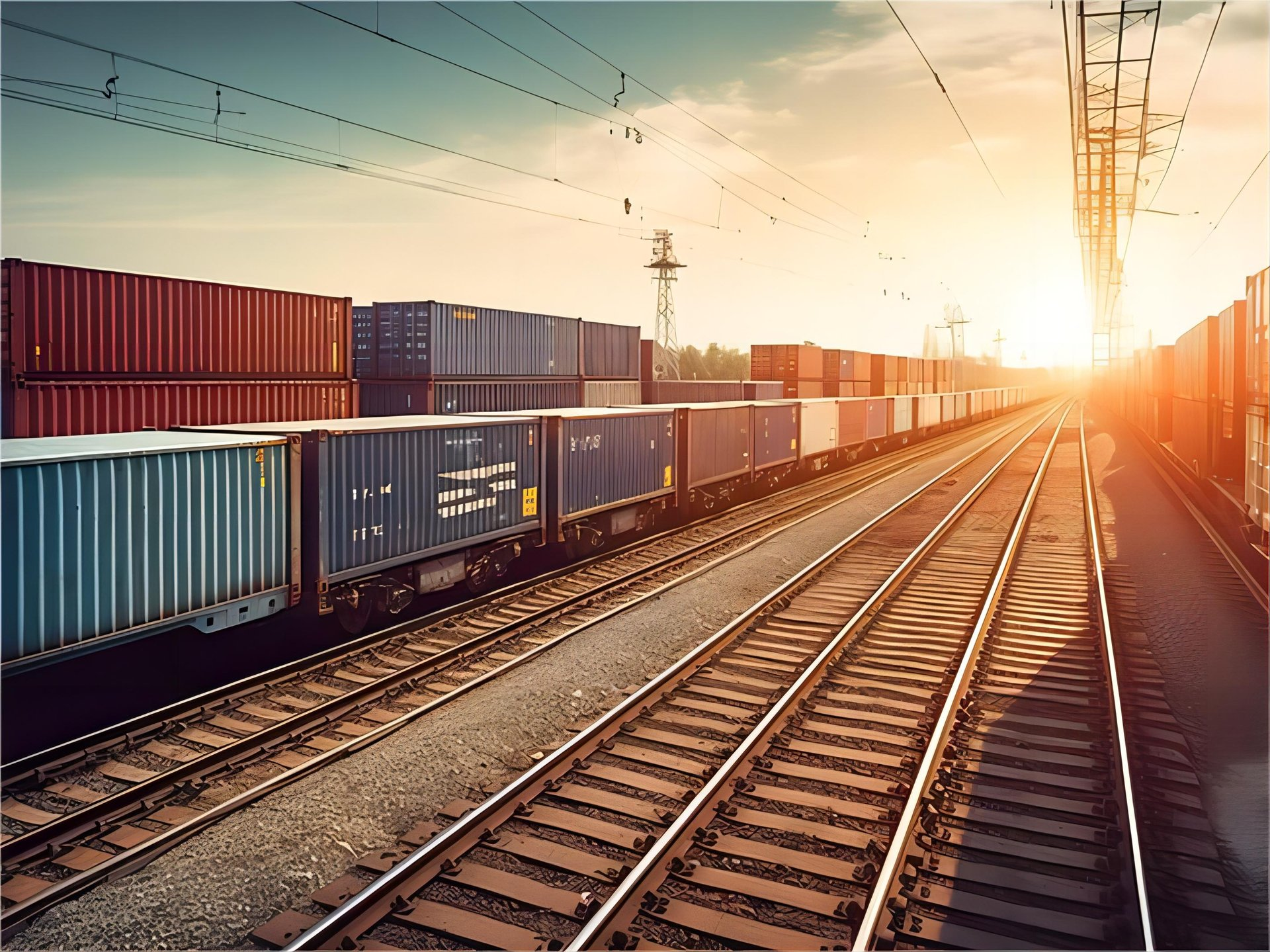
❖Sea freight remains the backbone of global trade, especially for high-volume shipments where cost efficiency is the primary concern. In contrast to air transport, ocean shipping allows for significantly larger quantities at a fraction of the price per kilogram. For instance, shipping a full container of home goods or electronics can save thousands of dollars compared to express alternatives.
However, the trade-off for lower costs is a longer transit time that requires careful inventory planning months in advance. As of early 2026, sea freight rates have stabilized, though seasonal spikes during the Q4 peak remain a factor to consider. Consequently, many sellers utilize a hybrid approach, sending the bulk of their stock via sea while using air for urgent restocks.
| Shipping Method | Cost Range (USD) | Transit Time | Best For |
|---|---|---|---|
| Sea Freight (FCL) | $2,800 – $4,200 | 25-35 Days | Bulk inventory and heavy goods |
| Sea Freight (LCL) | $80 – $150 per CBM | 30-40 Days | Small to medium shipments |
| Air Freight | $5.50 – $9.00 per kg | 5-8 Days | Urgent restocks and high-value items |
| Express Service | $9.00 – $14.00 per kg | 3-5 Days | Samples and extremely urgent cargo |

Choosing Between FCL and LCL for Mexico Shipments
❖Full Container Load (FCL) shipping provides a dedicated space for your goods, which reduces the risk of damage and speeds up the unloading process. When you utilize sea freight, choosing FCL is often the most economical choice once your volume exceeds 15 to 20 cubic meters. Additionally, FCL shipments generally face fewer delays during customs inspections because the entire container belongs to a single consignee.
Less than Container Load (LCL) serves as a flexible alternative for sellers who do not have enough volume to fill a standard 20ft or 40ft container. In this scenario, your cargo shares space with other shippers, and you only pay for the volume you actually use. While LCL is cost-effective for smaller batches, it involves additional handling and consolidation time, which can extend the total delivery schedule by several days.
Air Freight Solutions for Urgent Amazon Inventory
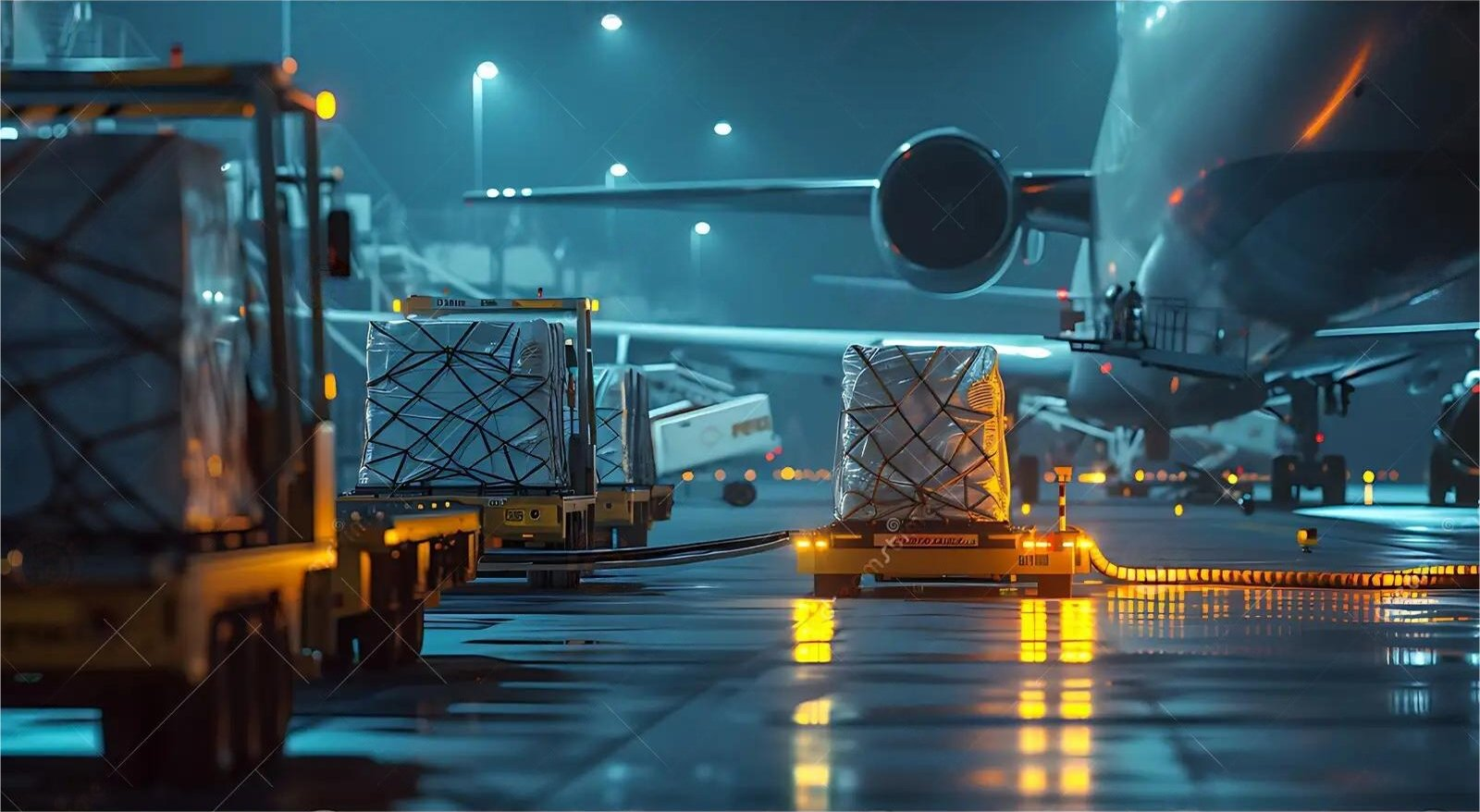
❖Air freight offers the fastest transit times for the China to Mexico Amazon FBA shipping service, making it indispensable for product launches. Because e-commerce trends move quickly, being able to restock a hot-selling item in under a week can be the difference between profit and loss. Consequently, air freight remains a top choice for high-margin electronics and fashion items.
Furthermore, air transport provides enhanced security and a lower risk of environmental damage compared to long sea voyages. Although the price per kilogram is higher, the reduced need for local warehousing and lower insurance premiums can offset some of the initial costs. Indeed, many successful Amazon sellers include a budget for air shipping to handle unexpected surges in Mexican consumer demand.
Navigating Customs Clearance and RFC Requirements in Mexico
❖Mexico has specific customs regulations that differ significantly from the United States or Europe, particularly regarding the RFC (Registro Federal de Contribuyentes). Without a valid RFC or a properly registered importer of record, your shipment may be held indefinitely at the port of entry. Therefore, leveraging a professional customs brokerage is essential for navigating Mexican SAT requirements.
Additionally, you must ensure that all products comply with Mexican Official Standards (NOMs), which regulate labeling and safety for various categories. Many sellers fail because they overlook the need for Spanish-language labeling or specific certification for electronic components. Consequently, performing a thorough compliance check before the cargo leaves China is a critical step in your logistics strategy.
Transit Times and Delivery Schedules for 2026
❖Transit times from China to Mexico depend heavily on the port of loading and the chosen destination in the Mexican interior. Typically, shipments departing from Shenzhen or Ningbo arrive at the Port of Manzanillo or Lazaro Cardenas before moving inland. As of Q1 2026, typical sea transit times range from 22 to 30 days, while inland trucking adds another 3 to 7 days.
Specifically, the route from Shanghai to Manzanillo is one of the most frequent and reliable paths for Amazon inventory. Meanwhile, air shipments usually land at Mexico City International Airport (AICM) or Felipe Angeles International Airport (AIFA) before being dispatched to FBA centers. Understanding these timelines allows you to set realistic expectations for your customers and maintain a healthy IPI score on Amazon.
| Origin Port | Destination Port | Sea Transit (Days) | Air Transit (Days) |
|---|---|---|---|
| Shenzhen | Manzanillo | 24 – 28 | 5 – 7 |
| Shanghai | Manzanillo | 22 – 26 | 5 – 7 |
| Ningbo | Lazaro Cardenas | 26 – 32 | 6 – 8 |
| Qingdao | Manzanillo | 28 – 35 | 7 – 9 |

Real-World Case Studies for China to Mexico Logistics
❖Case Study 1: Electronics Distribution. A Shenzhen-based manufacturer needed to move 450 kg of smart home devices to Mexico City. By choosing a specialized Amazon FBA air service, they bypassed lengthy sea delays. The total landed cost was $4,050, and the inventory was active on Amazon Mexico within 9 days of leaving the factory.
Case Study 2: Furniture Expansion. A Ningbo exporter shipped a 40HQ container of office chairs to the Amazon warehouse in Guadalajara via sea freight. They utilized a door to door service to manage the complex inland drayage from Manzanillo. Despite a 4-day delay at customs due to labeling checks, the total transit time was 34 days, achieving a cost per unit that allowed for a 40% retail margin.
Cost-Saving Strategies for Your Supply Chain
❖Reducing your China to Mexico Amazon FBA shipping service costs requires a combination of volume consolidation and smart carrier selection. For instance, consolidating multiple small orders into a single LCL shipment can significantly reduce origin handling fees. Furthermore, booking your space at least three weeks in advance often secures lower freight rates than last-minute arrangements.
Another effective strategy involves optimizing your product packaging to reduce dimensional weight, which is a major factor in air freight pricing. Indeed, even a small reduction in box size can lead to thousands of dollars in savings over a year of high-volume shipping. Finally, always request a DDP (Delivered Duty Paid) quote to avoid unexpected destination charges and ensure a predictable landing cost for your business.
Note: Freight rates are subject to change based on fuel costs, carrier capacity, and seasonal demand. Contact us for a current quote tailored to your specific shipment.
Which Option Should You Choose?
❖Budget priority: If your primary goal is to minimize expenses and you have stable demand, sea freight FCL is the undisputed winner. This method provides the lowest cost per unit and is ideal for heavy or bulky items that do not expire or go out of style quickly. Consequently, most established sellers use sea freight as their primary replenishment method.
Speed priority: When you are facing a stockout or launching a time-sensitive product, air freight or express services are necessary. Although the cost is higher, the ability to generate revenue immediately often outweighs the shipping expense. Therefore, keep a portion of your inventory budget flexible to account for these urgent logistics requirements.
Final Thoughts on Mexico FBA Logistics
Successfully managing a China to Mexico Amazon FBA shipping service requires balancing speed, cost, and regulatory compliance. By understanding the differences between sea and air freight, and preparing for Mexican customs requirements, you can build a resilient supply chain. Whether you are a new seller or an established brand, choosing the right logistics partner is the key to unlocking the massive potential of the Mexican e-commerce market.
Indeed, the logistics landscape will continue to evolve throughout 2026, making adaptability more important than ever. Stay informed about market trends, optimize your shipping methods, and ensure your documentation is flawless to maintain a competitive advantage. With the right strategy, your Amazon Mexico business can thrive in this dynamic environment.
Ready to streamline your logistics?
Ready to streamline your China to Mexico Amazon FBA shipping service and scale your business in 2026? Contact our logistics experts today for a custom quote and professional guidance on Mexican customs.
Request Quote