

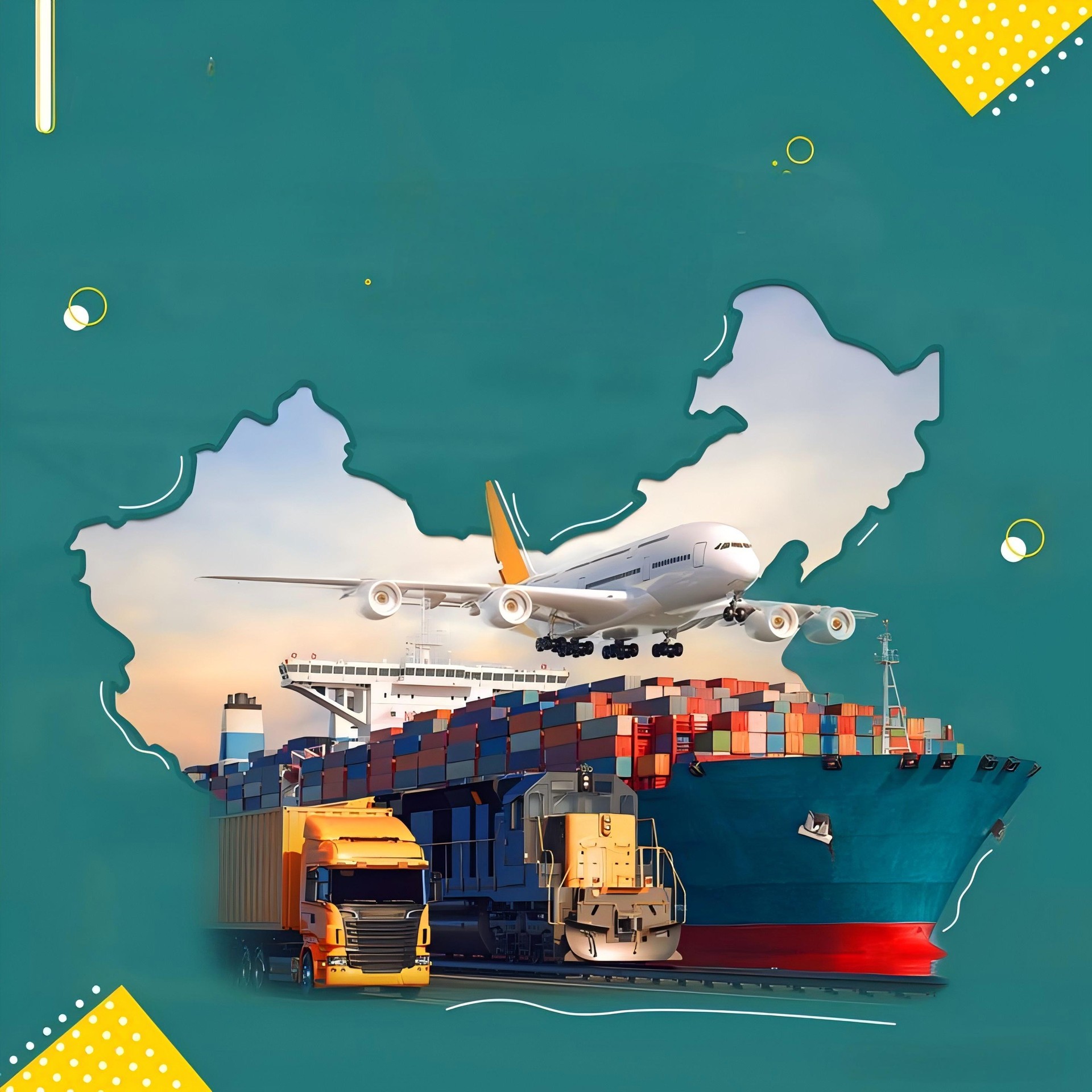
China to UK Supply Chain Optimization Logistics Solution: 2026 Guide
Businesses seeking a China to UK supply chain optimization logistics solution face a rapidly evolving global trade landscape in 2026. Navigating the complexities of international shipping requires more than just moving cargo; it demands a strategic approach to minimize transit times and reduce landed costs. Today, importers must balance speed, reliability, and cost-efficiency to remain competitive in the demanding British market. This comprehensive guide provides actionable insights into streamlining your logistics operations from major Chinese manufacturing hubs to the United Kingdom.
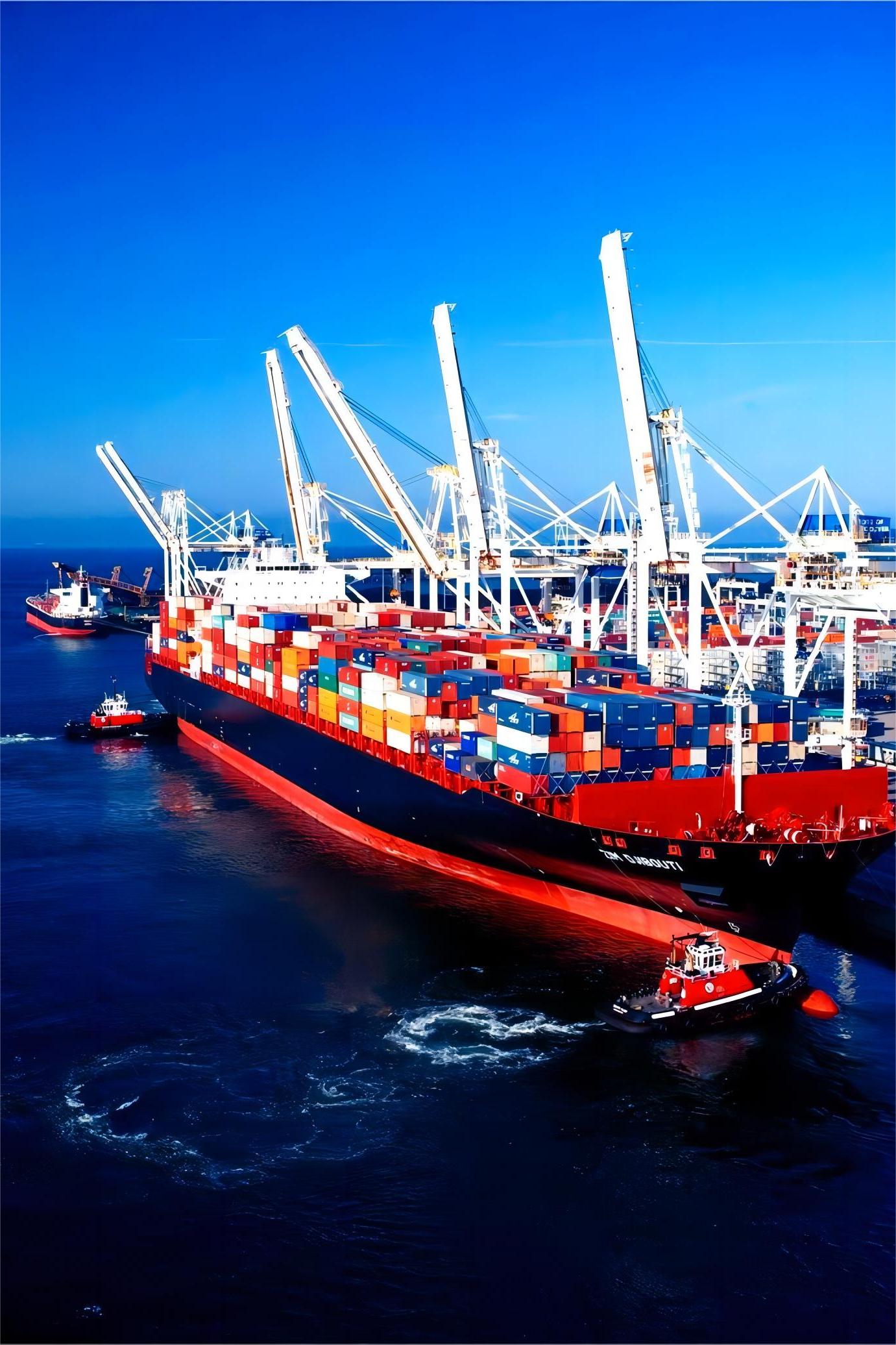
What defines an effective China to UK supply chain optimization logistics solution?
Optimization in logistics refers to the strategic management of every link in the transport chain to ensure maximum efficiency. For UK importers, this involves selecting the right ports, carriers, and inland transport methods to avoid bottlenecks. Specifically, a robust solution integrates real-time tracking, efficient warehousing, and proactive customs management.
Moreover, the 2026 market demands higher visibility and sustainability in shipping operations. Companies that implement digital tools to monitor their cargo often see a significant reduction in unexpected delays. Consequently, these businesses can maintain leaner inventory levels and improve their overall cash flow.
Furthermore, choosing between different transport modes is a fundamental part of any optimization strategy. While sea freight remains the backbone of global trade, its effectiveness depends on port selection and container management. Understanding the nuances of FCL and LCL shipping can save thousands of dollars annually for small and medium enterprises.
How Does Sea Freight Compare to Other Shipping Options?
Sea freight remains the most economical method for transporting large volumes of goods from China to the UK. However, it is also the slowest, with transit times often exceeding five weeks depending on the route and port congestion. In contrast, other methods offer speed at a premium cost, making them suitable for specific types of cargo.
Additionally, rail freight has emerged as a middle-ground solution, offering faster transit than sea but at a lower price point than air. Importers frequently use rail for high-value consumer electronics or seasonal goods that require a quicker turnaround. Nevertheless, sea freight continues to dominate for heavy machinery, raw materials, and bulk commodities.
Typically, air freight serves as the emergency or high-priority option for the UK market. While it provides the fastest delivery, the cost per kilogram is significantly higher than any other method. Therefore, optimization often involves a mix of these modes to balance the total logistics budget against delivery requirements.
| Shipping Method | Cost Range (2026) | Transit Time | Best For |
|---|---|---|---|
| Sea Freight (FCL) | $3,200 – $4,500 per 40HQ | 30-38 Days | Bulk goods, low urgency |
| Air Freight | $5.50 – $9.50 per kg | 5-8 Days | Electronics, fashion, urgent |
| Rail Freight | $1,500 – $2,500 per FEU | 18-22 Days | Medium value, time-sensitive |
| Express Service | $9.00 – $14.00 per kg | 3-5 Days | Samples, documents, small parcels |

Why is supply chain optimization critical for UK importers in 2026?
Global logistics in 2026 are influenced by fluctuating fuel prices and shifting geopolitical alliances. Without a dedicated China to UK supply chain optimization logistics solution, businesses risk facing inflated costs and unpredictable delivery schedules. Efficiency in the supply chain directly translates to a more resilient business model.
Indeed, the UK’s post-Brexit regulatory environment requires precise documentation and compliance. Errors in paperwork can lead to severe delays at ports like Felixstowe or Southampton, resulting in demurrage charges. Therefore, optimizing the administrative side of logistics is just as important as the physical movement of goods.
Specifically, utilizing air freight for high-margin products can ensure that stockouts are avoided during peak shopping seasons. Meanwhile, slower sea routes can be used for replenishing base stock levels. This hybrid approach is a hallmark of a well-optimized supply chain.
Which Option Should You Choose? A Decision Framework
Choosing the right logistics strategy depends on several key factors, including budget, cargo volume, and required speed. If your primary goal is cost reduction, sea freight is almost always the preferred choice. For shipments over 15 CBM, a full container load (FCL) offers the best value and security.
On the other hand, if you are shipping small quantities, less than container load (LCL) allows you to pay only for the space you use. This is ideal for startups or businesses testing new product lines in the UK market. However, be aware that LCL may involve slightly longer transit times due to the consolidation process.
Budget priority: Recommend Sea Freight FCL for maximum savings. Speed priority: Recommend Air Freight or Express for door-to-door delivery. Cargo type: Recommend Rail Freight for mid-value industrial components. Volume thresholds: Once a shipment exceeds 15 CBM, always compare LCL costs against a 20GP container.
Navigating customs brokerage and UK import regulations
Successful importing requires a deep understanding of the customs brokerage process. Importers must ensure they have a valid EORI number and that their goods are correctly classified under the UK Global Tariff. Misclassification can lead to overpayment of duties or legal penalties.
Furthermore, the UK government has implemented stricter environmental standards for imported goods in 2026. Documentation proving compliance with these standards is now a mandatory part of the customs clearance process. Consequently, working with an experienced broker is essential to avoid costly errors and ensure smooth entry.
Properly managing VAT and duty payments is another critical component of supply chain optimization. Utilizing postponed VAT accounting can significantly improve a company’s cash flow by deferring payments. Indeed, these financial strategies are often overlooked but provide substantial benefits to the bottom line.
| Document Name | Purpose | Required By | Timing |
|---|---|---|---|
| Commercial Invoice | Proof of transaction | UK Customs | Before departure |
| Packing List | Detail of cargo | Port Authorities | At loading |
| Bill of Lading | Title of goods | Carrier/Bank | After departure |
| EORI Number | Importer ID | HMRC | Before booking |
Real-world logistics optimization scenarios and case studies
Case Study 1: Electronics from Shenzhen to Felixstowe. Route: Shenzhen Port to Felixstowe, UK. Cargo: Solar Panels, 28 CBM, 12,000 kg. Container: 40HQ. Shipping Details: Direct sea route via major carrier. Cost Breakdown: Ocean Freight $3,850; Origin Charges $450; Destination Charges $600; Total Landed Cost $4,900. Timeline: 34 days total. Key Insight: Booking 3 weeks in advance secured a lower rate during the Q3 peak season.
Case Study 2: High-end Fashion via Air Freight. Route: Shanghai Pudong to London Heathrow. Cargo: Designer apparel, 2 CBM, 450 kg. Method: Air Freight. Cost Breakdown: Air Freight $3,150; Customs Clearance $250; Delivery $300; Total Landed Cost $3,700. Timeline: 6 days door-to-door. Key Insight: Using air freight allowed the client to meet a product launch deadline that sea freight would have missed.
Case Study 3: Furniture LCL Optimization. Route: Ningbo to Southampton. Cargo: Home Office Furniture, 6 CBM. Method: LCL Sea Freight. Cost Breakdown: Sea Freight $650; Documentation $200; UK Delivery $350; Total Landed Cost $1,200. Timeline: 42 days total. Key Insight: Consolidating multiple small orders into one LCL shipment reduced the client’s per-unit shipping cost by 15%.
The role of rail freight in modern China-UK logistics
Rail freight has become a vital component of a diversified China to UK supply chain optimization logistics solution. The Iron Silk Road connects major Chinese industrial hubs like Xi’an and Chengdu directly to European rail terminals. From there, cargo is transshipped via ferry or the Channel Tunnel to reach the UK.
Specifically, rail offers a transit time of approximately 18 to 22 days, which is nearly half the time of sea freight. While the Red Sea disruptions of 2025 caused some volatility, the rail routes have stabilized significantly in early 2026. This makes rail an excellent backup plan for sea freight delays.
Moreover, rail transport is generally considered more environmentally friendly than air freight. For companies with strict ESG (Environmental, Social, and Governance) targets, rail provides a sustainable alternative without the extreme costs of air transport. Consequently, rail is seeing increased adoption among corporate UK importers.
Door-to-door solutions for Amazon FBA sellers
Ecommerce entrepreneurs often require specialized Amazon FBA logistics services to manage their inventory. These services include prep, labeling, and direct delivery to Amazon fulfillment centers across the UK. Optimization here means ensuring that goods meet Amazon’s strict receiving guidelines to avoid rejection.
Additionally, a door to door service simplifies the process for the seller by handling every step from the Chinese factory to the UK warehouse. This eliminates the need for the business owner to manage multiple intermediaries. As a result, sellers can focus on marketing and sales rather than logistics headaches.
Indeed, many successful FBA sellers use a combination of sea freight for bulk replenishment and express services for urgent stockouts. This multi-modal approach ensures that their Amazon listings never go out of stock. Furthermore, integrated tracking provides peace of mind throughout the long journey from East to West.
Cost-saving strategies for your UK supply chain
Reducing costs in your China to UK supply chain optimization logistics solution requires a proactive approach to procurement. One effective strategy is to negotiate Incoterms that give you more control over the shipping process. For example, buying on FOB (Free on Board) terms allows you to choose your own freight forwarder and negotiate better rates.
Moreover, optimizing your packaging can lead to significant savings, especially in air and LCL shipping where volume determines the price. Reducing excess air in boxes or using lighter, durable materials can lower your billable weight. Small changes in dimensions can often move a shipment into a lower price bracket.
Finally, consolidating shipments from multiple suppliers into a single container can drastically reduce origin and destination fees. Instead of paying for five separate LCL shipments, you pay for one FCL, which is far more cost-effective. Note: Freight rates are subject to change based on fuel costs, carrier capacity, and seasonal demand. Contact us for a current quote tailored to your specific shipment.
Mastering Your China to UK Logistics Strategy
Achieving a successful China to UK supply chain optimization logistics solution requires a blend of strategic planning, market knowledge, and reliable partnerships. By understanding the trade-offs between sea, air, and rail freight, you can tailor your shipping approach to meet your specific business goals. In 2026, the key to success lies in flexibility and the ability to adapt to changing market conditions quickly.
To summarize, focus on digital visibility, customs compliance, and cost-effective transport modes to build a resilient supply chain. Whether you are a large-scale importer or an Amazon FBA seller, the right logistics partner will help you navigate the complexities of international trade. Start optimizing your route today to ensure your business remains competitive in the UK’s dynamic marketplace.
Start Your Shipment
Contact our expert team today to develop a customized China to UK supply chain optimization logistics solution. We provide transparent pricing, reliable transit times, and comprehensive support for all your import needs. Visit our contact page to request a free quote and start saving on your shipping costs today. Send Inquiry at https://topchinacargo.com/contact-us/
Frequently Asked Questions
What is the fastest way to ship from China to the UK?
How much does a 40ft container cost from China to the UK in 2026?
Do I need a customs broker for UK imports?
How long does sea freight take from Shanghai to Felixstowe?
Is rail freight a viable option for UK importers?
What are the main UK ports for China imports?
How can I reduce my shipping costs from China?
What taxes must I pay when importing to the UK?