

Canada Freight Forwarding China Import Export Company: 2026 Logistics Guide
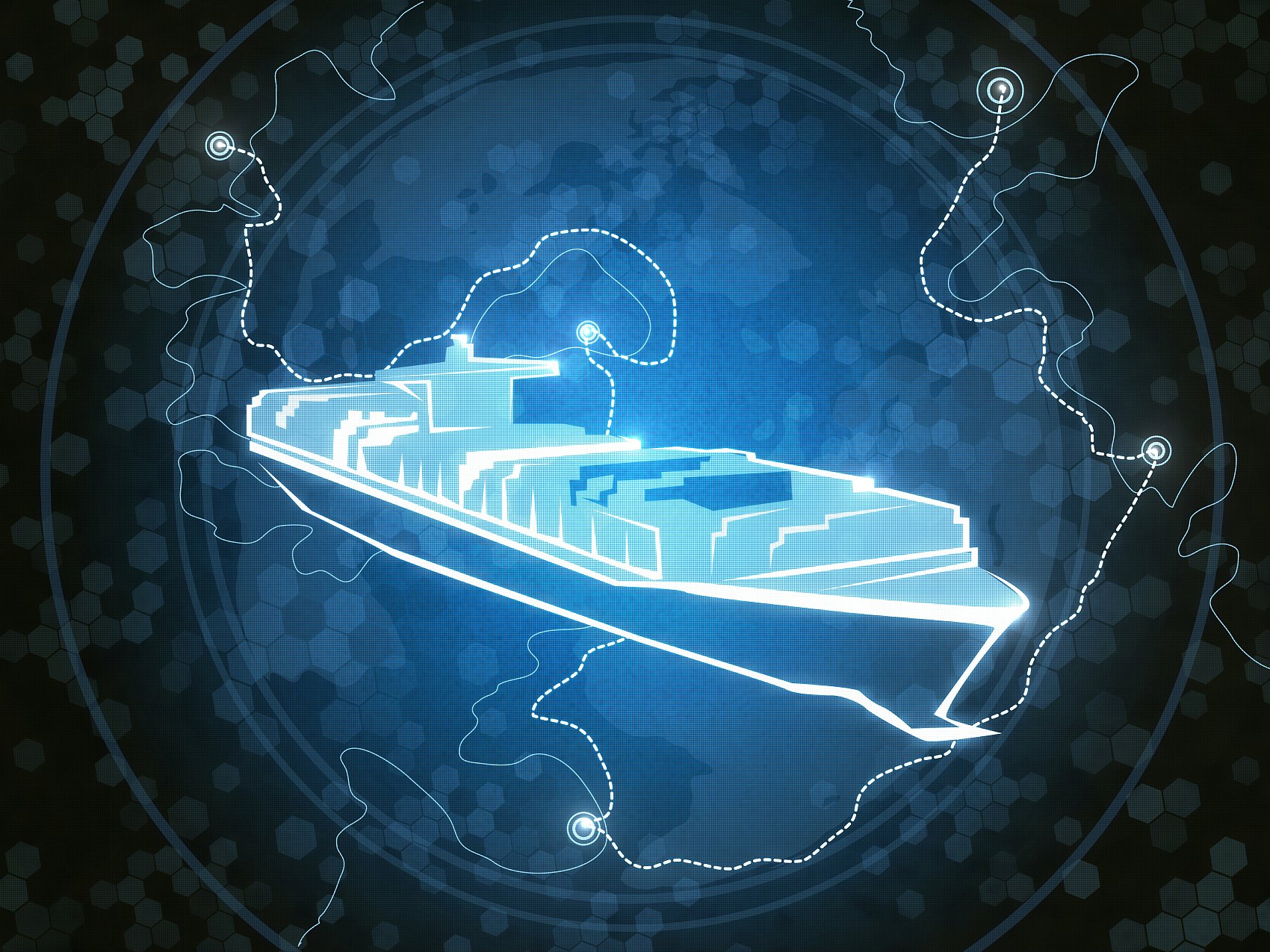
Selecting a professional Canada freight forwarding China import export company is essential for businesses navigating the complex logistics landscape of 2026. Top China Cargo provides comprehensive solutions that streamline your supply chain and reduce overhead costs. Consequently, importers can focus on growth while experts handle the intricacies of international transportation and regulatory compliance. Furthermore, the evolving trade dynamics between Asia and North America require a partner who understands both local Canadian requirements and Chinese manufacturing hubs.
What Services Does a Canada Freight Forwarding China Import Export Company Provide?
Reliable logistics providers offer a suite of services designed to bridge the gap between Chinese factories and Canadian warehouses. Moreover, these companies act as the primary intermediary, managing everything from initial cargo pickup to final mile delivery. Businesses operating in North America rely on these experts to mitigate risks associated with port congestion and fluctuating freight rates.

Comprehensive service offerings typically include cargo consolidation, insurance, and real-time tracking capabilities. Additionally, a specialized company will offer tailored advice on the most efficient routes based on current market conditions in 2026. Therefore, partnering with a knowledgeable forwarder ensures that your inventory arrives on schedule, maintaining your competitive edge in the retail or industrial market.
How Does Sea Freight Compare to Other Shipping Options?
Ocean transport remains the backbone of global trade due to its cost-effectiveness for high-volume shipments. For instance, utilizing sea freight allows businesses to move large quantities of goods at a fraction of the cost of air transport. However, the longer transit times require meticulous planning to avoid stockouts during peak seasons like the pre-holiday rush.
Alternatively, air freight provides a rapid solution for high-value or time-sensitive electronics and fashion items. While the cost per kilogram is significantly higher, the reduction in lead time can justify the expense for urgent inventory needs. Consequently, many companies adopt a hybrid strategy, using sea for bulk stock and air for emergency replenishment.
| Shipping Method | Cost Range | Transit Time | Best For |
|---|---|---|---|
| Sea Freight (FCL) | $2,200 – $3,800 | 18 – 35 Days | Bulk Inventory |
| Sea Freight (LCL) | $80 – $150 per CBM | 22 – 40 Days | Small Shipments |
| Air Freight | $6.50 – $11.00 per kg | 3 – 7 Days | Urgent Goods |
| Express Service | $9.00 – $15.00 per kg | 2 – 5 Days | Samples / Documents |
Optimizing Your Amazon FBA Strategy from China
Managing logistics for e-commerce requires a specialized approach to meet strict delivery windows and labeling requirements. Indeed, Amazon FBA services from China to Canada have become increasingly streamlined in 2026. Specialized forwarders handle the preparation, palletization, and direct delivery to fulfillment centers in cities like Toronto, Vancouver, and Calgary.
Furthermore, these experts understand the nuances of Canadian Amazon requirements, which differ slightly from those in the United States. Consequently, avoiding common mistakes in labeling or packaging can save importers thousands of dollars in storage fees and processing penalties. Therefore, choosing a forwarder with dedicated e-commerce experience is vital for maintaining a healthy seller rating and consistent product availability.
Navigating Customs Clearance and Documentation
Importing goods into Canada involves complex regulatory frameworks and specific documentation that must be accurately completed. Professional customs brokerage services ensure that all duties and taxes are calculated correctly according to the latest 2026 CBSA guidelines. Meanwhile, errors in HTS code classification can lead to significant delays and potential audits by government authorities.
Moreover, the implementation of new digital filing systems in 2026 has made speed and accuracy even more critical for modern importers. Consequently, having a representative who can communicate directly with customs officials helps resolve issues before they escalate. Reliable forwarders provide a comprehensive checklist of required documents to ensure a smooth transition through the border.
| Document Name | Purpose | Required By | Timing |
|---|---|---|---|
| Commercial Invoice | Value Declaration | CBSA | At Departure |
| Packing List | Cargo Verification | Carrier / Customs | At Departure |
| Bill of Lading | Title of Goods | Shipping Line | At Departure |
| Canada Customs Invoice | Duty Assessment | CBSA | At Arrival |
Real-World Logistics Scenarios and Results
Case Study 1: High-Volume Consumer Electronics. Route: Shenzhen, China to Toronto, Canada. Cargo: 1,200 units of smart home devices, 68 CBM. Container: 40HQ. Shipping Details: Direct sea freight via the Port of Prince Rupert to avoid Vancouver congestion. Cost Breakdown: Ocean freight $3,250, Origin charges $450, Destination charges $600. Total Landed Cost: $4,300 excluding duties. Timeline: 24 days door-to-door. Key Insight: Using Prince Rupert saved 5 days of rail transit compared to traditional routes.
Case Study 2: Seasonal Fashion Apparel. Route: Shanghai, China to Vancouver, Canada. Cargo: 450kg of premium garments. Shipping Method: Air Freight. Cost Breakdown: Air freight $4,050 ($9/kg), Customs clearance $150, Local delivery $200. Total Landed Cost: $4,400. Timeline: 5 days from factory pickup to warehouse. Key Insight: Rapid transit allowed the client to meet a surprise surge in market demand during the spring season.
Case Study 3: Small Business Furniture Import. Route: Ningbo, China to Montreal, Canada. Cargo: 12 CBM of office furniture. Container: LCL (Less than Container Load). Cost Breakdown: Freight $1,140 ($95/CBM), Documentation $250, Port fees $380. Total Landed Cost: $1,770. Timeline: 38 days. Key Insight: Consolidating with other shippers made the per-unit cost viable for a small enterprise startup.
How Does the Canada Route Compare to Other Shipping Options?
Analyzing the China to Canada route reveals unique advantages compared to shipping to the US or Europe. For example, Canadian ports like Prince Rupert offer some of the shortest transit times from Asia to North America. On the other hand, the inland rail infrastructure in Canada is highly integrated, allowing for efficient movement to landlocked provinces like Alberta and Saskatchewan.
Moreover, businesses must consider the cost-benefit ratio of different entry points. While Vancouver is the most common port, it often faces labor disruptions or seasonal congestion. Consequently, alternative strategies such as shipping via US West Coast ports and trucking across the border can sometimes provide more stability, though often at a higher cost. Hybrid solutions, such as sea-air via Singapore, remain a niche but effective strategy for high-value goods during peak port strikes.
| Strategy | Cost Impact | Time Impact | Best For |
|---|---|---|---|
| Direct to Vancouver | Standard Rates | 18-22 Days | General Cargo |
| Via Prince Rupert | Lowers Rail Cost | Saves 3-5 Days | Central/East Canada |
| Sea-Air Hybrid | Medium-High | 10-14 Days | Mid-Value Goods |
| US Transshipment | 15% Increase | Variable | Avoiding Port Strikes |
Which Option Should You Choose for Your Business?
Determining the right logistics path depends heavily on your budget, cargo volume, and required speed. If budget is your primary priority, sea freight FCL remains the undisputed leader for large shipments. However, if speed is the priority, air freight or express services are necessary to keep your supply chain moving. Furthermore, cargo type considerations like weight and fragility will dictate the handling requirements and packaging needs.
Volume thresholds also play a significant role in your decision. Typically, once a shipment exceeds 15 CBM, a full 20GP container becomes more economical than LCL. Therefore, calculating the total landed cost including all surcharges and local delivery fees is essential before booking. Market data suggests that rates in 2026 have stabilized, but seasonal spikes still occur between August and October, requiring early bookings.
Final Thoughts on Choosing a Canada Freight Forwarding China Import Export Company
Navigating the complexities of international trade requires a dedicated partner who understands the nuances of the Canada freight forwarding China import export company sector. By leveraging the right shipping methods and expert customs brokerage, businesses can significantly reduce transit times and operational costs. Whether you are shipping bulk industrial goods or managing a growing Amazon FBA store, the right logistics strategy is the foundation of your success in 2026. Remember to monitor market trends and maintain flexibility in your supply chain to adapt to the ever-changing global environment.

Need a tailored shipping solution?
Ready to optimize your supply chain with a leading Canada freight forwarding China import export company? Contact Top China Cargo today for a personalized quote and expert guidance on your next shipment. Visit our website to learn more about our comprehensive logistics solutions and start saving on your international shipping costs. Send Inquiry: Visit topchinacargo.com
Frequently Asked Questions
What is the average transit time from China to Canada in 2026?
Sea freight typically takes 18 to 35 days depending on the destination port. Air freight is much faster, usually arriving within 3 to 7 days.
How much does it cost to ship a 40ft container from China to Vancouver?
Current 2026 market rates for a 40HQ container range between $2,800 and $3,800, depending on the season and carrier capacity.
Do I need a customs broker for imports to Canada?
While not legally required for individuals, most businesses use a customs broker to ensure accurate duty payment and avoid costly CBSA delays.
What are the main ports for China to Canada shipping?
The primary entry points are the Port of Vancouver and the Port of Prince Rupert, with Montreal and Halifax serving the East Coast.
Is rail freight available for China to Canada routes?
No direct rail exists across the ocean. However, intermodal rail is used extensively to move cargo from Canadian ports to inland cities.
How are shipping rates affected by peak seasons?
Rates typically increase by 15% to 25% during the August to October period due to high demand for holiday inventory.
Can I ship small parcels via express from China to Canada?
Yes, express services like DHL or FedEx are ideal for samples or small parcels, taking approximately 2 to 5 business days.
What determines the total landed cost of an import?
Total landed cost includes the factory price, freight charges, insurance, customs duties, taxes, and local delivery fees.