


China to New Zealand Cargo Consolidation: 2026 Logistics Guide
Starting a business or managing inventory requires efficient logistics to maintain profitability in the competitive Kiwi market. Navigating the complexities of international trade often leads importers to seek specialized china to new zealand cargo consolidation solutions that balance speed and expense. This guide explores how you can streamline your supply chain and reduce overhead through smart consolidation strategies tailored for 2026.
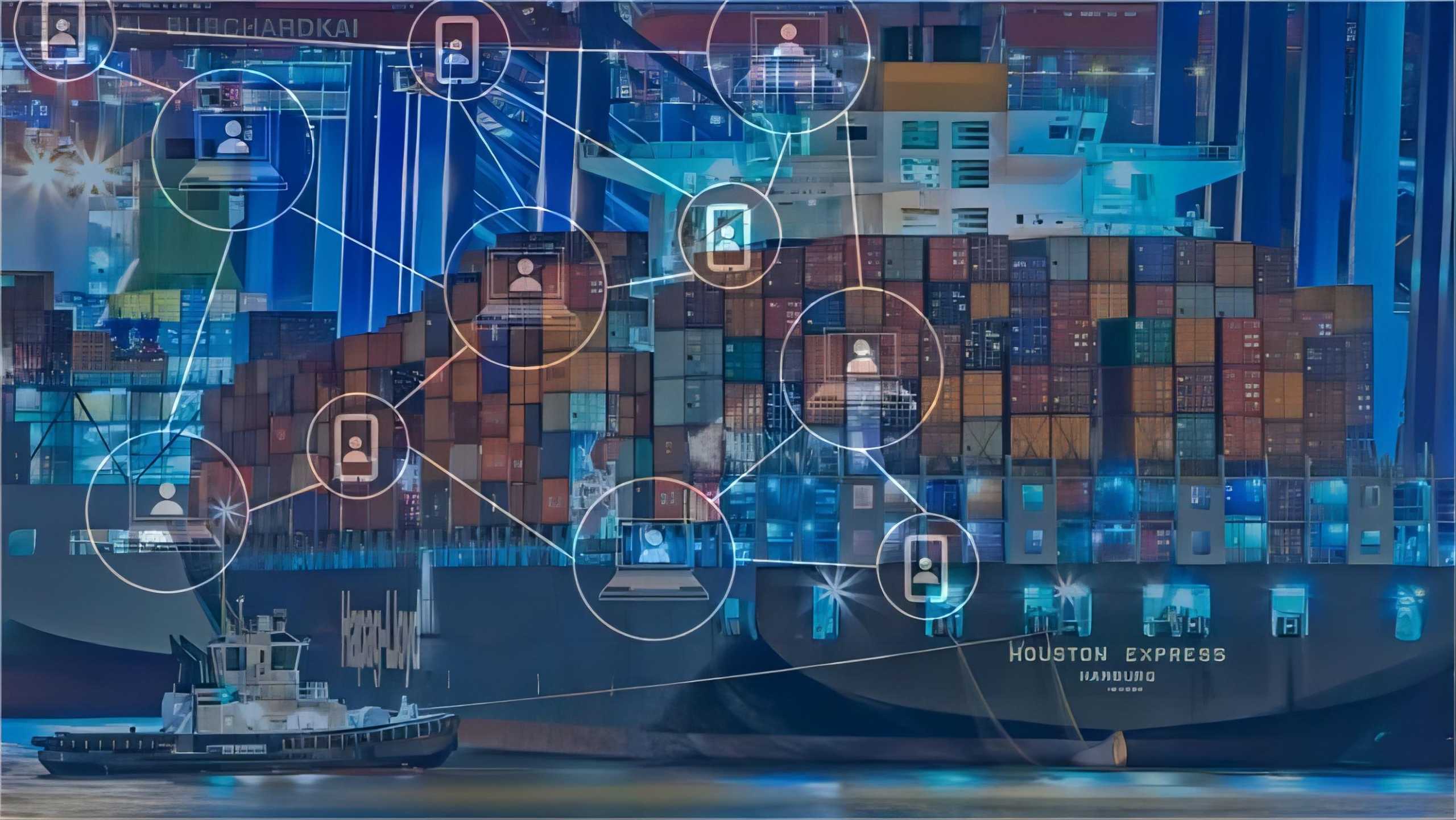
What is China to New Zealand Cargo Consolidation?
Cargo consolidation refers to the process where multiple small shipments from different suppliers are combined into a single shipping container. Consequently, this method allows importers to share the cost of a full container, making it ideal for those who do not have enough goods to fill a 20GP or 40HQ unit.
Importers frequently use this strategy to manage inventory levels without committing to massive bulk orders. Furthermore, by utilizing a centralized warehouse in China, businesses can gather products from various provinces before dispatching them to Auckland, Wellington, or Lyttelton.
Choosing this approach ensures that you only pay for the space your cargo occupies. Indeed, this Less than Container Load (LCL) model is a cornerstone of modern supply chain management for small to medium enterprises in New Zealand.
Why Choose Consolidation for Your NZ Imports?
Cost efficiency remains the primary driver for choosing consolidated shipping over other methods. Specifically, sea freight consolidation allows you to split the high fixed costs of ocean transport with other shippers, significantly lowering your per-unit landed cost.
Flexibility is another major advantage that consolidation offers to growing businesses. Therefore, you can ship smaller quantities more frequently, which helps in maintaining a lean inventory and improving cash flow throughout the fiscal year.
Safety and security are often enhanced when working with a professional logistics provider. Because goods are handled in professional consolidation centers, they are packed and secured using industry-standard techniques to prevent damage during the long Pacific transit.
How Does the Consolidation Process Work?
The journey begins at the supplier’s factory where goods are manufactured and prepared for transport. Subsequently, your freight forwarder arranges for the pickup and delivery of these items to a designated consolidation warehouse in major hubs like Shenzhen, Ningbo, or Shanghai.
Once at the warehouse, the logistics team inspects the packaging and measures the volume (CBM) and weight. Additionally, they group your items with other shipments bound for the same New Zealand destination to maximize container utilization.
Loading the container requires precision to ensure that fragile items are protected from heavier cargo. After the container is sealed, it is delivered to the port for export, where it undergoes standard customs procedures before beginning its ocean voyage.
How Does Cargo Consolidation Compare to Other Shipping Options?
Evaluating different transport methods is essential for optimizing your logistics budget. While consolidation is highly cost-effective, it may not always be the fastest option compared to direct air transport.
Moreover, the choice between LCL and Full Container Load (FCL) depends heavily on your total shipment volume. For instance, once your shipment exceeds 15 CBM, the cost of a full 20GP container often becomes more economical than paying for individual cubic meters in a shared container.
Below is a comparison of the primary shipping methods available for the China to New Zealand route in 2026.
| Shipping Method | Cost Range | Transit Time | Best For |
|---|---|---|---|
| LCL Consolidation | $80 – $150 per CBM | 18 – 25 Days | Small shipments 1-12 CBM |
| FCL (20GP) | $900 – $1,400 | 14 – 20 Days | Shipments over 15 CBM |
| Air Freight | $4.50 – $8.00 per kg | 3 – 7 Days | Urgent or high-value goods |
| Express Service | $8.00 – $12.00 per kg | 2 – 5 Days | Samples and documents |
Understanding 2026 Shipping Costs and Transit Times
Freight rates in early 2026 have stabilized following the global supply chain adjustments of previous years. Nevertheless, seasonal demand during the lead-up to the New Zealand summer peak can still cause price fluctuations of up to 20 percent.
Transit times for air freight remain consistent, typically ranging from 3 to 7 days depending on the carrier and route. On the other hand, sea freight transit times from South China to Auckland usually hover around 14 to 18 days, while shipments from North China may take up to 25 days.
Note: Freight rates are subject to change based on fuel costs, carrier capacity, and seasonal demand. Contact us for a current quote tailored to your specific shipment.
Which Option Should You Choose?
Budget priority dictates that you should almost always choose sea freight consolidation for non-urgent goods. If your margin is tight, the savings offered by LCL shipping can be the difference between profit and loss.
Speed priority requires a shift toward express service or standard air freight. When a product launch is imminent or a stock-out occurs, the higher cost of air transport is justified by the rapid delivery time.
Cargo type considerations also play a role in your decision-making process. For example, hazardous materials or extremely heavy machinery may have specific requirements that make FCL or specialized sea freight the only viable options.

Essential Customs Documentation for New Zealand
Navigating the New Zealand Customs Service requires accurate and timely documentation to avoid costly delays. Therefore, engaging a professional customs brokerage service is highly recommended for first-time and regular importers alike.
New Zealand has strict biosecurity laws managed by the Ministry for Primary Industries (MPI). Consequently, all wooden packaging must be treated and marked according to ISPM 15 standards to prevent the introduction of pests.
The following table outlines the standard documents required for importing consolidated cargo into New Zealand.
| Document Name | Purpose | Provider | Criticality |
|---|---|---|---|
| Commercial Invoice | Value declaration | Supplier | Mandatory |
| Packing List | Content details | Supplier | Mandatory |
| Bill of Lading | Title to goods | Carrier | Mandatory |
| Import Declaration | Customs clearance | Broker | Mandatory |
Real Case Studies: China to NZ Cargo Consolidation
Examining real-world scenarios helps illustrate the practical benefits and costs associated with consolidated shipping. These cases reflect typical market conditions observed in late 2025 and early 2026.
Case Study 1: E-commerce Electronics. Route: Shenzhen to Auckland. Cargo: Consumer electronics, 4 CBM, 800 kg. Shipping Method: LCL Sea Freight. Total Landed Cost: $1,150. Transit Time: 22 days door-to-door. Key Insight: Consolidating from three different Shenzhen suppliers into one LCL shipment saved the client $400 compared to individual shipping.
Case Study 2: Home Furniture. Route: Foshan to Wellington. Cargo: Flat-pack furniture, 12 CBM, 2,500 kg. Shipping Method: LCL Sea Freight. Total Landed Cost: $2,100. Transit Time: 28 days door-to-port. Key Insight: By using a consolidation warehouse, the importer avoided the cost of a full 20GP container which was quoted at $2,800 at the time.
Tips for Reducing Your Shipping Costs
Optimizing your packaging is one of the most effective ways to lower your LCL costs. Since consolidation is charged by volume, reducing the size of your boxes can lead to significant savings over time.
Planning your orders well in advance allows you to avoid the premium prices of peak seasons. Additionally, choosing door to door services can often be more economical as it bundles all logistics costs into a single, predictable rate.
Always request multiple quotes and verify the inclusions of each. Some forwarders may offer a low base rate but add excessive destination charges upon arrival in New Zealand.
Mastering Your New Zealand Imports
Successfully managing china to new zealand cargo consolidation requires a blend of strategic planning and reliable partnerships. By understanding the nuances of LCL shipping, customs requirements, and 2026 market trends, you can significantly enhance your business’s operational efficiency.
Whether you are shipping small electronics or large furniture orders, the consolidation model offers the flexibility and cost-savings necessary to thrive. Partner with a dedicated logistics expert to ensure your goods arrive safely and on time every time.
Ready to streamline your logistics?
Streamline your supply chain today with professional china to new zealand cargo consolidation services. Visit Top China Cargo to receive a competitive quote and expert guidance for your next shipment. Send Inquiry: Visit https://topchinacargo.com/
Request Quote