

China to Netherlands Shipping Cost Estimate Service: 2026 Freight Guide
Navigating the complexities of international logistics requires a reliable china to Netherlands shipping cost estimate service to maintain a healthy bottom line. Furthermore, businesses must account for shifting market dynamics and fuel surcharges that define the current trade landscape. Consequently, obtaining an accurate quote early in the procurement process allows for better financial planning and supply chain stability. In addition, understanding the various transport modes helps importers choose the most efficient path for their specific cargo needs.
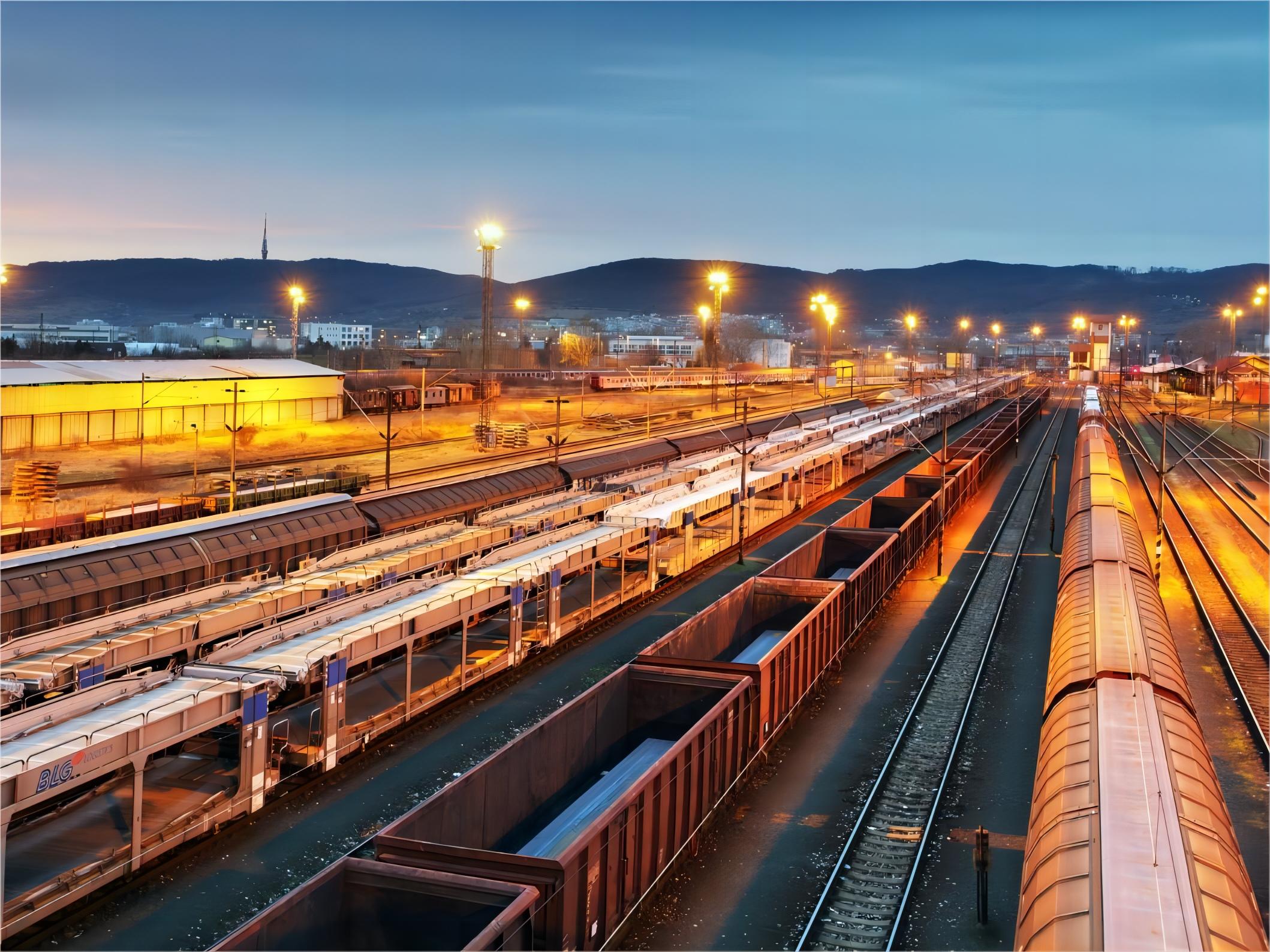
Why You Need a China to Netherlands Shipping Cost Estimate Service
Obtaining a detailed shipping cost estimate is the first step toward successful international trade between Asia and Europe. Moreover, market volatility in 2026 means that prices can fluctuate weekly based on carrier capacity and seasonal demand. Accurate estimates prevent unexpected expenses from eroding your profit margins during the final stages of delivery. Indeed, a professional service provides transparency regarding ocean freight, local port charges, and potential surcharges.
Reliable data allows you to compare different logistics strategies before committing to a specific carrier or route. Specifically, knowing the difference between port-to-port and door-to-door costs helps in negotiating better terms with suppliers. Furthermore, a comprehensive estimate includes often-overlooked fees like documentation, terminal handling, and security filings. As a result, your business can avoid the common pitfalls of underestimating the total landed cost of imported goods.
Key Factors Influencing 2026 Freight Rates
Several variables determine the final price you pay when moving goods from Chinese manufacturing hubs to the Netherlands. Firstly, fuel prices remain a primary driver, with carriers adjusting bunker surcharges to reflect global energy market shifts. Additionally, the choice between different transport modes significantly impacts the budget, as air freight commands a premium over traditional sea routes. Meanwhile, seasonal peaks like the pre-Lunar New Year rush can see rates spike by 20 percent or more.
Port congestion and equipment availability also play critical roles in defining the current pricing environment in 2026. For instance, high demand for 40HQ containers often leads to equipment imbalance surcharges in major ports like Ningbo or Shanghai. Moreover, labor costs at destination ports like Rotterdam influence the local handling fees that importers must settle upon arrival. Consequently, staying informed about these external factors is essential for any business relying on a steady flow of goods from China.
How Does Sea Freight Compare to Other Shipping Options?
While sea freight remains the most popular choice for bulk commodities, it is important to weigh its benefits against faster alternatives. Typically, ocean transport offers the lowest cost per unit, making it ideal for large shipments that are not time-sensitive. However, the transit time is significantly longer than air or rail, often requiring four to six weeks for a complete voyage. Therefore, businesses must plan their inventory cycles carefully to account for this extended lead time.
Alternative strategies involve using rail or air when deadlines are tight or cargo value is exceptionally high. In contrast to sea freight, air transport provides rapid delivery but at a cost that can be five to ten times higher. Meanwhile, rail freight offers a middle ground, providing faster transit than sea at a more manageable price point than air. Below is a detailed comparison of the primary methods used in 2026 for this specific trade lane.
| Sea Freight (FCL) | $3,200 – $4,500 | 30-40 Days | Bulk & Large Volume |
| Air Freight | $4.50 – $8.00/kg | 5-8 Days | Urgent & High Value |
| Rail Freight | $4,500 – $6,000 | 18-24 Days | Mid-sized Shipments |
| Express Service | $9.00 – $15.00/kg | 3-5 Days | Samples & Small Parcels |

Understanding Air Freight and Express Logistics
Choosing air freight is often the best decision for electronics, fashion, or perishable goods that require immediate market entry. Although the initial cost is higher, the reduced inventory holding costs and faster capital turnover can justify the investment. Furthermore, air cargo provides higher security and a lower risk of damage compared to long-haul sea voyages. Consequently, many high-tech companies prioritize speed over pure shipping cost savings.
Express services further streamline the process by offering integrated customs clearance and final-mile delivery. Indeed, for shipments under 100 kilograms, express carriers often provide the most competitive door-to-door rates. Additionally, the tracking capabilities of air and express services are far more granular than those of ocean carriers. As a result, shippers gain peace of mind knowing exactly where their high-value assets are at any given moment.
The Rise of Rail Freight to the Netherlands
The development of the Iron Silk Road has made rail freight a viable and increasingly popular option for Dutch importers. Specifically, the route from Xi’an or Chengdu to Tilburg or Rotterdam offers a significant time saving over sea freight while remaining cost-effective. Moreover, rail transport is considered more environmentally friendly than air freight, appealing to companies with strict sustainability targets. Therefore, it serves as an excellent hybrid solution for modern supply chains.
Typical rail transit times range from 18 to 24 days, which is roughly half the time of a standard ocean voyage. However, rail capacity is more limited than sea freight, meaning space must be booked well in advance during peak periods. In addition, rail rates are generally more stable than ocean spot rates, providing better budget predictability for long-term projects. Consequently, many European retailers are shifting a portion of their annual volume to rail to balance speed and cost.
Customs Clearance and Dutch Import Regulations
Navigating the legal requirements for entering the European market requires expert customs brokerage services to avoid costly delays. Specifically, every importer must have a valid EORI number and ensure that all product certifications meet EU standards. Furthermore, the Netherlands serves as a major gateway to Europe, meaning customs officials are highly efficient but very strict regarding documentation. Consequently, errors in your commercial invoice or packing list can lead to significant storage fees at the port.
Understanding the Value Added Tax (VAT) and import duty structures is also crucial for an accurate cost estimate. In the Netherlands, the standard VAT rate is 21 percent, though many businesses utilize Article 23 licenses to defer VAT payment at the point of import. Moreover, anti-dumping duties may apply to certain Chinese products, which can drastically change the financial feasibility of a shipment. As a result, consulting with a professional broker before shipping is always recommended to ensure full compliance.
| Commercial Invoice | Valuation of goods | Customs | Must match packing list |
| Packing List | Cargo details | Port/Customs | Specific weights/dims |
| Bill of Lading | Title to goods | Carrier | Original or Telex |
| Certificate of Origin | Duty determination | Customs | Form A or CO |
Real-World Case Studies for 2026 Shipments
Examining real-world scenarios provides valuable insight into how different shipping methods perform in the current market. These examples reflect actual shipments handled during the first half of 2026, showcasing the balance of cost and speed. To illustrate, a recent LCL shipment from Shenzhen to Rotterdam highlights the efficiency of consolidated ocean freight for smaller businesses. Meanwhile, a rail shipment from Xi’an demonstrates the reliability of the trans-Eurasian land bridge for industrial components.
Case Study 1: Electronics from Shenzhen to Rotterdam. Cargo: 2 CBM, 450kg. Method: Sea Freight LCL. Port of Loading: Shenzhen. Port of Discharge: Rotterdam. Ocean Freight: $420. Origin Charges: $150. Destination Charges: $210. Total Landed Cost (excluding tax): $780. Transit Time: 37 Days. Key Insight: Consolidating cargo saved the client 60 percent compared to air freight while meeting a flexible deadline.
Case Study 2: Fashion Apparel from Shanghai to Amsterdam. Cargo: 150kg. Method: Air Freight. Port of Loading: Shanghai Pudong. Port of Discharge: Schiphol. Air Freight: $975. Handling Fees: $120. Total Landed Cost: $1,095. Transit Time: 6 Days. Key Insight: Rapid delivery allowed the retailer to restock a best-selling item before the weekend peak, maximizing sales revenue.
Case Study 3: Industrial Machinery from Xi’an to Tilburg. Cargo: 12 CBM. Method: Rail Freight. Origin: Xi’an Terminal. Destination: Tilburg Rail Hub. Rail Freight: $2,400. Local Delivery: $350. Total Landed Cost: $2,750. Transit Time: 21 Days. Key Insight: Rail provided a 15-day advantage over sea freight, which was critical for a factory production line restart.

Which Option Should You Choose? Decision Framework
Deciding on the right shipping method depends on your specific priorities regarding budget, speed, and the nature of your products. If your primary goal is cost reduction and you have a high volume of goods, sea freight is the clear winner. On the other hand, if you are shipping high-value electronics or urgent medical supplies, the speed of air freight justifies the expense. Furthermore, rail freight should be your go-to option when sea is too slow but air is too expensive.
Consider the following thresholds when making your choice. For shipments under 0.5 CBM, express services are usually the most economical. For cargo between 1 CBM and 15 CBM, LCL sea freight or rail freight offers the best value. Once you exceed 20 CBM, booking a full container (FCL) becomes the most cost-effective strategy. Consequently, aligning your shipment volume with the right transport mode is the most effective way to optimize your logistics spend.
Cost-Saving Strategies for Dutch Importers
Reducing your total logistics spend requires a proactive approach and a deep understanding of shipping from China to Europe. One effective strategy is to optimize your packaging to reduce the volumetric weight of your cargo, especially for air freight. Additionally, consolidating multiple small orders from different suppliers into a single LCL or FCL shipment can significantly lower your per-unit shipping cost. Moreover, booking your shipments at least 2-3 weeks in advance helps you secure better rates and guaranteed space.
Another often-overlooked strategy is to negotiate Incoterms that give you more control over the shipping process. Specifically, buying on EXW or FOB terms allows you to choose your own freight forwarder and avoid hidden markups from suppliers. Furthermore, using a VAT deferment license in the Netherlands can improve your company’s cash flow by delaying tax payments. As a result, these small adjustments can lead to substantial annual savings for regular importers. Note: Freight rates are subject to change based on fuel costs, carrier capacity, and seasonal demand. Contact us for a current quote tailored to your specific shipment.
Final Thoughts on Shipping to the Netherlands
Successfully managing imports from China requires a blend of strategic planning and real-time market intelligence. By utilizing a professional China to Netherlands shipping cost estimate service, you gain the clarity needed to make informed decisions. Whether you choose the speed of air, the economy of sea, or the balance of rail, understanding the underlying costs is essential for long-term success.
Furthermore, partnering with an experienced freight forwarder ensures that your documentation is handled correctly and your goods clear customs without delay. As the trade environment continues to evolve in 2026, staying flexible and informed remains your greatest competitive advantage. Start your next shipment with confidence by securing an accurate estimate today.

Need a tailored shipping solution?
Ready to optimize your supply chain with a precise China to Netherlands shipping cost estimate service? Contact Top China Cargo today for a tailored quote that meets your specific budget and timeline requirements. Our team of experts is standing by to help you navigate the 2026 logistics landscape with ease. Visit our website or send an inquiry to get started now.