

Third Party Logistics New Zealand: The 2026 Guide to Shipping
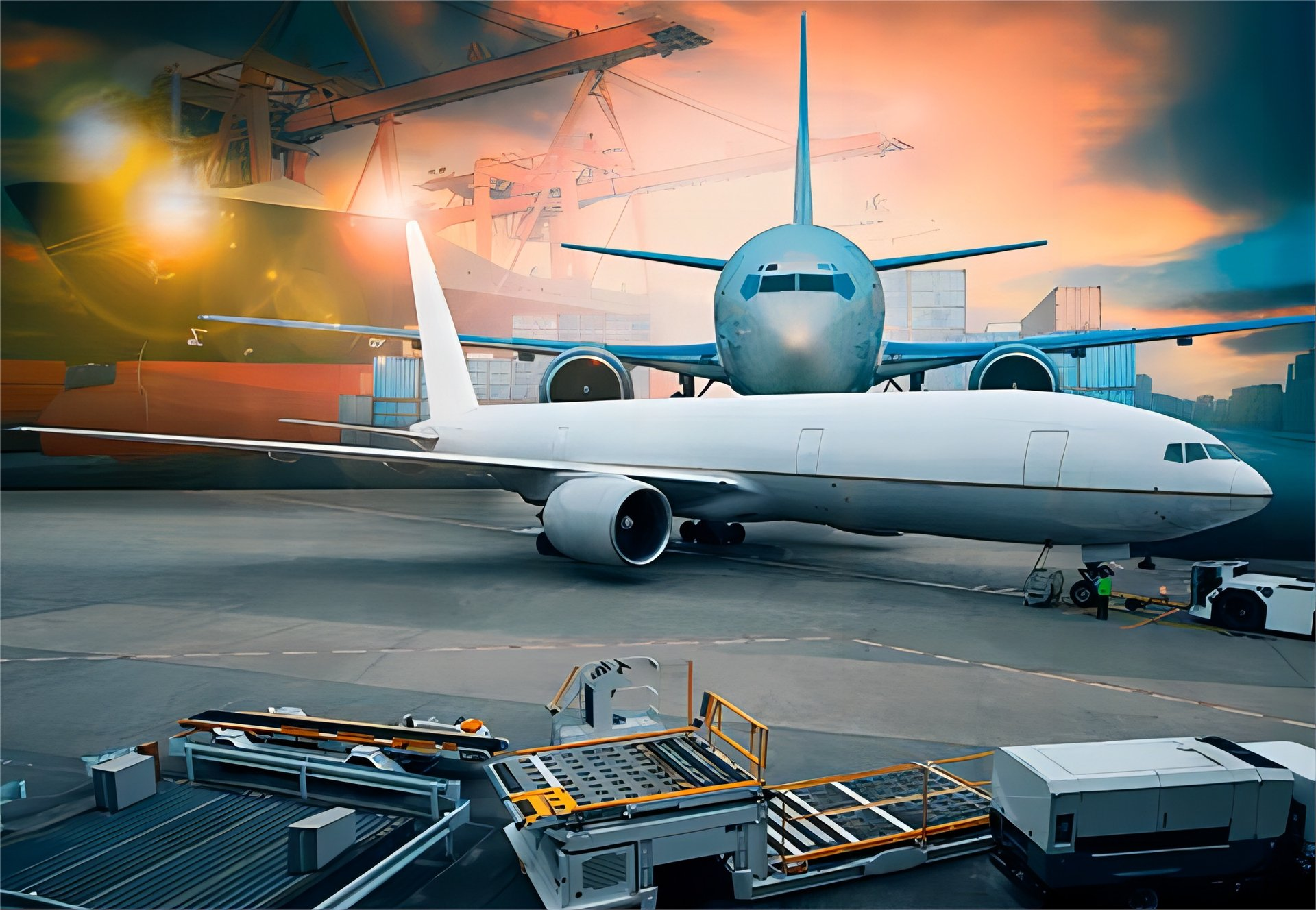
Optimizing your supply chain with professional third party logistics New Zealand services is essential for maintaining a competitive edge in 2026. By partnering with Top China Cargo, businesses can effectively manage the complexities of international trade and local distribution. This comprehensive guide explores how 3PL providers transform the efficiency of importing goods from China to the New Zealand market. Whether you are a small e-commerce startup or a large enterprise, understanding these logistics frameworks will significantly reduce your operational overhead.
What is Third Party Logistics New Zealand?
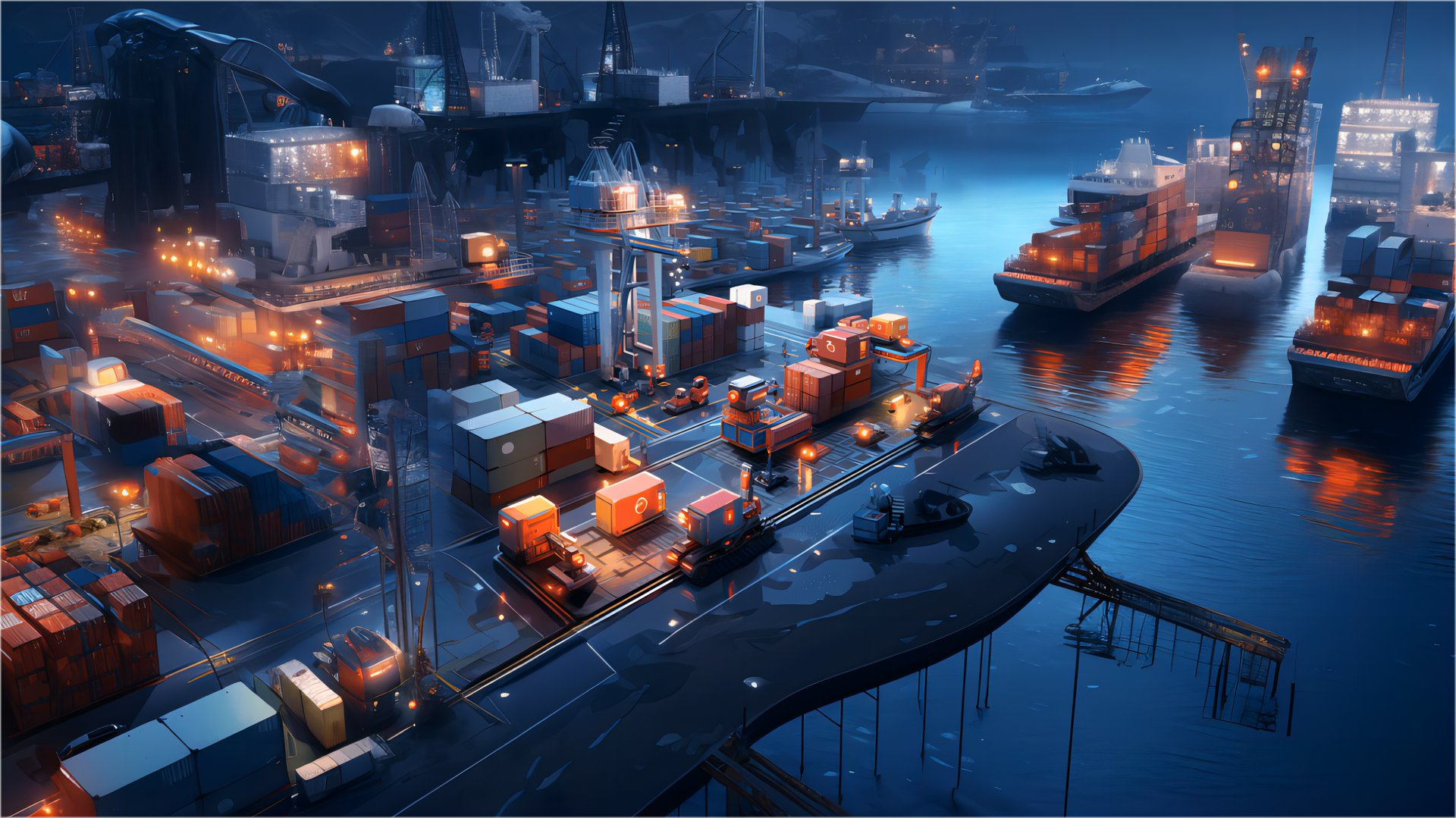
Third party logistics New Zealand refers to the outsourcing of e-commerce logistics and supply chain management functions to an external provider. These providers handle everything from inventory management and warehousing to transportation and final delivery. Consequently, businesses can focus on their core competencies like product development and marketing while experts manage the physical flow of goods.
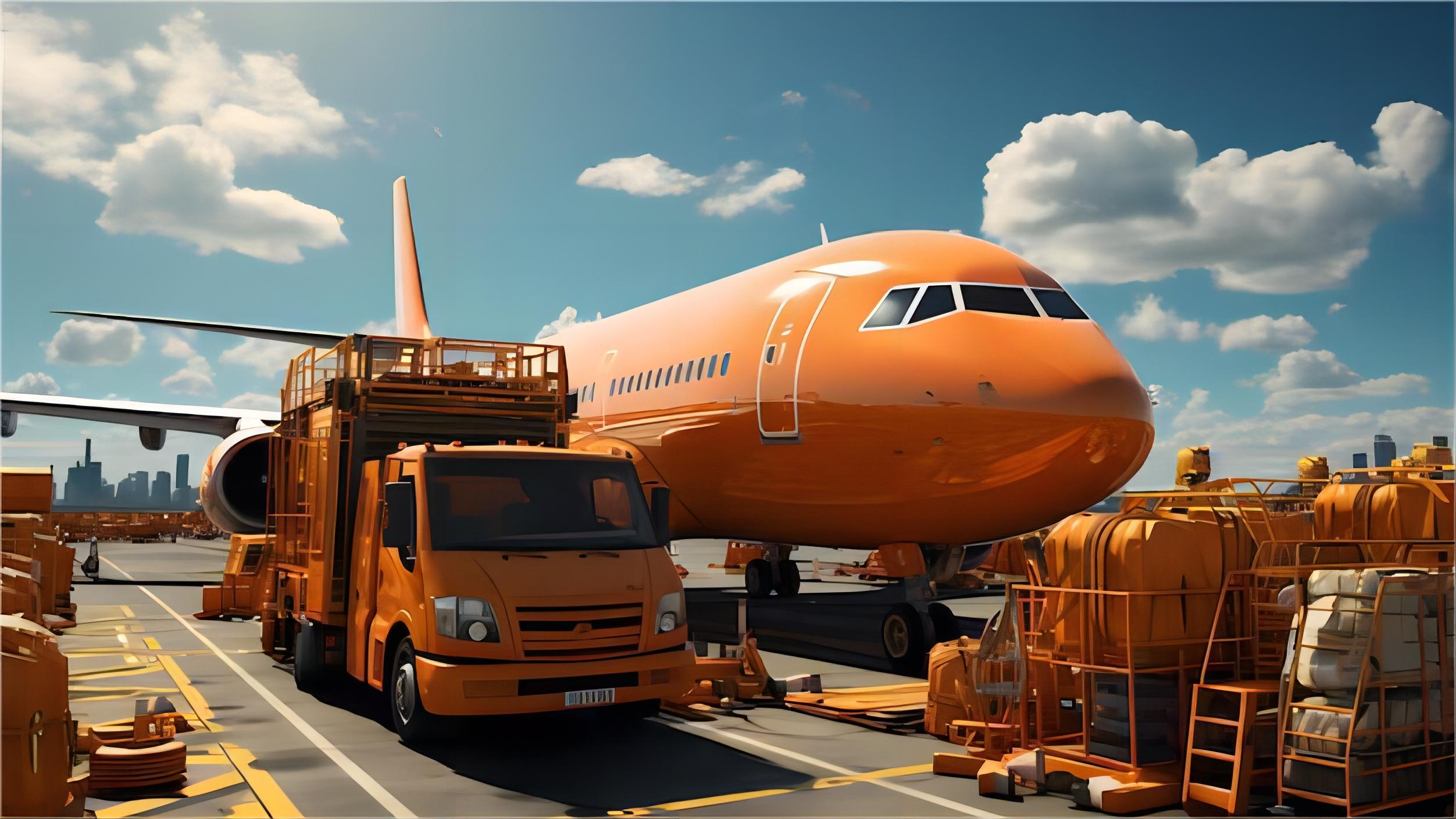
In 2026, the logistics landscape has evolved to include advanced tracking technologies and automated sorting systems. These innovations ensure that shipments from major Chinese hubs reach New Zealand ports with minimal delays. Furthermore, a reliable 3PL partner acts as an extension of your own team, providing the infrastructure needed for rapid scaling.
Choosing a local expert for third party logistics New Zealand ensures that your business complies with specific regional regulations and standards. This local knowledge is invaluable for navigating the unique geographic challenges of the North and South Islands. Additionally, localized warehousing allows for faster last-mile delivery to customers in Auckland, Wellington, and Christchurch.
How Does Sea Freight Compare to Other Shipping Options?
When evaluating third party logistics New Zealand strategies, choosing the right transportation mode is the most critical decision for your budget. While sea freight remains the most popular choice for bulk shipments, other methods offer speed advantages. Businesses must weigh the trade-offs between transit time and total landed cost to maintain healthy margins.
Moreover, the current market in 2026 shows that sea freight rates have stabilized, making it the most economical choice for heavy machinery and large consumer goods. In contrast, air freight is reserved for high-value electronics or urgent inventory restocks. We also see a rise in hybrid sea-air solutions that balance cost and speed for mid-range products.
Indeed, rail freight is not a viable option for the China-New Zealand route due to the oceanic geography. Therefore, importers must focus on optimizing their sea and air strategies. The following table provides a clear comparison of the primary shipping methods available for the New Zealand market.
| Shipping Method | Cost Range (2026) | Transit Time | Best For |
|---|---|---|---|
| Sea Freight (FCL) | $1,500 – $2,800 | 18 – 25 Days | Bulk inventory |
| Sea Freight (LCL) | $80 – $150 per CBM | 22 – 30 Days | Small shipments |
| Air Freight | $4.50 – $9.00 per kg | 3 – 7 Days | Urgent/High-value |
| Express Service | $8.00 – $15.00 per kg | 2 – 5 Days | Samples/Documents |
The Role of Customs Brokerage in New Zealand Logistics
Navigating the regulatory environment is a cornerstone of effective third party logistics New Zealand management. Utilizing a professional customs brokerage service prevents costly delays at the border. These experts ensure that all documentation, including the Bill of Lading and Commercial Invoice, meets New Zealand Customs Service requirements.
Furthermore, 2026 regulations have introduced stricter biosecurity measures to protect New Zealand’s unique ecosystem. Consequently, 3PL providers now offer specialized cleaning and inspection services for high-risk cargo. Failure to comply with these rules can result in significant fines and the destruction of imported goods.
Additionally, a skilled broker can help you identify opportunities for duty drawbacks or concessions under free trade agreements. This financial optimization is a key benefit of outsourcing your logistics to a specialized firm. By streamlining the clearance process, you ensure that your goods move from the port to the warehouse without unnecessary pauses.
Which Option Should You Choose for Your Business?
Selecting the ideal logistics path depends on your specific business priorities and cargo characteristics. If your primary goal is budget priority, then sea freight remains the undisputed leader for large volumes. However, if speed priority is the main concern for a product launch, air freight is the necessary choice despite the higher cost.
Consider the volume thresholds when switching between methods; for instance, shipments over 15 CBM usually justify a full container load. On the other hand, smaller parcels are better suited for LCL or express services to avoid paying for unused space. Hybrid solutions, such as shipping to a regional hub like Australia before final transit to NZ, can sometimes offer unique cost-saving opportunities.
Logistics trends in 2026 suggest that cargo handling efficiency is just as important as the transit time itself. Therefore, you should evaluate the warehouse capabilities of your 3PL partner. Ensure they can handle your specific cargo type, whether it requires temperature control, fragile handling, or oversized storage solutions.
Efficient Door to Door Solutions for Importers
Modern third party logistics New Zealand providers now emphasize comprehensive door to door services. This model simplifies the entire process by providing a single point of contact from the Chinese factory to the Kiwi doorstep. As a result, business owners spend less time coordinating between multiple carriers and more time on growth.
Meanwhile, the integration of real-time tracking allows you to monitor your shipment’s progress through every milestone. This transparency is vital for managing customer expectations and planning marketing campaigns. Indeed, the peace of mind provided by a managed end-to-end solution is often worth the modest premium in service fees.
Moreover, door-to-door services often include the final mile delivery, which can be the most complex part of the journey. Professional 3PLs utilize local courier networks to ensure that packages reach even the most remote parts of New Zealand. Consequently, your brand can offer a consistent delivery experience nationwide.
Real World Case Studies for NZ Importers
Analyzing real-world scenarios helps in understanding the practical application of third party logistics New Zealand strategies. These cases illustrate the balance between shipping costs, transit times, and operational challenges. Below are two detailed examples based on typical 2026 market conditions and actual shipping routes.
Case Study 1: Electronics Distribution Route: Shenzhen, China to Auckland, NZ Cargo: Smart Home Devices, 12 CBM, 1,800 kg Container: LCL (Less than Container Load) Shipping Details: – Carrier: Major Ocean Carrier – Port of Loading: Shenzhen – Port of Discharge: Auckland – Route Type: Direct Cost Breakdown: – Ocean Freight: $1,450 – Origin Charges: $320 – Destination Charges: $450 – Customs and Duties: $850 – Total Landed Cost: $3,070 Timeline: – Booking to Loading: 3 days – Sea Transit: 19 days – Customs Clearance: 2 days – Total Door-to-Door: 24 days Key Insight: Using LCL allowed the client to maintain high inventory turnover without the cost of a full container.
Case Study 2: Retail Apparel Expansion Route: Shanghai, China to Christchurch, NZ Cargo: Seasonal Clothing, 40HQ Container Container: 40HQ Full Container Shipping Details: – Carrier: COSCO Shipping – Port of Loading: Shanghai – Port of Discharge: Lyttelton (Christchurch) – Route Type: Transshipment via Singapore Cost Breakdown: – Ocean Freight: $2,400 – Origin Charges: $400 – Destination Charges: $600 – Customs and Duties: $1,200 – Total Landed Cost: $4,600 Timeline: – Booking to Loading: 5 days – Sea Transit: 28 days – Customs Clearance: 3 days – Total Door-to-Door: 36 days Key Insight: Planning for seasonal variations and using transshipment saved the client 15% on freight costs compared to direct peak-season routes.
Optimizing Amazon FBA and E-commerce Logistics
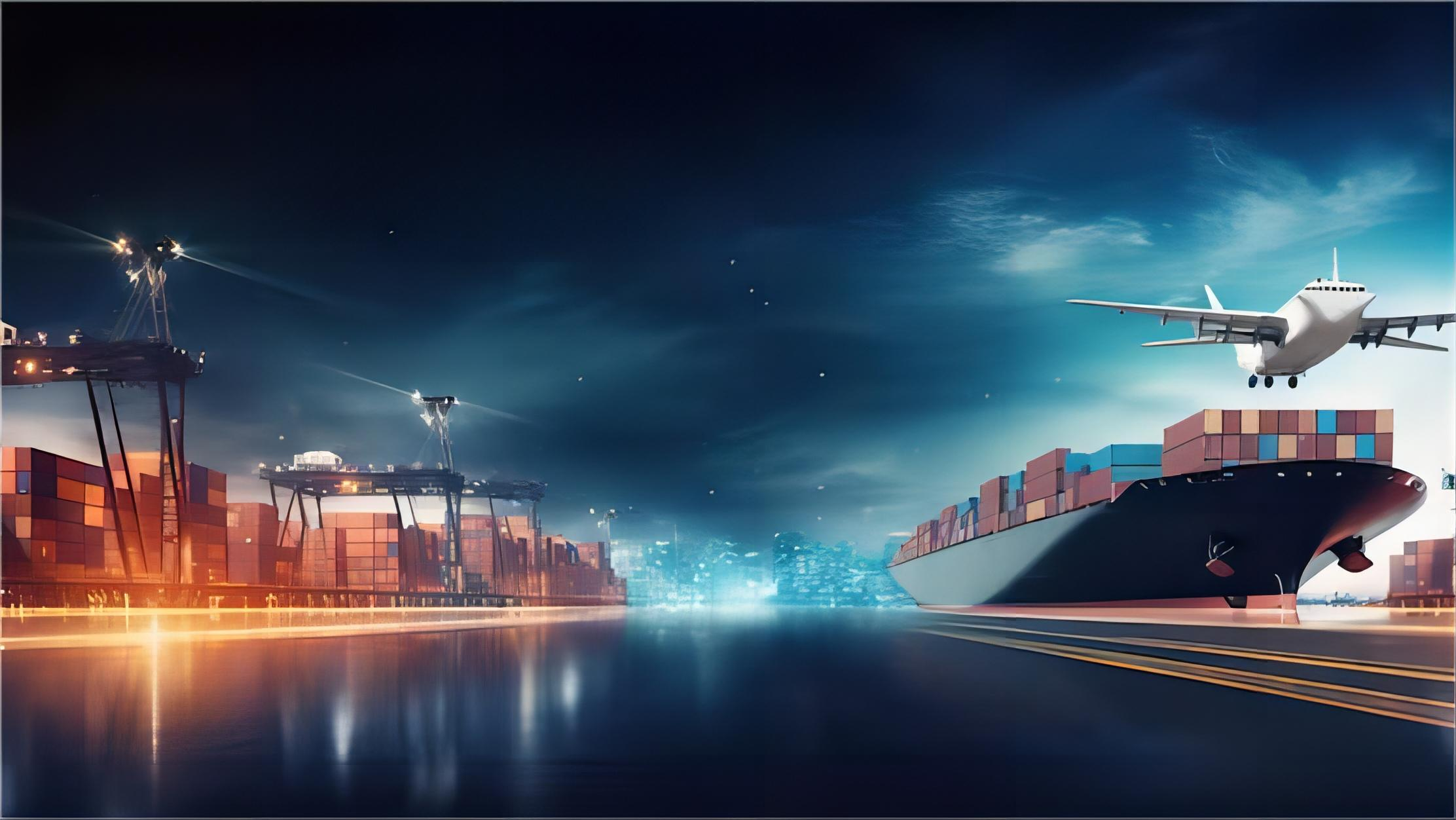
For digital entrepreneurs, specialized Amazon FBA logistics are a game changer in the New Zealand market. A 3PL provider can handle the strict labeling and packaging requirements mandated by fulfillment centers. Consequently, you avoid the risk of inventory rejection and additional processing fees.
Furthermore, e-commerce success in 2026 relies heavily on rapid replenishment and accurate inventory forecasting. Third party logistics New Zealand partners provide the data analytics needed to prevent stockouts during peak shopping periods. This proactive approach ensures that your listings remain active and your search rankings stay high.
Additionally, many 3PLs now offer multi-channel fulfillment, allowing you to sell on Trade Me, Shopify, and Amazon simultaneously. By centralizing your inventory in one New Zealand warehouse, you reduce the complexity of managing multiple stock pools. This efficiency directly translates to improved profit margins and better customer service ratings.
Cost Saving Strategies for New Zealand Shipping
Reducing your shipping costs requires a strategic approach to procurement and cargo consolidation. One effective method is to consolidate orders from multiple Chinese suppliers into a single shipment. This reduces the fixed costs associated with documentation and port handling for each individual order.
Moreover, businesses should pay close attention to the delivery schedule and avoid shipping during peak periods like the weeks leading up to Chinese New Year. During these times, freight rates can spike by 20% to 30% due to increased demand and limited carrier capacity. Planning your inventory cycles to avoid these windows can result in significant annual savings.
Note: Freight rates are subject to change based on fuel costs, carrier capacity, and seasonal demand. Contact us for a current quote tailored to your specific shipment. Industry benchmarks suggest that regular shippers can often negotiate better rates by committing to consistent volumes with a single provider.
| Document Type | Purpose | Required For | Typical Cost |
|---|---|---|---|
| Bill of Lading | Title of goods | All Sea Shipments | Included |
| Commercial Invoice | Value declaration | Customs Clearance | Free |
| Packing List | Cargo details | Warehouse/Customs | Free |
| Import Declaration | Legal entry | NZ Customs | $50 – $150 |
Mastering Your New Zealand Logistics Strategy
In conclusion, mastering third party logistics New Zealand is the key to unlocking sustainable growth and operational efficiency in 2026. By choosing the right mix of sea and air freight, and leveraging the expertise of a professional customs broker, you can navigate the complexities of international trade with confidence. Remember that the cheapest option is not always the most cost-effective if it leads to delays or damaged goods.
As market conditions continue to evolve, staying informed about logistics trends and maintaining a flexible supply chain will be your greatest advantages. Partnering with an experienced provider like Top China Cargo ensures that your business is prepared for whatever the future of trade holds. Start optimizing your shipping processes today to ensure your products reach New Zealand customers faster and more reliably than ever before.
Need a tailored shipping solution?
Take control of your supply chain today with the most reliable third party logistics New Zealand has to offer. Our team is ready to provide you with a customized quote that meets your specific budget and timeline requirements. Contact Top China Cargo to streamline your imports and grow your business in 2026. Send Inquiry: https://topchinacargo.com/contact-us/