

China to Australia Rail Freight Alternative: 2026 Shipping Guide
Finding a reliable china to australia rail freight alternative is a top priority for businesses navigating the complex logistics landscape of 2026. Because a direct rail connection between these two regions is geographically impossible, importers must pivot to advanced maritime and aerial solutions. This guide explores the most efficient shipping methods to ensure your supply chain remains resilient and cost-effective throughout the coming year.
Why Seek a China to Australia Rail Freight Alternative?
Geographical constraints make a direct transcontinental railway between China and Australia physically impossible due to the vast ocean separation. Consequently, businesses that traditionally rely on rail for Eurasian routes must identify a suitable china to australia rail freight alternative to maintain their inventory flow. Furthermore, the 2026 market demands more flexibility than ever before as global trade patterns continue to shift rapidly.
Maritime transport serves as the primary substitute for rail, offering massive capacity and lower costs for bulk shipments. Meanwhile, air transport provides the speed that rail usually offers on land-based routes, making it a critical component of modern logistics. Understanding the nuances of each method allows you to optimize your budget while meeting strict delivery deadlines.
How Does Sea Freight Compare to Other Shipping Options?
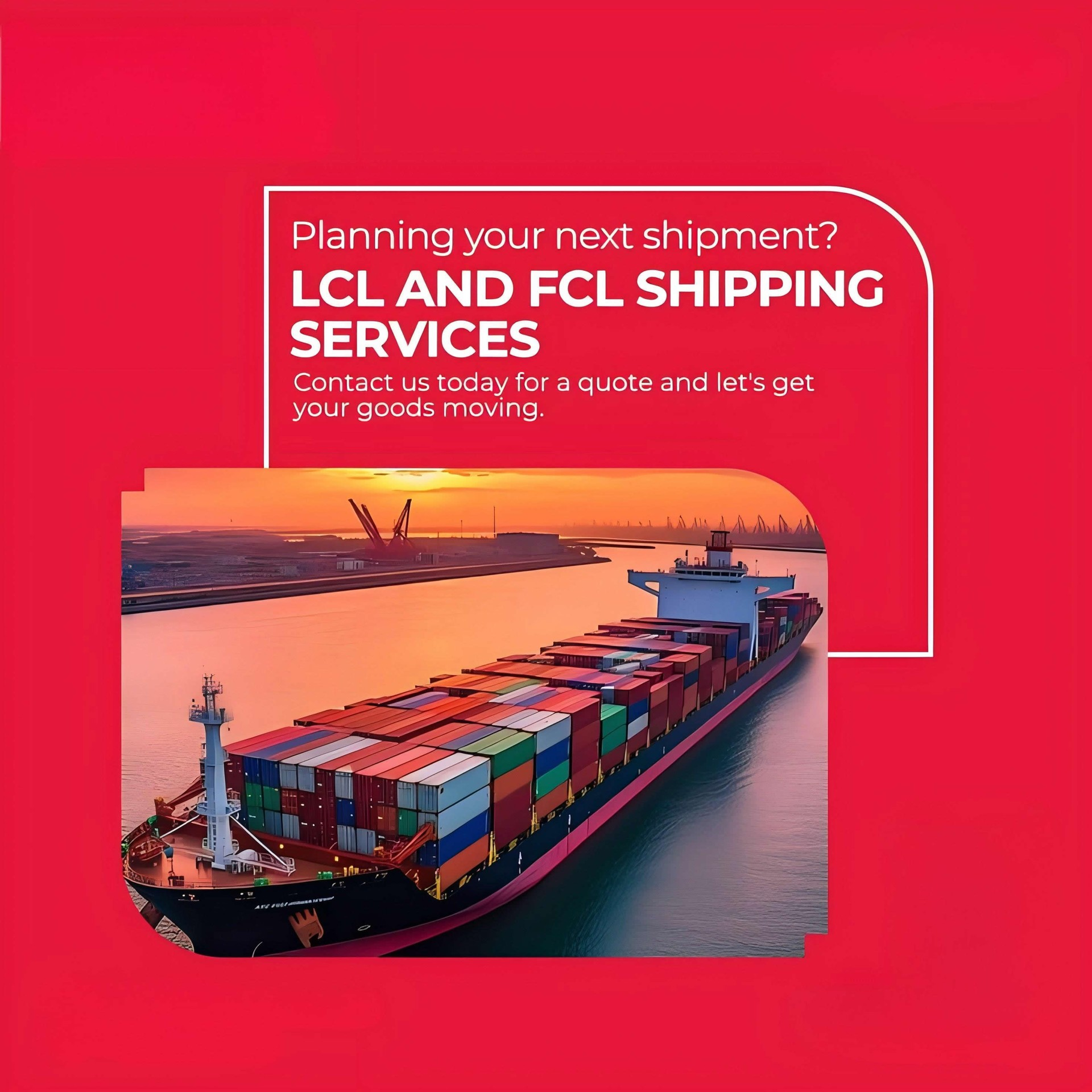
Ocean transport remains the most popular china to australia rail freight alternative because of its unmatched cost-efficiency for large volumes. Specifically, sea freight allows businesses to move thousands of containers annually with a significantly lower carbon footprint than air travel. As of early 2026, freight rates have stabilized, providing a predictable environment for long-term planning.
In contrast to rail, sea freight involves complex port operations and longer transit times that require meticulous scheduling. Nevertheless, the introduction of express sea routes has narrowed the gap, offering faster arrivals at premium rates. Choosing between Full Container Load (FCL) and Less than Container Load (LCL) further allows for tailored logistics strategies.
| Shipping Method | Cost Range (USD) | Transit Time | Best For |
|---|---|---|---|
| Sea Freight (FCL) | $1,400 – $2,100 | 12-18 Days | Bulk Goods |
| Air Freight | $4.50 – $8.00/kg | 3-7 Days | High Value |
| Express Service | $7.00 – $12.00/kg | 2-4 Days | Urgent Samples |
| Multi-modal | $2,500 – $3,500 | 10-15 Days | Inland Cargo |

Is Air Freight a Viable China to Australia Rail Freight Alternative?
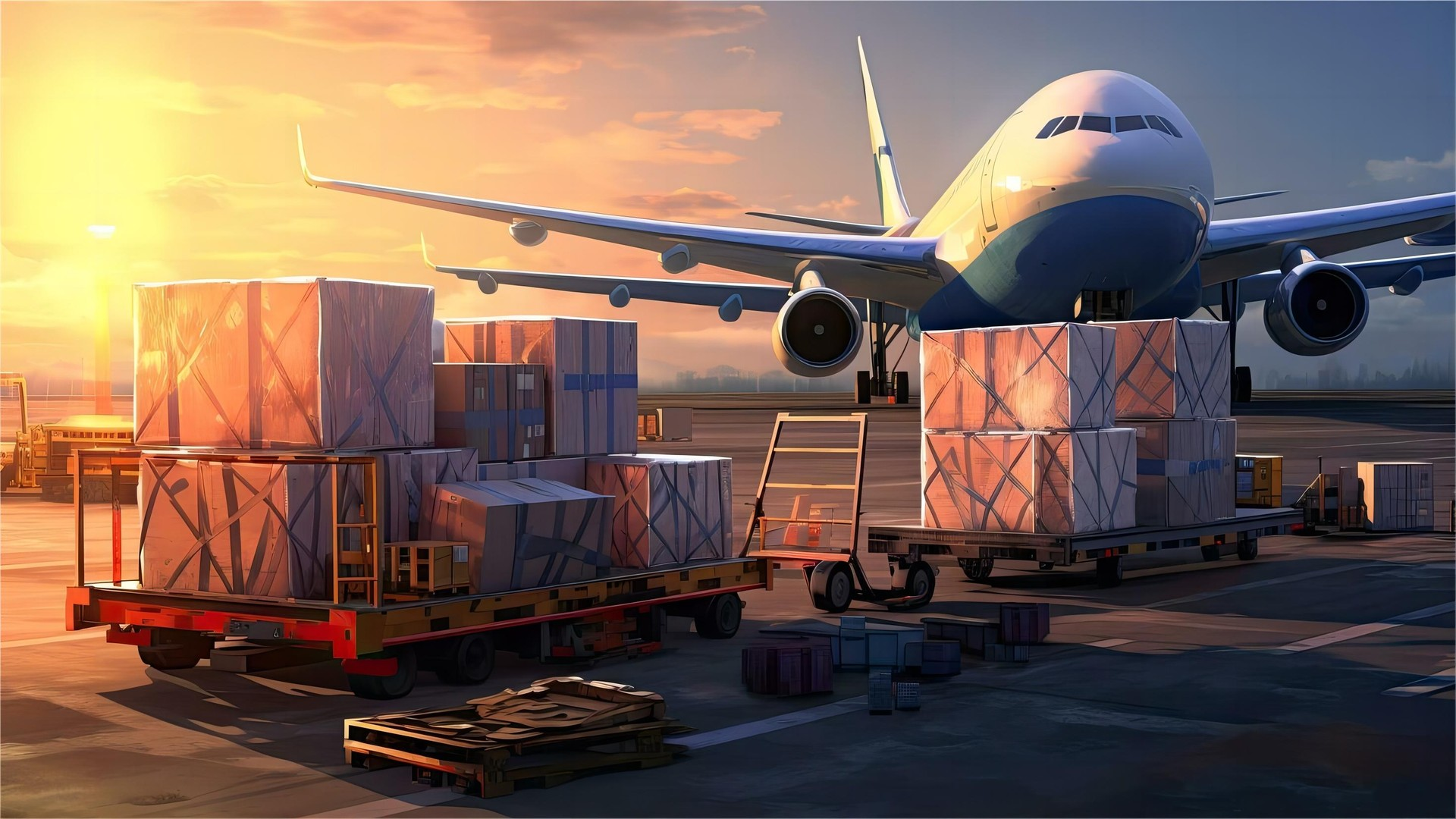
When speed is the most critical factor, air freight stands out as the ultimate china to australia rail freight alternative. Although the costs are higher, the rapid transit time of 3 to 7 days ensures that high-demand products reach the Australian market without delay. Indeed, many electronics and fashion retailers prefer this method to keep up with fast-moving consumer trends in 2026.
Additionally, air transport offers enhanced security and a lower risk of damage for sensitive cargo. However, businesses must weigh these benefits against the higher environmental impact and strict weight limitations. Therefore, it is often used as a strategic supplement to ocean freight rather than a total replacement for all inventory.
Optimizing Your Supply Chain with Door to Door Services
Implementing a door to door strategy simplifies the entire process of importing from China. By using this china to australia rail freight alternative, you eliminate the need to manage multiple intermediaries and local transport providers. As a result, the risk of communication errors and cargo delays is significantly reduced throughout the journey.
Professional logistics providers handle everything from factory pickup in China to final delivery in major Australian cities like Sydney or Melbourne. Moreover, this comprehensive service often includes integrated tracking, giving you real-time visibility into your shipment’s progress. Consequently, you can focus on your core business operations while experts manage the logistical heavy lifting.
Navigating Customs and Compliance for Australian Imports
Successful shipping requires more than just choosing a china to australia rail freight alternative; it demands strict adherence to Australian border regulations. Utilizing a professional customs brokerage ensures that all documentation is accurate and duties are paid on time. In 2026, the Australian Border Force has implemented stricter biosecurity measures that require expert handling.
Furthermore, certain products may qualify for duty concessions under the China-Australia Free Trade Agreement (ChAFTA). Without a doubt, failing to provide the correct Certificate of Origin can lead to expensive delays and fines at the port of discharge. Accordingly, partnering with a knowledgeable broker is essential for a smooth and compliant import process.
Which Option Should You Choose? A Decision Framework
Selecting the right china to australia rail freight alternative depends on your specific budget, timeline, and cargo characteristics. If your primary goal is cost reduction and you have a flexible schedule, sea freight is undoubtedly the best choice. On the other hand, if you are launching a new product or replenishing low stock, air freight provides the necessary agility.
Consider the volume of your shipment as well; LCL is perfect for smaller loads, while FCL offers better security for full shipments. Additionally, seasonal factors such as the Chinese New Year or the Australian Q4 peak season can influence both price and availability. To summarize, a hybrid approach often yields the best results for growing businesses in Australia.
Case Study 1: Large Scale Furniture Import
Route: Foshan, China to Melbourne, Australia. Cargo: Home Furniture, 68 CBM, 12,000 kg. Container: 40HQ FCL. Carrier: COSCO. Port of Loading: Nansha. Port of Discharge: Melbourne. Route Type: Direct.
Cost Breakdown: Ocean Freight: $1,850. Origin Charges: $450. Destination Charges: $620. Customs and Duties: $1,200. Total Landed Cost: $4,120. Timeline: Booking to Loading: 3 days. Sea Transit: 16 days. Customs Clearance: 2 days. Total Door-to-Door: 21 days.
Key Insight: By choosing FCL as a china to australia rail freight alternative, the client saved 30% compared to multiple LCL shipments. Based on Q3 2025 market rates, this direct route avoided transshipment delays in Singapore.
Case Study 2: High-Value Electronics Distribution
Route: Shenzhen, China to Sydney, Australia. Cargo: Premium Smartphones, 2.5 CBM, 450 kg. Shipping Method: Air Freight. Carrier: Cathay Pacific. Port of Loading: Shenzhen (SZX). Port of Discharge: Sydney (SYD). Route Type: Direct.
Cost Breakdown: Air Freight: $3,150. Origin Charges: $280. Destination Charges: $350. Customs and Duties: $4,500. Total Landed Cost: $8,280. Timeline: Booking to Loading: 1 day. Air Transit: 1 day. Customs Clearance: 1 day. Total Door-to-Door: 3 days.
Key Insight: Speed was the priority for this china to australia rail freight alternative. Rapid delivery allowed the client to meet a major retail launch date during the 2026 peak season.
Case Study 3: Small Business Apparel Shipment
Route: Ningbo, China to Brisbane, Australia. Cargo: Organic Cotton T-shirts, 8 CBM, 1,200 kg. Shipping Method: LCL Sea Freight. Carrier: Major carrier. Port of Loading: Ningbo. Port of Discharge: Brisbane. Route Type: Transshipment via Singapore.
Cost Breakdown: Ocean Freight: $640. Origin Charges: $220. Destination Charges: $480. Customs and Duties: $850. Total Landed Cost: $2,190. Timeline: Booking to Loading: 4 days. Sea Transit: 22 days. Customs Clearance: 3 days. Total Door-to-Door: 29 days.
Key Insight: LCL provided a budget-friendly china to australia rail freight alternative for a small business. Despite the transshipment, the cost per unit remained highly competitive for the 2026 market.
Final Thoughts on Choosing a China to Australia Rail Freight Alternative
Navigating the logistics between China and Australia requires a deep understanding of the available alternatives to rail transport. Whether you prioritize the cost-effectiveness of sea freight or the rapid delivery of air freight, each method offers unique advantages for your business. By carefully analyzing your cargo needs and market trends, you can select the most appropriate china to australia rail freight alternative for your specific situation.
As we move through 2026, staying informed about freight rates and customs regulations will remain vital for successful importing. Partnering with an experienced freight forwarder can provide the stability and expertise needed to overcome any logistical challenge. Ultimately, a well-planned shipping strategy is the foundation of a thriving international trade operation.
Need a tailored shipping solution?
Are you ready to optimize your supply chain with a reliable china to australia rail freight alternative? Contact Top China Cargo today to receive a personalized quote and expert guidance for your 2026 shipments. Our team is standing by to ensure your cargo arrives safely and on time. Visit our website to learn more and start your shipping journey now.