

UAE import shipping from China customs clearance: 2026 Logistics Guide
Navigating the complexities of UAE import shipping from China customs clearance requires a strategic approach to avoid costly delays at Jebel Ali or Khalifa Port. Many businesses struggle with documentation errors or unexpected Dubai import duties 2026 that eat into their profit margins. By partnering with a reliable freight forwarder like Top China Cargo, you can streamline your entire supply chain from Shenzhen to Dubai effortlessly. This guide provides a comprehensive breakdown of the latest regulations, costs, and logistics strategies to ensure your cargo arrives on time and within budget.

How to handle UAE import shipping from China customs clearance?
Managing the process of UAE import shipping from China customs clearance starts with understanding the legal framework of the Emirates. You must ensure your business has a valid import code issued by the UAE Federal Customs Authority. Furthermore, selecting the correct HS code classification for UAE imports is vital for determining accurate tax rates. Consequently, any mistake in classification can lead to heavy fines or even the seizure of your goods by customs officials.
In addition, you should prepare all necessary paperwork before the cargo departs from the Chinese port. Electronic filing through platforms like Dubai Trade or Mandoob has become the standard in 2026. Therefore, digital literacy in these systems is essential for modern importers. Meanwhile, most successful traders utilize a customs broker to navigate these digital portals efficiently.
Moreover, the physical inspection of goods remains a critical step in the clearance cycle. Customs officers may select your shipment for a random check to verify the contents against the packing list. Consequently, ensuring that your cargo is labeled correctly and matches the documentation is paramount. Indeed, consistency across all files prevents most common clearance hurdles.
Essential Documents for UAE Customs Clearance
To facilitate smooth UAE import shipping from China customs clearance, you must maintain a strict documentation checklist. The commercial invoice requirements for UAE specify that you must include the total value, currency, and detailed description of every item. Furthermore, the invoice must be attested by the Chamber of Commerce in the country of origin. Without this attestation, you might face significant processing delays.
Additionally, a detailed packing list is required to help customs officers identify the weight and dimensions of each package. The Bill of Lading or Air Waybill serves as the contract of carriage and is a mandatory document for all shipments. For instance, a sea freight shipment requires an original Bill of Lading unless a telex release is arranged. Consequently, managing these originals carefully is a top priority for logistics managers.
Finally, do not forget the Certificate of Origin, which confirms where the goods were manufactured. This document is particularly important for determining if your goods qualify for any trade agreements or are subject to specific duties. Moreover, certain goods like electronics or chemicals may require additional permits from the Ministry of Industry and Advanced Technology. Always verify these requirements before finalizing your purchase orders.
| Document Name | Required For | Attestation Needed | Digital Copy Accepted |
|---|---|---|---|
| Commercial Invoice | All Shipments | Yes | Yes |
| Packing List | All Shipments | No | Yes |
| Bill of Lading | Sea Freight | No | Yes/Original |
| Certificate of Origin | Duty Assessment | Yes | Yes |
| Import Permit | Regulated Goods | Yes | Yes |
How Does Sea Freight Compare to Other Shipping Options?
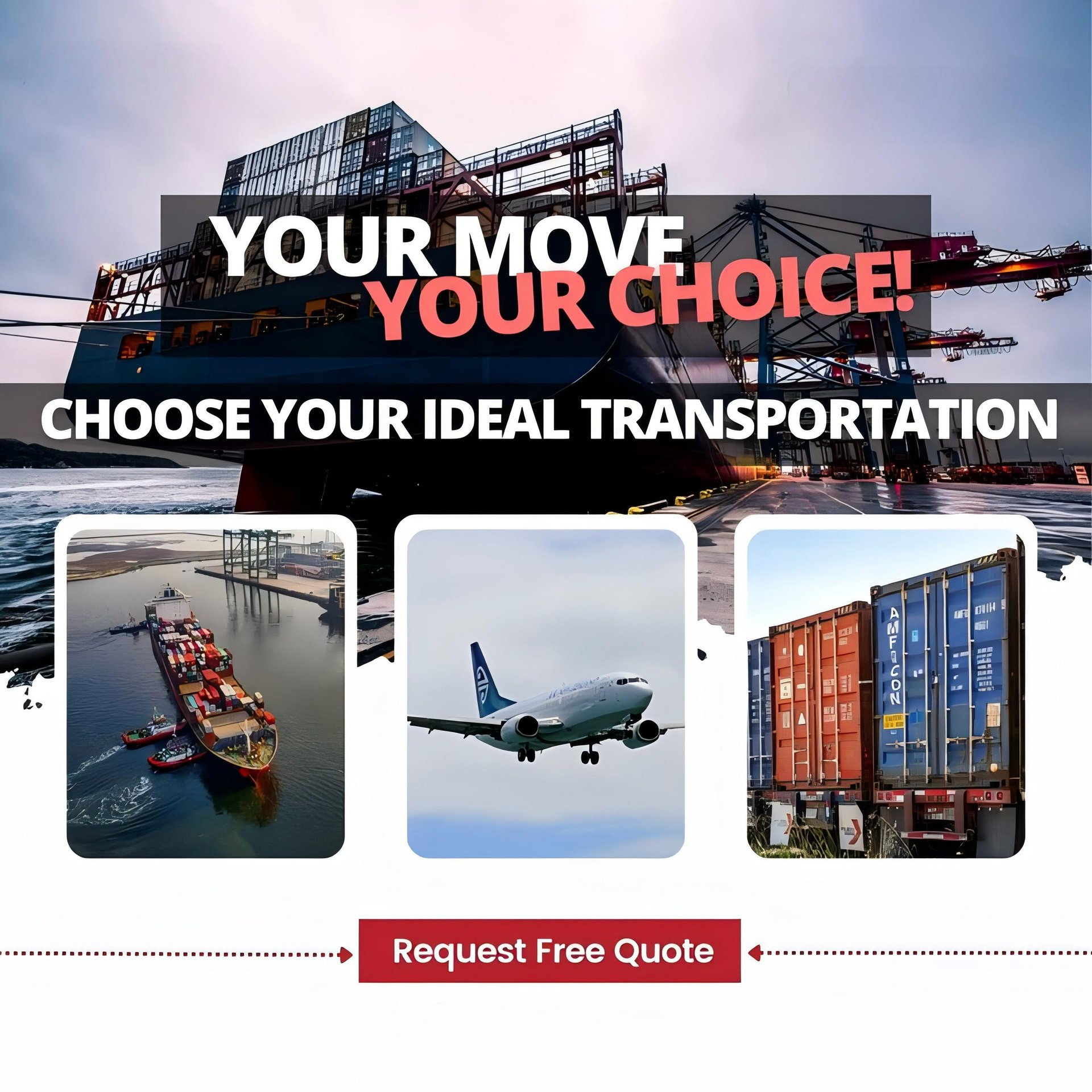
When planning your UAE import shipping from China customs clearance strategy, comparing different transport modes is essential. For large volumes, sea freight remains the most cost-effective solution for most businesses. However, it requires significant lead time due to the transit distance between Chinese ports and the UAE. Consequently, sea transport is best for non-urgent, high-volume inventory.
In contrast, air freight offers unmatched speed for high-value or time-sensitive items. While the cost is significantly higher, the reduced transit time can prevent production shutdowns or stockouts. Furthermore, air cargo usually undergoes faster customs processing at Dubai International Airport. Therefore, businesses must weigh the cost of speed against the potential loss of revenue from delays.
Moreover, hybrid solutions like sea-air combinations have gained popularity in early 2026. This method involves shipping goods by sea to a hub like Singapore and then flying them to the UAE. Consequently, you can achieve a balance between cost and speed that neither pure sea nor air can provide. Indeed, these alternative strategies are becoming a staple for agile supply chains.
| Shipping Method | Cost Range | Transit Time | Best For |
|---|---|---|---|
| Sea Freight (FCL) | $1,200 – $2,500 | 18-25 Days | Bulk Goods |
| Air Freight | $3.50 – $6.00/kg | 3-5 Days | High Value |
| Express Service | $7.00 – $12.00/kg | 2-4 Days | Samples/Small |
| Sea-Air Hybrid | $2.00 – $3.50/kg | 10-14 Days | Urgent Bulk |

Understanding Dubai Import Duties and VAT in 2026
Calculating your total landed cost requires a deep understanding of the UAE tax structure. Most goods imported into the UAE are subject to a standard 5% customs duty based on the CIF value. Furthermore, a 5% Value Added Tax (VAT) is applied to the total sum of the goods’ value plus the customs duty. Consequently, you must account for these percentages when setting your retail prices.
However, certain items may be exempt from duties or subject to higher excise taxes. For example, tobacco and sugary drinks face much higher tax rates to discourage consumption. On the other hand, essential items or goods intended for re-export through free zones may qualify for duty suspension. Therefore, knowing which category your products fall into can save you thousands of dollars.
Additionally, the UAE has signed several trade agreements that might lower your tax burden. Working with a professional customs brokerage service can help you identify these savings opportunities. Moreover, they can assist in the proper HS code classification for UAE imports to ensure you are not overpaying. Indeed, expert guidance is often the difference between a profitable shipment and a loss.
Alternative Strategies for UAE Import Shipping
To optimize your UAE import shipping from China customs clearance, consider using different delivery terms. For instance, door to door shipping simplifies the process by handling everything from the factory floor to your warehouse. This strategy is ideal for small to medium businesses that lack a dedicated logistics department. Consequently, it reduces the administrative burden on your staff.
Another alternative is DDP shipping from China to Dubai, where the seller handles all duties and taxes. This method provides total cost certainty, as you know the final price upfront without worrying about hidden fees. However, you should ensure that your provider is reputable and uses authorized channels. Furthermore, DDP can sometimes be slower due to consolidated customs processing.
In addition, consider utilizing Free Trade Zones like JAFZA for your logistics hub. Goods stored in these zones are not subject to duties until they are moved into the local UAE market. Consequently, this allows for better cash flow management and easier re-exporting to other GCC countries. Therefore, strategic location choice is just as important as the shipping method itself.
Case Study 1: Electronics from Shenzhen to Dubai
Route: Shenzhen, China to Jebel Ali, Dubai. Cargo: 500 units of high-end tablets, 5 CBM, 1200 kg. Shipping Method: LCL (Less than Container Load) Sea Freight. This shipment was part of a Q1 2026 replenishment for a local retailer. Consequently, the focus was on cost-efficiency rather than extreme speed.
Cost Breakdown: Ocean Freight: $450. Origin Charges: $180. Destination Charges: $220. Customs Duties (5% of $50,000): $2,500. VAT (5%): $2,625. Total Landed Cost: $55,975. Timeline: Booking to Loading: 3 days. Sea Transit: 22 days. Customs Clearance: 2 days. Total Door-to-Door: 27 days.
Key Insight: The importer saved significantly by using LCL instead of air freight. However, they had to plan their inventory three weeks in advance. Moreover, having all commercial invoice requirements for UAE met beforehand ensured that customs clearance took only 48 hours. Indeed, preparation was the key to success for this electronics shipment.

Case Study 2: Fast Fashion via Air Freight
Route: Guangzhou, China to Dubai International Airport. Cargo: Seasonal apparel, 300 kg. Shipping Method: air freight. This shipment required urgent delivery to meet the launch of a new collection. Therefore, the importer prioritized speed over shipping costs.
Cost Breakdown: Air Freight: $1,350. Origin Handling: $120. Destination Handling: $150. Customs & Duties: $450. Total Landed Cost: $2,070. Timeline: Booking to Loading: 1 day. Air Transit: 1 day. Customs Clearance: 1 day. Total Door-to-Door: 3 days.
Key Insight: Using express service allowed the brand to capitalize on a trending style immediately. Although the per-unit cost was higher, the rapid turnover justified the expense. Consequently, the brand maintained its market position by being first to shelf. This demonstrates how air freight serves as a critical tool for time-sensitive industries.
Which Option Should You Choose?
Deciding on the best path for UAE import shipping from China customs clearance depends on your specific business needs. If your priority is the lowest possible cost, sea freight is the clear winner for large volumes. On the other hand, if you are shipping perishable goods or high-value electronics, air freight is the safer choice. Consequently, you must evaluate your margins and customer expectations before booking.
Furthermore, consider the volume of your shipments. For small batches under 100kg, express couriers offer the best convenience. However, once you exceed 15 CBM, a full container load (FCL) becomes more economical than LCL. Therefore, calculating the break-even point between different shipping volumes is a vital part of your logistics planning.
In addition, think about the complexity of your cargo. Hazardous materials or oversized equipment require specialized handling and more detailed documentation. Consequently, you should consult with experts who understand the specific Abu Dhabi customs regulations for such items. Indeed, specialized cargo demands a more tailored approach than standard consumer goods.
| Priority | Recommended Method | Volume Threshold | Key Benefit |
|---|---|---|---|
| Budget | Sea Freight (LCL/FCL) | > 1 CBM | Lowest unit cost |
| Speed | Air Freight | Any | Fastest delivery |
| Convenience | Door to Door / DDP | < 5 CBM | Minimal paperwork |
| Reliability | Direct Sea Route | > 15 CBM | Reduced damage risk |
Navigating Jebel Ali Port Procedures
Jebel Ali Port is the busiest hub for UAE import shipping from China customs clearance in the region. Understanding its gate-in and gate-out procedures can save you hours of waiting time. Furthermore, the port uses advanced automated systems for container tracking and scheduling. Consequently, you can monitor your shipment’s progress in real-time through their online portal.
However, congestion can still occur during peak seasons like the months leading up to Ramadan. During these times, transit times might increase by 5-7 days due to high demand. Therefore, it is wise to book your shipments at least two weeks in advance during the Q4 and Q1 peak periods. Moreover, ensuring your haulier has the correct port permits is essential for a smooth pickup.
Additionally, the port offers extensive cold chain facilities for temperature-sensitive goods. If you are importing food or pharmaceuticals from China, utilize these specialized terminals to maintain product integrity. Consequently, choosing the right terminal within the port can be just as important as the shipping line itself. Indeed, Jebel Ali’s infrastructure is a major advantage for UAE-based importers.
Mastering Your UAE Supply Chain
Successfully managing UAE import shipping from China customs clearance is a multi-faceted task that requires attention to detail and market awareness. By understanding the documentation requirements and choosing the right shipping method, you can significantly reduce your operational costs. Furthermore, staying informed about the latest 2026 regulations ensures that your business remains compliant and avoids unnecessary penalties.
As the trade relationship between China and the UAE continues to grow, having a robust logistics strategy is more important than ever. Whether you opt for the speed of air freight or the economy of sea freight, preparation remains the foundation of a successful import business. Consequently, partnering with the right freight forwarder will allow you to focus on growing your business while the logistics experts handle the rest.
Need a tailored shipping solution?
Streamline your UAE import shipping from China customs clearance today with the experts at Top China Cargo. Whether you need sea freight, air freight, or a complete door to door solution, we provide the reliability your business deserves. Contact us now for a personalized quote and let us handle your 2026 logistics challenges.