


Shipping Rates China to Sydney: 2026 Freight Cost Guide
Navigating the complexities of international trade requires a clear understanding of logistics costs to maintain a competitive edge. For Australian businesses, securing competitive shipping rates china to sydney is a fundamental step in optimizing the global supply chain. Top China Cargo provides professional logistics management to help importers navigate these shifting market dynamics. Consequently, understanding the current 2026 pricing landscape allows you to make informed decisions that protect your bottom line.
Current Market Trends for Shipping Rates China to Sydney in 2026
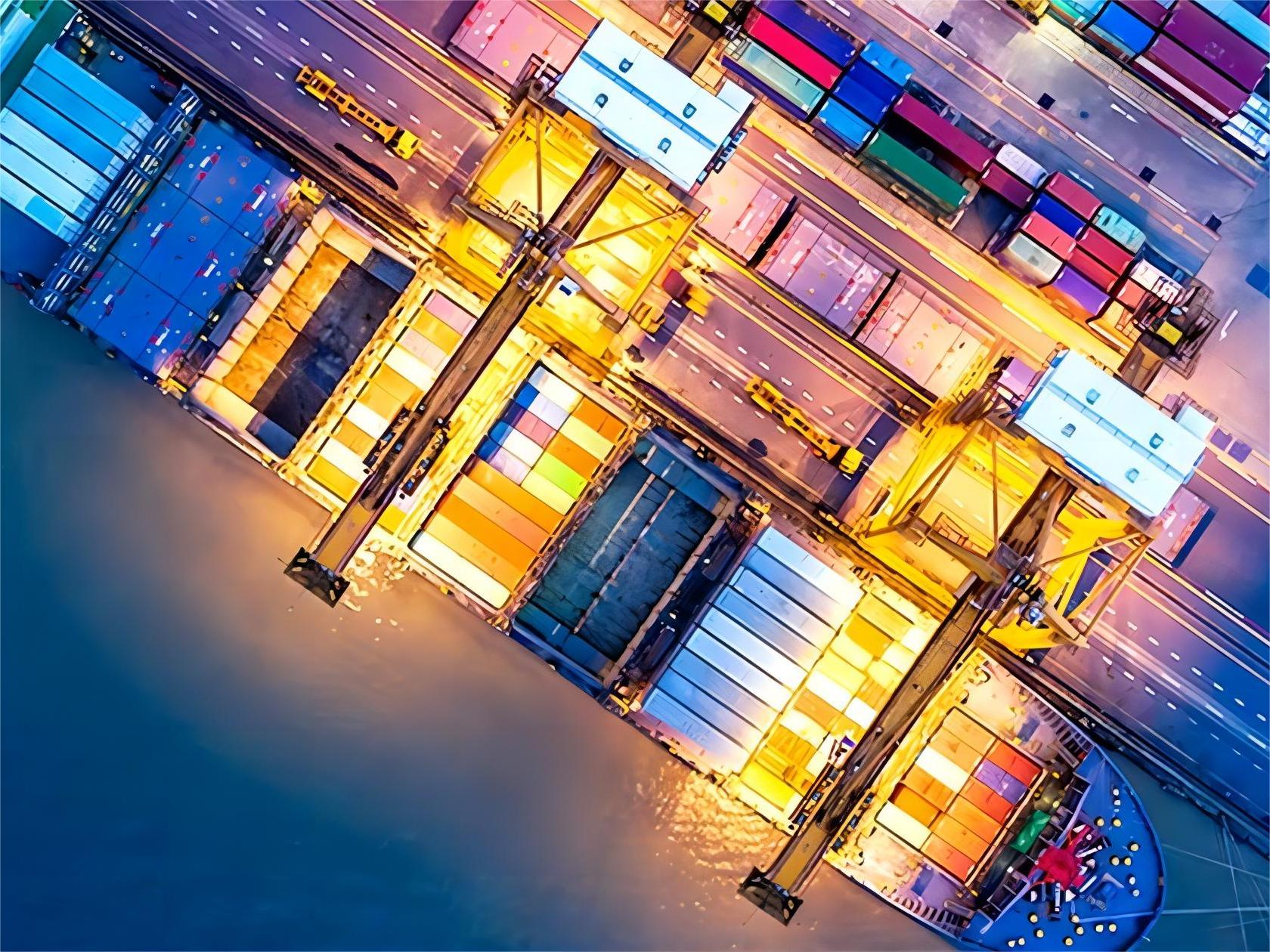
Market conditions in early 2026 show a period of relative stability following the logistical volatility of previous years. Furthermore, shipping rates china to sydney have benefited from increased carrier capacity and improved port efficiency in both Shanghai and Port Botany. Nevertheless, seasonal fluctuations still play a significant role in determining final costs for importers.
Importers should observe that global fuel surcharges remain a variable factor in the total freight equation. Additionally, the demand for green shipping solutions is starting to influence pricing structures as carriers invest in sustainable technologies. Therefore, staying updated on weekly rate changes is essential for accurate budgeting in the current fiscal year.
Infrastructure improvements in Sydney have also contributed to more predictable transit schedules. Meanwhile, digital logistics platforms are providing greater transparency into real-time pricing and container availability. As a result, businesses can now plan their inventory cycles with much higher precision than in the past decade.
How Does Sea Freight Compare to Other Shipping Options?
Choosing sea freight is traditionally the most economical method for transporting large volumes of goods across the Pacific. However, the decision between ocean transport and faster alternatives depends heavily on your specific timeline and budget constraints. In fact, many businesses utilize a mix of methods to balance cost and speed effectively.
Ocean transport offers two primary modes: Full Container Load (FCL) and Less than Container Load (LCL). For instance, FCL is ideal for businesses with enough volume to fill a 20ft or 40ft container, providing better security and lower per-unit costs. On the other hand, LCL allows smaller importers to share container space, making it a flexible choice for growing enterprises.
Below is a comprehensive comparison of the primary shipping methods available for the China to Sydney route in 2026.
| Shipping Method | Cost Range | Transit Time | Best For |
|---|---|---|---|
| Sea Freight (FCL) | $1,200 – $2,200 | 12 – 18 Days | Bulk goods, high volume |
| Sea Freight (LCL) | $60 – $110 per CBM | 15 – 22 Days | Small shipments, pallets |
| Air Freight | $3.50 – $6.50 per kg | 3 – 7 Days | Urgent, high-value items |
| Express Courier | $7.00 – $12.00 per kg | 2 – 4 Days | Samples, documents |

Analyzing Air Freight Rates for Urgent Shipments
When time is of the essence, air freight provides the fastest connection between Chinese manufacturing hubs and Sydney. Indeed, many high-tech industries and fashion retailers rely on air transport to meet tight market deadlines. Although the cost per kilogram is significantly higher than sea freight, the reduction in inventory holding costs can often justify the expense.
Air cargo pricing is calculated based on either actual weight or volumetric weight, whichever is greater. Consequently, optimizing your packaging to reduce excess volume is a critical strategy for lowering your air freight expenses. Moreover, choosing deferred air services can sometimes offer a middle ground between speed and cost-efficiency.
Typical air routes from China to Sydney involve major hubs like Shenzhen, Guangzhou, and Shanghai. Furthermore, direct flights are available but often command a premium price compared to transshipment options through Singapore or Hong Kong. Without a doubt, air freight remains the gold standard for reliability and speed in the 2026 logistics market.
Which Option Should You Choose? Decision Framework
Determining the best shipping method involves evaluating your specific cargo needs against market realities. If your primary goal is budget priority, then sea freight is almost always the recommended option for shipments exceeding 1 cubic meter. Conversely, if you are dealing with perishable goods or urgent stock replacements, speed priority dictates a move toward air cargo.
Volume thresholds play a vital role in this decision-making process. For example, once a shipment exceeds 15 CBM, it often becomes more cost-effective to book a 20GP container rather than paying for LCL space. Similarly, for shipments under 100kg, express courier services might offer better total value when including door-to-door delivery costs.
Cargo type considerations also influence the choice, as hazardous materials or oversized equipment require specialized handling that may limit certain transport modes. To summarize, a balanced logistics strategy often involves using sea freight for core inventory and air freight for emergency replenishment.
Understanding Hidden Costs and Customs Fees
Total landed costs involve much more than just the base freight rate quoted by a carrier. For instance, customs brokerage fees, import duties, and the Australian Goods and Services Tax (GST) must be factored into your final budget. Failure to account for these can lead to significant financial surprises upon the arrival of your goods.
Port handling charges at Sydney’s Port Botany can also vary depending on the terminal operator and the season. Additionally, quarantine inspection fees are common for specific product categories, especially those containing organic materials. Therefore, working with an experienced broker is essential to ensure compliance and avoid costly storage penalties.
Documentation accuracy is the most effective way to prevent unnecessary delays and extra charges. Indeed, errors in the Bill of Lading or Commercial Invoice can result in customs holds that incur daily demurrage fees. In contrast, proactive preparation of all required permits ensures a smooth transition through the Australian border.
Real-World Case Studies: China to Sydney Logistics
Case Study 1: Electronics Distribution. Route: Shenzhen to Sydney. Cargo: Consumer electronics, 18 CBM, 4,200 kg. Container: 20GP Full Container. Shipping Details: Direct sea transit via major carrier. Cost Breakdown: Ocean Freight $1,450; Origin Charges $320; Destination Charges $450; Customs and Duties $2,100. Total Landed Cost: $4,320. Timeline: 16 days door-to-door. Key Insight: FCL provided the best protection and lowest per-unit cost for these high-value items.
Case Study 2: Apparel Samples. Route: Shanghai to Sydney. Cargo: Textile samples, 0.5 CBM, 45 kg. Method: Express Courier. Shipping Details: Air transit via international courier. Cost Breakdown: Freight Cost $480; Documentation $50; Customs Clearance $85. Total Landed Cost: $615. Timeline: 4 days. Key Insight: Express service was chosen for speed to meet a seasonal fashion show deadline.
Case Study 3: Furniture Import. Route: Ningbo to Sydney. Cargo: Home furniture, 8 CBM, 1,500 kg. Method: Sea Freight LCL. Shipping Details: Transshipment via Singapore. Cost Breakdown: Ocean Freight $720; Origin Charges $210; Destination Charges $380; Customs and Duties $1,200. Total Landed Cost: $2,510. Timeline: 22 days. Key Insight: LCL allowed the small business to import stock without the cost of a full container.

How to Reduce Your Shipping Rates China to Sydney
Consolidating shipments is one of the most effective ways to lower your overall logistics spend. By grouping multiple smaller orders into a single LCL or FCL shipment, you can significantly reduce the per-unit handling fees. Moreover, many importers find that negotiating annual contracts with freight forwarders provides more stable pricing than relying on the spot market.
Optimizing your packaging can also lead to substantial savings, particularly for air freight where volume is a major cost driver. For example, reducing the size of outer cartons or using lighter packing materials can drop your shipment into a lower weight bracket. Consequently, a small investment in packaging design can yield long-term savings in shipping rates china to sydney.
Finally, choosing door to door services can often be more economical than managing each leg of the journey separately. These all-inclusive packages often leverage the forwarder’s bulk buying power across trucking, shipping, and customs services. As a result, you receive a simplified invoice and often a lower total price than piecing together individual service providers.
The Impact of Seasonality on Australian Imports
Australian importers must be aware of the peak seasons that drive up shipping rates china to sydney. Typically, the months leading up to Christmas (August to October) see a surge in demand as retailers stock up for the holiday period. During this time, space on vessels becomes limited, and carriers often implement Peak Season Surcharges (PSS).
Chinese New Year is another critical period where production stops and shipping capacity tightens significantly. Indeed, rates often spike in the weeks immediately preceding the holiday as businesses rush to get goods out of China. To avoid these premiums, it is advisable to book your shipments at least 4-6 weeks in advance of major holidays.
In contrast, the post-holiday periods in February and March often see a dip in demand and more competitive pricing. By aligning your procurement schedule with these market lulls, you can secure much better rates. Therefore, strategic planning is just as important as choosing the right shipping method when it comes to cost control.
Mastering Your Shipping Strategy to Sydney
Securing the best shipping rates china to sydney requires a combination of market knowledge, strategic planning, and the right logistics partnership. Whether you choose the speed of air freight or the cost-efficiency of sea freight, understanding the total landed cost is essential for business success in 2026.
By utilizing the strategies outlined in this guide, such as optimizing packaging and consolidating shipments, you can significantly reduce your overhead. Remember that the cheapest rate is not always the best value if it results in delays or damaged goods. Focus on building a reliable supply chain that supports your long-term growth in the Australian market.
Need a tailored shipping solution?
Ready to optimize your supply chain and secure the best shipping rates china to sydney for your next shipment? Contact our expert team at Top China Cargo today for a personalized quote and professional guidance. Visit https://topchinacargo.com/ to get started.