


Shipping from China with Tracking Poland: Complete 2025 Guide
Managing international trade requires a reliable partner for shipping from China with tracking Poland to ensure business continuity. At Top China Cargo, we provide comprehensive logistics solutions that offer full visibility into your supply chain. Furthermore, knowing the exact location of your goods allows for better inventory management and customer satisfaction in the competitive Polish market.
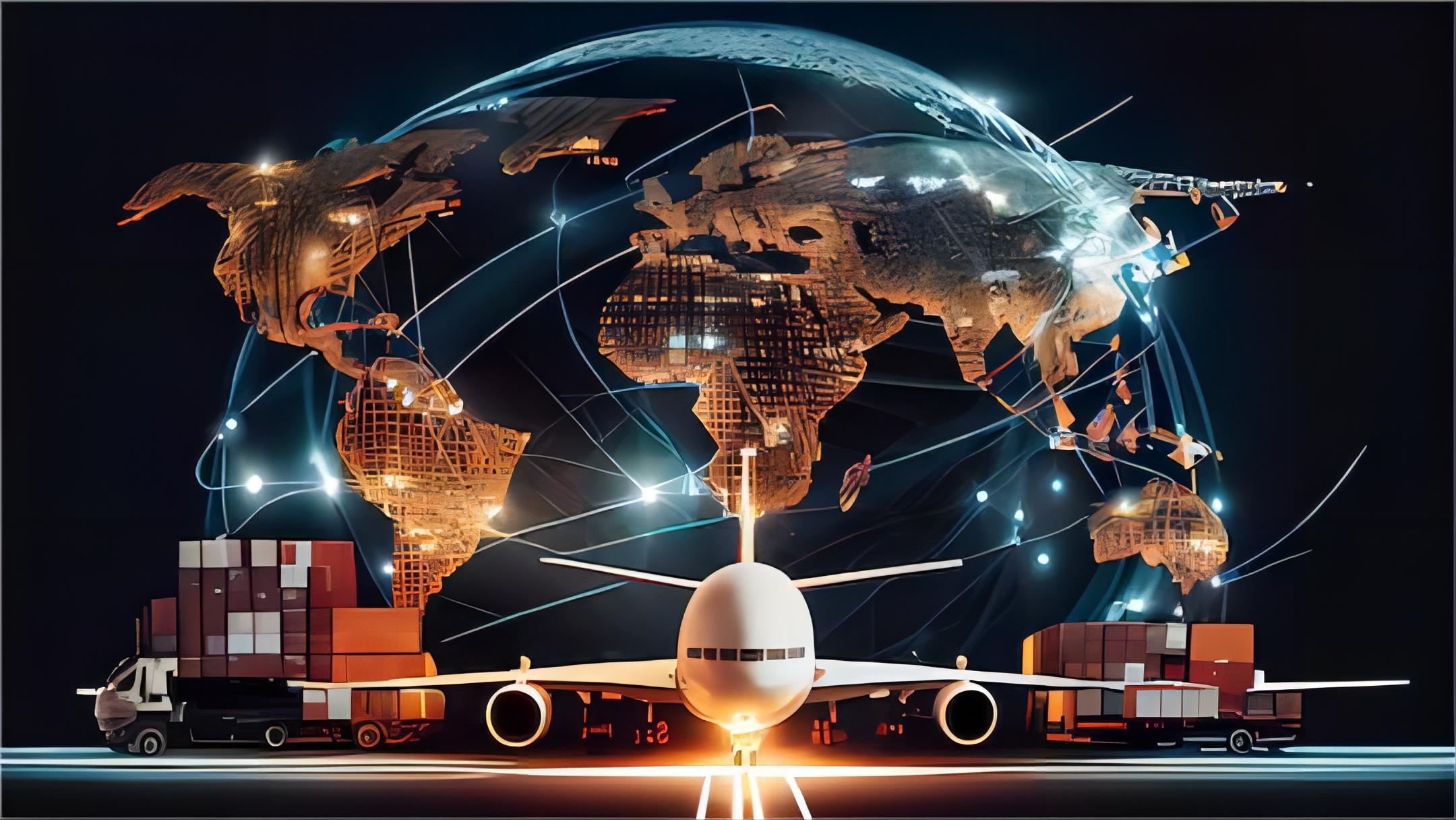
What are the primary methods for shipping from China with tracking Poland?
Businesses have several options when moving goods across the Eurasian continent, each offering different benefits regarding speed and cost. Consequently, selecting the right method depends on your specific budget and the urgency of the shipment.

For most importers, rail freight has become the gold standard for the Polish route due to its strategic position on the New Silk Road. Moreover, this method provides a middle ground between the high cost of air and the slow pace of sea transport.
However, if you are shipping high-value items or urgent electronics, air freight remains the fastest way to reach Warsaw or Krakow. Additionally, the tracking capabilities for air shipments are typically updated in real-time, providing the highest level of security.
On the other hand, for bulk commodities and large volumes, sea freight to ports like Gdansk or Gdynia offers the lowest possible price per unit. Indeed, many companies choose this for non-urgent inventory to maximize their profit margins.
How does Rail Freight compare to other shipping options?
When evaluating shipping from China with tracking Poland, rail freight stands out because Poland serves as the primary gateway to the European Union. Furthermore, the Malaszewicze terminal handles the vast majority of container traffic coming from Chinese hubs like Xi’an and Chengdu.
In contrast, sea freight requires navigating the Suez Canal and traveling around the European coast, which significantly extends the transit time. Nevertheless, the cost savings for sea freight are substantial when shipping full container loads (FCL).
Meanwhile, air freight is significantly more expensive than both rail and sea, often costing five to ten times more than rail transport. Therefore, most businesses only utilize air for samples, medical supplies, or high-end consumer goods.
The following table provides an objective analysis of the viable alternatives for this specific trade route based on current 2025 market conditions.
| Shipping Method | Cost Range | Transit Time | Best For | Limitations |
|---|---|---|---|---|
| Air Freight | $4.50 – $8.00/kg | 3 – 7 Days | Urgent/High Value | Very Expensive |
| Rail Freight | $120 – $250/CBM | 15 – 22 Days | General Cargo | Terminal Congestion |
| Sea Freight | $1,800 – $3,500/FEU | 35 – 45 Days | Bulk/Heavy Goods | Slow Speed |
| Express | $7.00 – $12.00/kg | 2 – 5 Days | Small Parcels | Size Restrictions |
Which option should you choose for your cargo?
Choosing the right logistics strategy requires a careful balance between your delivery schedule and your available capital. For instance, if your priority is budget and you have a long lead time, sea freight is the logical choice.
However, if you need to maintain a lean inventory and require faster turnover, rail freight is much more suitable. Additionally, for shipments under 15 CBM, Less than Container Load (LCL) rail options are often more economical than a full container.
Without a doubt, cargo type also plays a massive role in the decision-making process. For example, hazardous materials or oversized machinery may have restricted options compared to standard palletized goods.
As of Q1 2025, freight rates have stabilized, but seasonal demand during the Golden Week or before Christmas can still cause price spikes. Consequently, we recommend booking at least 3 to 4 weeks in advance to secure the best rates.
Real-world scenarios: shipping from China with tracking Poland
To better understand the practical application of these methods, we have compiled case studies based on actual shipments handled in late 2024 and early 2025. These examples highlight the costs, timelines, and challenges involved in the process.
Each case demonstrates a different approach to solving logistics hurdles while maintaining full tracking visibility. Moreover, they reflect the current market average for the China-Poland corridor.
Case Study 1: Rail Freight for Consumer Electronics
Route: Xi’an, China to Warsaw, Poland. Cargo: Electronic accessories, 12 CBM, 2,500 kg. Shipping Method: LCL Rail Freight. Carrier: China Railway Express. Port of Loading: Xi’an Inland Port. Port of Discharge: Malaszewicze Terminal.
Cost Breakdown: Rail Freight: $2,100. Origin Charges: $250. Destination Charges: $300. Customs and Duties: $1,200. Total Landed Cost: $3,850. Timeline: Booking to Loading: 4 days. Rail Transit: 16 days. Customs Clearance: 2 days. Total Door-to-Door: 22 days.
Key Insight: Using rail freight saved 20 days compared to sea freight while costing 60 percent less than air freight. The client utilized real-time GPS tracking provided by the rail operator.
Case Study 2: Sea Freight for Furniture Manufacturing
Route: Ningbo, China to Gdansk, Poland. Cargo: Wooden furniture components, 40HQ Container. Shipping Method: FCL Sea Freight. Carrier: Maersk. Port of Loading: Ningbo-Zhoushan. Port of Discharge: Port of Gdansk.
Cost Breakdown: Ocean Freight: $3,200. Origin Charges: $400. Destination Charges: $550. Customs and Duties: $2,800. Total Landed Cost: $6,950. Timeline: Booking to Loading: 7 days. Sea Transit: 38 days. Customs Clearance: 3 days. Total Door-to-Door: 48 days.
Key Insight: Despite the longer transit time, the low cost per CBM made this the only viable option for low-margin furniture items. Sea freight remains the backbone for heavy industrial imports to Poland.
How to optimize your supply chain and reduce shipping costs
Reducing expenses while maintaining shipping from China with tracking Poland requires a proactive approach to logistics management. For example, consolidating multiple small orders into a single LCL shipment can significantly lower your per-unit costs.
Furthermore, choosing the right Incoterms, such as FOB (Free On Board), gives you more control over the freight costs and the choice of carrier. In contrast, using CIF (Cost, Insurance, and Freight) often results in higher destination fees that are hidden from the initial quote.
Another alternative strategy involves utilizing express service for urgent documentation or small spare parts to keep production lines running. Meanwhile, for larger shipments, hybrid solutions like sea-air via Dubai can sometimes offer a compromise between speed and price.
Additionally, always verify the accuracy of your packing list and commercial invoice to avoid costly delays at the Polish border. Indeed, errors in documentation are the leading cause of unexpected storage fees at the port.
Understanding customs brokerage and import regulations in Poland
Navigating the Polish customs system is a critical step in the import process that requires professional expertise. Therefore, working with a certified customs brokerage ensures that your goods comply with both Polish and EU regulations.
Poland requires specific documentation for all imports, including an EORI number for the importing company. Moreover, certain products may require CE certification or sanitary inspections before they can be released into the market.
Consequently, failure to provide the correct paperwork can lead to the seizure of goods or heavy fines. To help you prepare, we have provided a checklist of the essential documents required for a smooth clearance process.
| Document Name | Source | Purpose | Requirement |
|---|---|---|---|
| Commercial Invoice | Exporter | Value Declaration | Mandatory |
| Packing List | Exporter | Cargo Details | Mandatory |
| Bill of Lading | Carrier | Title of Goods | Mandatory |
| Certificate of Origin | Chamber of Commerce | Duty Calculation | Recommended |
| CE Certificate | Manufacturer | Safety Standards | Product Specific |
The benefits of door to door logistics for Polish importers
Many businesses prefer a hands-off approach to logistics to focus on their core operations. In this case, choosing a door to door service is the most efficient solution available.
This service covers everything from the factory pickup in China to the final delivery at your warehouse in Poland. Additionally, it includes all intermediate steps like export clearance, international freight, and local trucking.
Furthermore, having a single point of contact simplifies communication and accountability. If there is a delay or an issue with tracking, you only need to speak with one logistics provider to get a resolution.
As part of our commitment to excellence in Europe, we ensure that every milestone is recorded and visible to our clients. This transparency is what builds long-term trust in international trade.
Final Thoughts on Shipping from China to Poland
To summarize, successful shipping from China with tracking Poland depends on choosing the right method for your specific cargo and budget. Whether you opt for the speed of air, the efficiency of rail, or the economy of sea, visibility remains the most important factor.
Moreover, understanding the customs requirements and market trends for 2025 will help you avoid unnecessary delays. By partnering with an experienced freight forwarder, you can navigate these complexities with confidence.
Note: Freight rates are subject to change based on fuel costs, carrier capacity, and seasonal demand. Contact us for a current quote tailored to your specific shipment.

Ready to streamline your logistics?
Are you ready to streamline your imports? Contact Top China Cargo today for a customized quote on shipping from China with tracking Poland. Our experts are standing by to optimize your transit times and reduce your landed costs. Send Inquiry to get started with a professional logistics partner.
Request Quote