
Netherlands import shipping from China clearance service Guide 2026
Navigating the complexities of international trade requires a robust Netherlands import shipping from China clearance service to ensure your goods arrive without delay. Businesses frequently encounter challenges with Dutch VAT regulations and port congestion at Rotterdam. However, our specialized logistics solutions provide a clear path through these obstacles. Consequently, you can focus on scaling your operations while we manage the intricate details of your supply chain.
How Does Netherlands Import Shipping from China Clearance Service Compare to Other Options?
Choosing the right transport mode is the most critical decision for your profitability. Each method offers distinct advantages depending on your specific volume and urgency. Furthermore, the 2026 market landscape has introduced new efficiencies in rail and sea routes. Consequently, importers must evaluate costs against transit times to maintain a competitive edge.
Sea freight remains the backbone of global trade due to its high capacity. Meanwhile, air freight serves those needing rapid inventory turnover. Rail freight has emerged as a reliable middle ground for European destinations. Nevertheless, the total landed cost depends heavily on the efficiency of your clearance service.
| Shipping Method | Cost Range (2026) | Transit Time | Best For | Limitations |
|---|---|---|---|---|
| Sea Freight (FCL) | $3,200 – $4,500 | 30-35 Days | Bulk Goods | Slowest Speed |
| Air Freight | $5.50 – $8.50/kg | 4-7 Days | High Value | High Cost |
| Rail Freight | $2,100 – $2,900 | 18-22 Days | Mid-size Cargo | Route Limits |
| Express | $9.00 – $12.00/kg | 3-5 Days | Samples | Weight Caps |
Understanding the Role of Customs Brokerage in Dutch Logistics
Successful importation into the Netherlands hinges on precise documentation and compliance. Our professional customs brokerage team ensures that every HS code is accurately applied to your shipment. In addition, we manage the payment of duties and the Dutch BTW tax on your behalf. Therefore, you avoid the common pitfalls of incorrect declarations.
Customs authorities in the Netherlands are known for their efficiency but also their strictness. Specifically, they require an EORI number for all commercial entities importing into the European Union. Moreover, ensuring your commercial invoice matches the packing list is essential for a smooth release. Without a doubt, expert guidance prevents your cargo from being held in expensive bonded storage.
Optimizing Costs with Sea Freight Solutions
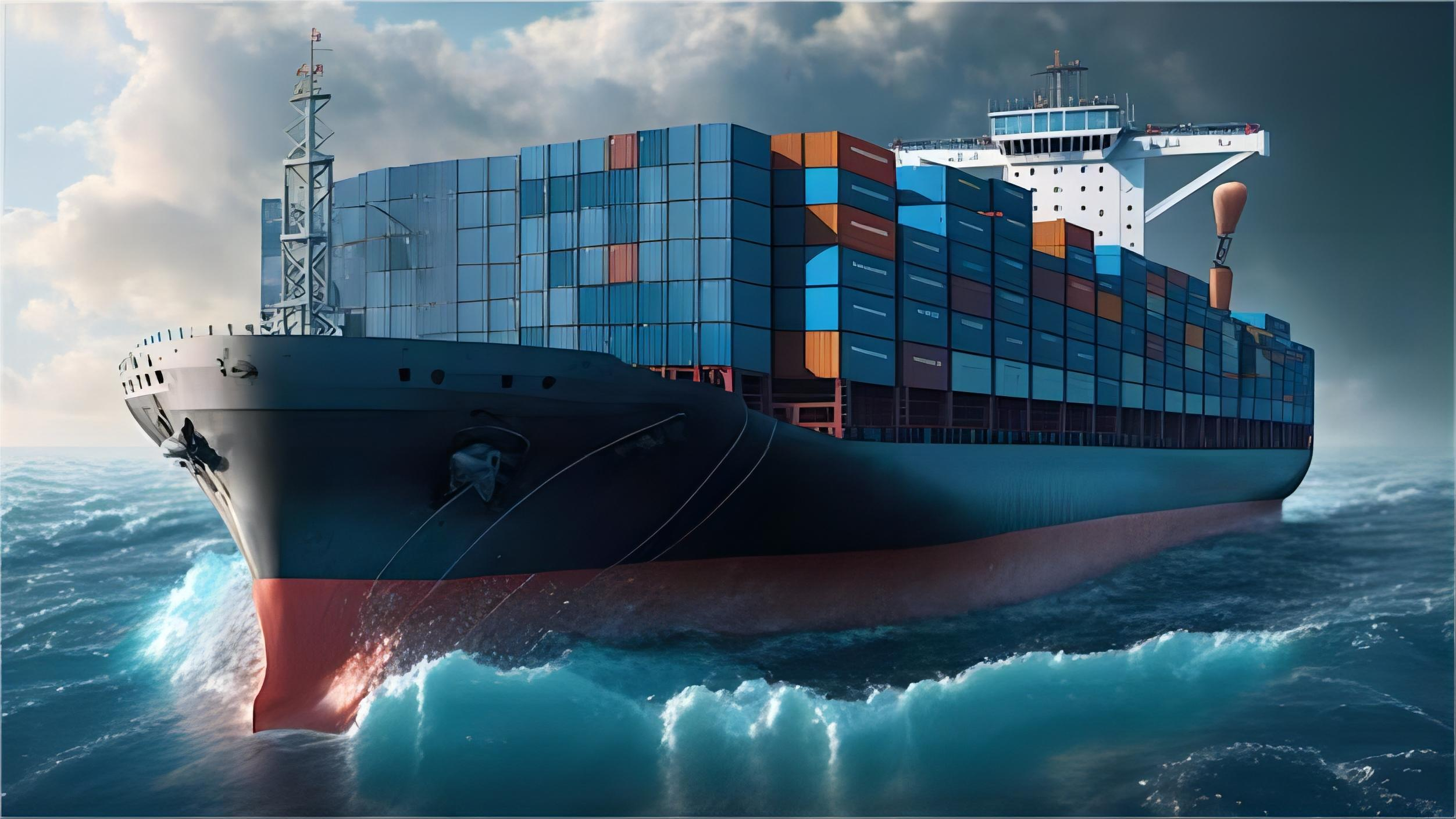
Large-scale importers typically prefer sea freight for its unmatched economy of scale. As of early 2026, ocean freight rates have stabilized following the infrastructure upgrades in major Chinese ports. Consequently, shipping a 40HQ container from Shanghai to Rotterdam is more predictable than in previous years. Indeed, this method provides the lowest cost per unit for high-volume goods.
Importers can choose between Full Container Load (FCL) and Less than Container Load (LCL). If your cargo exceeds 15 CBM, FCL is generally the more cost-effective choice. On the other hand, LCL allows smaller businesses to share container space and reduce overhead. Meanwhile, we handle the consolidation process to ensure your goods are protected during the long sea voyage.
Accelerating Deliveries via Air Freight
When time is the primary constraint, air freight stands as the superior option for Dutch importers. This method is particularly effective for electronics, fashion, and perishable items that require immediate market entry. Furthermore, air transport minimizes the risk of damage due to reduced handling. Consequently, your products arrive in pristine condition ready for distribution.
Air cargo rates are influenced by seasonal demand and fuel surcharges in 2026. However, the speed of delivery often justifies the higher expense by improving cash flow. Specifically, reducing the time between production and sale allows for faster reinvestment. Additionally, our team secures priority space on major carriers to ensure your deadlines are met consistently.
Utilizing Rail Freight for Sustainable Transport
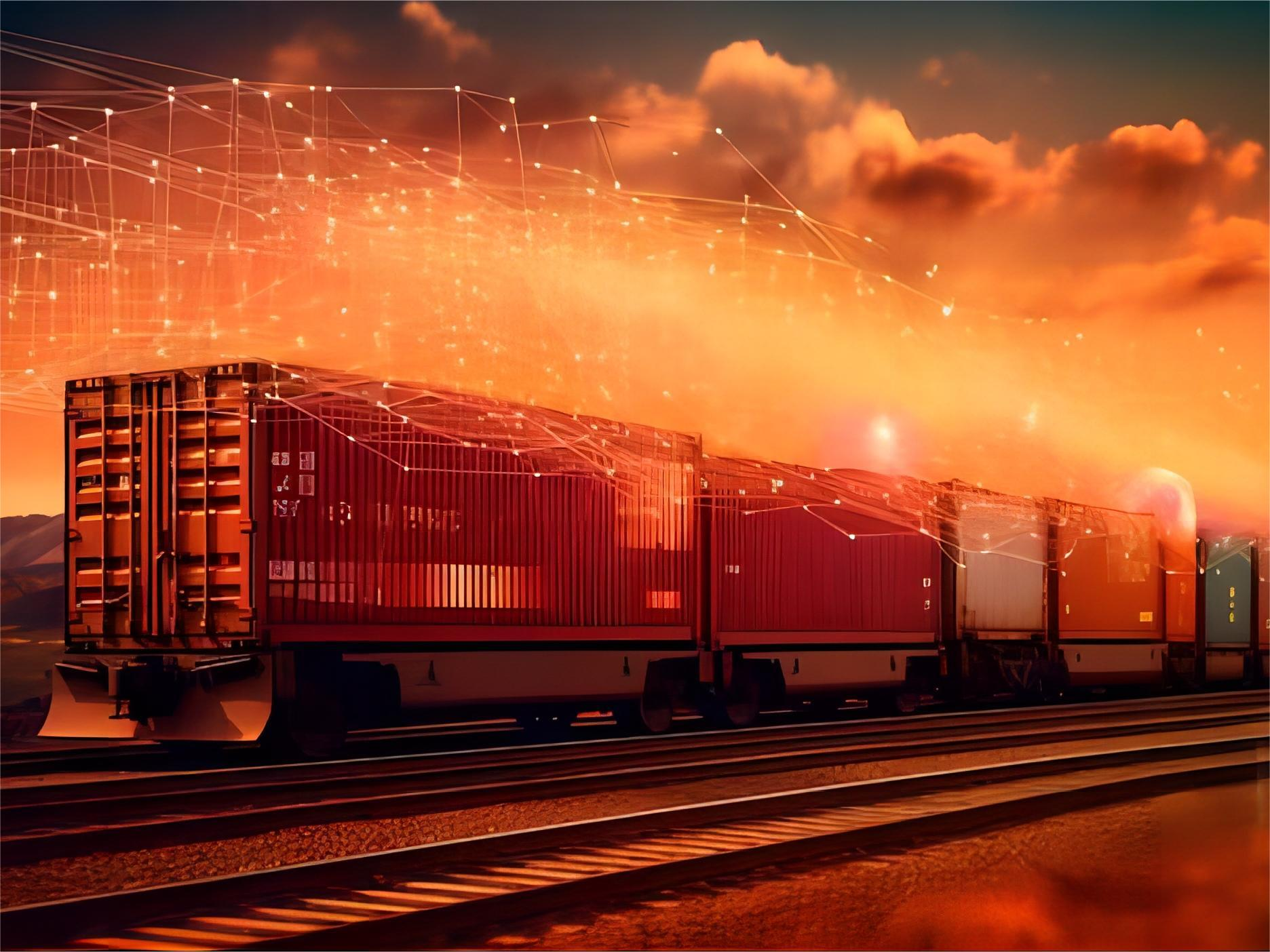
The Iron Silk Road has revolutionized the way we approach rail freight between China and Europe. This method offers a transit time that is significantly faster than sea but much cheaper than air. Consequently, it has become a favorite for automotive parts and industrial machinery. Moreover, rail transport is often cited as a more environmentally friendly alternative for green-conscious brands.
Direct rail links connect major Chinese hubs like Chengdu and Xi’an to European rail terminals. From there, your cargo is trucked directly to its final destination in the Netherlands. In addition, rail freight provides a stable pricing environment compared to the volatile ocean market. Therefore, it serves as an excellent strategic tool for budget planning in 2026.
The Convenience of Door to Door Logistics
Many modern businesses prefer a door to door service to simplify their internal operations. This comprehensive solution covers everything from the factory pickup in China to the final delivery at your Dutch warehouse. Consequently, you do not need to coordinate with multiple vendors or carriers. Indeed, a single point of contact makes the entire process transparent and manageable.
We handle all the intermediate steps including export clearance, international transit, and local trucking. Furthermore, our tracking systems provide real-time updates on your cargo’s location. As a result, you can plan your inventory management with high precision. Without a doubt, this integrated approach reduces the administrative burden on your logistics team.

Real-World Case Studies for 2026 Dutch Imports
Case Study 1: High-Volume Electronics Distribution. Route: Shanghai, China to Rotterdam, Netherlands. Cargo: Consumer Electronics, 68 CBM, 14500 kg. Container: 40HQ. Shipping Details: Major carrier, direct route. Ocean Freight: $4,100. Origin Charges: $350. Destination Charges: $500. Customs and Duties: $1,200. Total Landed Cost: $6,150. Timeline: 32 days door-to-door. Key Insight: Early booking secured a competitive rate during the Q1 peak.
Case Study 2: Boutique Furniture Import. Route: Shenzhen, China to Amsterdam, Netherlands. Cargo: Designer Chairs, 8 CBM, 1200 kg. Container: LCL. Shipping Details: Transshipment via Singapore. Ocean Freight: $680. Origin Charges: $150. Destination Charges: $280. Customs and Duties: $450. Total Landed Cost: $1,560. Timeline: 38 days door-to-door. Key Insight: Using LCL allowed the importer to maintain low inventory levels while testing new designs.
Decision Framework: Which Shipping Method Fits Your Needs?
Selecting the optimal shipping method requires a balanced view of your business priorities. If your primary goal is cost reduction for non-urgent goods, sea freight is the logical choice. Conversely, if you are launching a new product with high market demand, air freight provides the necessary speed. Moreover, rail freight should be considered for mid-tier urgency where budget is still a factor.
Volume thresholds also play a significant role in your decision. For shipments under 2 CBM, express services often provide the best value. Meanwhile, shipments between 3 and 15 CBM are ideal for LCL or rail consolidation. Finally, any volume exceeding 15 CBM should be evaluated for FCL to maximize your shipping budget.
Essential Documentation for Netherlands Import Shipping from China Clearance Service
Documentation is the foundation of a successful Netherlands import shipping from China clearance service. Every shipment must be accompanied by a Bill of Lading, a Commercial Invoice, and a Packing List. Furthermore, certain products may require certificates of origin or CE marking documentation for EU compliance. Consequently, missing paperwork is the leading cause of delays at the Dutch border.
Importers must also ensure that their VAT numbers are valid and linked to their EORI records. In addition, specific commodities like textiles or chemicals might require import licenses. Therefore, we recommend a thorough document audit before your cargo leaves the port of loading. Indeed, proactive preparation is the best defense against customs inspections.
| Document Type | Responsibility | Required For | Key Details |
|---|---|---|---|
| Commercial Invoice | Supplier | All Shipments | Value, HS Code |
| Packing List | Supplier | All Shipments | Weight, Volume |
| Bill of Lading | Carrier | All Shipments | Title of Goods |
| EORI Certificate | Importer | EU Customs | Tax ID Number |
Mastering Your Dutch Imports in 2026
Successfully managing a Netherlands import shipping from China clearance service requires a combination of strategic planning and expert execution. By understanding the nuances of different shipping methods and the strict requirements of Dutch customs, you can ensure a seamless flow of goods. Furthermore, partnering with a professional freight forwarder mitigates the risks associated with international logistics.
Whether you choose the speed of air freight or the economy of sea freight, the key is consistency and compliance. As the 2026 market continues to evolve, staying informed about freight trends and regulatory changes will remain essential. Ultimately, a well-optimized supply chain is a powerful competitive advantage in the European market.
Get Your Shipping Quote Today
Streamline your international trade today with the most reliable Netherlands import shipping from China clearance service available. Our team of logistics experts is ready to optimize your transit times and minimize your costs for the 2026 season. Visit our contact page to request a personalized quote and see how we can transform your supply chain. Send Inquiry: https://topchinacargo.com/contact-us/
Request Quote