


LCL Freight China to New Zealand: 2026 Shipping Rates and Guide
Navigating the complexities of international trade requires a reliable logistics partner to ensure your goods arrive safely and on time. If you are looking to optimize your supply chain, understanding the nuances of lcl freight china to new zealand is essential for maintaining a competitive edge in 2026. This comprehensive guide explores how shared container shipping can drastically reduce your overhead while providing the flexibility your business needs to grow.
What is LCL Freight China to New Zealand?
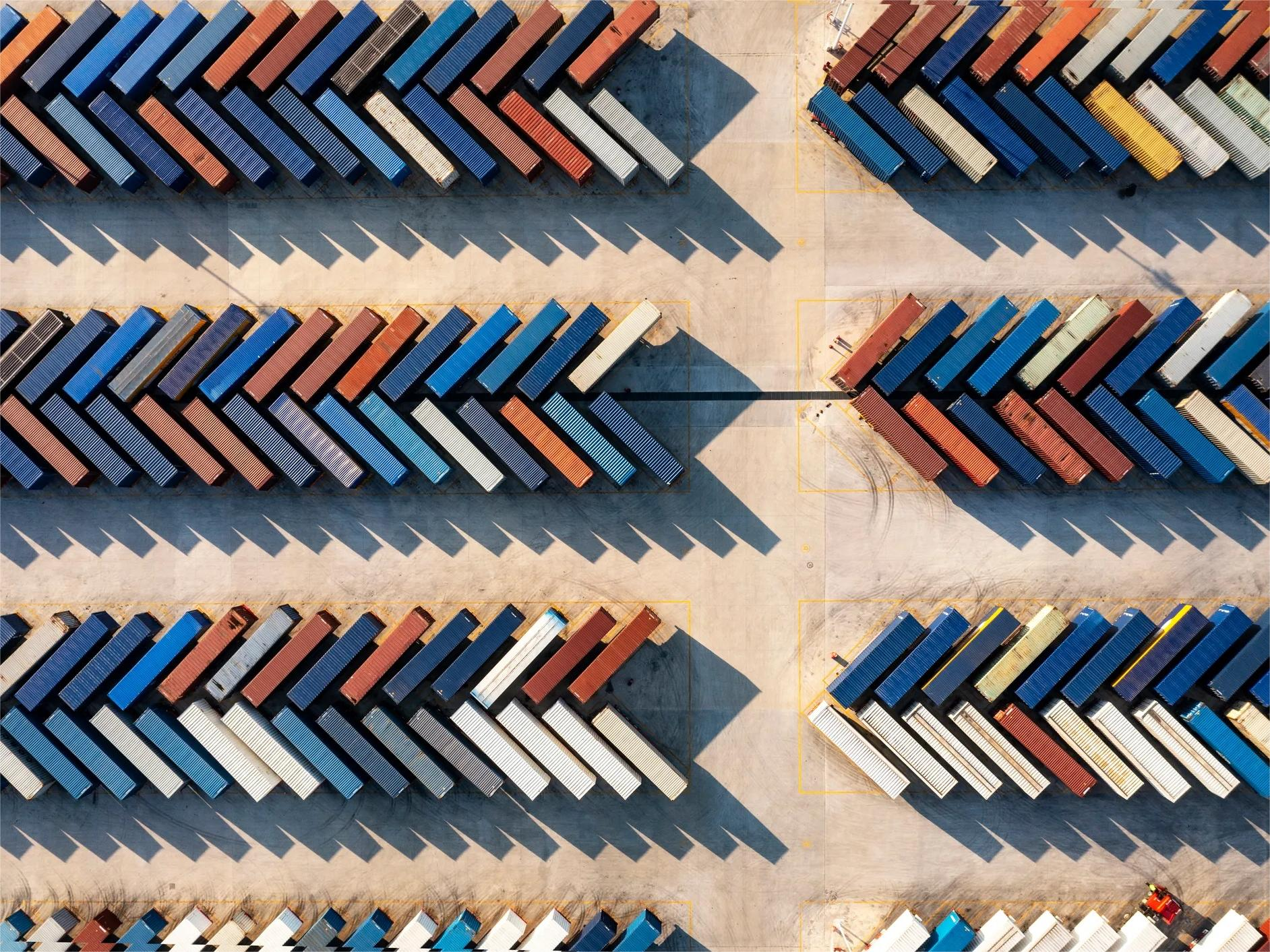
Less than Container Load (LCL) refers to a shipping method where multiple importers share space within a single ocean container. This approach allows businesses to move smaller volumes of cargo without paying for the entire capacity of a 20ft or 40ft unit.
Logistics providers consolidate these smaller shipments at a warehouse before loading them onto a vessel bound for major Kiwi ports. Consequently, you only pay for the volume your goods occupy, measured in cubic meters (CBM).
Importers often find this method ideal for testing new products or managing inventory without committing to massive stock levels. Furthermore, the 2026 logistics landscape has made consolidation more efficient than ever through advanced tracking and automated sorting.
Choosing this route provides a balance between the high speed of air transit and the high volume requirements of full containers. It remains the backbone of small to medium enterprise (SME) trade between these two nations.
How Does LCL Freight Compare to Other Shipping Options?
Evaluating different transport modes is crucial for determining the most cost-effective strategy for your specific cargo. While sea freight remains the most popular choice, the choice between LCL and FCL depends heavily on your total volume.
Alternatively, businesses with urgent deadlines might consider air freight despite the significantly higher price point. In 2026, the price gap between sea and air has widened due to rising fuel surcharges in the aviation sector.
Moreover, the efficiency of port operations in Auckland and Tauranga has improved, making sea-based logistics more predictable. Below is a detailed breakdown of how these methods compare in the current market.
| Shipping Method | Cost Range | Transit Time | Best For |
|---|---|---|---|
| LCL Sea Freight | $80 – $150 per CBM | 18 – 25 Days | 1-12 CBM Shipments |
| FCL Sea Freight | $1,200 – $2,100 per Box | 15 – 22 Days | Large Volume/Bulk |
| Air Freight | $4.50 – $8.00 per kg | 3 – 7 Days | Urgent/High Value |
| Express Courier | $9.00 – $15.00 per kg | 2 – 5 Days | Documents/Samples |
Which Option Should You Choose?
Selecting the right method requires a clear understanding of your budget, timeline, and cargo nature. If your priority is cost-saving and your volume is under 15 CBM, LCL is almost always the superior choice.
Speed-oriented businesses should prioritize air transport if the goods are lightweight or have a short shelf life. However, for most retail and industrial goods, the savings offered by sea freight outweigh the longer transit times.
Consider door to door services to simplify the entire process from the Chinese factory to your New Zealand warehouse. This approach minimizes the risk of handling errors during transshipment.
Volume thresholds are also a key factor; once you exceed 15 CBM, you should request a quote for a 20GP container to see if a full unit is more economical. Market data suggests that 2026 rates for full containers have stabilized, making the crossover point more consistent.
Key Benefits of Shared Container Shipping
Financial flexibility stands out as the primary advantage of utilizing shared containers for your imports. Instead of tying up capital in massive inventory, you can ship smaller batches more frequently.
Additionally, this method reduces the risk of dead stock by allowing for a just-in-time supply chain model. Meanwhile, the environmental impact is often lower as containers are packed to maximum capacity, reducing the carbon footprint per unit of cargo.
Scalability is another major factor for growing brands. You can start with a single pallet and gradually increase your volume as your presence in the New Zealand market expands.
Reliability has also improved in 2026, with most major carriers offering weekly departures from Shenzhen, Ningbo, and Shanghai. This consistent schedule allows for better planning and customer service.
Transit Times and Port Logistics in 2026
Shipping from China to the South Pacific involves several key maritime routes that pass through major hubs. While New Zealand is geographically isolated, the maritime infrastructure is robust and highly developed.
Direct routes from Southern China ports like Shenzhen typically offer the fastest transit times to Auckland. In contrast, shipments from Northern China or those requiring transshipment via Singapore may take several days longer.
Logistics patterns for New Zealand often mirror those seen in shipping from china to australia, though NZ ports have unique biosecurity requirements. Below are the typical transit times as of Q1 2026.
| Origin Port | Destination Port | Transit (Days) | Frequency |
|---|---|---|---|
| Shanghai | Auckland | 18 – 21 | Weekly |
| Shenzhen | Tauranga | 16 – 19 | Bi-Weekly |
| Ningbo | Lyttelton | 22 – 26 | Weekly |
| Qingdao | Wellington | 24 – 28 | Weekly |
Customs Clearance and Documentation in New Zealand
Navigating the legal requirements for entry into New Zealand is perhaps the most critical part of the shipping process. The Ministry for Primary Industries (MPI) maintains strict biosecurity standards that all importers must follow.
Expert customs brokerage services can prevent costly delays and fines by ensuring all paperwork is accurate and complete. Indeed, missing a single document can result in your cargo being held at the port for weeks.
Essential documents include the Commercial Invoice, Packing List, and the Bill of Lading. Furthermore, you must provide a Packing Declaration to satisfy New Zealand’s unique requirements regarding wood packaging and pests.
Duties and GST are calculated based on the Customs Value of the goods. As of 2026, most electronic goods and apparel from China benefit from the NZ-China Free Trade Agreement, potentially reducing duty to zero.
Real-World Case Studies
Case Study 1: Electronics Distribution Route: Shenzhen to Auckland Cargo: Consumer electronics, 4.5 CBM, 1,200 kg Shipping Method: LCL Sea Freight Carrier: COSCO Cost Breakdown: – Ocean Freight: $580 – Origin Charges: $210 – Destination Charges: $350 – Total Landed Cost: $1,140 Timeline: – Loading to Arrival: 18 days – Customs Clearance: 2 days – Total Door-to-Door: 25 days Key Insight: Using a direct route from Shenzhen saved 4 days compared to transshipment options.
Case Study 2: Home Furniture Startup Route: Ningbo to Christchurch Cargo: Wooden furniture, 8.2 CBM, 2,100 kg Shipping Method: LCL Sea Freight Carrier: Maersk Cost Breakdown: – Ocean Freight: $940 – Origin Charges: $280 – Destination Charges: $490 – Total Landed Cost: $1,710 Timeline: – Loading to Arrival: 24 days – Customs Clearance: 4 days (MPI Inspection) – Total Door-to-Door: 33 days Key Insight: The shipment required a biosecurity inspection due to the wood material, which added 2 days to the total timeline.
Case Study 3: Industrial Spare Parts Route: Shanghai to Wellington Cargo: Machine components, 1.5 CBM, 450 kg Shipping Method: LCL Sea Freight Carrier: OOCL Cost Breakdown: – Ocean Freight: $220 – Origin Charges: $150 – Destination Charges: $290 – Total Landed Cost: $660 Timeline: – Loading to Arrival: 22 days – Customs Clearance: 1 day – Total Door-to-Door: 28 days Key Insight: Small volume LCL proved 70% cheaper than the air freight quotes received for the same weight.
Cost Factors and Market Trends in 2026
Freight rates are influenced by several dynamic factors including fuel prices, seasonal demand, and port congestion. In early 2026, we have seen a slight increase in Bunker Adjustment Factors (BAF) due to global energy shifts.
Peak season typically occurs from August to October as retailers prepare for the Christmas period. During this time, LCL rates can rise by 15-20% as space becomes limited.
Additionally, the ‘last mile’ delivery costs within New Zealand have risen due to local labor shortages. Therefore, it is vital to factor in the cost of trucking from the port to your final destination.
Note: Freight rates are subject to change based on fuel costs, carrier capacity, and seasonal demand. Contact us for a current quote tailored to your specific shipment.
Mastering Your New Zealand Import Strategy
Successfully managing lcl freight china to new zealand requires a combination of strategic planning and the right logistics partnerships. By choosing LCL, you gain the flexibility to manage your inventory levels while keeping shipping costs under control.
Remember to account for New Zealand’s strict customs and biosecurity regulations to avoid unnecessary delays. With the market stabilizing in 2026, now is the perfect time to optimize your shipping routes and expand your business operations.
Whether you are a small startup or an established distributor, shared container shipping offers the most balanced approach to international trade in the South Pacific region.
Need a tailored shipping solution?
Ready to streamline your imports from China? Get a competitive quote for lcl freight china to new zealand today and experience seamless logistics with our expert team. Visit: https://topchinacargo.com/ to start your shipment inquiry.