

Get an Accurate Shipping Quote China to Oceania: 2026 Guide
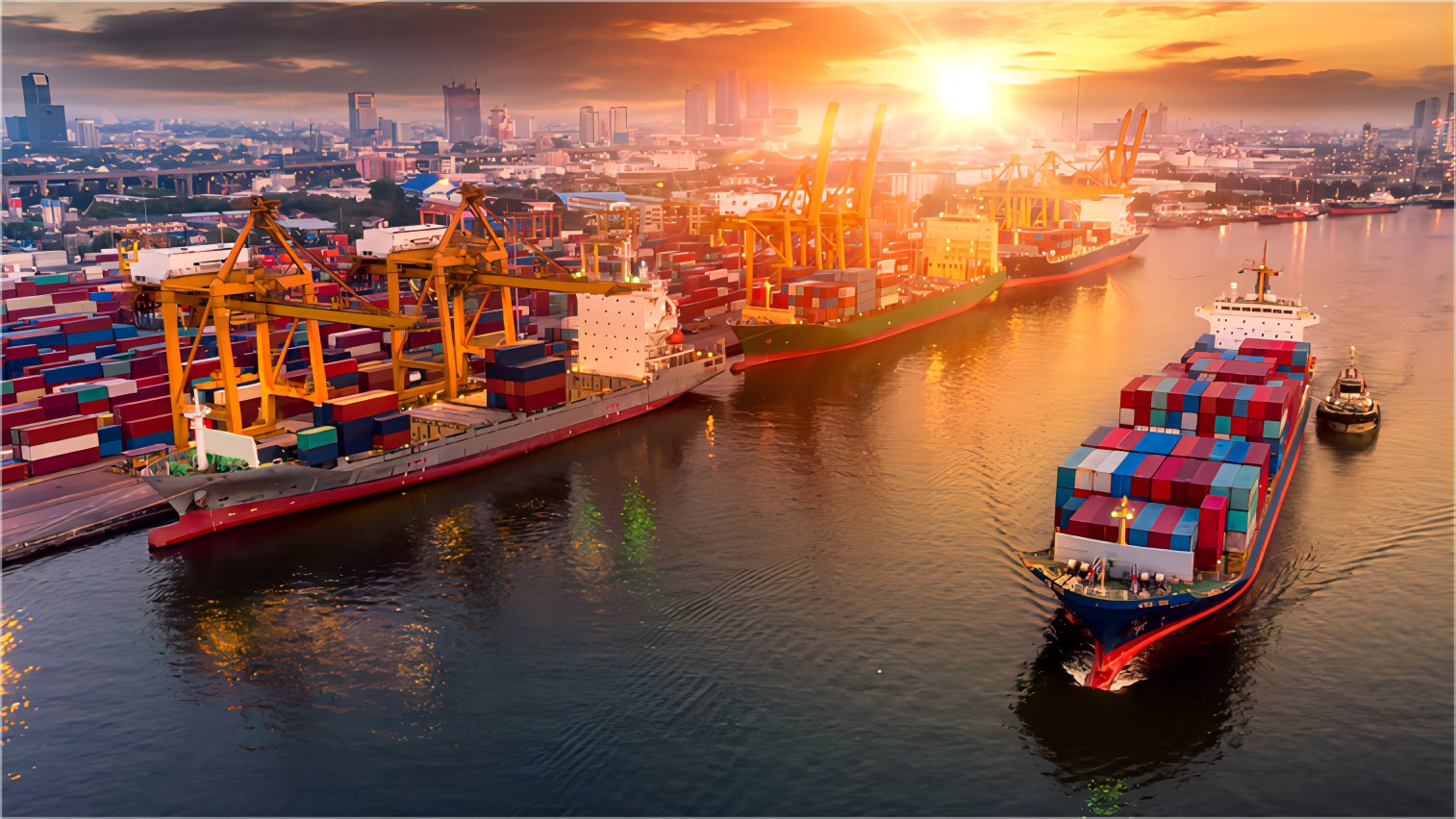
Securing a reliable shipping quote China to Oceania is the first step toward building a resilient supply chain in the modern trade landscape. As we navigate the complexities of 2026 global commerce, businesses must partner with experienced freight forwarders like Top China Cargo to ensure cost-effective and timely deliveries. Whether you are importing bulk commodities or specialized electronics, understanding the nuances of the Oceania market is essential for maintaining your competitive edge.
How Does Sea Freight Compare to Other Shipping Options?
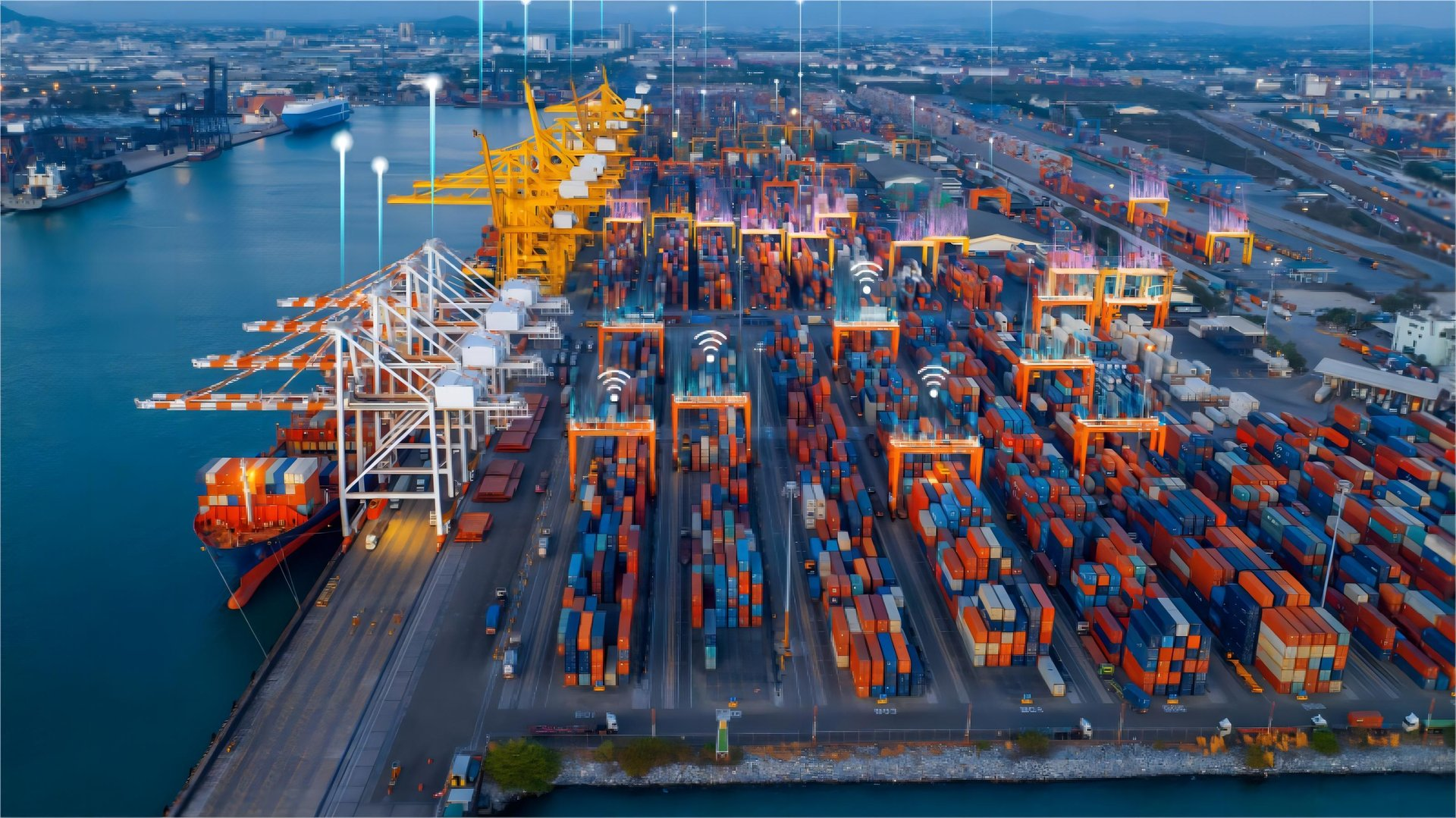
Evaluating different transport modes is vital when requesting a shipping quote China to Oceania. While sea freight remains the most popular choice for heavy or bulky items, air freight offers unmatched speed for urgent consignments. Consequently, the choice between these methods depends heavily on your specific budget, cargo volume, and required delivery schedule.
Sea freight offers significant economies of scale, especially for Full Container Load (FCL) shipments. In contrast, air freight provides a rapid solution for high-value goods that need to reach destinations like Sydney or Auckland within days rather than weeks. Moreover, hybrid solutions like sea-air combinations are gaining traction in 2026 as businesses seek a balance between cost and transit speed.
Choosing the right method involves analyzing the trade-offs between expense and efficiency. For instance, a shipment of seasonal apparel might justify the higher cost of air transport to avoid missing a market window. On the other hand, construction materials or furniture are almost always better suited for sea freight due to their weight and volume.
| Shipping Method | Cost Range (USD) | Transit Time | Best For |
|---|---|---|---|
| Sea Freight (FCL) | $1,200 – $2,800 | 12-22 Days | Large volumes, heavy machinery |
| Sea Freight (LCL) | $60 – $120 per CBM | 18-28 Days | Small shipments, pallets |
| Air Freight | $4.50 – $9.00 per kg | 3-7 Days | Urgent, high-value electronics |
| Express Service | $8.00 – $15.00 per kg | 2-5 Days | Samples, documents, small parcels |
Key Factors Influencing Your Shipping Quote China to Oceania
Several variables determine the final price you see on a shipping quote China to Oceania. Fuel surcharges, port congestion fees, and seasonal demand fluctuations play a major role in current 2026 pricing structures. Additionally, the specific origin port in China, such as Shanghai, Ningbo, or Shenzhen, can impact the local handling charges significantly.
Destination charges in Oceania also vary based on the infrastructure of the receiving port. For example, shipping from China to Australia may involve different biosecurity and handling fees compared to New Zealand or Fiji. Therefore, importers must account for these regional differences when calculating their total landed cost.
Container availability remains a critical factor in the early months of 2026. When demand peaks during the pre-Lunar New Year rush, rates can climb by 20% or more within a single week. Consequently, booking your space at least three to four weeks in advance is a recommended strategy to lock in more favorable rates.
Real-World Case Studies for Oceania Logistics
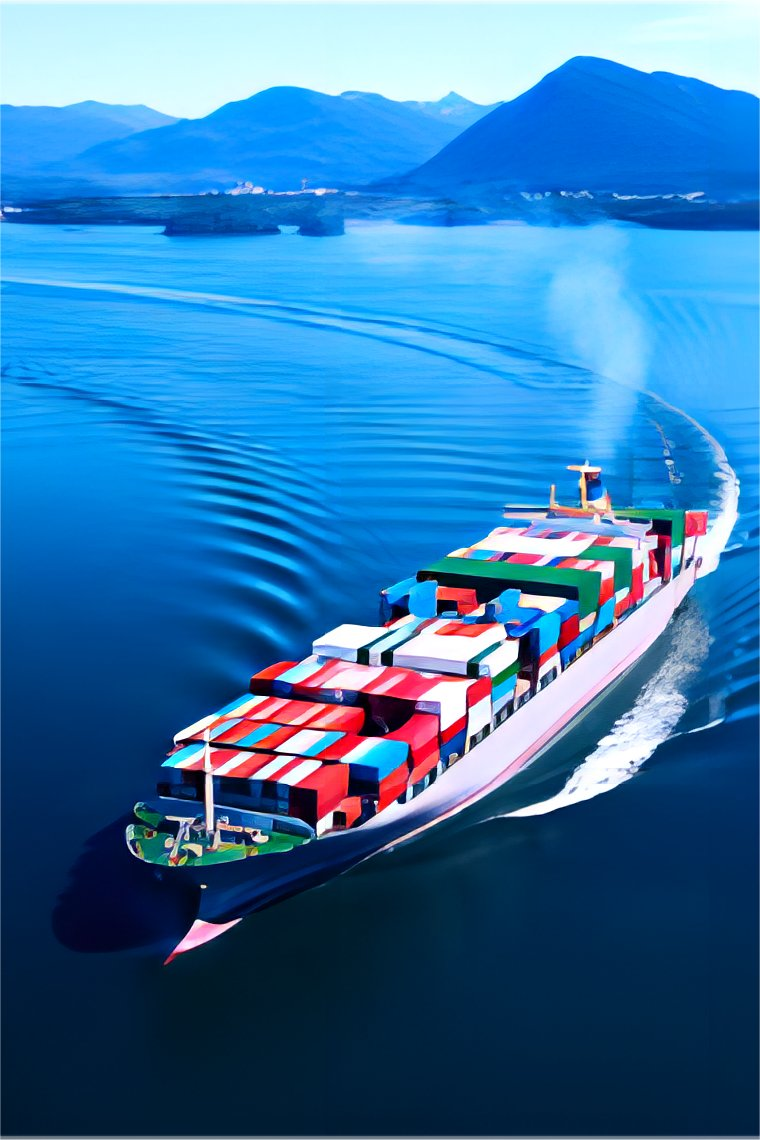
Reviewing actual shipping scenarios helps importers understand the practical application of freight strategies. These cases reflect market conditions as of early 2026 and highlight the importance of choosing the right service level for different cargo types.
Case Study 1: Electronics from Shenzhen to Sydney. Route: Shenzhen, China to Sydney, Australia. Cargo: Consumer electronics, 4.5 CBM, 950 kg. Method: LCL Sea Freight. Ocean Freight: $420. Origin Charges: $180. Destination Charges: $310. Customs and Duties: $1,250. Total Landed Cost: $2,160. Timeline: 19 days door-to-door. Insight: Utilizing LCL allowed the client to maintain inventory without the cost of a full container.
Case Study 2: Industrial Machinery from Ningbo to Auckland. Route: Ningbo, China to Auckland, New Zealand. Cargo: Precision lathe, 1 unit in 20GP container. Method: FCL Sea Freight. Ocean Freight: $1,650. Origin Charges: $250. Destination Charges: $480. Customs and Duties: $2,100. Total Landed Cost: $4,480. Timeline: 24 days door-to-door. Insight: Direct routing minimized handling risks for sensitive machinery.
Which Option Should You Choose? Decision Framework
Determining the best logistics path requires a clear understanding of your business priorities. If your primary goal is cost reduction, sea freight is the undisputed leader for most Oceania routes. However, if you are dealing with perishable goods or urgent replacement parts, air freight becomes a necessity despite the higher price point.
Volume thresholds often dictate the switch between LCL and FCL. Generally, if your shipment exceeds 15 cubic meters, booking a full 20GP container is more economical than paying per cubic meter for LCL. Furthermore, FCL shipments often experience fewer delays because they do not require the consolidation and deconsolidation processes associated with LCL cargo.
Cargo type also influences the decision significantly. Dangerous goods, oversized items, or temperature-sensitive products require specialized door-to-door solutions that can handle complex regulatory requirements. In these instances, the expertise of a professional logistics provider is invaluable for ensuring compliance and safety.
| Priority | Recommended Method | Key Benefit | Main Trade-off |
|---|---|---|---|
| Lowest Cost | Sea Freight (FCL) | Cheapest per unit | Longer transit time |
| Maximum Speed | Air Freight | Fastest delivery | High carbon footprint |
| Flexibility | Sea Freight (LCL) | Pay only for space used | Higher risk of damage |
| Convenience | Door to Door | Minimal effort | Higher service fees |
Navigating Customs and Documentation in 2026
Accurate documentation is the backbone of a successful import operation. Missing or incorrect paperwork can lead to expensive storage fees and lengthy delays at the port of discharge. Therefore, engaging a professional customs brokerage service is often the most effective way to manage these risks.
Oceania countries, particularly Australia and New Zealand, have some of the strictest biosecurity laws in the world. Indeed, ensuring that wood packaging is treated and that your commercial invoices are detailed is mandatory for avoiding fines. Moreover, staying updated on the latest free trade agreements can help you reduce or eliminate certain import duties.
Digital documentation is becoming the standard in 2026. Most carriers and customs authorities now prefer electronic bills of lading and digital certificates of origin. Consequently, maintaining a digital archive of all your shipping quotes and customs entries will streamline your internal auditing and compliance processes.
Cost-Saving Strategies for Oceania Importers
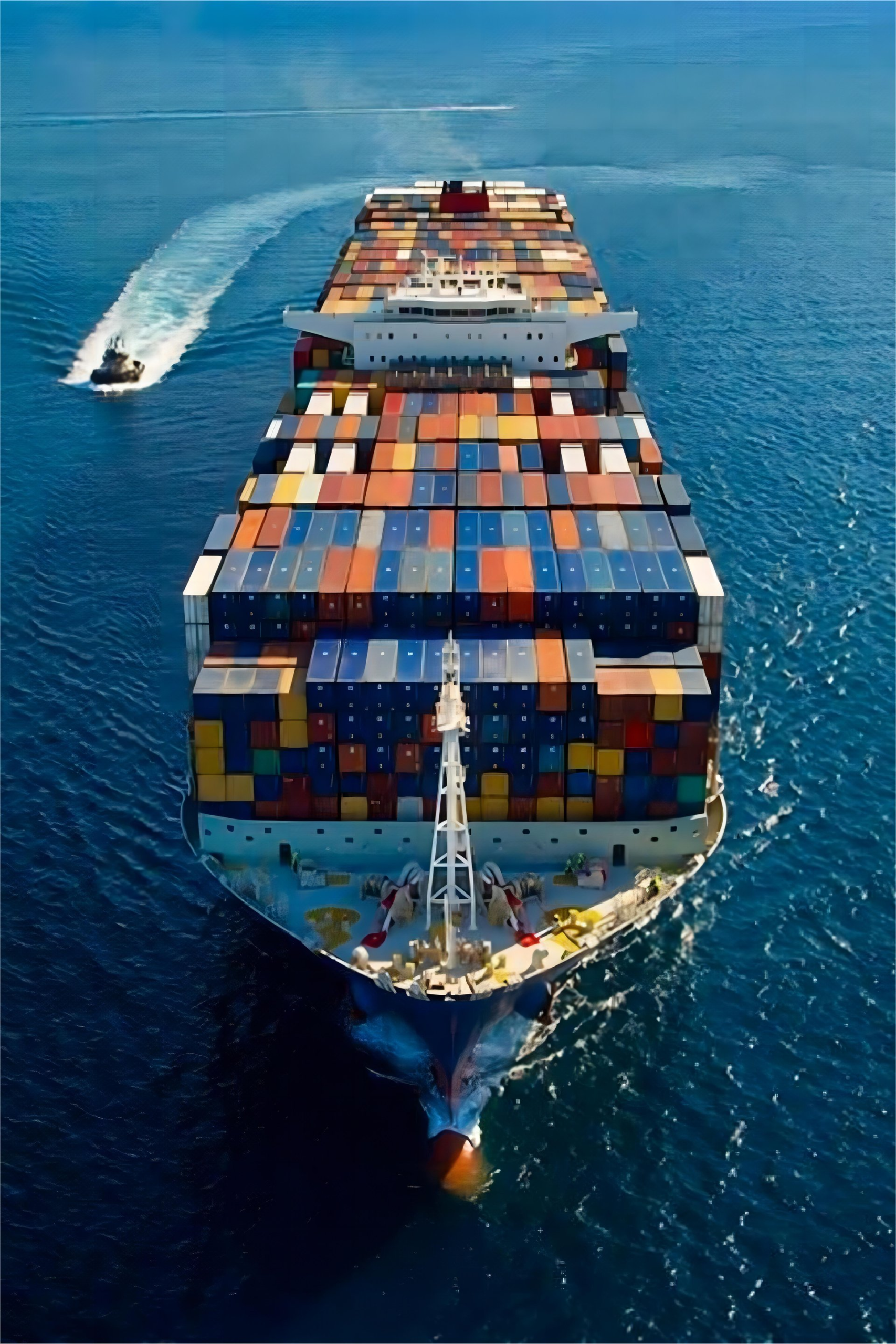
Reducing your logistics spend requires a proactive approach to shipment planning. One effective strategy is consolidating multiple small orders from different suppliers into a single FCL shipment. Additionally, negotiating annual volume contracts with your freight forwarder can provide more stable pricing throughout the year.
Optimizing your packaging can also lead to significant savings. By reducing the dimensions of your boxes or crates, you can fit more units into a container and lower your per-unit shipping cost. Furthermore, choosing off-peak shipping windows, such as the period immediately following the Golden Week holiday in China, can result in lower freight rates.
Market data suggests that importers who use ‘Free on Board’ (FOB) terms instead of ‘Cost, Insurance, and Freight’ (CIF) often have better control over their costs. By managing the freight portion themselves, they can choose their own forwarder and avoid hidden markups from suppliers. To summarize, taking control of your logistics chain is the most reliable way to secure a competitive shipping quote China to Oceania.
Final Thoughts on Oceania Shipping Quotes
Navigating the logistics landscape from China to Oceania in 2026 requires a blend of strategic planning and market intelligence. By understanding the factors that influence a shipping quote China to Oceania, importers can make informed decisions that balance speed, cost, and reliability. Whether you choose sea freight for its economy or air freight for its urgency, the key is to work with a partner who understands the local requirements of both origin and destination ports.
As global trade continues to evolve, staying adaptable and informed will remain your greatest asset. Implementing the cost-saving strategies and decision frameworks discussed in this guide will help you manage your shipping expenses effectively. Ultimately, a well-managed logistics process is not just about moving goods; it is about creating a sustainable advantage for your business in the competitive Oceania market.
Need a tailored shipping solution?
Ready to streamline your supply chain and secure the most competitive shipping quote China to Oceania for your next consignment? Contact our expert logistics team today to receive a personalized assessment of your shipping needs. Visit our inquiry page to start your journey toward hassle-free international trade. Learn more at https://topchinacargo.com/contact-us/