

Germany Import Shipping from China Customs Clearance Service: 2026 Guide
Germany import shipping from China customs clearance service remains a cornerstone for European businesses seeking high-quality goods at competitive prices. Navigating the intricate landscape of international logistics requires a strategic approach and a reliable partner like Top China Cargo to manage the entire process. Furthermore, the 2026 trade environment demands a deep understanding of evolving regulations and digital documentation to avoid costly delays at the border.
What is the Germany Import Shipping from China Customs Clearance Service?
Professional customs clearance involves more than just submitting paperwork to the authorities. It encompasses a comprehensive suite of services designed to ensure that goods enter Germany legally and efficiently.
Importers must navigate the ATLAS electronic system, which the German customs administration uses for automated processing. Consequently, having a dedicated service provider helps in managing these digital submissions without technical errors.
Moreover, the service includes the calculation of import duties and Value Added Tax (VAT) based on the specific HS codes of your products. Accurate classification is essential because even minor errors can lead to significant fines or seized cargo.
Additionally, the 2026 regulatory framework emphasizes environmental compliance and sustainability documentation. Expert consultants help you verify that your suppliers meet these new European standards before the goods even leave the Chinese port.
How Does Sea Freight Compare to Other Shipping Options?
Choosing the right transportation mode is a balance between budget constraints and delivery timelines. While sea freight remains the most cost-effective solution for high-volume shipments, other methods offer distinct advantages for specific needs.
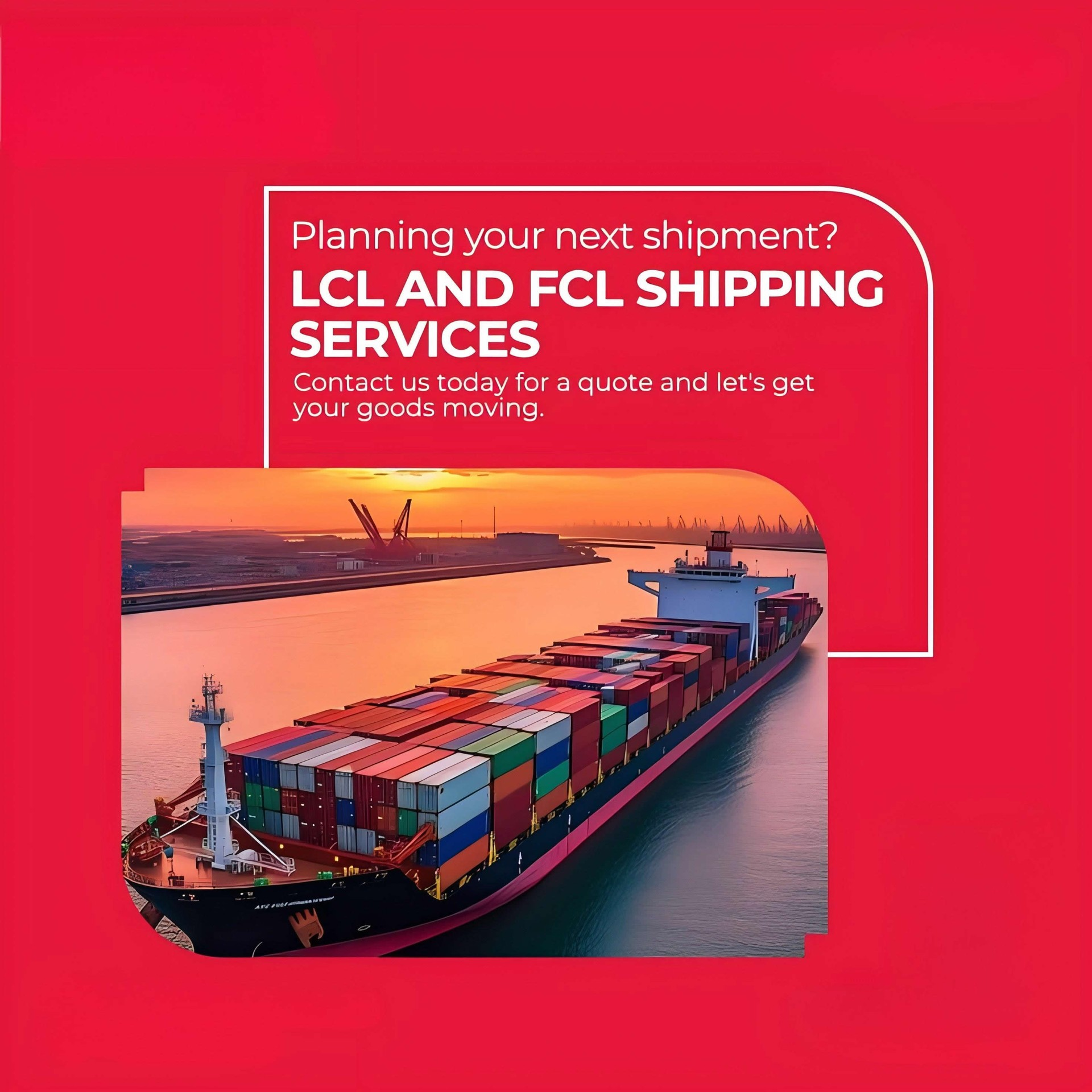
Ocean transport allows for Full Container Load (FCL) or Less than Container Load (LCL) configurations. This flexibility ensures that both small businesses and large corporations can optimize their shipping costs effectively.
In contrast, air freight provides the fastest transit but at a much higher price point. Rail freight has emerged as a popular middle ground, offering faster speeds than the sea and lower costs than the air.
Below is a detailed comparison of the primary shipping methods available for the China-to-Germany route in 2026.
| Shipping Method | Cost Range (2026) | Transit Time | Best For |
|---|---|---|---|
| Sea Freight (FCL) | $3,000 – $4,500 | 30 – 40 Days | Large volumes and heavy cargo |
| Air Freight | $5.50 – $9.00/kg | 5 – 8 Days | High-value or urgent goods |
| Rail Freight | $2,200 – $3,200 | 18 – 22 Days | Balance of speed and cost |
| Express Service | $8.00 – $12.00/kg | 3 – 5 Days | Small parcels and samples |

The Critical Role of Customs Brokerage in 2026
Efficient customs brokerage is the backbone of a successful import strategy. Brokers act as intermediaries between your business and the German customs authorities to ensure all regulations are met.
They handle the complex task of securing an EORI (Economic Operators Registration and Identification) number, which is mandatory for all businesses importing into the EU. Without this number, your shipment will be held at the port indefinitely.
Furthermore, brokers assist with VAT deferment schemes that can significantly improve your company’s cash flow. Instead of paying VAT immediately at the border, certain programs allow for payment at a later date.
Indeed, the 2026 updates to the Union Customs Code have introduced stricter data requirements. A professional broker ensures your data is accurate, preventing the administrative delays that often plague inexperienced importers.
Rail Freight: The Strategic Middle Ground
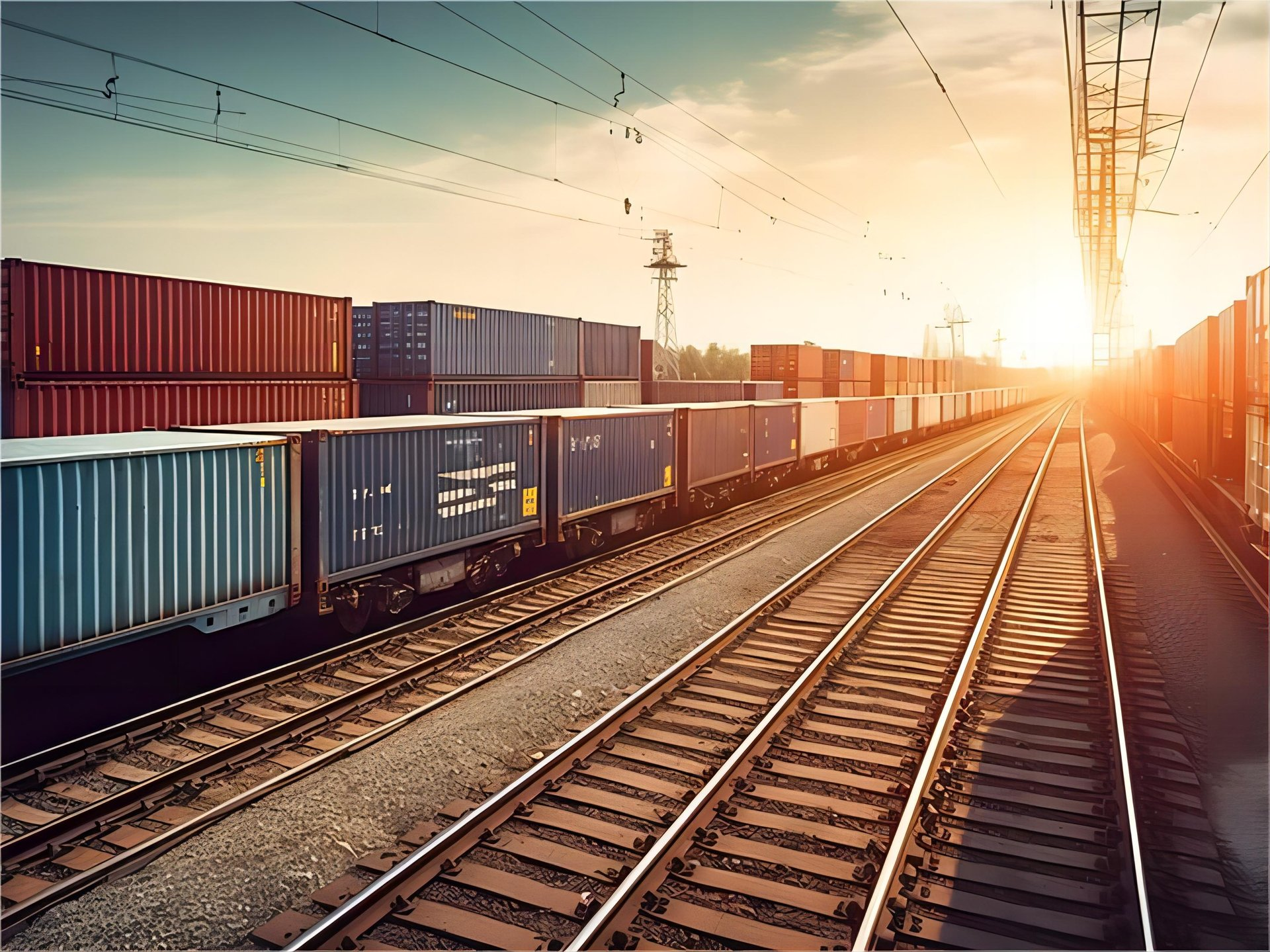
Utilizing rail freight has become a strategic necessity for many German importers. The Iron Silk Road connects major Chinese hubs like Chengdu and Xi’an directly to German terminals in Duisburg and Hamburg.
Transit times for rail are approximately half of those for sea freight, making it ideal for seasonal inventory. Moreover, the environmental impact of rail is significantly lower than that of air transport, aligning with modern corporate social responsibility goals.
However, capacity can fluctuate based on geopolitical stability along the trans-Eurasian corridors. Importers should always have a contingency plan and stay informed about current rail conditions through their logistics provider.
Specifically, rail is excellent for automotive parts, electronics, and consumer goods that require a predictable delivery schedule without the extreme cost of air transport.
Why Choose Door to Door Shipping Solutions?
Many modern businesses prefer door to door services to minimize the complexity of their supply chain. This comprehensive model covers everything from the factory pickup in China to the final delivery at your warehouse in Germany.
By consolidating all logistics steps under a single provider, you reduce the risk of communication breakdowns between different carriers. This integration is particularly beneficial for managing the Germany import shipping from China customs clearance service effectively.
Consequently, you receive a single invoice and a single point of contact for tracking. This transparency allows for better inventory planning and reduces the administrative burden on your internal staff.
Additionally, door-to-door services often include insurance and final-mile delivery via truck or van. This ensures that your goods are protected and handled professionally until they reach their destination.
Essential Documentation for German Customs
Proper documentation is the most critical factor in avoiding delays during the customs clearance process. The German authorities are known for their precision and strict adherence to paperwork requirements.
You must provide a Commercial Invoice that clearly states the value, description, and HS codes of the goods. Additionally, a Packing List detailing the dimensions and weight of every carton is required for physical inspections.
The Bill of Lading (for sea) or Air Waybill (for air) serves as the contract of carriage and title to the goods. Furthermore, a Certificate of Origin may be necessary to benefit from specific trade agreements or to comply with import quotas.
Importers should also be prepared to provide technical data sheets or CE certification for electronic products. Ensuring these documents are ready before the ship arrives will drastically speed up the release of your cargo.
| Document Name | Purpose | Provided By | Necessity |
|---|---|---|---|
| Commercial Invoice | Value and Tax Assessment | Exporter (China) | Mandatory |
| Packing List | Cargo Verification | Exporter (China) | Mandatory |
| EORI Number | Importer Identification | Importer (Germany) | Mandatory |
| CE Certificate | Safety Compliance | Manufacturer | Required for Electronics |
Real-World Case Studies and Scenarios
Analyzing real-world examples provides valuable insights into the practicalities of shipping and customs clearance. These scenarios reflect the current 2026 market conditions and common challenges faced by importers.
Case Study 1: Electronics from Shenzhen to Berlin. A tech startup imported 20 CBM of consumer electronics via sea freight. The cargo was shipped in a 20GP container with a total landed cost of $4,800, including duties. The process took 38 days door-to-door, with customs clearance completed in just 2 days thanks to pre-filed documentation.
Case Study 2: Industrial Machinery from Ningbo to Munich. A manufacturing firm used rail freight for 15 CBM of precision tools. The transit time was 21 days, and the total cost was $3,500. Despite a brief delay at the Polish border for inspection, the use of a professional broker ensured the machinery reached Munich on schedule.
Case Study 3: Urgent Spare Parts from Shanghai to Frankfurt. An automotive plant required urgent components and chose air freight. The 500kg shipment arrived in 5 days with a total cost of $4,200. Rapid customs processing at Frankfurt Airport allowed the factory to avoid a costly production shutdown.
Which Option Should You Choose? Decision Framework
Selecting the optimal shipping method depends on your specific business priorities and the nature of your cargo. If your primary goal is cost reduction and you have flexible timelines, sea freight is the logical choice.
However, if you are dealing with perishable goods or high-value items with a short market life, air freight is worth the investment. Rail freight serves as the best alternative when you need a balance of speed and sustainability.
Consider the volume of your shipment as well; LCL is perfect for smaller batches, while FCL offers better security and lower per-unit costs for large orders. Always consult with your logistics provider to get a quote tailored to the 2026 market rates.
Note: Freight rates are subject to change based on fuel costs, carrier capacity, and seasonal demand. Contact us for a current quote tailored to your specific shipment.

Final Thoughts on Importing to Germany
Successfully managing the Germany import shipping from China customs clearance service requires a combination of local knowledge and global logistics expertise. By understanding the different shipping modes and the nuances of German customs regulations, you can build a resilient supply chain.
Furthermore, the integration of digital tools and professional brokerage services will be essential for navigating the trade environment of 2026. Prioritizing accurate documentation and selecting the right transport partner are the most effective ways to ensure long-term success.
Ultimately, staying informed about market trends and regulatory changes allows you to adapt quickly and maintain your competitive advantage in the European market.
Need a tailored shipping solution?
Streamline your supply chain today with our expert Germany import shipping from China customs clearance service. Our team ensures your cargo moves efficiently across borders while minimizing costs and compliance risks. Visit Top China Cargo to request your personalized 2026 shipping quote now. Send Inquiry: https://topchinacargo.com/contact-us/