

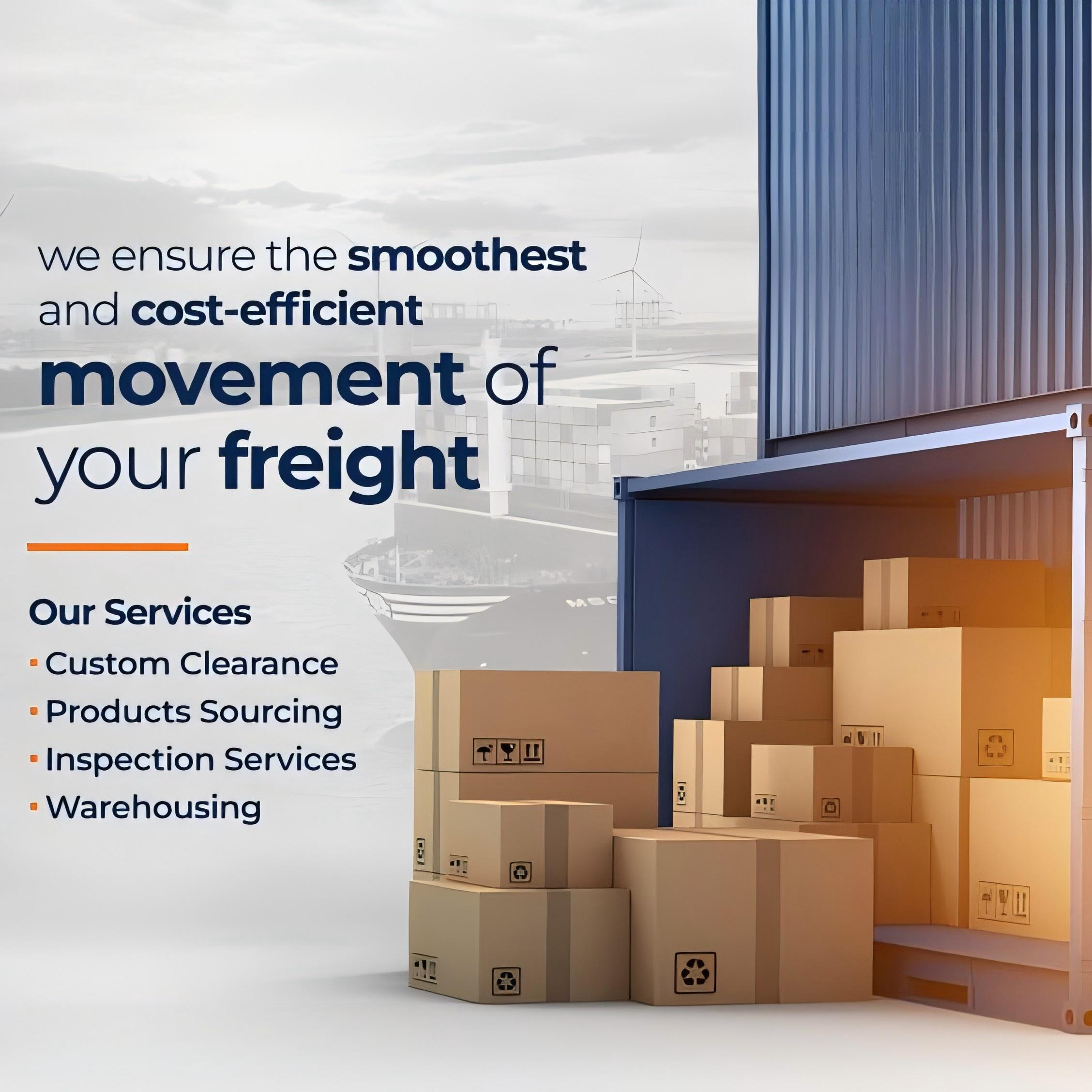
Freight Forwarder China to Spain DDP Logistics Service: 2026 Expert Guide
“Finding a reliable freight forwarder china to Spain ddp logistics service is the most effective way to streamline your international supply chain in 2026. Businesses often struggle with complex customs regulations and unexpected port fees when importing goods into the European Union. By partnering with Top China Cargo, you can ensure your cargo arrives safely while avoiding the typical headaches associated with global trade. This comprehensive guide explores how Delivered Duty Paid solutions simplify your operations by managing everything from the factory floor in China to your final warehouse in Spain.”

What is a DDP Logistics Service for China to Spain?
❖Delivered Duty Paid (DDP) is an incoterm where the seller or their freight forwarder assumes all responsibility, risk, and costs associated with transporting goods. Specifically, this includes paying for shipping, insurance, export clearance, import duties, and VAT in Spain. Consequently, the buyer only needs to receive the goods at their specified location without worrying about administrative burdens.
Moreover, choosing a DDP service provides price certainty since all costs are calculated upfront. This model is particularly beneficial for e-commerce sellers and small businesses that lack a dedicated logistics department. Therefore, you can focus on marketing and sales while the logistics provider handles the intricate details of international shipping laws.
Additionally, our door to door service integrates seamlessly with DDP terms to provide a hands-off experience. We manage the entire journey, ensuring that your cargo moves efficiently through transit hubs. Indeed, this approach minimizes delays and prevents the common communication gaps found in multi-provider shipping chains.
Why Should You Use a Freight Forwarder China to Spain DDP Logistics Service?
❖Efficiency remains the primary reason most Spanish importers prefer DDP logistics over other shipping terms. Furthermore, the freight forwarder handles all interactions with Spanish customs authorities, which can be notoriously strict regarding documentation. As a result, you avoid the risk of cargo being held at the port of Barcelona or Valencia due to paperwork errors.
Cost control is another significant advantage of this logistics model. Since the freight forwarder provides an all-in rate, you are protected from fluctuating port charges and sudden currency shifts. Meanwhile, the forwarder leverages high-volume contracts with carriers to secure better rates than an individual importer could achieve alone.
Nevertheless, the most valuable benefit is the reduction in logistical complexity. Instead of managing separate contracts for trucking, ocean freight, and customs brokerage, you have a single point of contact. Consequently, tracking your shipment becomes much simpler as you only need to monitor one tracking number for the entire journey.
How Does DDP Sea Freight Compare to Other Options?
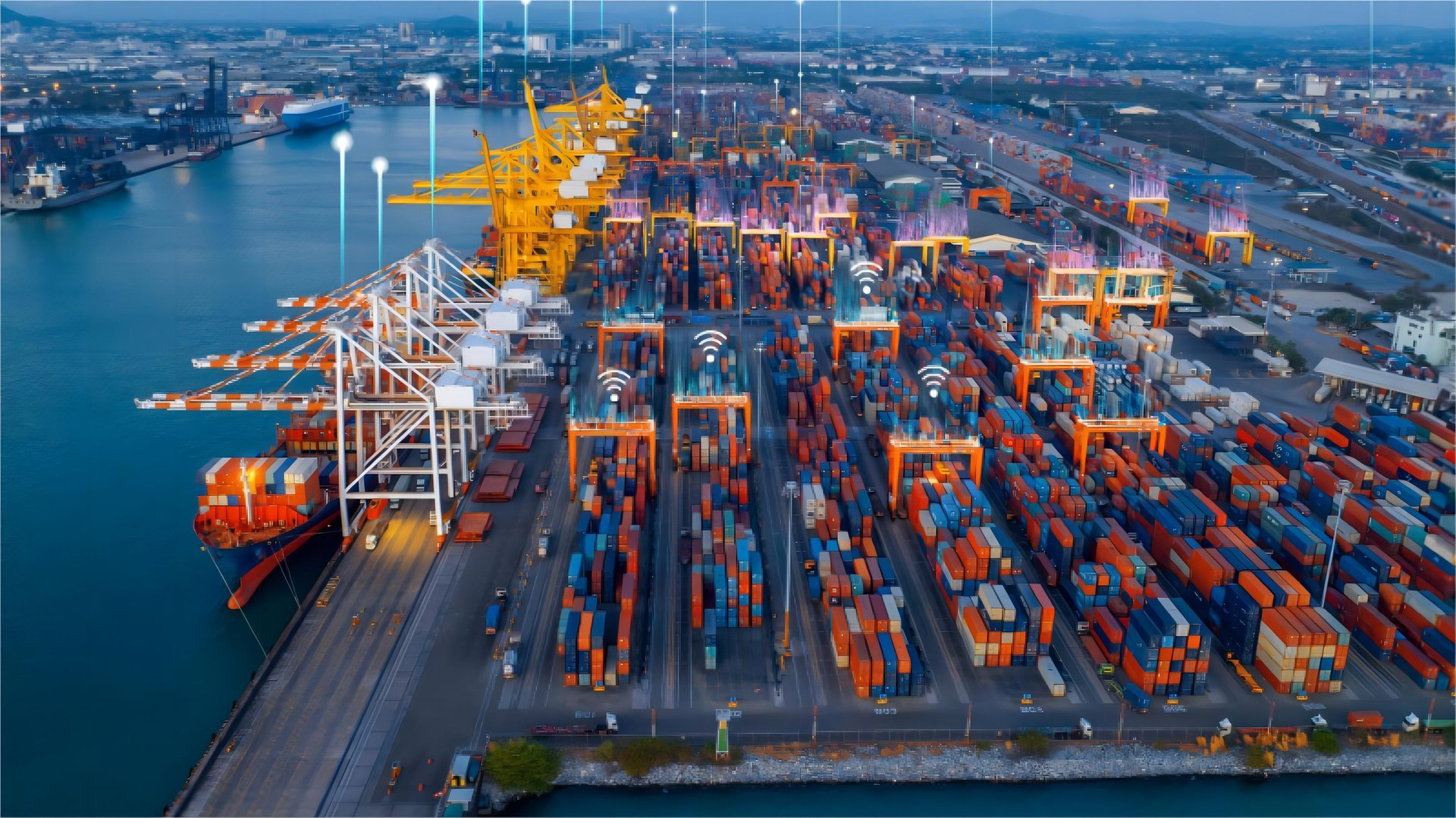
❖Large shipments typically travel via sea freight because it offers the lowest cost per cubic meter. In 2026, ocean carriers have optimized routes from major Chinese ports like Ningbo and Shenzhen to Spanish hubs. However, the transit time is significantly longer than other methods, usually ranging from 30 to 40 days.
For smaller volumes, Less than Container Load (LCL) allows you to pay only for the space you use. On the other hand, Full Container Load (FCL) is more secure and faster for high-volume orders. Therefore, your choice depends on the total volume and your specific inventory requirements.
Typical rates as of early 2026 suggest that sea freight remains the backbone of China-Spain trade. While fuel surcharges can vary, the overall stability of ocean routes makes it the preferred choice for non-urgent goods. Indeed, planning your inventory cycles around these transit times can save your business thousands of dollars annually.
| Method | Cost Level | Transit Time | Best For |
|---|---|---|---|
| Sea Freight (FCL) | Low | 30-40 Days | Bulk Goods |
| Rail Freight | Medium | 20-25 Days | Industrial Parts |
| Air Freight | High | 5-9 Days | High-Value Tech |
| Express Service | Premium | 3-5 Days | Samples/Urgent |
Is Air Freight DDP Suitable for Your Urgent Shipments?
❖High-value or time-sensitive products often require the speed of air freight to meet market demands. For instance, electronics and fashion items benefit from arriving in Spain within a week of leaving the factory in China. Consequently, the higher cost is often justified by the ability to restock inventory quickly and capture sales trends.
Furthermore, our DDP air service includes specialized handling and rapid customs clearance at Madrid-Barajas Airport. Unlike sea freight, air cargo undergoes faster processing, which reduces the total door-to-door timeline. Additionally, the risk of damage is significantly lower due to reduced handling during transit.
Market data suggests that air freight rates have stabilized in 2026 after the fluctuations of previous years. However, it is essential to calculate the volumetric weight of your shipment to avoid unexpected costs. To summarize, air freight is the best solution when speed and security are your top priorities.
The Rise of Rail Freight DDP from China to Spain
❖Interestingly, rail freight has become a popular middle-ground option for Spanish importers. The Yiwu-Madrid railway line remains one of the longest and most efficient land routes for transporting consumer goods. Consequently, it offers a faster alternative to sea freight while remaining much cheaper than air transport.
Moreover, rail transport is considered more environmentally friendly than air or sea options. Many corporations in Spain are now choosing rail to meet their sustainability goals for 2026. In addition, the transit time of 20 to 25 days provides a reliable schedule for medium-priority shipments.
Nevertheless, rail freight can be subject to seasonal congestion during peak periods like the Golden Week or before Christmas. Therefore, we recommend booking your space at least two weeks in advance. Without a doubt, rail is a strategic choice for businesses looking to balance cost and speed.
Navigating Customs Clearance with a DDP Provider
❖Expert customs brokerage is included in every DDP shipment to ensure full compliance with Spanish tax laws. Specifically, the freight forwarder handles the EORI registration, HS code classification, and VAT payments on your behalf. As a result, your business avoids the risk of legal penalties or long-term audits from the Spanish Tax Agency.
Furthermore, having a professional team manage the paperwork prevents common errors that lead to cargo seizure. For example, incorrect valuation of goods is a frequent cause of delays that a DDP provider can easily prevent. Consequently, the entire clearance process becomes invisible to you, appearing as a simple domestic delivery.
Indeed, the complexity of EU trade regulations in 2026 requires specialized knowledge. By utilizing a DDP service, you leverage the expertise of agents who understand the specific requirements for different product categories. Therefore, you can rest assured that your import process is fully optimized and legal.
| Document | Description | Required For |
|---|---|---|
| Commercial Invoice | Detailed list of goods and value | All Shipments |
| Packing List | Weight and dimensions per box | All Shipments |
| Bill of Lading | Contract of carriage | Sea/Rail |
| Cert. of Origin | Proof of manufacture location | Specific Goods |
How Does DDP Compare to Other Shipping Options?
❖Analyzing alternative strategies is crucial for optimizing your logistics budget. While DDP is the most convenient, some large enterprises prefer FOB (Free On Board) to have more control over the international leg. However, FOB requires the buyer to manage their own customs and duties in Spain, which adds significant administrative labor.
In contrast, CIF (Cost, Insurance, and Freight) covers the journey to the Spanish port but leaves the buyer responsible for unloading and import clearance. Consequently, CIF often leads to hidden costs at the destination port that were not initially budgeted. For instance, port storage fees can accumulate quickly if customs clearance is not handled immediately.
Hybrid solutions, such as sea-air combinations, are also available for those needing to bypass port congestion. While these are less common for the China-Spain route, they can be utilized during peak seasons. To summarize, DDP remains the most predictable and user-friendly option for the majority of importers.
| Incoterm | Seller Responsibility | Buyer Responsibility | Risk Transfer |
|---|---|---|---|
| DDP | All costs and duties | Unloading only | At buyer’s door |
| FOB | Loading at origin | All freight and duties | At ship’s rail |
| CIF | Freight to port | Duties and local delivery | At ship’s rail |
| EXW | Pickup ready | Everything from factory | At seller’s factory |
Realistic Case Studies: China to Spain DDP Success
❖Case Study 1: Electronics from Shenzhen to Madrid. Route: Shenzhen to Madrid Cargo: High-end tablets, 8 CBM, 1500 kg Container: LCL Sea Freight Shipping Details: – Carrier: Major ocean carrier – Port of Loading: Shenzhen – Port of Discharge: Valencia – Route Type: Direct Cost Breakdown: – Ocean Freight: $950 – Origin Charges: $200 – Destination Charges: $350 – Customs and Duties: $1,200 – Total Landed Cost: $2,700 Timeline: – Booking to Loading: 3 days – Sea Transit: 32 days – Customs Clearance: 2 days – Total Door-to-Door: 37 days Key Insight: The client saved 15% compared to air freight while maintaining a steady inventory flow.
Case Study 2: Industrial Equipment from Shanghai to Barcelona. Route: Shanghai to Barcelona Cargo: CNC Machinery, 24 CBM, 8000 kg Container: 20GP FCL Shipping Details: – Carrier: COSCO – Port of Loading: Shanghai – Port of Discharge: Barcelona – Route Type: Direct Cost Breakdown: – Ocean Freight: $2,100 – Origin Charges: $300 – Destination Charges: $400 – Customs and Duties: $3,500 – Total Landed Cost: $6,300 Timeline: – Booking to Loading: 5 days – Sea Transit: 35 days – Customs Clearance: 3 days – Total Door-to-Door: 43 days Key Insight: FCL provided the necessary security for sensitive machinery and simplified the DDP billing process.
Note: Freight rates are subject to change based on fuel costs, carrier capacity, and seasonal demand. Contact us for a current quote tailored to your specific shipment.
Which Option Should You Choose for Your Business?
❖Budget priority should lead you toward sea freight DDP, especially for non-perishable goods. If your profit margins are tight, the low cost per unit offered by ocean transport is unbeatable. Furthermore, planning your orders 2-3 months in advance will mitigate the impact of longer transit times.
Speed priority necessitates air freight DDP to ensure you never run out of stock. For instance, if a product goes viral on social media, the ability to replenish in 7 days is vital for business growth. Consequently, the higher shipping cost is a strategic investment in customer satisfaction and brand reputation.
Cargo type also dictates the method, as hazardous materials or extremely heavy machinery may have limited options. Specifically, certain chemicals are restricted on aircraft and must travel via sea or rail. Therefore, consulting with an experienced freight forwarder is essential to determine the most compliant and cost-effective route.
Conclusion
To summarize, utilizing a freight forwarder china to Spain ddp logistics service is the most reliable way to navigate the complexities of international trade in 2026. Whether you choose sea, air, or rail, the DDP model ensures that your costs are transparent and your administrative burden is minimal. By focusing on your core business while experts handle the logistics, you can achieve a more scalable and efficient supply chain. Indeed, the right logistics partner will not only move your goods but also provide the strategic support needed to grow your presence in the Spanish market.

Ready to streamline your logistics?
Are you ready to simplify your imports with a professional freight forwarder china to Spain ddp logistics service? Contact Top China Cargo today to receive a customized quote that covers everything from pickup to final delivery. Send Inquiry link: https://topchinacargo.com/contact-us/
Request Quote