

Freight Forwarder China to Brazil DDP Shipping Service: 2026 Guide
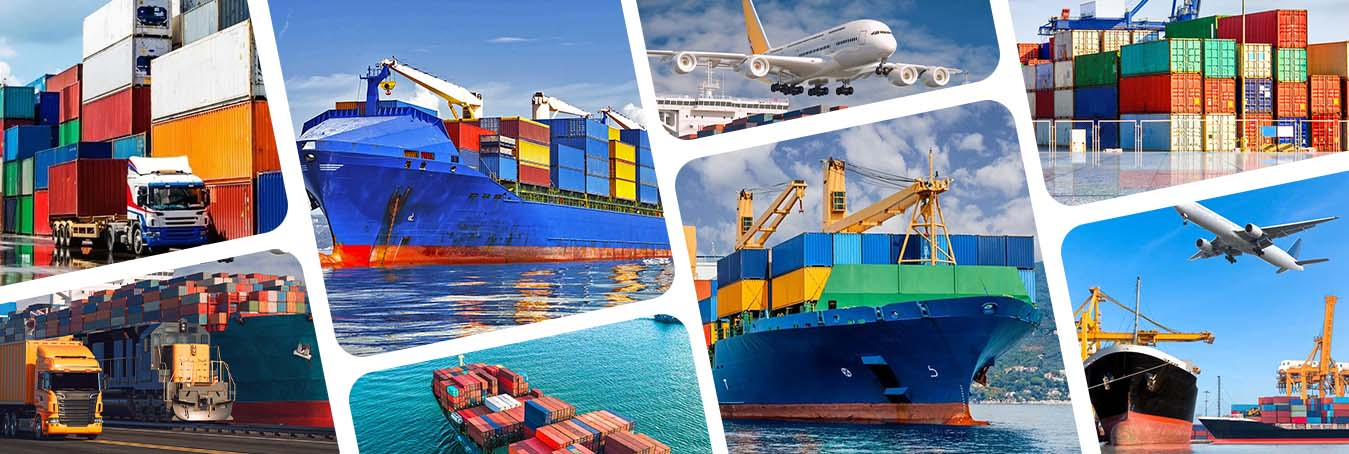
Navigating international trade between Asia and South America often presents significant challenges due to complex customs regulations. Many importers struggle with unexpected taxes and lengthy delays when moving goods across the ocean. Choosing a reliable freight forwarder china to Brazil ddp shipping service provides a comprehensive solution that manages every logistical detail from the factory to your warehouse. This all-inclusive approach ensures that your business remains competitive in the evolving 2026 marketplace.

What is a Freight Forwarder China to Brazil DDP Shipping Service?
Delivered Duty Paid (DDP) is a specialized shipping agreement where the seller assumes all responsibility for transporting goods. This includes paying for all shipping costs, export duties, import taxes, and insurance during the journey. Consequently, the buyer is only responsible for receiving the goods once they arrive at the final destination in Brazil.
Furthermore, using a dedicated freight forwarder simplifies the entire supply chain by providing a single point of contact. In the context of 2026 trade, this service is essential for navigating Brazil’s intricate tax system, known as ‘Custo Brasil’. Therefore, businesses can focus on sales and marketing while the logistics provider handles the heavy lifting of international transit.
Choosing this method eliminates the risk of hidden fees that often surprise importers during the customs clearance phase. Since the forwarder calculates all costs upfront, you can maintain precise profit margins for your inventory. Indeed, this transparency is the primary reason why DDP has become the preferred choice for modern e-commerce and industrial importers alike.
How Does DDP Compare to Other Shipping Options?
Understanding the differences between shipping incoterms is vital for making an informed decision for your business. While options like FOB or CIF might seem cheaper initially, they often result in higher total landed costs due to separate handling fees. On the other hand, DDP provides a fixed price that covers the entire journey from the Chinese factory to the Brazilian doorstep.
Moreover, alternative strategies such as DDU (Delivered Duty Unpaid) require the importer to manage the complex Brazilian customs process personally. This often leads to delays if the importer lacks the necessary RADAR license or local brokerage expertise. In contrast, a DDP service utilizes the forwarder’s established legal entities to streamline the entry of goods into the country.
For smaller shipments, some companies consider express couriers, but these can be prohibitively expensive for bulk cargo. Meanwhile, traditional sea freight remains the most economical choice for large volumes, especially when paired with a DDP arrangement. To summarize, DDP offers the highest level of convenience and cost-predictability among all available shipping methods.
| Shipping Method | Cost Range | Transit Time | Best For | Limitations |
|---|---|---|---|---|
| DDP Sea Freight | $3,000 – $5,500 per 40HQ | 35-45 Days | Bulk goods & E-commerce | Longer transit time |
| DDP Air Freight | $8 – $15 per kg | 7-12 Days | High-value electronics | High cost for weight |
| FOB / CIF | $1,800 – $3,000 (Freight only) | 35-45 Days | Experienced importers | Buyer handles Brazil taxes |
| Express Courier | $20 – $35 per kg | 4-6 Days | Urgent samples | Extremely high tax risk |
Why Choose DDP for Importing to Brazil in 2026?
Brazil is notorious for its complex customs environment and high import tariffs which can exceed 60% of the cargo value. Additionally, the Brazilian tax structure involves multiple layers including IPI, ICMS, PIS, and COFINS. Navigating these requirements without a professional air freight or sea freight partner often results in cargo being seized or heavily fined.
However, a DDP service provider manages these tax calculations on your behalf before the cargo even leaves China. This proactive approach ensures that all documentation is perfectly aligned with the latest 2026 Brazilian customs mandates. Consequently, the likelihood of inspections and ‘Red Channel’ delays is significantly reduced for your shipments.
Another benefit involves the removal of the need for a local Brazilian import license for every single transaction. Many small to medium enterprises do not have the volume to justify the cost of maintaining a full RADAR license. By leveraging the forwarder’s infrastructure, these businesses can still access the Brazilian market efficiently and legally.

Transit Times and Logistics Hubs
Shipping from China to Brazil involves crossing vast distances, typically requiring 35 to 50 days for ocean transport. Major loading ports in China include Shanghai, Ningbo, Shenzhen, and Qingdao, which offer the most frequent departures. On the Brazilian side, the Port of Santos serves as the primary gateway, handling the majority of the nation’s containerized cargo.
In addition to Santos, other critical ports include Paranagua, Itajai, and Rio de Janeiro, depending on the final destination of your goods. For urgent shipments, air cargo hubs like Guarulhos International Airport in Sao Paulo provide much faster alternatives. Nevertheless, air transit still requires careful coordination to manage the ground handling and customs procedures efficiently.
Market data from early 2026 suggests that direct sea routes are becoming more stabilized after previous global disruptions. While transshipment via Singapore or Europe is possible, direct services generally offer better reliability and shorter lead times. Therefore, always confirm with your forwarder whether they are booking a direct vessel or a multi-stop route.
Real Case Studies for China to Brazil Shipments
Case Study 1: Electronics Distribution to Sao Paulo. A client needed to move 500 units of high-end tablets from Shenzhen to a warehouse in Sao Paulo. By utilizing our customs brokerage expertise within a DDP framework, the client avoided a 30% tax over-calculation error. The goods arrived in 10 days via air freight with all duties pre-paid.
Case Study 2: Industrial Components to Curitiba. A manufacturing firm required a 20GP container of specialized valves from Ningbo. Choosing sea freight DDP allowed them to lock in a landed cost of $4,200, which included all inland trucking in Brazil. As a result, they maintained their production schedule without any financial surprises at the port.
Case Study 3: Retail Apparel for Rio de Janeiro. An e-commerce brand imported 15 CBM of clothing using LCL (Less than Container Load) shipping. Despite the high textile taxes in Brazil, our DDP service provided a flat rate per cubic meter. This allowed the brand to price their products accurately on local marketplaces like Mercado Livre.
Case Study 1: High-Value Electronics
Route: Shenzhen, China to Sao Paulo, Brazil. Cargo: 500 Tablets, 2.5 CBM, 450 kg. Method: DDP Air Freight. Total Landed Cost: $12,400. Transit Time: 9 Days. Key Insight: Pre-clearing the electronics through the ‘Green Channel’ saved the client 5 days in local storage fees.
Case Study 2: Industrial Machinery
Route: Ningbo, China to Curitiba, Brazil. Cargo: Industrial Valves, 20GP Container. Method: DDP Sea Freight. Total Landed Cost: $7,850. Transit Time: 42 Days. Key Insight: Using a direct route to Paranagua reduced the risk of transshipment damage and lowered the total insurance premium.
Which Shipping Option Should You Choose?
Deciding between air and sea freight depends primarily on your budget, cargo volume, and required delivery speed. If you are shipping goods with a high value-to-weight ratio, such as smartphones or medical equipment, air freight is usually the most logical choice. Conversely, for heavy or bulky items like furniture and machinery, sea freight offers far superior cost-efficiency.
Furthermore, you should consider the seasonal trends of the Brazil-China trade lane. During the peak season from August to October, rates typically increase by 15-25% due to high demand for year-end holiday inventory. In such cases, booking your door to door service at least 4 weeks in advance is highly recommended to secure space.
Volume thresholds also play a role in your decision-making process. For shipments under 1 CBM, express courier might be faster, but DDP LCL is usually safer for customs compliance. Once your shipment exceeds 15 CBM, upgrading to a Full Container Load (FCL) becomes more economical than paying for individual cubic meters in a shared container.
Essential Documentation for Brazil DDP Shipping
Even with a DDP service, providing accurate documentation is critical to avoid delays at the Brazilian border. The most important document is the Commercial Invoice, which must include the NCM (Nomenclatura Comum do Mercosul) code for every item. This code determines the tax rate and any specific import licenses required by the Brazilian government.
Additionally, the Packing List must precisely match the physical cargo in terms of weight, dimensions, and quantity. Any discrepancies can lead to the ‘Grey Channel’ inspection, which involves a detailed audit of the entire shipment and the company’s financial records. Therefore, double-checking all paperwork before the cargo departs China is a mandatory step in our logistics process.
Finally, the Bill of Lading (for sea freight) or Air Waybill (for air freight) must be issued correctly to reflect the DDP terms. Without the proper ‘Duty Paid’ notations, Brazilian customs might attempt to charge the consignee for taxes already covered by the forwarder. Working with an experienced partner ensures that these technical details are managed flawlessly from the start.
Maximizing Efficiency in Your Supply Chain
To truly optimize your logistics, consider consolidating multiple suppliers into a single DDP shipment. This strategy reduces the per-unit shipping cost and simplifies the customs clearance process by having only one set of import documents. Many successful importers utilize our Amazon FBA style consolidation services to manage diverse product lines effectively.
Moreover, staying informed about the latest logistics trends in 2026 can give your business a competitive edge. For example, the increasing digitalization of the SISCOMEX system has made real-time tracking more accessible than ever before. Consequently, you can provide your customers with more accurate delivery schedules, enhancing their overall satisfaction and trust in your brand.
Lastly, always maintain a buffer in your delivery schedule to account for potential port congestion or weather-related delays. While DDP minimizes administrative hurdles, physical transport is still subject to the realities of global shipping. By planning for a 5-7 day buffer, you ensure that your local distribution remains uninterrupted even during unforeseen challenges.
Summary of China to Brazil DDP Logistics
Successfully importing from China to Brazil requires a deep understanding of both logistics and local tax laws. By choosing a professional freight forwarder china to Brazil ddp shipping service, you eliminate the complexities of ‘Custo Brasil’ and ensure your goods arrive safely and on time. Whether you choose air or sea freight, the DDP model provides the most predictable and stress-free solution for your business in 2026.
Remember that while freight rates are subject to change based on fuel costs and seasonal demand, the value of a reliable partner remains constant. Investing in a quality DDP service allows you to scale your business without the constant fear of customs delays or unexpected financial liabilities. Take the next step in your global trade journey by securing a tailored logistics plan today.
Start Your Shipment
Ready to simplify your international trade? Contact Top China Cargo today for a comprehensive freight forwarder china to Brazil ddp shipping service quote and let our experts handle your customs clearance and logistics from start to finish. Send Inquiry
Request Quote