

FCL Shipping China Professional Netherlands: Expert Logistics Guide
Navigating the complexities of international trade requires a reliable partner for fcl shipping china professional netherlands to ensure your goods arrive safely and on time. When you choose Top China Cargo, you gain access to a network of logistics experts dedicated to optimizing your supply chain. This guide provides comprehensive insights into container shipping, helping you manage costs and streamline your import operations from China to the Dutch market.
What is FCL Shipping and Why is it Essential for Netherlands Trade?
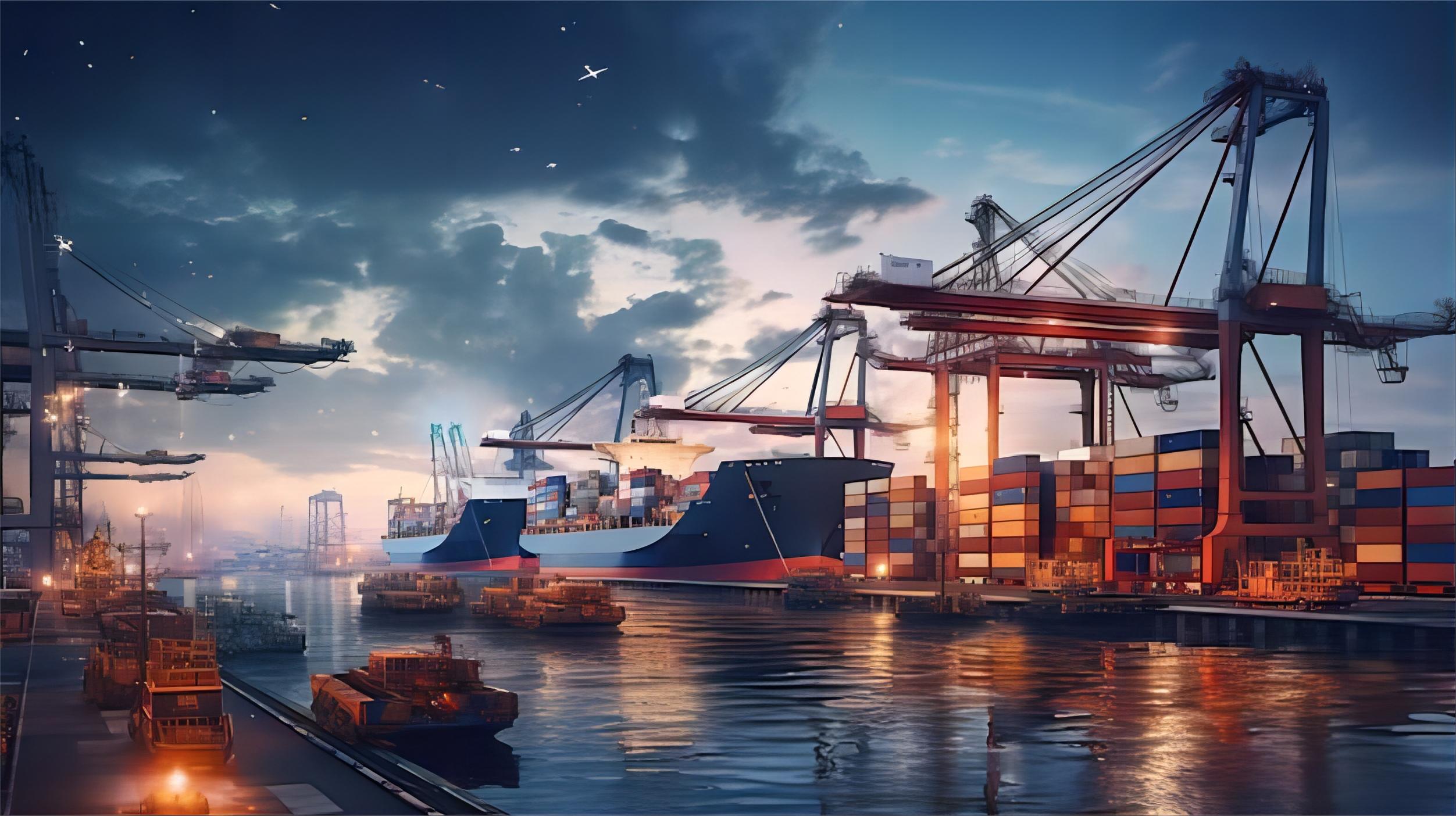
Full Container Load (FCL) shipping represents the most efficient method for transporting large volumes of goods across the ocean. Businesses importing from China to the Netherlands often prefer this method because it offers exclusive use of a container, reducing the risk of damage or contamination from other shippers’ cargo. Consequently, FCL becomes the primary choice for wholesalers and manufacturers who need to move significant inventory efficiently.
Moreover, the Netherlands serves as the gateway to Europe, with the Port of Rotterdam acting as a massive hub for continental distribution. Therefore, utilizing a professional FCL service ensures that your cargo is handled with the highest standards of care. Furthermore, FCL shipments generally involve less handling than Less than Container Load (LCL) options, which leads to faster transit times and lower insurance premiums over time.
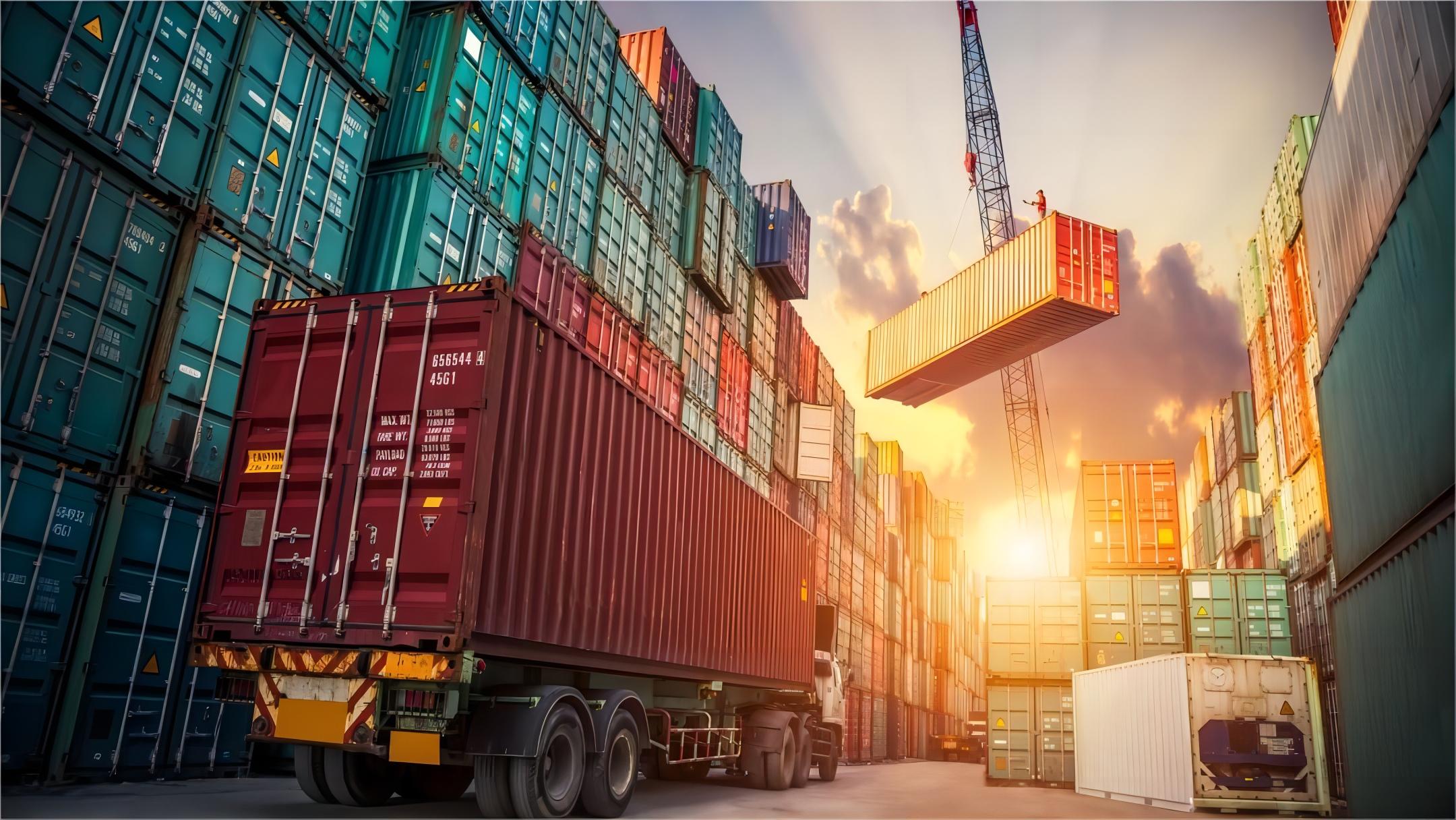
Additionally, the security provided by a sealed container is unmatched for high-value goods. Indeed, once the container is loaded at the factory in China, it remains sealed until it reaches your warehouse in the Netherlands. This process minimizes the chances of theft or loss during the long journey across the sea. Nevertheless, choosing the right container size is critical to maximizing your investment and reducing wasted space.
How Does FCL Shipping Compare to Other Shipping Options?
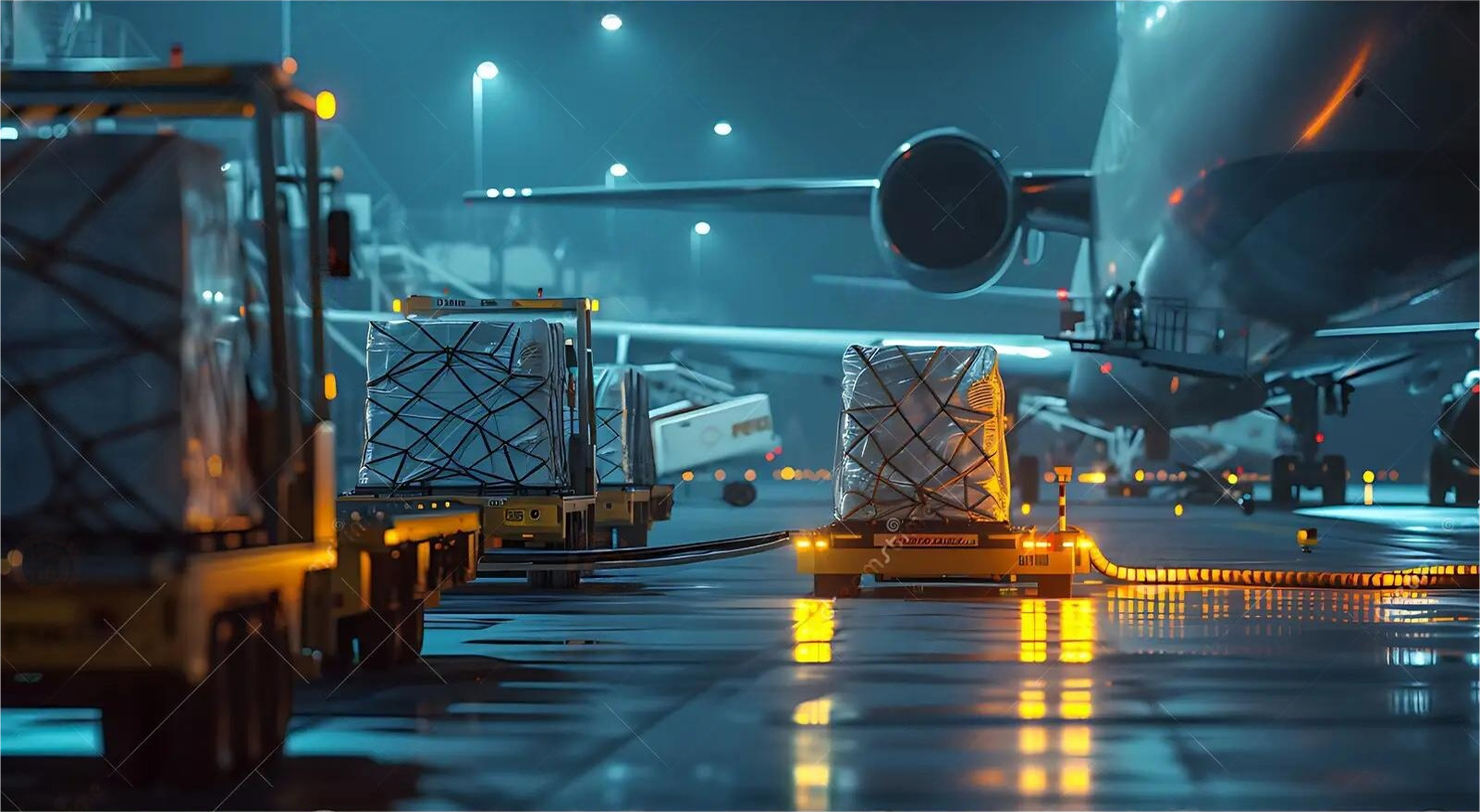
Understanding the differences between shipping modes is vital for any professional importer. While sea freight is the most common method for FCL, other alternatives exist depending on your budget and urgency. For instance, air freight offers incredible speed but comes at a much higher cost, making it unsuitable for bulky items or low-margin products.
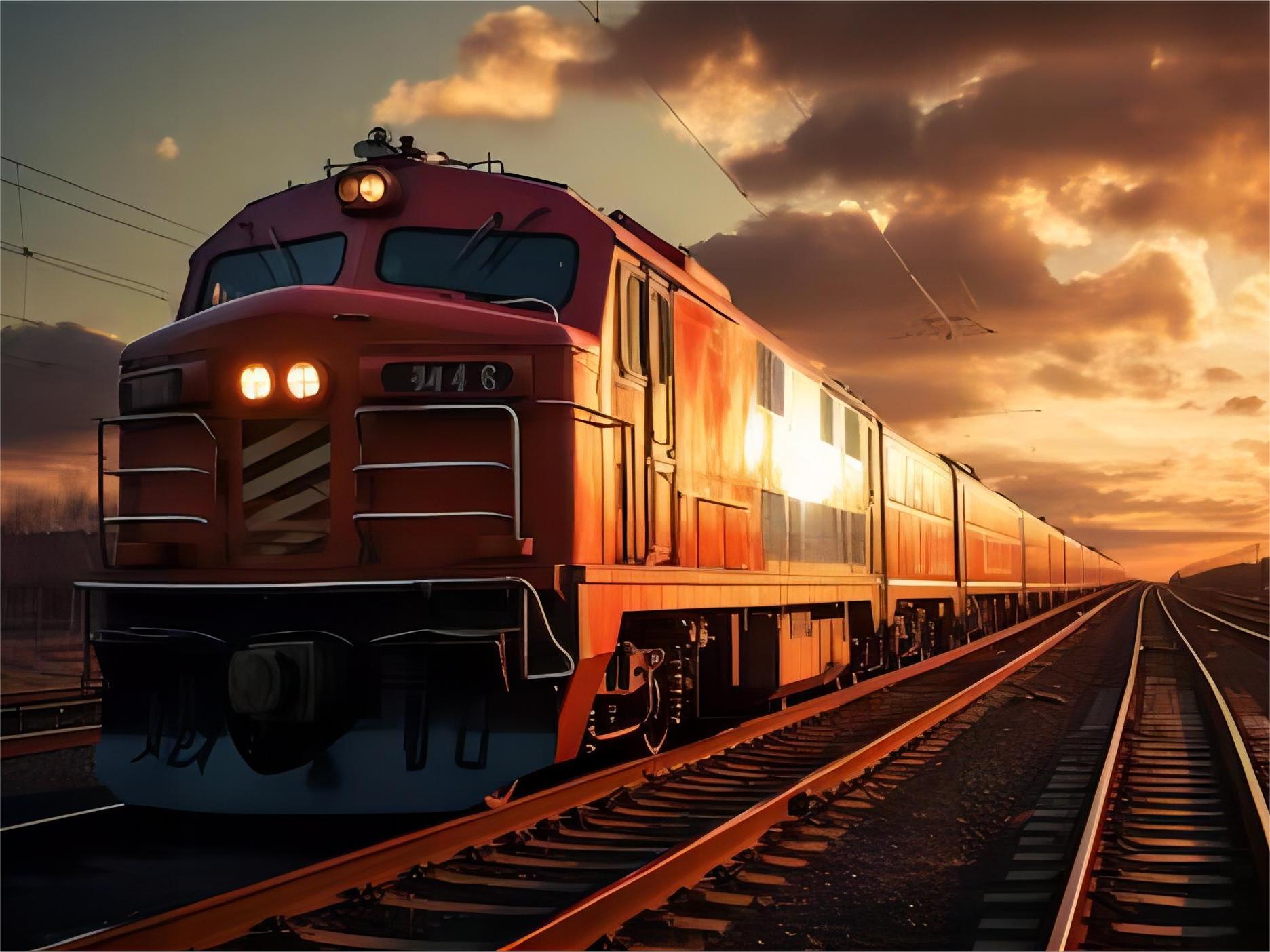
On the other hand, rail freight has emerged as a middle-ground solution, offering faster transit than sea and lower costs than air. However, for the highest volume shipments, sea-based FCL remains the undisputed leader in cost-effectiveness. Specifically, when shipping more than 15 cubic meters of goods, FCL usually costs less per unit than LCL.
To summarize, the choice depends on your specific supply chain requirements. If you prioritize cost over speed, sea freight FCL is the logical choice. In contrast, if you have an urgent stockout, a hybrid sea-air solution or rail might be worth the extra expense. Below is a detailed comparison of the available shipping methods for the China-Netherlands route.
| Shipping Method | Cost Range | Transit Time | Best For |
|---|---|---|---|
| Sea Freight FCL | $2,000 – $4,500 | 30 – 40 Days | Bulk goods, high volume |
| Rail Freight | $4,500 – $7,000 | 18 – 24 Days | Mid-range urgency |
| Air Freight | $5 – $10 per kg | 5 – 8 Days | High value, urgent |
| LCL Sea Freight | $50 – $150 per CBM | 35 – 45 Days | Small shipments < 15 CBM |
Understanding FCL Shipping Costs from China to the Netherlands
Calculating the total landed cost for fcl shipping china professional netherlands involves more than just the ocean freight rate. Indeed, you must account for origin charges, destination fees, and potential surcharges. For example, fuel surcharges (BAF) and currency adjustment factors (CAF) can fluctuate monthly based on global economic conditions.
Furthermore, port congestion or seasonal peaks can lead to additional costs like peak season surcharges. In addition, you must consider the local trucking costs from the Port of Rotterdam to your final destination in cities like Amsterdam or Eindhoven. Consequently, working with a transparent logistics provider helps avoid hidden fees that can erode your profit margins.
Typically, a 20GP container is more expensive per cubic meter than a 40HQ container. Therefore, if your volume allows, upgrading to a larger container often results in significant savings. Meanwhile, always ensure you receive a comprehensive quote that includes all local handling charges at both ends of the shipment. Note: Freight rates are subject to change based on fuel costs, carrier capacity, and seasonal demand. Contact us for a current quote tailored to your specific shipment.
| Container Type | Capacity (CBM) | Avg. Rate (2025) | Max Weight |
|---|---|---|---|
| 20GP Container | 28 – 30 CBM | $1,800 – $2,500 | 28,000 kg |
| 40GP Container | 56 – 58 CBM | $2,800 – $3,800 | 26,000 kg |
| 40HQ Container | 68 – 70 CBM | $3,200 – $4,500 | 26,000 kg |
Navigating Customs Brokerage and Import Regulations
Importing goods into the Netherlands requires strict adherence to European Union customs regulations. Specifically, you must provide an EORI number and ensure all product classifications use the correct HS codes. Failure to do so can result in significant delays and heavy fines at the border. Accordingly, professional customs brokerage services are essential for a smooth clearance process.
Moreover, the Dutch customs authorities are known for being efficient but very thorough. They require a complete set of documents, including the Bill of Lading, Commercial Invoice, and Packing List. Additionally, certain products like electronics or chemicals may require specific CE certifications or safety data sheets. Indeed, preparing these documents in advance is the best way to prevent your container from being flagged for inspection.
Furthermore, you should be aware of the VAT deferment system in the Netherlands, known as Article 23. This allows businesses to defer the payment of import VAT to their periodic VAT return rather than paying it immediately at the border. Consequently, this can significantly improve your company’s cash flow. Professional freight forwarders can often assist in setting up these fiscal representation structures.
Transit Times: How Long Does FCL Shipping Take?
The transit time for fcl shipping china professional netherlands depends largely on the port of origin and the chosen shipping line. For instance, shipments departing from Shenzhen or Guangzhou typically take 30 to 35 days to reach Rotterdam. In contrast, departures from northern ports like Qingdao or Tianjin might take closer to 40 days due to the longer sailing distance.
Additionally, direct routes are always faster than transshipment options. While transshipping through ports like Singapore can save money, it often adds 7 to 10 days to the total schedule. Therefore, if your timeline is tight, you should request a direct carrier like Maersk or COSCO. Meanwhile, remember that port congestion during peak seasons can add unexpected delays to the estimated arrival date.
Moreover, the time spent at the port for loading and unloading must be factored into your planning. Usually, you should allow at least 3 to 5 days for the container to be cleared and picked up after the vessel berths. Consequently, a total door-to-door timeline of 45 to 50 days is a realistic expectation for most sea freight shipments. For faster alternatives, consider rail freight as a viable option.
Which Option Should You Choose? Decision Framework
Choosing the right shipping strategy depends on balancing cost, speed, and reliability. If your primary goal is budget optimization, sea freight FCL is nearly always the best choice for large volumes. Specifically, if you are shipping more than 15 CBM, the cost per unit in a 20ft container will be lower than LCL. However, if you need the goods within three weeks, you must look toward rail or air solutions.
Furthermore, consider the nature of your cargo. High-value electronics might justify the added cost of air freight to reduce the time capital is tied up in transit. On the other hand, durable goods like furniture or textiles are perfectly suited for the longer transit times of sea freight. Without a doubt, the stability of your supply chain depends on making these strategic decisions early in the procurement process.
Additionally, think about the final destination within the Netherlands. If your warehouse is near Rotterdam, sea freight is incredibly convenient. However, if you are distributing to Eastern Europe via the Netherlands, a door to door service that includes rail or trucking might be more efficient. Always evaluate your volume thresholds before committing to a specific container size.
Real Case Studies: FCL Shipping China Professional Netherlands
Case Study 1: Electronics Distribution. Route: Shenzhen, China to Rotterdam, Netherlands. Cargo: Consumer electronics, 65 CBM, 12,000 kg. Container: 40HQ. Shipping Details: Direct service via major carrier. Port of Loading: Shenzhen. Port of Discharge: Rotterdam. Cost Breakdown: Ocean Freight $3,400, Origin Charges $450, Destination Charges $550, Customs $200. Total Landed Cost: $4,600. Timeline: Sea Transit 32 days, Total Door-to-Door 42 days. Key Insight: Choosing a direct route prevented delays during the Q4 peak season.
Case Study 2: Furniture Import. Route: Ningbo, China to Amsterdam, Netherlands. Cargo: Wooden furniture, 25 CBM, 8,000 kg. Container: 20GP. Shipping Details: Transshipment via Singapore. Port of Loading: Ningbo. Port of Discharge: Rotterdam. Cost Breakdown: Ocean Freight $1,900, Origin Charges $400, Destination Charges $500, Customs $150. Total Landed Cost: $2,950. Timeline: Sea Transit 38 days, Total Door-to-Door 50 days. Key Insight: Transshipment saved the client $300 but added 8 days to the schedule. Based on Q3 2024 market rates.
Strategic Cost-Saving Tips for Importers
To maximize your savings on fcl shipping china professional netherlands, you should focus on container utilization. For example, ensuring your supplier packs the container to its maximum capacity prevents you from paying for empty space. Furthermore, booking your shipment at least 3 to 4 weeks in advance can help you secure lower rates before the market fluctuates. Indeed, last-minute bookings often come with a heavy premium.
Additionally, consider shipping during the off-peak season. Rates typically spike between August and October as retailers prepare for the holiday season. By shifting your production schedule, you can avoid these peak surcharges. Moreover, consolidate shipments from multiple suppliers into a single FCL container if they are located in the same region of China. This strategy, often called buyer’s consolidation, can drastically reduce your per-unit shipping costs.
Finally, always verify the credentials of your freight forwarder in Europe. A professional partner will have established relationships with carriers, allowing them to negotiate better rates and secure space during busy periods. Notably, they can also provide advice on tariff engineering to help minimize duties. By implementing these strategies, you can maintain a competitive edge in the Dutch market.
Mastering Your China to Netherlands Logistics
In summary, successful fcl shipping china professional netherlands requires a combination of careful planning, accurate documentation, and the right logistics partner. By understanding the nuances of container sizes, transit times, and customs requirements, you can significantly reduce risks and costs. Whether you are a small business or a large corporation, the gateway to Europe is open to those who manage their supply chain with precision.
Furthermore, staying informed about market trends and seasonal variations will allow you to adapt your strategy for maximum efficiency. As global trade continues to evolve, having a reliable professional service in your corner is more important than ever. Start optimizing your cargo handling today to ensure your products reach the Netherlands reliably and affordably.
Ready to streamline your logistics?
Ready to streamline your imports? Contact our team today for a professional quote on fcl shipping china professional netherlands and experience seamless logistics tailored to your business needs. Visit Top China Cargo to start your inquiry now.
Request Quote