


Container Shipping China to Mexico FCL LCL Service 2026
Navigating the complexities of international trade requires a reliable partner for your container shipping China to Mexico FCL LCL service needs. As trade volumes between Asia and Latin America reach new heights in 2026, businesses must optimize their supply chains to maintain a competitive edge. Top China Cargo provides comprehensive logistics solutions designed to streamline your import operations and reduce overhead costs. Whether you are transporting small batches or massive industrial equipment, understanding the nuances of ocean freight is essential for success.

What is Container Shipping China to Mexico FCL LCL Service?
Container shipping serves as the backbone of global commerce, connecting Chinese manufacturing hubs with Mexican consumer markets. Specifically, the container shipping China to Mexico FCL LCL service offers two distinct modes of transport tailored to different shipment sizes. Full Container Load (FCL) refers to shipments that occupy an entire 20ft or 40ft container, providing maximum security and speed for large volumes. In contrast, Less than Container Load (LCL) allows multiple shippers to share space within a single container, making it a cost-effective choice for smaller loads.
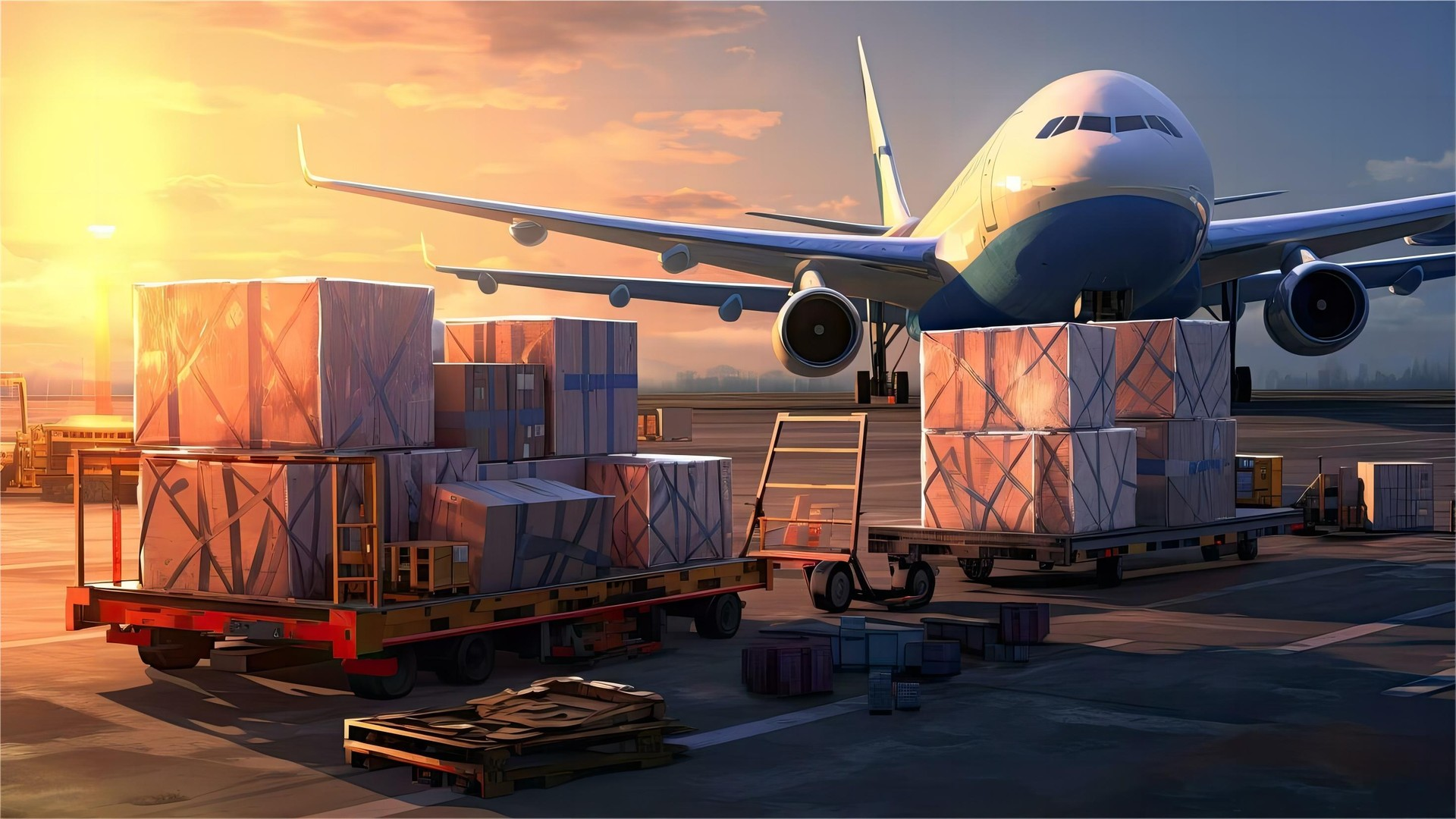
Moreover, choosing the right service depends on your specific cargo volume, budget, and urgency. For instance, businesses moving more than 15 cubic meters (CBM) typically find FCL more economical due to flat-rate pricing. Meanwhile, startups or companies testing new products often prefer LCL to avoid the high cost of an underutilized container. Consequently, understanding these options allows you to manage your logistics budget more effectively while ensuring timely delivery to destinations like Mexico City, Guadalajara, or Monterrey.
Understanding FCL Shipping Benefits
FCL shipments offer the advantage of reduced handling, as the container remains sealed from the point of origin to the destination. This exclusivity minimizes the risk of damage or loss during transit, which is critical for high-value electronics or fragile goods. Additionally, FCL usually results in faster transit times because there is no need for consolidation or deconsolidation at the port. Importers utilizing sea freight for full containers can expect a more predictable delivery schedule.
The Flexibility of LCL Solutions
LCL provides a gateway for smaller businesses to participate in international trade without committing to massive inventory levels. By paying only for the space you use, you can maintain a leaner supply chain and improve cash flow. Furthermore, LCL services are highly flexible, allowing for frequent, smaller shipments that align with just-in-time manufacturing processes. However, you should account for slightly longer transit times due to the time required for grouping various shipments together at the loading port.
How Does Sea Freight Compare to Other Shipping Options?
Evaluating different transport modes is essential for optimizing your logistics strategy between China and Mexico. While ocean freight is the most common method, other alternatives like air or express services might be necessary depending on your timeline. For example, air freight is significantly faster but comes at a premium price point, often costing five to ten times more than sea transport. Therefore, businesses must weigh the cost of inventory holding against the speed of delivery.
Additionally, hybrid strategies are becoming more popular in 2026 to balance cost and speed. Some companies use sea-air combinations, moving goods by ship to a hub and then flying them to the final destination to save time. Nevertheless, for the vast majority of consumer goods, industrial raw materials, and heavy machinery, the container shipping China to Mexico FCL LCL service remains the most viable and sustainable choice.
| Sea Freight (FCL) | $2,500 – $4,500 | 20-30 Days | Bulk Goods |
| Sea Freight (LCL) | $60 – $120/CBM | 35-45 Days | Small Batches |
| Air Freight | $4.50 – $8.50/kg | 3-7 Days | Urgent/High Value |
| Express Service | $8.00 – $15.00/kg | 2-5 Days | Samples/Docs |
Which Option Should You Choose for Your Business?
Deciding between FCL and LCL requires a clear understanding of your volume thresholds and budget constraints. Generally, if your shipment exceeds 13-15 CBM, booking a 20ft FCL container is often cheaper than paying the per-CBM rate for LCL. Furthermore, FCL is the preferred choice when security is a top priority, as it involves less manual handling by third parties. Conversely, for shipments under 10 CBM, LCL remains the champion of cost-efficiency for small-scale importers.
Budget priorities often dictate the final decision for many Mexican businesses. If you are operating on tight margins, the slower but cheaper LCL service allows you to keep landed costs low. On the other hand, if you are facing a stock-out or a peak season surge, the speed and reliability of FCL or even door to door express services might be worth the extra investment. Always consider the total landed cost, including customs duties and local trucking, before making your final selection.
How Much Does Container Shipping China to Mexico FCL LCL Service Cost?
Freight rates in 2026 have stabilized following the global supply chain shifts of previous years, yet they remain subject to seasonal fluctuations. For instance, rates typically spike during the months leading up to the Chinese New Year and the Q4 holiday rush. Currently, a 40HQ container from Shanghai to Manzanillo might range between $3,500 and $4,800 depending on the carrier and service level. Meanwhile, LCL rates are often quoted per revenue ton or cubic meter, including various surcharges like the Bunker Adjustment Factor (BAF).
Specifically, your total shipping cost includes more than just the ocean freight. You must account for origin charges, such as trucking to the port and export documentation, as well as destination charges like terminal handling and customs brokerage fees. Consequently, requesting a comprehensive quote that covers all incidental costs is vital to avoid unexpected expenses. Note: Freight rates are subject to change based on fuel costs, carrier capacity, and seasonal demand. Contact us for a current quote tailored to your specific shipment.
| 20GP | $2,200 – $3,200 | 28-30 CBM | Heavy Goods |
| 40GP | $3,000 – $4,200 | 56-58 CBM | General Cargo |
| 40HQ | $3,400 – $4,800 | 68-70 CBM | Voluminous Goods |
| LCL (per CBM) | $70 – $110 | Variable | E-commerce |
How Long is the Transit Time for Sea Freight?
Transit times from China to Mexico vary based on the specific port of loading and the chosen destination port. Direct routes from major hubs like Shenzhen or Ningbo to Manzanillo usually take between 18 and 25 days. However, if your cargo requires transshipment through a hub like Busan or Los Angeles, the duration can extend to 35 days or more. Therefore, verifying whether a service is direct or involves multiple stops is crucial for accurate inventory planning.
Moreover, weather conditions and port congestion can occasionally impact delivery schedules. During the hurricane season in the Pacific, some vessels may experience minor delays to ensure the safety of the cargo. Additionally, the time required for customs clearance in Mexico must be factored into your total timeline. While the sea voyage might be 20 days, the entire process from factory pickup to warehouse delivery in North America often takes 30 to 40 days.
Real Case Studies: Successful Shipments to Mexico
Examining real-world examples provides valuable insight into the practicalities of the container shipping China to Mexico FCL LCL service. These cases highlight how different businesses overcome logistical challenges to achieve their delivery goals. By analyzing these scenarios, you can better prepare for your own shipping journey and avoid common pitfalls associated with international logistics.
Case Study 1: Solar Panel Distribution. Route: Shanghai to Lazaro Cardenas. Cargo: Photovoltaic modules, 68 CBM. Container: 40HQ. Shipping Details: Direct service via COSCO. Cost Breakdown: Ocean freight $3,900, Origin charges $450, Destination charges $600. Timeline: 23 days sea transit, 4 days customs. Total: 32 days door-to-door. Key Insight: Booking 4 weeks in advance secured a lower rate during the Q3 peak.
Case Study 2: Boutique Apparel Import. Route: Guangzhou to Mexico City via Manzanillo. Cargo: High-end clothing, 4 CBM. Method: LCL. Shipping Details: Transshipment via Hong Kong. Cost Breakdown: Ocean freight $380, Customs & Duties $1,200, Local delivery $250. Timeline: 28 days sea transit, 6 days deconsolidation and customs. Total: 42 days door-to-door. Key Insight: Using LCL allowed the business to maintain weekly stock updates without high inventory costs. Based on Q1 2026 market rates.

What Documents are Required for Mexican Customs?
Navigating Mexican customs requires meticulous attention to detail and accurate documentation. The primary document is the Commercial Invoice, which must be translated into Spanish and include detailed descriptions of the goods. Additionally, the Bill of Lading (BOL) serves as the contract between the shipper and the carrier, acting as a title of the goods during transit. Without these documents, your shipment could face significant delays or even seizure by authorities.
Furthermore, certain products require specific certifications known as NOM (Normas Oficiales Mexicanas). These standards ensure that products meet safety and quality regulations for the Mexican market. Specifically, electronics and textiles often require rigorous testing or labeling compliance before they can be cleared. Consequently, working with an experienced broker is the best way to ensure all paperwork is in order before the vessel arrives at the port.
| Commercial Invoice | Valuation/Tax | All Shipments | Spanish/English |
| Packing List | Inventory Check | All Shipments | English |
| Bill of Lading | Title of Goods | All Shipments | English |
| NOM Certificate | Safety Compliance | Specific Goods | Spanish |
Optimizing Your Trade Route to Mexico
Mastering the container shipping China to Mexico FCL LCL service is a fundamental step for any business looking to thrive in the Latin American market. By carefully choosing between FCL and LCL, understanding the 2026 cost landscape, and preparing for customs requirements, you can significantly reduce risks and expenses. Transitioning to a more efficient logistics model allows your company to focus on growth rather than shipping headaches.
Ultimately, the success of your import business depends on the reliability of your logistics partner and your knowledge of market trends. Whether you prioritize the speed of FCL or the cost-savings of LCL, having a clear strategy is essential. We invite you to leverage our expertise to navigate these waters with confidence and precision.

Ready to streamline your logistics?
Streamline your supply chain today with our expert container shipping China to Mexico FCL LCL service. Our dedicated team provides real-time tracking, competitive 2026 rates, and seamless customs handling to ensure your business stays ahead of the competition. Visit Top China Cargo to request your personalized freight quote and experience hassle-free logistics.
Request Quote