

Container Shipping China to Melbourne: 2026 Freight Guide
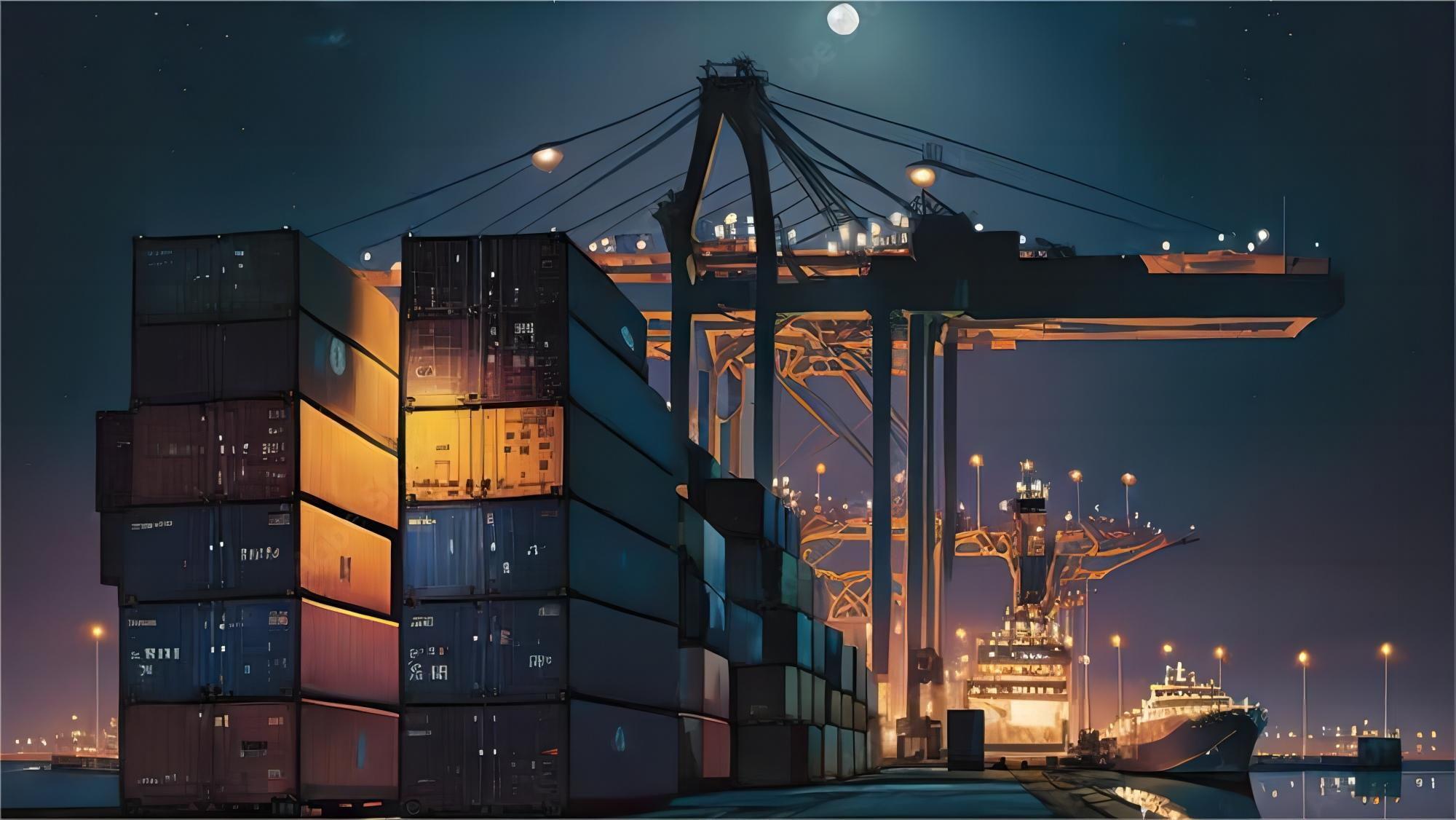
Navigating the logistics of container shipping china to melbourne requires a strategic approach to balance cost and speed. As global trade routes evolve in 2026, businesses must stay informed about fluctuating freight rates and port conditions. By choosing a reliable partner like Top China Cargo, importers can streamline their supply chain and ensure their goods arrive safely at the Port of Melbourne. This comprehensive guide provides the latest market insights and actionable strategies for your next shipment.
✦
What Are the Primary Options for Container Shipping China to Melbourne?
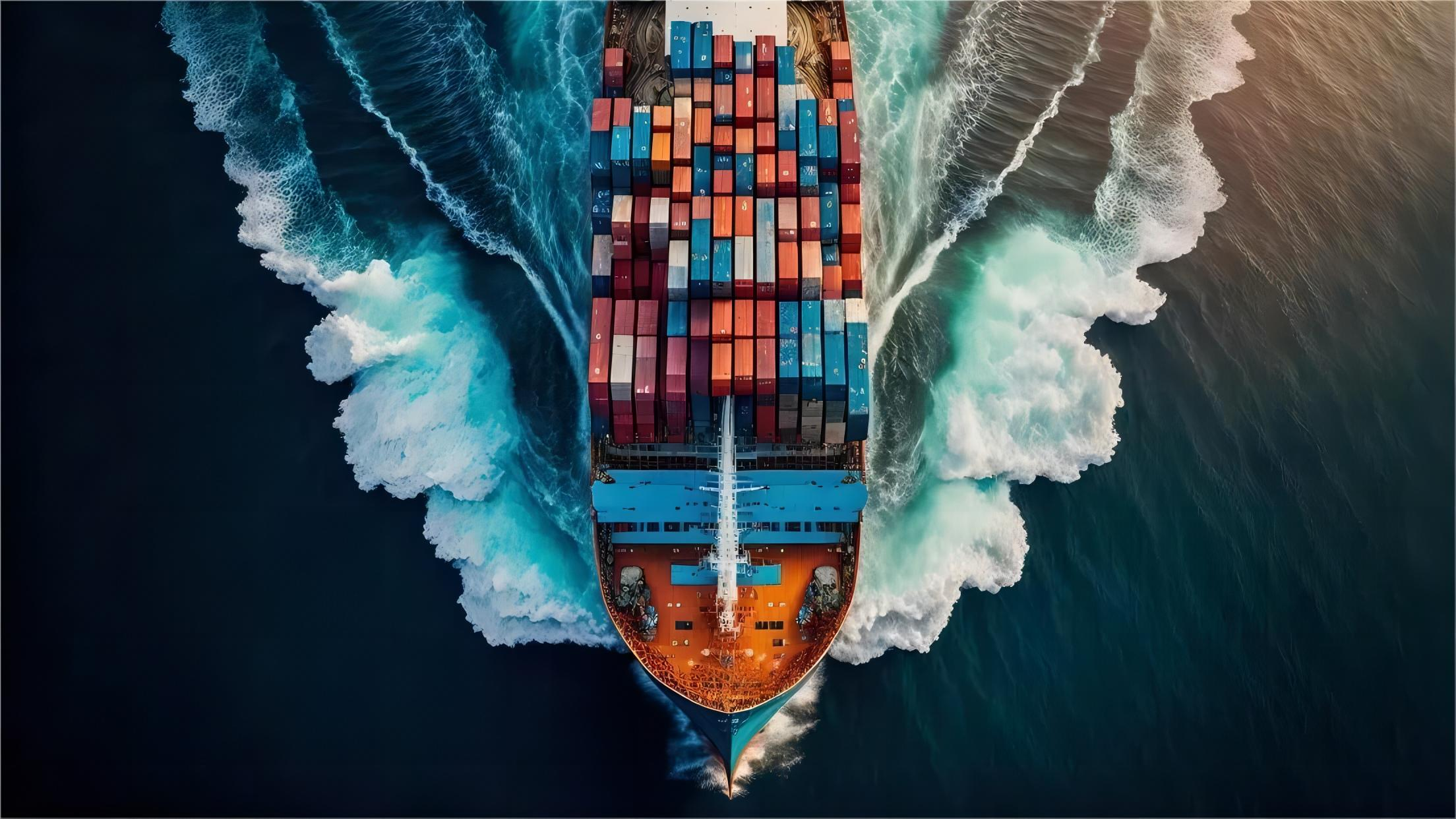
Choosing between Full Container Load (FCL) and Less than Container Load (LCL) is the first major decision for any importer. FCL is generally the most cost-effective solution for large volumes, as it provides exclusive use of a 20ft or 40ft container. This method reduces handling risks and often results in faster transit times because the container is sealed at the origin and opened only at the destination.
On the other hand, LCL is ideal for smaller shipments that do not require a full container. In this scenario, your goods share space with other cargo, and you only pay for the volume you use. While LCL offers flexibility, it involves more handling at consolidation hubs, which may slightly increase the risk of delays or damage.
Consider utilizing sea freight services to optimize your logistics budget while maintaining high standards of cargo safety. Most businesses find that FCL becomes more economical once their shipment volume exceeds 15 cubic meters. However, LCL remains a vital tool for maintaining lean inventory levels without committing to massive bulk orders.
Estimated 2026 Rates for Container Shipping China to Melbourne
Freight rates in early 2026 have shown relative stability compared to the volatility of previous years. Shipping costs are influenced by fuel surcharges, seasonal demand, and carrier capacity. For shipping from China to Australia, rates typically follow a predictable pattern, with peaks occurring before Chinese New Year and during the mid-year sales rush.
Furthermore, the choice of departure port in China can impact the final price. Major hubs like Shanghai, Shenzhen, and Ningbo offer the most competitive rates due to high vessel frequency. Below is a breakdown of the typical market rates you can expect for this route in the current year.
| Container Type | Average Freight Cost | Transit Time (Days) | Best For |
|---|---|---|---|
| 20GP Container | $950 – $1,250 | 14 – 18 Days | Heavy or dense cargo |
| 40GP Container | $1,400 – $1,850 | 16 – 22 Days | Standard consumer goods |
| 40HQ Container | $1,600 – $2,050 | 16 – 22 Days | Bulky or light cargo |
| LCL (per CBM) | $60 – $90 | 20 – 25 Days | Small trial shipments |
How Does Sea Freight Compare to Other Shipping Options?
While container shipping is the backbone of international trade, it is not the only way to move goods. Importers must evaluate alternatives based on the urgency of their inventory needs and the value of the products. For instance, high-value electronics or urgent spare parts might justify the higher expense of an express service to meet tight deadlines.
Moreover, hybrid solutions like sea-air combinations can sometimes offer a middle ground, though they are less common for the direct China-Australia route. The following table provides an objective comparison of the primary methods available for moving goods to Melbourne.
| Shipping Method | Cost Range | Transit Time | Best For | Limitations |
|---|---|---|---|---|
| Sea Freight | Low ($) | 14 – 25 Days | Bulk & Heavy Goods | Longer lead times |
| Air Freight | High ($$$) | 3 – 7 Days | Urgent & High Value | Strict weight limits |
| Courier/Express | Very High ($$$$) | 2 – 5 Days | Samples & Small Parcels | Most expensive |
Which Option Should You Choose? Decision Framework
Selecting the right method depends on your specific business priorities. If your primary goal is budget optimization, sea freight is the undisputed winner. However, if you are facing a stock-out or launching a new product, the speed of air freight may outweigh the cost. Use the following criteria to guide your decision-making process.
Budget priority: Recommend FCL for maximum savings on large volumes. Speed priority: Recommend air freight or express courier for door-to-door delivery within a week. Cargo type considerations: Recommend 40HQ containers for light but voluminous items like furniture to maximize space. Volume thresholds: If your shipment is under 1 CBM, express courier is often cheaper than LCL due to minimal port fees.
Navigating Customs and Documentation for Melbourne Imports
Compliance with Australian Border Force (ABF) regulations is critical to avoid expensive delays. Every shipment requires a specific set of documents, including a Commercial Invoice, Packing List, and Bill of Lading. Furthermore, Australia has strict biosecurity laws that may require additional certificates for wooden packaging or organic materials.
Professional customs brokerage services are highly recommended to ensure all paperwork is filed correctly. Consequently, having an expert handle your declaration can prevent your container from being held for inspection, which can cost hundreds of dollars per day in storage fees. Ensure your supplier provides a Packing Declaration and, if applicable, a Certificate of Origin to take advantage of trade agreements.
Real Case Studies for China to Melbourne Shipments
To provide a clearer picture of the logistics process, we have compiled real-world examples based on 2026 market data. These scenarios illustrate the costs and timelines involved in different shipping strategies.
Case Study 1: Electronics from Ningbo to Melbourne. Cargo: 1500kg of smart home devices. Container: 20GP. Shipping Method: FCL. Ocean Freight: $1,100. Origin Charges: $350. Destination Charges: $450. Customs and Duties: $1,200. Total Landed Cost: $3,100. Sea Transit: 15 days. Total Door-to-Door: 22 days. Key Insight: Direct sailing from Ningbo saved 4 days compared to transshipment.
Case Study 2: Furniture from Shenzhen to Melbourne. Cargo: 8 CBM of office chairs. Container: LCL. Shipping Method: door to door. Ocean Freight: $640 ($80/CBM). Origin Charges: $200. Destination Charges: $550. Customs and Duties: $800. Total Landed Cost: $2,190. Sea Transit: 18 days. Total Door-to-Door: 28 days. Key Insight: Consolidating multiple small orders into one LCL shipment reduced the per-unit shipping cost by 15%.
How to Reduce Costs for Container Shipping China to Melbourne
Reducing your logistics spend requires proactive planning and negotiation. One effective strategy is to book your shipments at least 2-3 weeks in advance. This allows you to secure space on the most economical vessels and avoid the premium rates charged for last-minute bookings. Additionally, consider shipping during the off-peak season, typically from March to June, when carriers often lower their rates to fill empty slots.
Another cost-saving tactic is to optimize your packaging. By reducing the size of your boxes or using more efficient stacking methods, you might be able to fit more goods into a single container or drop down to a smaller LCL volume. Finally, always request a comprehensive quote that includes all local charges at both ends to avoid hidden fees that can derail your budget.
Final Thoughts on Shipping to Melbourne
In summary, successful container shipping china to melbourne depends on a mix of early planning, correct documentation, and choosing the right shipping method. Whether you opt for FCL or LCL, understanding the 2026 market trends ensures you remain competitive in the Australian market. By focusing on efficiency and compliance, you can minimize transit times and maximize your profit margins.
Remember that freight rates are subject to change based on fuel costs, carrier capacity, and seasonal demand. Always consult with a professional logistics provider for a current quote tailored to your specific cargo needs. With the right strategy, your business can navigate the complexities of international shipping with confidence.