

Container Shipping China to Italy Cargo Service: 2026 Guide
Navigating the complexities of international trade requires a reliable logistics partner to manage your container shipping china to Italy cargo service efficiently. Businesses today face fluctuating fuel costs and evolving trade regulations that demand precise planning and execution. By partnering with Top China Cargo, you gain access to a streamlined supply chain designed for the 2026 market. This guide explores the most cost-effective and timely methods to move your goods from Chinese manufacturing hubs to Italian ports.

What are the Primary Options for Container Shipping China to Italy Cargo Service?
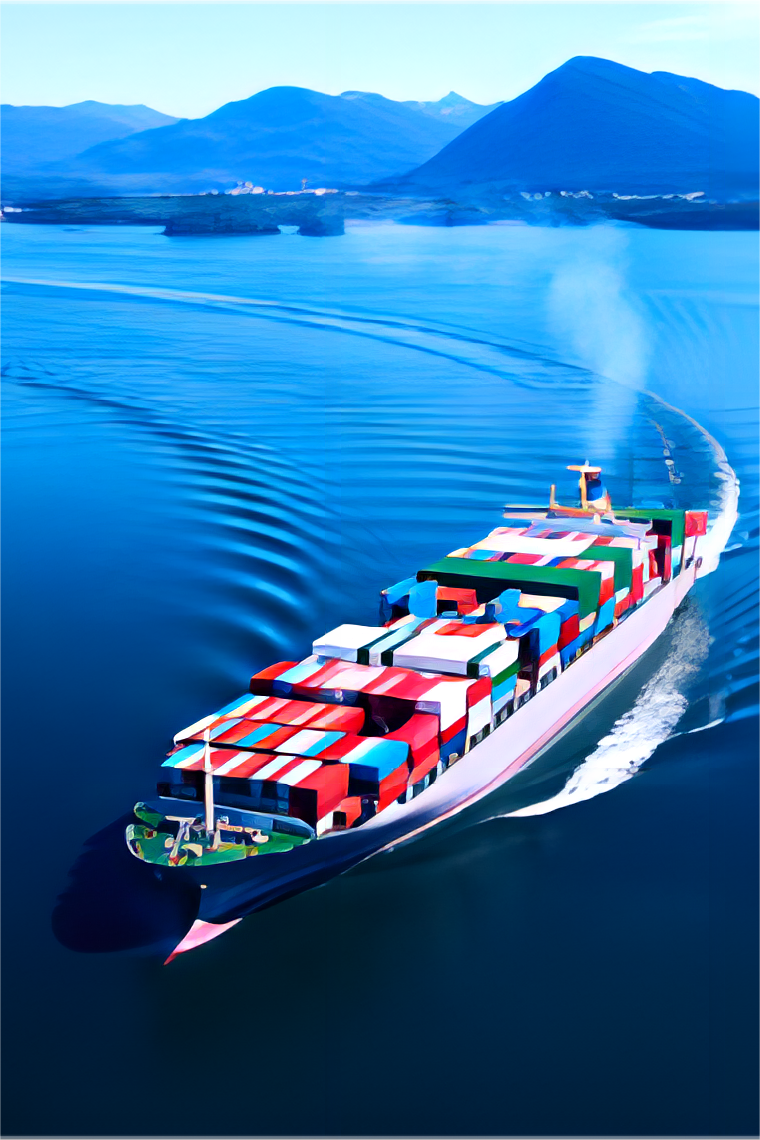
Selecting the right shipping method is the first step in optimizing your logistics budget. Most importers rely on sea freight due to its high capacity and lower cost per unit. You can choose between Full Container Load (FCL) or Less than Container Load (LCL) depending on your volume.
Full Container Load is ideal for large shipments that can fill a 20ft or 40ft container. This method offers better security and faster handling since the container is dedicated to your goods alone. Consequently, FCL is often the preferred choice for machinery and bulk textiles.
Less than Container Load serves businesses with smaller inventories that do not require a whole container. Your cargo shares space with other shippers, making it a cost-effective alternative for small electronics or sample orders. However, LCL shipments may experience slightly longer transit times due to the consolidation process at the port.
How Does Sea Freight Compare to Other Shipping Options?
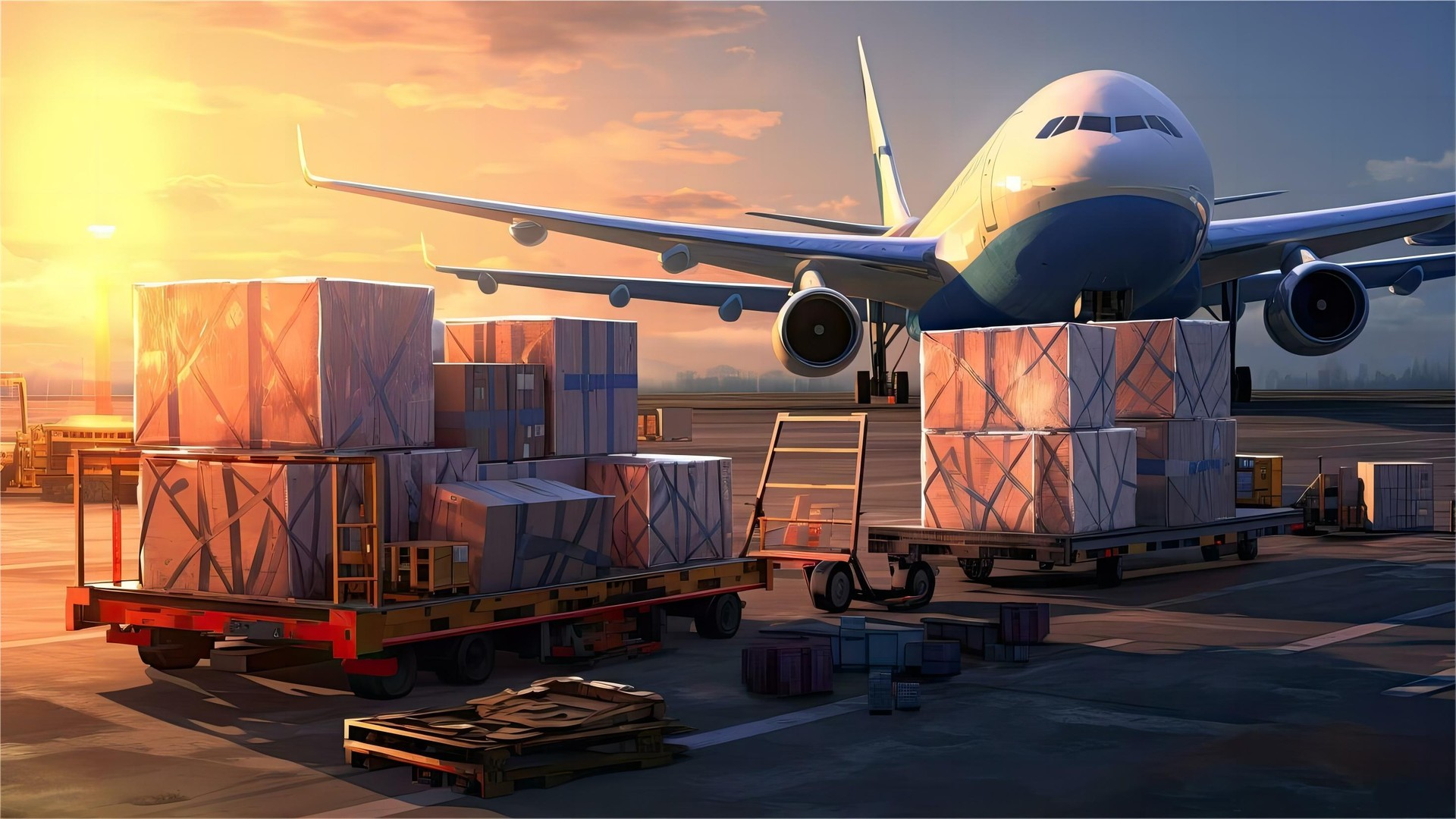
Comparing different transport modes is essential for balancing speed and expenditure. While sea freight remains the backbone of global trade, air freight provides an unmatched speed advantage for time-sensitive cargo. High-value fashion items or urgent automotive parts often travel by air to meet tight deadlines.
Rail transport has emerged as a middle-ground solution for the China-Europe corridor. Choosing rail freight can save significant time compared to the sea route while remaining cheaper than air transport. This method is particularly useful for shipments originating in inland Chinese cities like Xi’an or Chengdu.
Hybrid solutions, such as sea-air combinations, are gaining popularity in 2026. These strategies involve shipping goods by sea to a hub like Dubai and then flying them to Italy. This approach balances costs while significantly reducing the total transit time compared to a standard ocean voyage.
| Shipping Method | Cost Range (USD) | Transit Time | Best For |
|---|---|---|---|
| Sea Freight (FCL 40HQ) | $3,200 – $4,500 | 30-40 Days | Bulk Goods |
| Rail Freight (Per FEU) | $4,500 – $6,000 | 18-22 Days | Industrial Parts |
| Air Freight (Per KG) | $4.50 – $7.50 | 5-7 Days | High-Value Items |
| Express Service | $8.00 – $12.00 | 3-5 Days | Urgent Samples |
Understanding Transit Times and Italian Port Logistics
Transit times for a container shipping china to Italy cargo service vary based on the specific port of loading and discharge. Major Chinese ports like Shanghai, Ningbo, and Shenzhen offer the most frequent departures. On the Italian side, ports such as Genoa, La Spezia, and Trieste serve as primary gateways.
Direct routes from South China to Italy typically take around 30 days. Nevertheless, transshipment through hubs like Singapore or Piraeus can add 5 to 10 days to the journey. You should always factor in potential seasonal congestion during the Golden Week or the Christmas rush.
Efficiency at the port of discharge is also a critical factor. Northern Italian ports like Genoa provide excellent rail and road links to the industrial heartlands of Milan and Turin. Meanwhile, Trieste offers a strategic entry point for goods destined for Central and Eastern Europe.

Navigating Customs Brokerage and Italian Import Regulations
Successful importing requires strict adherence to European Union customs regulations. Utilizing a professional customs brokerage service ensures that your documentation is accurate and compliant. Errors in paperwork can lead to costly delays and storage fees at the Italian border.
Importers must provide a Commercial Invoice, a Packing List, and a Bill of Lading for every shipment. Additionally, an EORI (Economic Operators Registration and Identification) number is mandatory for all businesses importing into Italy. Furthermore, certain goods may require CE certification to prove they meet safety standards.
Value Added Tax (VAT) and customs duties are calculated based on the CIF (Cost, Insurance, and Freight) value of the goods. In 2026, Italian customs authorities have increased digital inspections to speed up the process. Consequently, ensuring your digital manifests are correctly filed is more important than ever.
| Document Type | Purpose | Required For | Source |
|---|---|---|---|
| Commercial Invoice | Value Declaration | All Shipments | Supplier |
| Packing List | Cargo Details | All Shipments | Supplier |
| Bill of Lading | Title of Goods | Sea Freight | Carrier |
| Certificate of Origin | Duty Calculation | Specific Goods | Chamber of Commerce |
The Benefits of Door to Door Cargo Service for Italy
Many businesses prefer a comprehensive door to door solution to simplify their logistics. This service covers the entire journey from the supplier’s warehouse in China to the final destination in Italy. It eliminates the need for the importer to manage multiple intermediaries.
Choosing this service provides better visibility and control over the shipment. Your freight forwarder handles the trucking, sea freight, and final mile delivery. Moreover, this integrated approach often results in more predictable costs and fewer communication breakdowns.
Small and medium enterprises (SMEs) particularly benefit from the convenience of end-to-end management. Instead of worrying about port handling or local transport, you can focus on your core business operations. This method is the ultimate way to utilize a container shipping china to Italy cargo service with minimal stress.
Real-World Case Studies: China to Italy Cargo
Case Study 1: High-Volume Electronics from Shanghai. Route: Shanghai, China to Genoa, Italy. Cargo: Consumer Electronics, 68 CBM, 12,000 kg. Container: 40HQ. Shipping Details: Major carrier via Suez Canal. Port of Loading: Shanghai. Port of Discharge: Genoa. Route Type: Direct. Cost Breakdown: Ocean Freight: $3,800; Origin Charges: $250; Destination Charges: $400; Customs: $800. Total Landed Cost: $5,250. Timeline: 35 days door-to-door. Key Insight: Pre-clearing customs saved 3 days in Genoa.
Case Study 2: Boutique Furniture from Shenzhen. Route: Shenzhen, China to Trieste, Italy. Cargo: Designer Furniture, 8 CBM, 1,500 kg. Container: LCL. Shipping Details: Consolidation service. Port of Loading: Shenzhen. Port of Discharge: Trieste. Route Type: Transshipment via Singapore. Cost Breakdown: Ocean Freight: $650; Origin Charges: $150; Destination Charges: $200; Customs: $300. Total Landed Cost: $1,300. Timeline: 42 days. Key Insight: Using LCL allowed the client to maintain low inventory levels.
Case Study 3: Industrial Machinery from Ningbo. Route: Ningbo, China to Naples, Italy. Cargo: CNC Machine, 15,000 kg. Container: 20GP. Shipping Details: Heavy-lift carrier. Port of Loading: Ningbo. Port of Discharge: Naples. Route Type: Direct. Cost Breakdown: Ocean Freight: $2,400; Origin Charges: $300; Destination Charges: $450; Customs: $1,200. Total Landed Cost: $4,350. Timeline: 38 days. Key Insight: Proper crating prevented damage during high-sea transit.
Which Shipping Option Should You Choose?
Determining the best strategy depends on your specific business priorities and cargo characteristics. If your primary goal is cost reduction, sea freight FCL is the undisputed winner for large volumes. On the other hand, if you are shipping lightweight, high-value goods, air freight offers better security and speed.
Budget priority: Recommend Sea Freight LCL for small shipments or FCL for large ones. This minimizes the landed cost per unit. Speed priority: Recommend Air Freight or Rail Freight. Rail is particularly effective for balancing speed and cost for inland origins.
Cargo type considerations: Perishable goods or high-tech components should use air freight to minimize exposure to environmental factors. Bulky, durable goods like steel or furniture are best suited for the stability of a container shipping china to Italy cargo service.
Mastering Your Italy-China Logistics
Successfully managing a container shipping china to Italy cargo service requires a deep understanding of transit modes, costs, and customs regulations. By choosing the right partner and the most appropriate shipping method, you can significantly reduce your overheads and improve delivery reliability.
Whether you opt for sea, rail, or air, the 2026 market offers numerous opportunities for efficient trade. Stay proactive with your documentation and plan ahead for seasonal peaks to ensure your goods arrive on time and within budget.
Ready to streamline your logistics?
Ready to optimize your supply chain with a reliable container shipping china to Italy cargo service? Contact Top China Cargo today for a personalized quote and expert logistics advice. Visit our website to get started: Send Inquiry
Request Quote