

Container Shipping China to Australia FCL LCL Service: 2026 Guide
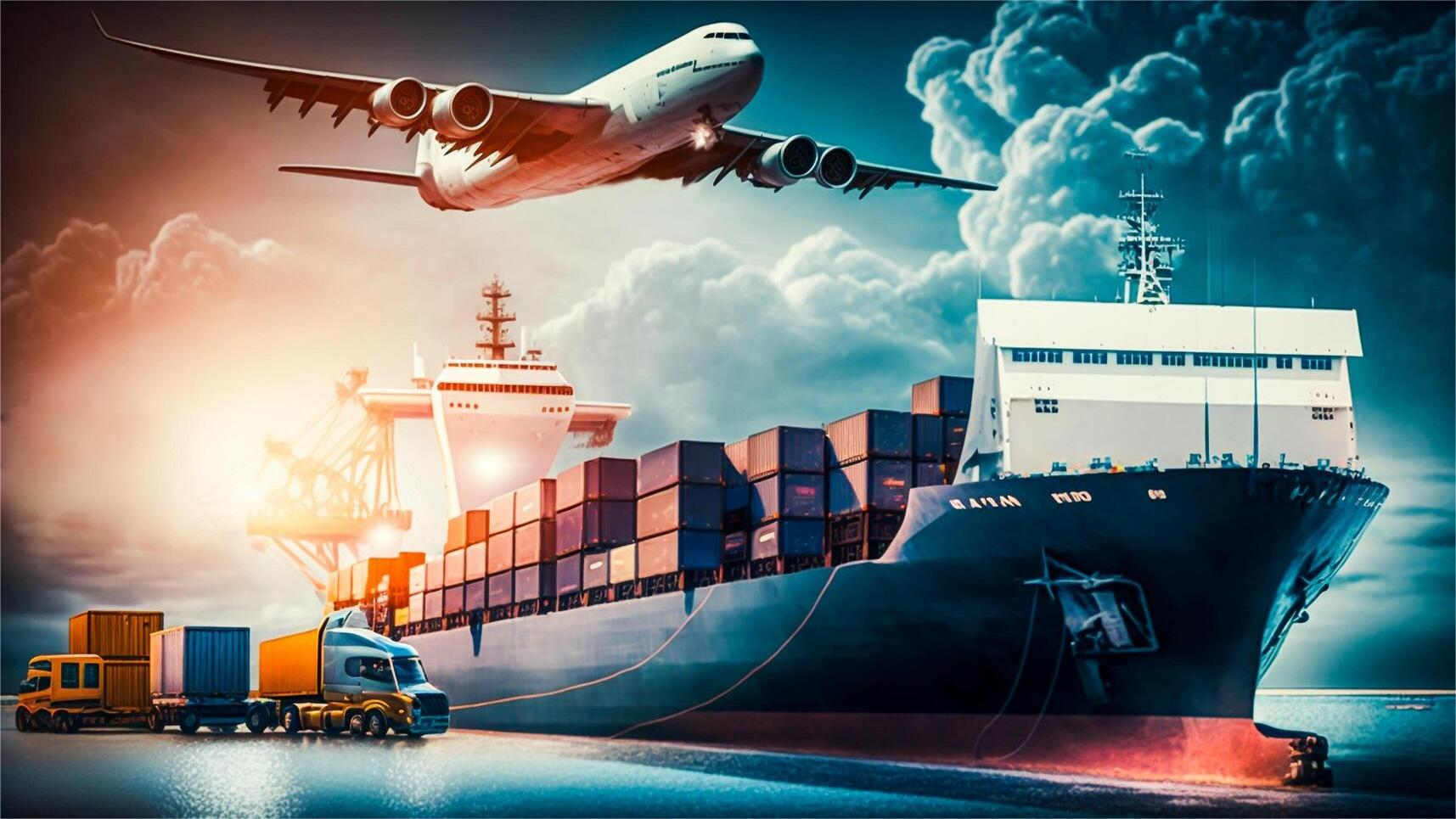
Navigating the complexities of container shipping China to Australia FCL LCL service requires a deep understanding of modern logistics and current market trends. Businesses looking for reliable freight solutions often turn to Top China Cargo to manage their supply chain needs efficiently. This comprehensive guide explores the best practices for importing goods while minimizing costs and maximizing speed in the 2026 shipping landscape.
Understanding Container Shipping China to Australia FCL LCL Service
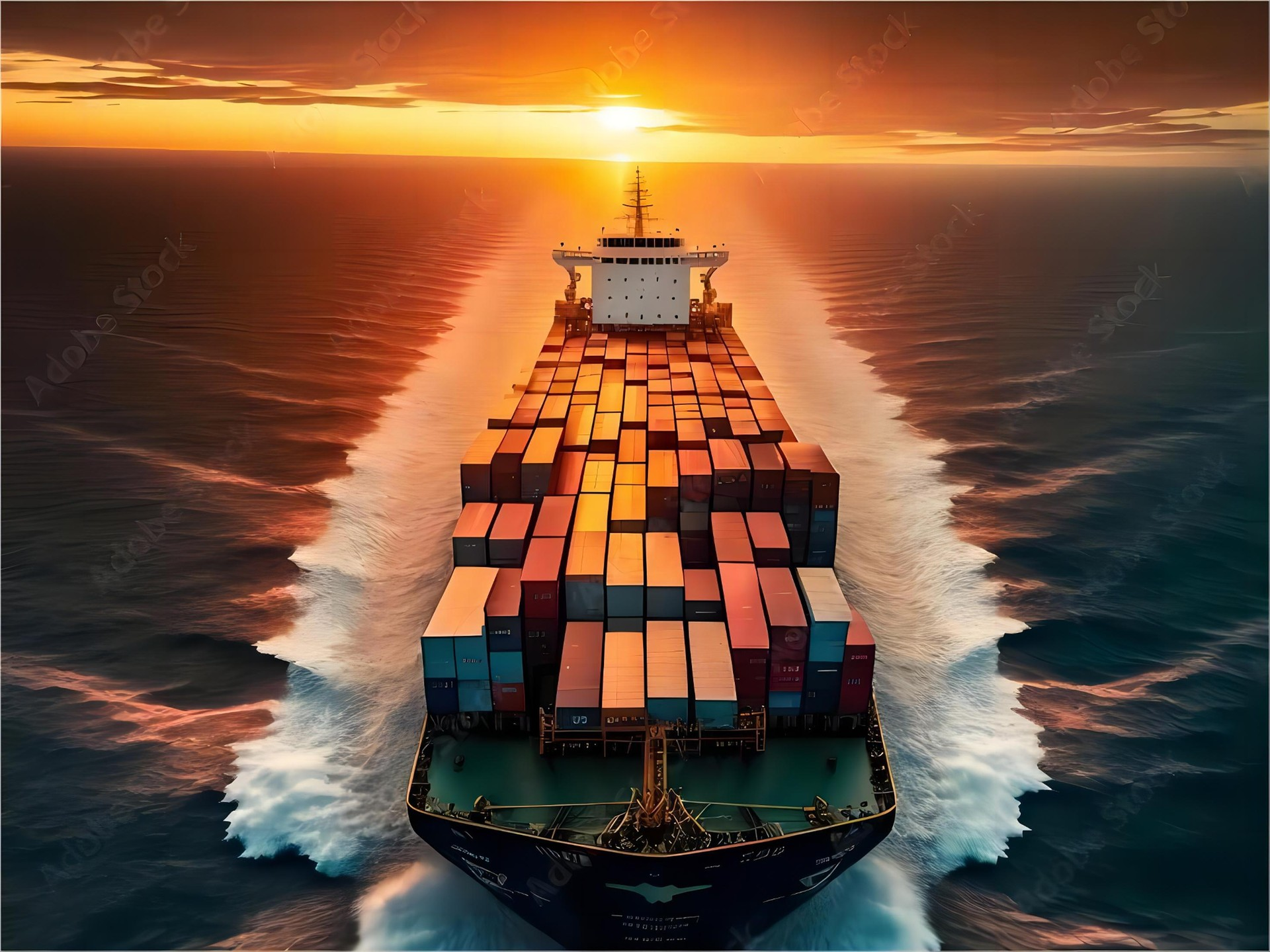
Choosing between Full Container Load and Less than Container Load is the first critical decision for any importer. FCL involves renting an entire 20ft or 40ft container for your exclusive use, which often proves more secure for fragile items. Conversely, LCL allows you to share container space with other shippers, making it a cost-effective choice for smaller volumes.
Furthermore, the choice depends heavily on your total cargo volume and the urgency of your delivery schedule. For shipments exceeding 15 cubic meters, FCL typically offers a better price per unit. However, for smaller batches, LCL provides the flexibility needed to maintain inventory without overextending your budget.
Additionally, businesses must consider the handling requirements of their specific products. FCL reduces the risk of damage because the container is sealed at the origin and only opened at the destination. Meanwhile, LCL involves more handling as goods are consolidated and deconsolidated at various warehouses along the route.
How Does Sea Freight Compare to Other Shipping Options?
While sea freight remains the backbone of international trade, other methods like air freight or express services offer distinct advantages. Sea freight is significantly cheaper for heavy and bulky items, though it requires longer lead times. For instance, shipping a full container might take two weeks, whereas air freight could arrive in just a few days.
Moreover, the environmental impact of sea freight is lower compared to air transport. Consequently, many companies are prioritizing sea freight to meet their sustainability goals for 2026. Nevertheless, the choice should always align with your specific supply chain requirements and customer expectations.
In addition, hybrid solutions such as sea-air combinations are becoming more popular in 2026. These strategies allow businesses to balance cost and speed by using sea transport for the longest leg and air for the final delivery. Therefore, evaluating all viable alternatives is essential for optimizing your logistics strategy.
| Shipping Method | Cost Range (2026) | Transit Time | Best For |
|---|---|---|---|
| Sea Freight (FCL) | $1,200 – $2,200 | 12-18 Days | Bulk Inventory |
| Sea Freight (LCL) | $50 – $130/CBM | 15-22 Days | Small Shipments |
| Air Freight | $4.50 – $9.00/kg | 3-7 Days | Urgent Goods |
| Express Service | $7.00 – $12.00/kg | 2-5 Days | Samples/Docs |
Which Option Should You Choose for Your Australia Route?
Budget priority dictates that sea freight is almost always the winner for large-scale imports. If your primary concern is minimizing the landed cost of your products, FCL shipping provides the most economical path. For instance, high-volume items like furniture or machinery are best suited for this method.
Speed priority, on the other hand, might lead you toward air freight despite the higher costs. This is especially true for high-value electronics or seasonal fashion items that need to hit the shelves quickly. Without a doubt, the time saved can often justify the additional expense in a competitive market.
Cargo type considerations also play a vital role in the decision-making process. Hazardous materials or oversized equipment might require specialized handling that only certain sea carriers provide. Consequently, you should consult with your logistics partner to determine the safest and most compliant method for your specific goods.
Current Market Trends and Rates for 2026
Market data suggests that freight rates from China to Australia have stabilized in early 2026. Following the fluctuations of previous years, carriers have optimized their routes to provide more consistent pricing. However, seasonal peaks still occur, particularly during the months leading up to the end-of-year holidays.
Typical rates as of early 2026 show that a 20GP container from Shanghai to Sydney ranges between $900 and $1,300. Meanwhile, 40HQ containers are averaging between $1,500 and $2,100 depending on the carrier and specific service level. Indeed, booking in advance remains the best way to secure these competitive market rates.
Additionally, the integration of digital tracking and AI-driven logistics has improved transparency for Australian importers. Consequently, you can now monitor your container shipping China to Australia FCL LCL service with greater precision than ever before. Note: Freight rates are subject to change based on fuel costs, carrier capacity, and seasonal demand. Contact us for a current quote tailored to your specific shipment.
| Route | 20GP Rate | 40HQ Rate | Transit Days |
|---|---|---|---|
| Shenzhen to Sydney | $850 – $1,150 | 1,450 – $1,850 | 12-14 |
| Shanghai to Melbourne | $950 – $1,250 | $1,600 – $2,050 | 15-17 |
| Ningbo to Brisbane | $900 – $1,200 | $1,550 – $1,950 | 14-16 |
| Qingdao to Adelaide | $1,050 – $1,350 | $1,750 – $2,250 | 18-21 |
Navigating Customs and Documentation in Australia
Importing goods into Australia requires strict adherence to the regulations set by the Australian Border Force. Accurate documentation is the key to avoiding costly delays at the port of discharge. For example, a commercial invoice, packing list, and bill of lading are mandatory for every shipment.
Furthermore, many products require specific permits or certificates of origin to qualify for preferential tariff rates. Utilizing a professional customs brokerage service can simplify this process immensely. These experts ensure that your paperwork is filed correctly and that you comply with all local biosecurity laws.
In addition, Australia has very strict quarantine rules, especially for items containing wood or organic materials. Consequently, ensuring that your pallets are heat-treated and properly stamped is essential for a smooth clearance process. Failure to comply can result in expensive fumigation fees or even the destruction of your cargo.
Real Case Studies for Australia Shipping in 2026
Analyzing real-world examples can provide valuable insights into the container shipping China to Australia FCL LCL service. These cases highlight the importance of choosing the right method and planning for potential challenges. Below are three scenarios based on typical shipments handled in the first quarter of 2026.
Case Study 1: Shenzhen to Sydney. Cargo: Consumer Electronics, 28 CBM, 4500 kg. Container: 20GP. Shipping Details: Direct service via major carrier. Port of Loading: Shenzhen. Port of Discharge: Sydney. Cost Breakdown: Ocean Freight $1,100, Origin Charges $250, Destination Charges $300, Customs $150. Total Landed Cost: $1,800. Timeline: 14 days door-to-door. Key Insight: FCL was chosen for security and speed, arriving 2 days earlier than the average LCL shipment.
Case Study 2: Ningbo to Melbourne. Cargo: Home Furniture, 6 CBM, 1200 kg. Container: LCL. Shipping Details: Consolidation service. Port of Loading: Ningbo. Port of Discharge: Melbourne. Cost Breakdown: Ocean Freight $480, Origin Charges $120, Destination Charges $220, Customs $140. Total Landed Cost: $960. Timeline: 20 days door-to-door. Key Insight: LCL provided significant savings for this mid-sized volume compared to a full container.
Case Study 3: Shanghai to Brisbane. Cargo: Industrial Machinery, 55 CBM, 12000 kg. Container: 40HQ. Shipping Details: Direct route. Port of Loading: Shanghai. Port of Discharge: Brisbane. Cost Breakdown: Ocean Freight $1,950, Origin Charges $350, Destination Charges $400, Customs $250. Total Landed Cost: $2,950. Timeline: 16 days door-to-door. Key Insight: Using a 40HQ allowed the importer to maximize space, reducing the cost per unit for their heavy machinery.
Maximizing Efficiency with Door to Door Solutions
For many businesses, a door to door service is the ultimate way to streamline their supply chain. This comprehensive option covers everything from factory pickup in China to final delivery at your Australian warehouse. Consequently, it removes the burden of managing multiple logistics providers and reduces the risk of communication errors.
Moreover, this integrated approach often leads to better overall transit times and more predictable costs. Since one company handles the entire journey, they can coordinate transitions between sea, rail, and truck more effectively. Therefore, you can focus on your core business while your freight is managed by professionals.
Indeed, when you use a dedicated service for shipping from China to Australia, you gain access to local expertise in both countries. This is particularly beneficial for navigating the last-mile delivery challenges in major Australian cities. As a result, your goods arrive safely and on schedule, every single time.
Final Thoughts on Australian Container Shipping
Successfully managing container shipping China to Australia FCL LCL service involves balancing cost, speed, and reliability. By understanding the differences between FCL and LCL, you can make informed decisions that benefit your bottom line. Additionally, staying informed about market trends and customs regulations is essential for long-term success.
To summarize, whether you are a small business or a large corporation, the right logistics partner makes all the difference. We encourage you to utilize the data and strategies provided in this guide to optimize your 2026 shipping operations. With careful planning and the right support, importing from China to Australia can be a seamless and profitable endeavor.

Ready to streamline your logistics?
Streamline your supply chain today with our expert container shipping China to Australia FCL LCL service. Our team is ready to provide you with a competitive quote and personalized logistics support. Contact Top China Cargo now to start your next shipment with confidence. Visit our website to learn more or send an inquiry to our shipping specialists.
Request Quote