


China to UK Logistics Company Freight Forwarding Solution: 2026 Guide
Navigating the complexities of international trade requires a robust China to UK logistics company freight forwarding solution to ensure goods arrive safely and on time. As we move through 2026, businesses face evolving challenges from fluctuating fuel prices to changing customs regulations at British ports. Top China Cargo provides the expertise needed to streamline these operations and minimize overhead costs for importers looking to maintain a competitive edge in the United Kingdom market. Finding a reliable partner is not just about moving boxes but about optimizing your entire supply chain for maximum efficiency and transparency.
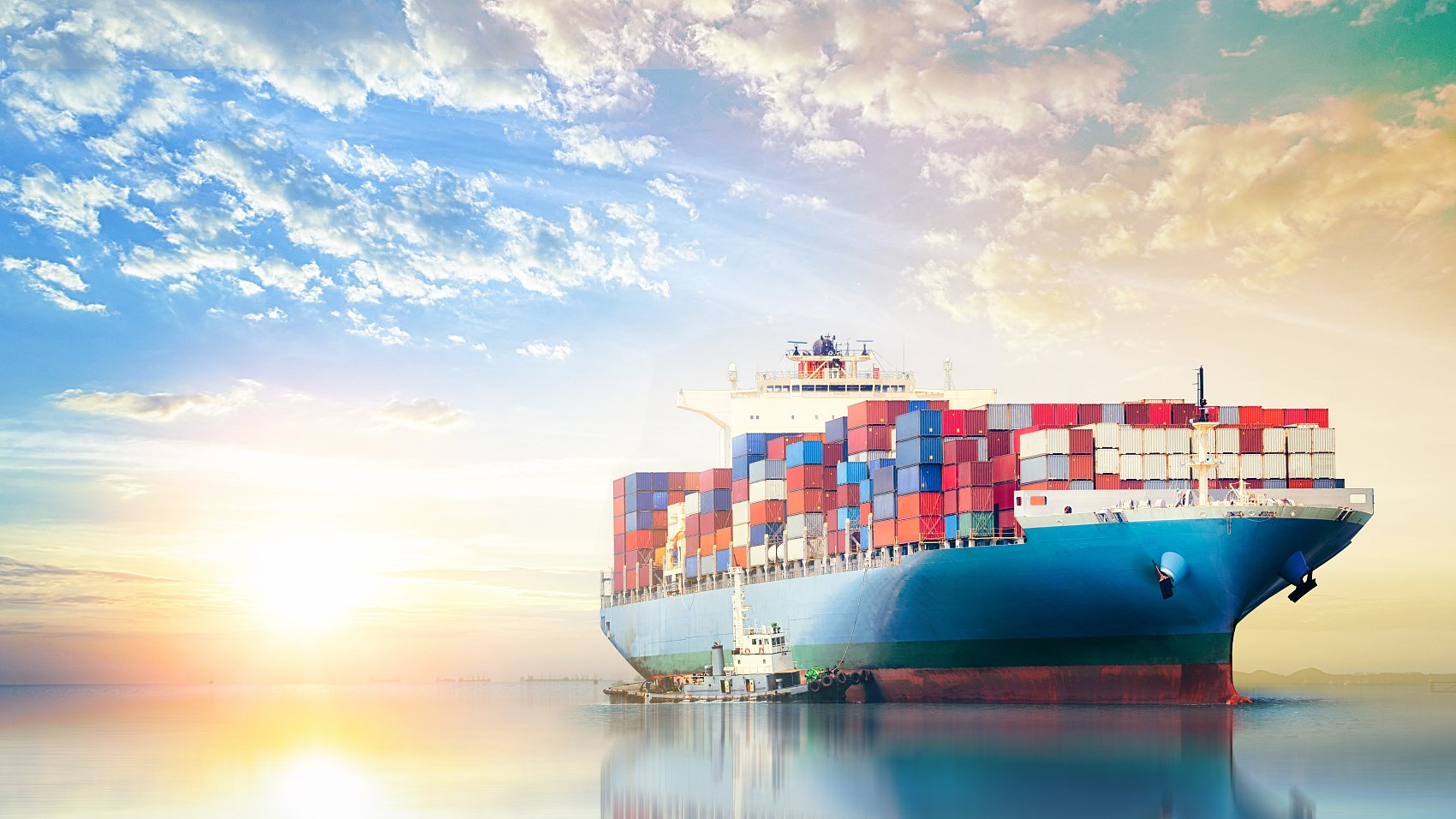
How Does a China to UK Logistics Company Freight Forwarding Solution Work?
Established logistics providers act as the essential bridge between Chinese manufacturers and British retailers by managing the intricate details of international transit. This comprehensive process begins with cargo collection from factories in industrial hubs like Shenzhen, Ningbo, or Shanghai. Consequently, the forwarder handles all export documentation and local handling before the goods are loaded onto the chosen transport vessel. Moreover, a professional China to UK logistics company freight forwarding solution includes real-time tracking and proactive communication to keep stakeholders informed throughout the journey.
Choosing a professional service ensures that your cargo complies with both Chinese export laws and UK import requirements. Indeed, the logistics provider manages the transition from the port of loading to the port of discharge, such as Felixstowe or Southampton. Meanwhile, they coordinate with local trucking companies to ensure the final mile delivery reaches your warehouse or fulfillment center. This end-to-end management reduces the risk of delays and unexpected port storage fees which can significantly impact your profit margins.
What are the Main Shipping Methods from China to the UK in 2026?
Sea freight remains the most popular choice for high-volume shipments due to its cost-effectiveness over long distances. For businesses with large inventories, sea freight offers the capacity to move full containers at a fraction of the cost of air transport. Furthermore, the 2026 market has seen a stabilization of ocean rates, making it a predictable option for budget-conscious importers. Despite the longer transit times, the ability to ship massive quantities of goods makes it the backbone of global trade.
Air freight provides the fastest possible transit for time-sensitive cargo or high-value items that require extra security. When you utilize air freight, your goods can move from a Chinese airport to London Heathrow or Manchester in less than a week. Additionally, this method is ideal for electronics, fashion samples, or medical supplies where speed to market is a critical factor. While the costs are higher, the reduction in inventory holding time often justifies the investment for many premium brands.
Rail freight has emerged as a compelling middle ground for those seeking a balance between speed and expenditure. By utilizing rail freight, cargo travels across the Silk Road route, arriving in the UK significantly faster than by sea. Consequently, this method has gained traction in early 2026 as a reliable alternative when sea routes face congestion. It offers a more sustainable profile than air freight while maintaining a schedule that supports modern just-in-time manufacturing processes.
| Method | Average Cost | Transit Time | Best For |
|---|---|---|---|
| Sea Freight | $2,000 – $4,500 per FEU | 30-38 Days | Bulk Goods / FCL |
| Air Freight | $5.50 – $12.00 per kg | 3-7 Days | Urgent / High Value |
| Rail Freight | $160 – $260 per CBM | 18-24 Days | Medium Volume |
| Express | $9.00 – $15.00 per kg | 2-5 Days | Small Parcels |
How Does Sea Freight Compare to Other Shipping Options?
Evaluating the best transport mode requires a careful analysis of your specific business needs and cargo characteristics. While sea freight is the most economical for 40HQ containers, it is often too slow for seasonal product launches that require immediate shelf presence. In contrast, air freight offers unmatched speed but can be prohibitively expensive for low-margin heavy goods like furniture or machinery. Therefore, many importers are now adopting a hybrid strategy to optimize their logistics spend.
Specifically, sea freight costs approximately $3,500-$4,500 for a 40HQ container in the current 2026 market, whereas air freight for the same volume would exceed $25,000. However, the transit time for sea freight is roughly 35 days compared to just 5 days for air. For shipments under 15 CBM, LCL sea freight at $60-$90 per CBM is often more economical than a full container. Direct routes to the UK typically cost 10-15% more than transshipment routes but save up to a week in total transit time.
| Shipping Method | Cost Range | Transit Time | Limitations |
|---|---|---|---|
| Sea Freight | Low ($) | 30-40 Days | Slowest transit |
| Air Freight | High ($$$$) | 3-7 Days | Weight limits |
| Rail Freight | Medium ($$) | 18-25 Days | Route availability |
| Sea-Air Hybrid | Medium ($$$) | 15-20 Days | Complex handling |

Which Option Should You Choose for Your UK Imports?
Budget priority should lead you toward sea freight FCL or LCL if your lead times allow for at least five weeks of transit. If you are importing for Amazon FBA, you must consider the strict delivery windows required by fulfillment centers. Consequently, many FBA sellers use a mix of sea freight for stock replenishment and air freight for initial product launches. This balanced approach ensures that you never run out of stock while keeping your average landed cost per unit as low as possible.
Speed priority dictates the use of air freight or premium express services for urgent shipments. Small businesses often prefer express services for parcels under 100kg because they include door-to-door handling and simplified customs. For cargo volumes between 5 and 15 CBM, rail freight is frequently the most logical choice in 2026. It provides a faster turnaround than the ocean without the astronomical price tag of the sky, making it perfect for mid-market consumer goods.
Why is Customs Brokerage Essential for UK Freight Forwarding?
Navigating the post-Brexit regulatory landscape in the UK requires a deep understanding of VAT, duty rates, and EORI requirements. A professional customs brokerage service ensures that your paperwork is filed correctly to avoid costly port inspections or seizures. Furthermore, the 2026 customs environment has introduced more digital filing requirements that necessitate expert oversight. Without proper documentation, even the fastest shipping method will be delayed at the UK border, leading to significant supply chain disruptions.
Accurate classification of goods using the correct HS codes is the most common hurdle for new importers. Indeed, misclassification can result in overpaying duties or facing penalties from HM Revenue and Customs (HMRC). Your logistics partner should provide a comprehensive checklist of documents including the commercial invoice, packing list, and bill of lading. By outsourcing this complexity, you can focus on your core business operations while your freight forwarder handles the bureaucratic intricacies of international trade.
Real Case Studies: Successful UK Deliveries
Case Study 1: Electronics from Shenzhen to London. Cargo: Consumer Electronics, 2 CBM, 450 kg. Shipping Method: Air Freight. Port of Loading: Shenzhen (SZX). Port of Discharge: London Heathrow (LHR). Total Landed Cost: $3,150. Total Door-to-Door: 5 days. Key Insight: Utilizing a direct air route avoided the 2026 peak season congestion at major sea ports, allowing the client to meet a critical product launch deadline.
Case Study 2: Furniture from Ningbo to Felixstowe. Cargo: Home Furniture, 28 CBM. Container: 40GP. Shipping Method: Sea Freight. Port of Loading: Ningbo. Port of Discharge: Felixstowe. Total Landed Cost: $3,850. Total Door-to-Door: 34 days. Key Insight: By booking four weeks in advance, the importer secured a fixed rate during a period of fuel price volatility in early 2026, saving approximately $600 compared to spot market pricing.
Case Study 3: Industrial Parts from Wuhan to Manchester. Cargo: Machinery Components, 5 CBM. Shipping Method: Rail Freight. Route: Wuhan to UK via London Gateway. Total Landed Cost: $1,250. Total Door-to-Door: 22 days. Key Insight: Rail freight provided the perfect middle ground for this client who needed the parts faster than sea freight could deliver but could not afford the high cost of air transport for heavy steel components.
What are the Current 2026 Freight Rates from China to the UK?
Market data suggests that freight rates have stabilized in the first half of 2026 following the disruptions of previous years. For a standard 20GP container from major Chinese ports to the UK, businesses can expect to pay between $2,000 and $2,800 depending on the carrier. Meanwhile, 40HQ containers are currently ranging from $3,500 to $4,500 during non-peak months. It is important to note that these rates typically increase by 15-25% during the August to October peak season as retailers prepare for the holiday rush.
LCL rates are currently averaging between $50 and $90 per CBM, making it a very accessible option for smaller enterprises. According to industry benchmarks, air freight rates have remained competitive at $5.50 to $8.00 per kilogram for shipments over 500kg. However, fuel surcharges remain a variable factor that can change monthly. Note: Freight rates are subject to change based on fuel costs, carrier capacity, and seasonal demand. Contact us for a current quote tailored to your specific shipment.
| Route | 20GP Container | 40GP Container | 40HQ Container |
|---|---|---|---|
| Shanghai to Felixstowe | $2,100 – $2,600 | $3,300 – $4,000 | $3,600 – $4,300 |
| Shenzhen to Southampton | $2,000 – $2,500 | $3,200 – $3,900 | $3,500 – $4,200 |
| Ningbo to London Gateway | $2,150 – $2,700 | $3,400 – $4,100 | $3,700 – $4,400 |
| Qingdao to Liverpool | $2,250 – $2,800 | $3,500 – $4,200 | $3,800 – $4,500 |
Mastering Your China to UK Logistics Strategy
Successfully importing goods in 2026 requires more than just finding the lowest price; it requires a comprehensive China to UK logistics company freight forwarding solution that prioritizes reliability and compliance. By understanding the differences between sea, air, and rail freight, you can make informed decisions that protect your margins and satisfy your customers. Whether you are shipping full containers or small LCL loads, the right partner will navigate the complexities of customs and transit on your behalf.
Ultimately, the goal is to create a resilient supply chain that can adapt to market fluctuations and global trends. As we have seen, utilizing a mix of transport modes and staying ahead of customs requirements are the keys to long-term success. Trusting an experienced forwarder allows you to scale your business with confidence, knowing that your logistics are in professional hands.
Get Your Shipping Quote Today
Streamline your supply chain today with a tailored China to UK logistics company freight forwarding solution. Our team of experts is ready to provide you with a competitive quote and a seamless shipping experience. Visit our website or contact us now to get started with your next shipment.
Request Quote