


China to Spain Amazon FBA Logistics Fulfillment: 2026 Guide
Navigating China to Spain Amazon FBA logistics fulfillment requires a strategic approach to manage the complexities of international trade. Sellers must balance speed and cost while ensuring compliance with stringent Spanish customs regulations. This guide provides a comprehensive overview of the most efficient shipping methods, documentation requirements, and cost-saving strategies available in 2026. Consequently, you can optimize your supply chain and maintain consistent stock levels at Spanish Amazon fulfillment centers like MAD4 or BCN1.
What is China to Spain Amazon FBA Logistics Fulfillment?
Efficiently managing your inventory flow involves understanding every step of the China to Spain Amazon FBA logistics fulfillment process. This journey starts at your manufacturer in China and ends at one of Amazon’s strategic warehouses in Spain. Sellers must coordinate pickup, international transit, and final mile delivery while adhering to Amazon’s strict labeling and packaging standards.

Choosing a reliable partner for Amazon FBA services can significantly reduce the risk of stockouts. Moreover, professional forwarders handle the heavy lifting of logistics, allowing you to focus on marketing and sales growth. In 2026, the integration of real-time tracking and automated customs filing has made this corridor more transparent than ever before.
Spain represents a massive opportunity within the European Union marketplace. However, the logistical hurdles of shipping from Asia require meticulous planning and execution. Consequently, understanding the nuances of the Spanish market is essential for any serious e-commerce entrepreneur.
How Does Sea Freight Compare to Other Shipping Options?
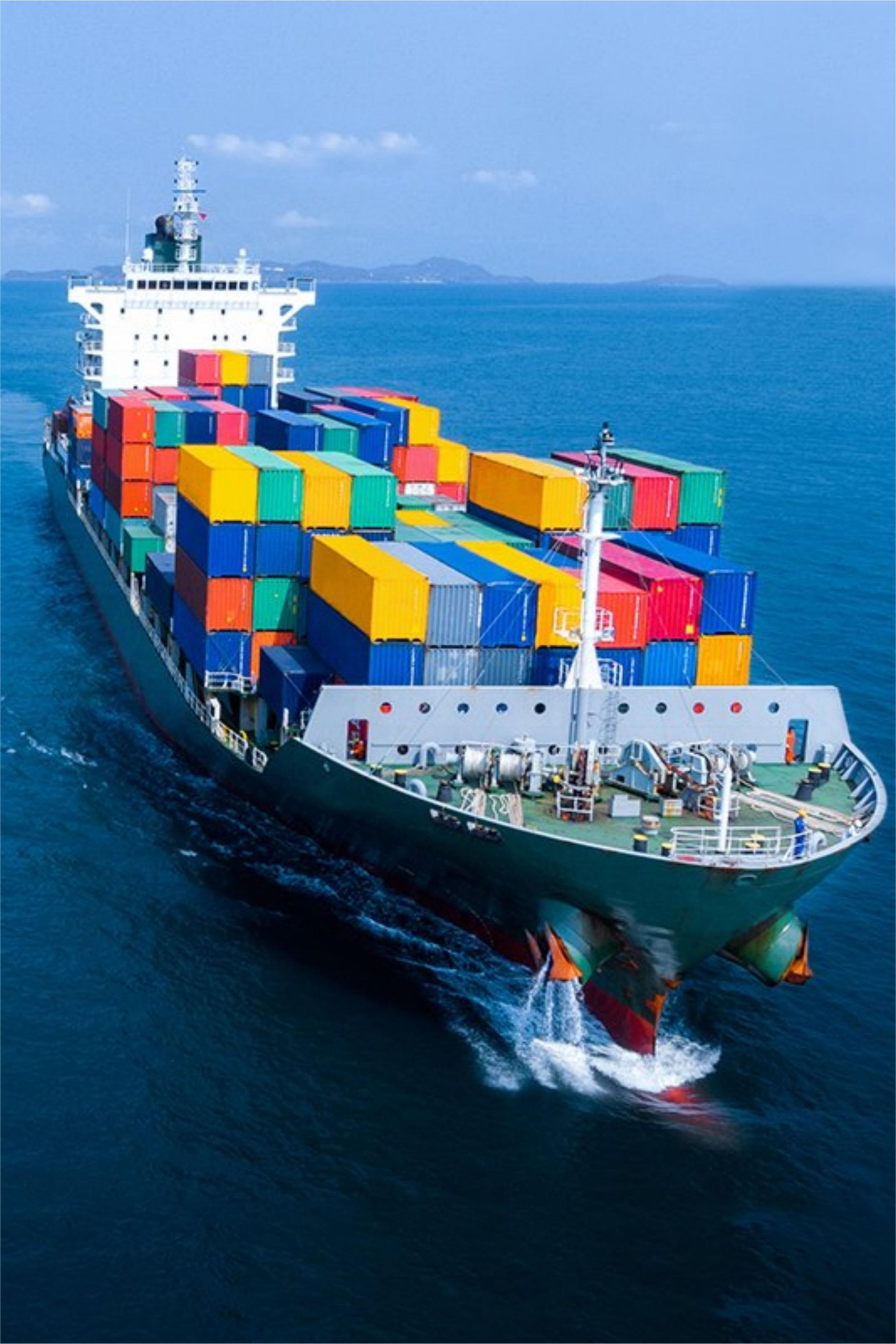
Selecting sea freight remains the most popular choice for high-volume sellers due to its unmatched cost-efficiency. While transit times are longer compared to air, the per-unit shipping cost is significantly lower for bulky or heavy items. Indeed, most sellers utilize sea transport for their core inventory replenishment cycles.
Shipping from China to Spain via the Mediterranean route usually involves major ports like Valencia, Barcelona, or Algeciras. Additionally, sellers can choose between Full Container Load (FCL) and Less than Container Load (LCL) depending on their total shipment volume. For instance, LCL is ideal for smaller shipments under 15 cubic meters, whereas FCL offers better security and speed for larger loads.
Market data from early 2026 suggests that sea freight rates have stabilized following the infrastructure upgrades in major Spanish ports. Nevertheless, seasonal peaks during the summer and before the winter holidays can still impact availability and pricing. Therefore, booking at least 4-6 weeks in advance is highly recommended for all ocean shipments.
| Method | Cost Range | Transit Time | Best For |
|---|---|---|---|
| Sea Freight (FCL) | $3,200 – $4,500 | 30-40 Days | Bulk Inventory |
| Air Freight | $5.50 – $8.50/kg | 5-9 Days | Urgent Restocks |
| Rail Freight | $180 – $250/CBM | 22-28 Days | Mid-range Volume |
| Express | $9.00 – $12.00/kg | 3-5 Days | Samples/Small |
Why Consider Rail Freight for Your Spanish Shipments?
Utilizing rail freight offers a compelling middle ground between the speed of air and the economy of sea. The Yiwu-Madrid railway line, often called the longest train route in the world, connects Chinese manufacturing hubs directly to the heart of Spain. This method is particularly effective for electronics, textiles, and medium-value consumer goods.
Transit times for rail typically range between 22 and 28 days, making it nearly twice as fast as traditional ocean routes. Furthermore, rail transport is generally more environmentally friendly than air cargo, which appeals to eco-conscious brands. Many sellers use rail to manage their mid-season inventory peaks when sea freight is too slow and air is too expensive.
Cost-saving strategies often involve shifting a portion of your logistics to rail during high-demand periods. Consequently, you can maintain a balanced supply chain that is resilient to port congestion or air capacity shortages. As of 2026, rail infrastructure through Central Asia has improved, leading to more consistent delivery schedules.
Can Air Freight Accelerate Your Amazon Spain Sales?
Deploying air freight is the fastest way to respond to sudden spikes in demand or to launch new products. While the costs are higher, the rapid transit time ensures that your products are live on Amazon Spain within days. Typically, air cargo from Shenzhen or Shanghai reaches Madrid or Barcelona airports in less than a week.
Air shipments are also subject to less handling than sea or rail, which reduces the risk of damage for fragile items. In addition, the shorter transit time reduces the amount of capital tied up in inventory at any given time. This liquidity can be vital for fast-growing startups looking to scale their operations quickly.
Freight rates for air cargo in 2026 fluctuate based on fuel surcharges and seasonal demand from electronics manufacturers. Specifically, the fourth quarter often sees a significant price increase as global demand for consumer goods peaks. Sellers should factor these variables into their pricing models to ensure profitability remains high.
How to Manage Customs Clearance and VAT in Spain?
Navigating customs brokerage is often the most challenging aspect of China to Spain Amazon FBA logistics fulfillment. Spain requires a valid EORI number and a thorough understanding of the Integrated Tariff of the European Communities (TARIC). Furthermore, sellers must correctly calculate and pay Value Added Tax (VAT), known as IVA in Spain, which currently stands at 21% for most goods.
Documentation accuracy is paramount to avoid costly delays or seizures at the border. Essential documents include the commercial invoice, packing list, and bill of lading, all of which must clearly state the product values and HS codes. Without a doubt, errors in documentation are the leading cause of delivery failures in the Spanish market.
Choosing a Delivered Duty Paid (DDP) shipping service can simplify this process immensely for FBA sellers. In a DDP arrangement, the forwarder handles all taxes and duties, delivering the goods directly to the Amazon warehouse. This approach provides cost certainty and eliminates the need for the seller to manage complex tax filings personally.
| Document | Required For | Responsibility | Timeline |
|---|---|---|---|
| Commercial Invoice | All Shipments | Supplier/Seller | Before Loading |
| Packing List | All Shipments | Supplier | Before Loading |
| EORI Number | EU Import | Importer of Record | Once (Permanent) |
| Certificate of Origin | Duty Preference | Manufacturer | Before Export |
Real-World Case Studies for Spain FBA Logistics
Case Study 1: Electronics from Shenzhen to MAD4. A seller shipped 850kg of consumer electronics using air freight to meet a Prime Day deadline. The cargo departed Shenzhen Airport and arrived at Madrid Airport within 3 days. After 2 days of customs clearance, the goods reached the MAD4 fulfillment center. Total cost: $4,250. Total door-to-door time: 6 days. Key Insight: Air freight saved the seller from a major stockout during a peak sales event.
Case Study 2: Home Decor from Ningbo to BCN1. An established brand utilized a 40HQ container for 68 CBM of home accessories. The shipment followed a direct sea route from Ningbo to the Port of Barcelona. Ocean transit took 30 days, with an additional 4 days for port handling and customs. Total landed cost: $4,100. Total door-to-door time: 35 days. Key Insight: FCL sea freight provided the lowest per-unit cost for high-volume inventory.
Case Study 3: Apparel from Yiwu to MAD4 via Rail. A fashion retailer shipped 12 CBM of seasonal clothing using the Yiwu-Madrid rail link. This method bypassed the congested sea ports during the Q3 peak season. The train reached the Madrid dry port in 24 days. Total cost: $2,400. Total door-to-door time: 28 days. Key Insight: Rail freight offered a reliable alternative when sea freight schedules were unstable.
Note: Freight rates are subject to change based on fuel costs, carrier capacity, and seasonal demand. Contact us for a current quote tailored to your specific shipment.

Decision Framework: Which Option Should You Choose?
Determining the best logistics strategy depends on your specific business priorities and product characteristics. If your primary goal is maximizing profit margins on bulky items, sea freight is the clear winner. Conversely, if you are launching a new product and need to test the market quickly, air freight or express services are more appropriate.
Volume thresholds also play a critical role in your decision-making process. For shipments under 1 CBM, express couriers are often more economical than LCL sea freight due to lower minimum charges. However, once you exceed 2-3 CBM, the economies of scale provided by sea or rail freight become much more apparent.
Hybrid solutions can also provide a competitive edge in 2026. For example, you might ship 20% of your stock via air to keep the listing active while the remaining 80% travels via sea. This balanced approach mitigates risk while keeping overall logistics costs manageable. Ultimately, a flexible supply chain is a successful supply chain.
Final Thoughts on Spanish FBA Success
Succeeding in the Spanish market requires more than just great products; it requires a flawless China to Spain Amazon FBA logistics fulfillment strategy. By understanding the differences between sea, air, and rail freight, you can make informed decisions that protect your margins and customer satisfaction. Always stay updated on the latest customs regulations and market trends to maintain a competitive advantage.
Partnering with a professional freight forwarder ensures that your business remains resilient in the face of global logistics challenges. Whether you are shipping small parcels or full containers, the right support makes all the difference. Start planning your 2026 Spanish expansion today with a logistics plan built for growth.
Need a tailored shipping solution?
Optimize your China to Spain Amazon FBA logistics fulfillment today by partnering with industry experts. Our team provides tailored solutions to ensure your cargo arrives safely and on time at any Spanish fulfillment center. Visit Top China Cargo to request a personalized quote and streamline your Spanish supply chain.