

China to New Zealand Freight Forwarder Quote: 2026 Shipping Guide
Finding a reliable logistics partner through Top China Cargo is the first step toward successful international trade between these two nations. Navigating the complexities of trans-Pacific shipping requires a clear understanding of costs, timelines, and regulatory requirements. Consequently, obtaining a precise china to new zealand freight forwarder quote is essential for maintaining your profit margins and ensuring timely delivery. This guide provides a comprehensive overview of the current 2026 shipping landscape to help you make informed decisions for your supply chain.

What Factors Influence Your China to New Zealand Freight Forwarder Quote?
Several variables determine the final price you see on a logistics estimate in 2026. Primarily, the weight and volume of your cargo dictate whether you should choose sea or air transport. Moreover, the distance between the specific port of loading in China and the port of discharge in New Zealand plays a significant role in fuel surcharges.
Seasonal demand fluctuations often cause price spikes during the peak months of August through October. Consequently, booking your shipments well in advance can lead to significant cost savings. Additionally, the type of goods you are importing might require specialized handling or temperature-controlled environments, which adds to the base rate.
Currency exchange rates and local port fees also contribute to the total landed cost of your items. Therefore, it is vital to request a breakdown that includes all potential surcharges to avoid hidden fees. Most reputable forwarders will provide a transparent quote that covers origin charges, ocean or air freight, and destination handling.
How Does Sea Freight Compare to Other Shipping Options?
Evaluating different transport modes is crucial for optimizing your logistics budget. While sea freight remains the most popular choice for bulk goods, air freight offers unmatched speed for high-value or time-sensitive items. In 2026, sea freight rates have remained relatively stable compared to the volatility seen in previous years.
Choosing between FCL and LCL depends largely on your total shipment volume. For instance, if you have more than 15 cubic meters of cargo, a full container is often more cost-effective. On the other hand, smaller shipments benefit from shared container space, though this may slightly increase the transit time due to consolidation processes.
Hybrid solutions like sea-air services are also gaining traction for those seeking a balance between cost and speed. These routes often involve shipping by sea to a hub like Singapore before flying the cargo to New Zealand. This approach can save up to 30 percent compared to pure air freight while being much faster than standard ocean shipping.
| Shipping Method | Cost Range | Transit Time | Best For |
|---|---|---|---|
| Sea Freight FCL | $1,200 – $2,100 | 14 – 22 Days | Bulk Inventory |
| Sea Freight LCL | $85 – $160/CBM | 18 – 26 Days | Small Batches |
| Air Freight | $4.50 – $8.50/kg | 3 – 7 Days | Urgent Goods |
| Express Courier | $9.00 – $15.00/kg | 2 – 5 Days | Samples/Docs |
Which Shipping Option Should You Choose for New Zealand?
Deciding on the best method requires a clear framework based on your specific business priorities. If your primary goal is budget optimization, sea freight is almost always the superior choice for shipments over 200 kilograms. Indeed, the cost per unit drops significantly as the volume of the shipment increases.
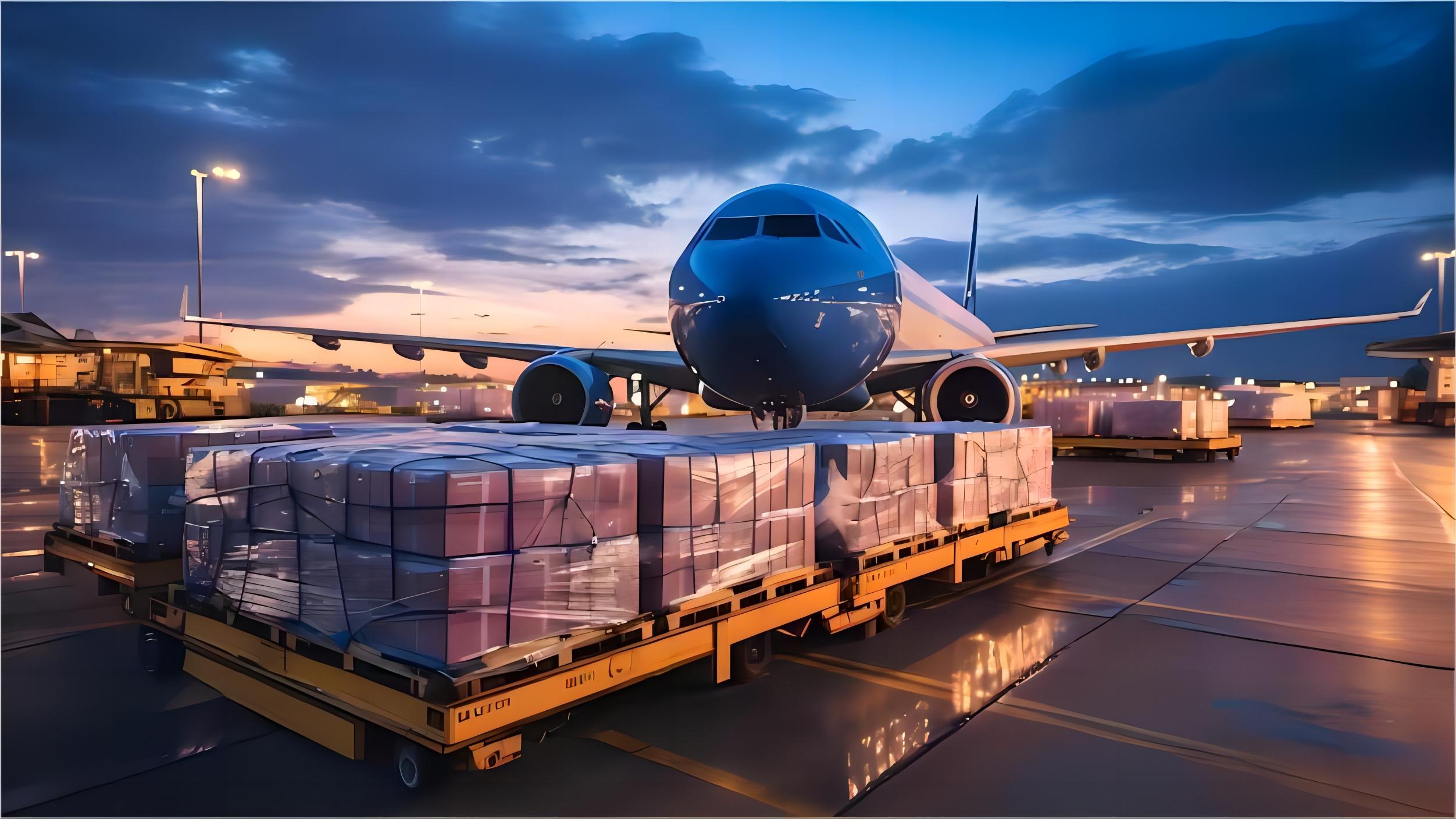
Speed priority dictates a move toward air cargo services. When you are dealing with seasonal product launches or stockouts, the higher expense of air transport is justified by the rapid replenishment of inventory. Furthermore, high-value electronics or medical supplies often require the security and speed that only flight can provide.
Cargo type considerations also limit your choices. For example, hazardous materials or oversized machinery might be restricted from certain air routes. In such cases, specialized ocean containers like flat racks or open tops are the only viable solutions for reaching New Zealand ports like Auckland or Tauranga.
Understanding Air Freight Costs and Transit Times
Requesting an Air freight quote involves understanding both actual weight and volumetric weight. Airlines charge based on whichever is higher, which means bulky but light items can be unexpectedly expensive. Consequently, optimizing your packaging is a key strategy for reducing air transport expenses.
Transit times for air cargo from major Chinese hubs like Shanghai or Shenzhen to Auckland usually range from three to seven days. This includes the time required for export customs, flight duration, and initial arrival processing. However, during peak seasons, airport congestion can add forty-eight to seventy-two hours to the total timeline.
Market data suggests that air freight rates in early 2026 are influenced by global fuel price trends. Therefore, it is advisable to lock in rates with your forwarder as soon as your production schedule is confirmed. Professional forwarders can often secure blocked space agreements to ensure your cargo moves even when capacity is tight.
Customs Documentation and Compliance in New Zealand
Navigating the regulatory environment requires a professional customs brokerage service to avoid costly delays. New Zealand has strict biosecurity laws that apply to all incoming sea and air containers. Failure to provide correct documentation can result in immediate quarantine or expensive cleaning fees at the port.
Essential documents include the Bill of Lading, Commercial Invoice, and a detailed Packing List. Additionally, a Certificate of Origin may be required to take advantage of trade agreements between China and New Zealand. Ensuring these documents are accurate and submitted digitally before the vessel arrives will speed up the clearance process significantly.
Import duties and Goods and Services Tax (GST) are calculated based on the customs value of the goods. Specifically, most items imported into New Zealand are subject to a 15 percent GST. Working with an experienced partner ensures that your goods are classified under the correct tariff codes, preventing overpayment of duties.
The Benefits of Door to Door Logistics Solutions
Choosing a door to door service simplifies the entire shipping process for importers. This comprehensive solution covers everything from picking up the goods at the factory in China to final delivery at your warehouse in New Zealand. Consequently, you can focus on your core business operations while the forwarder manages the logistical details.
This method provides better visibility and accountability throughout the supply chain. Instead of dealing with multiple carriers and agents, you have a single point of contact for your entire shipment. Moreover, door-to-door services often include all-in pricing, which makes it easier to calculate your total landed cost and set retail prices.
Typical transit times for door-to-door sea freight from China to New Zealand range from 25 to 35 days. This duration accounts for inland trucking in both countries, port handling, and sea transit. While slightly more expensive than port-to-port options, the convenience and reduced risk of communication errors often provide better long-term value.
Real-World Case Studies for New Zealand Imports
Reviewing actual shipping scenarios helps illustrate the costs and timelines involved in modern logistics. These examples are based on early 2026 market rates and typical cargo configurations. Note that freight rates are subject to change based on fuel costs, carrier capacity, and seasonal demand.
Case Study 1: Electronics to Auckland Route: Shenzhen, China to Auckland, NZ Cargo: LED Display Panels, 4.5 CBM, 1,200 kg Container: LCL (Less than Container Load) Shipping Details: – Carrier: Major Ocean Carrier – Port of Loading: Shenzhen – Port of Discharge: Auckland – Route Type: Direct Cost Breakdown: – Ocean Freight: $680 – Origin Charges: $220 – Destination Charges: $350 – Customs and Duties: $450 (Estimated) – Total Landed Cost: $1,700 Timeline: – Booking to Loading: 4 days – Sea Transit: 16 days – Customs Clearance: 2 days – Total Door-to-Door: 22 days Key Insight: Using LCL allowed the client to maintain lean inventory without paying for a full container.
Case Study 2: Furniture to Christchurch Route: Shanghai, China to Lyttelton, NZ Cargo: Modular Office Furniture, 65 CBM Container: 40HQ (High Cube) Shipping Details: – Carrier: COSCO – Port of Loading: Shanghai – Port of Discharge: Lyttelton – Route Type: Transshipment via Tauranga Cost Breakdown: – Ocean Freight: $3,200 – Origin Charges: $450 – Destination Charges: $600 – Customs and Duties: $1,200 (Estimated) – Total Landed Cost: $5,450 Timeline: – Booking to Loading: 6 days – Sea Transit: 24 days – Customs Clearance: 3 days – Total Door-to-Door: 33 days Key Insight: Transshipment was necessary for the South Island destination but added 5 days to the transit time.
How to Reduce Your China to New Zealand Shipping Costs
Implementing strategic changes to your shipping habits can lead to substantial savings. For instance, consolidating multiple small orders into a single LCL or FCL shipment reduces the per-unit handling fees. Additionally, choosing off-peak shipping dates can help you avoid the high surcharges associated with the pre-Christmas rush.
Negotiating long-term contracts with your freight forwarder can also result in more stable and lower rates. If you have consistent monthly volumes, forwarders are often willing to provide discounted pricing in exchange for guaranteed business. Furthermore, improving your product packaging to maximize container space utilization ensures you are not paying to ship air.
Finally, always request a detailed china to new zealand freight forwarder quote from at least three different providers. This allows you to compare not just the base freight rate, but also the quality of service and the transparency of their fee structure. A cheaper quote that lacks proper support or tracking may end up costing more in the long run due to delays.
Final Thoughts on Shipping to New Zealand
Successfully managing imports from China to New Zealand requires a strategic approach to logistics and a clear understanding of the costs involved. By choosing the right transport mode and a reliable partner, you can ensure your goods arrive safely and on schedule. Always remember to factor in customs requirements and seasonal trends when planning your shipments.
Ultimately, a detailed china to new zealand freight forwarder quote is your best tool for financial planning and operational efficiency. Whether you choose sea or air freight, maintaining clear communication with your logistics provider will help you navigate any challenges that arise in the 2026 market. Start planning your next shipment today to take advantage of current market stability.
Start Your Shipment
Ready to streamline your supply chain and secure the most competitive rates for your next shipment? Contact our expert team today for a personalized china to new zealand freight forwarder quote tailored to your specific business needs. Send Inquiry to get started with a professional logistics assessment.
Frequently Asked Questions
How long does sea freight take from China to New Zealand?
Is air freight much more expensive than sea freight for NZ?
What are the main ports in New Zealand for Chinese imports?
Do I need a customs broker for New Zealand imports?
What is the GST rate for goods imported into New Zealand?
Can I ship a car from China to New Zealand?
What is the difference between FCL and LCL?
Are there extra fees for shipping to residential addresses in NZ?