
China to India Amazon FBA Shipping Service: 2026 Logistics Guide
Navigating the complexities of the China to India Amazon FBA shipping service requires a strategic approach to ensure your inventory reaches Indian fulfillment centers without delay. As the Indian e-commerce market continues its rapid expansion in 2026, sellers must optimize their supply chains to maintain competitive pricing and high seller ratings. Many businesses struggle with the intricate customs regulations and volatile freight market between these two economic powerhouses. Fortunately, Top China Cargo provides comprehensive logistics solutions designed to simplify the importing process for international sellers. This guide explores the most efficient shipping methods, cost-saving strategies, and compliance requirements for the current year.
✦
How Does Sea Freight Compare to Other Shipping Options?
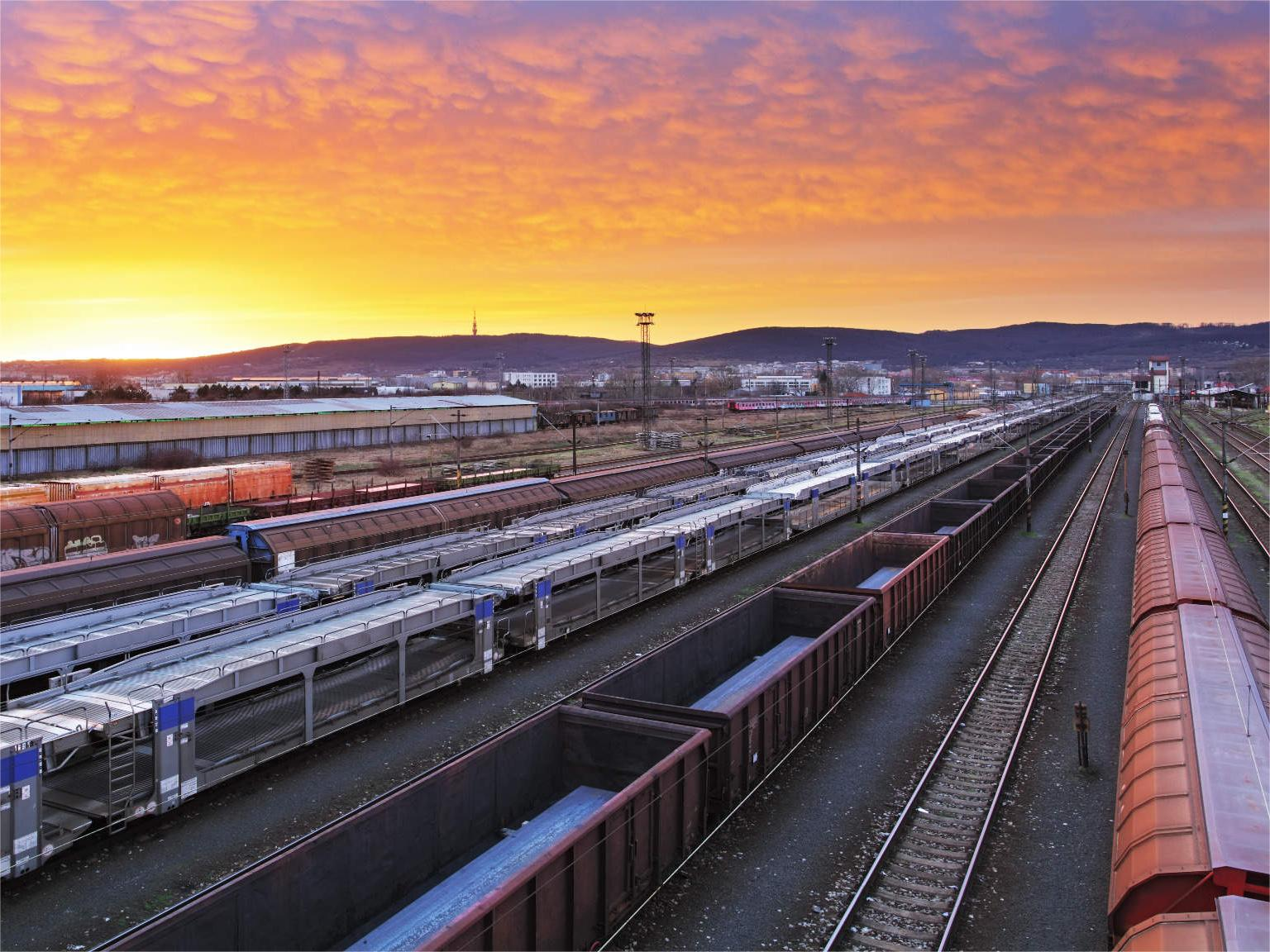
Choosing the right transportation mode is the most critical decision for any seller using a China to India Amazon FBA shipping service. While air freight offers unmatched speed, sea freight remains the backbone of global trade due to its cost-effectiveness for large volumes. In 2026, ocean freight rates have stabilized, making it the preferred choice for bulky or heavy items. However, the transit time via sea requires careful planning to avoid stockouts during peak shopping seasons like Diwali.
Consequently, businesses must weigh the trade-offs between speed and budget when selecting their primary shipping method. For instance, LCL (Less than Container Load) allows smaller sellers to share container space, significantly reducing overhead costs. On the other hand, FCL (Full Container Load) provides better security and faster handling for those moving high volumes. Meanwhile, hybrid solutions like sea-air combinations are gaining popularity for those seeking a middle ground between cost and delivery time.
To help you decide, we have compiled an objective analysis of the primary shipping methods available for the China-India corridor in early 2026.
| Shipping Method | Cost Range (2026) | Transit Time | Best For | Limitations |
|---|---|---|---|---|
| Sea Freight (FCL) | $1,800 – $3,200 | 18 – 25 Days | Bulk inventory | Longer lead times |
| Sea Freight (LCL) | $80 – $150/CBM | 22 – 30 Days | Small batches | Higher risk of damage |
| Air Freight | $3.50 – $6.50/kg | 4 – 7 Days | High-value goods | Expensive for volume |
| Express Courier | $7.00 – $12.00/kg | 3 – 5 Days | Samples / Urgent | Strict weight limits |
What Are the Benefits of Professional Amazon FBA Logistics?
Utilizing a specialized Amazon FBA logistics provider ensures that your goods meet the stringent packaging and labeling requirements of Indian warehouses. Furthermore, professional forwarders handle the complex task of appointment scheduling, which is often a bottleneck for inexperienced importers. Indeed, a single labeling error can lead to shipment rejection, resulting in expensive return shipping fees and lost sales opportunities.
Additionally, these services often include value-added features such as quality inspections at the origin factory in China. This proactive approach prevents defective products from reaching the Indian market, thereby protecting your brand reputation. Moreover, consolidated shipping options allow you to source from multiple suppliers while paying for a single international shipment. As a result, your landed cost per unit decreases, allowing for more aggressive pricing strategies in the competitive Indian marketplace.
Understanding Customs Brokerage and Indian Import Regulations
Navigating Indian customs is notoriously difficult due to the extensive documentation and specific certification requirements for various product categories. Therefore, partnering with an experienced customs brokerage firm is essential to avoid lengthy port delays. In 2026, the Indian government has streamlined digital filings, yet physical inspections remain common for consumer electronics and textiles.
Specifically, many products sourced from China require Bureau of Indian Standards (BIS) certification before they can be legally sold in India. Without this certification, your goods may be seized or destroyed at the port of entry. Furthermore, you must possess a valid Import Export Code (IEC) and ensure your GST registration is correctly linked to your shipping documents. Consequently, a professional broker will review all paperwork before the cargo departs China to ensure 100% compliance with current Indian laws.
Air Freight: When Speed Justifies the Premium Cost
While sea transport is economical, Air Freight is indispensable for maintaining inventory levels during unexpected demand surges. During the first quarter of 2026, air cargo capacity has increased, though fuel surcharges continue to influence the final price. Typically, air freight is most suitable for high-margin products or items with a short shelf life. For example, fashion retailers often use air transport to quickly capitalize on rapidly changing trends.
Moreover, the security of air transport is significantly higher than other modes, making it ideal for expensive electronics or jewelry. Transit times from major hubs like Shenzhen or Shanghai to Delhi and Mumbai usually range from four to seven days, including ground handling. Nevertheless, sellers must calculate their volumetric weight carefully, as airlines charge based on the space occupied rather than just the actual weight. To summarize, air freight should be used strategically as part of a diversified supply chain to manage risk and responsiveness.
The Convenience of Door to Door Shipping from China to India
For many small to medium enterprises, a door to door service offers the simplest way to manage international trade. This all-inclusive model covers everything from factory pickup in China to final delivery at an Amazon fulfillment center in India. Indeed, this eliminates the need for the seller to coordinate with multiple carriers, warehouses, and customs agents. Consequently, it allows business owners to focus on marketing and sales rather than logistics headaches.
In addition, door-to-door services usually provide a single, transparent quote that includes ocean or air freight, terminal handling, and local trucking. This predictability is vital for financial planning and maintaining healthy profit margins. Although the headline rate might appear higher than port-to-port shipping, the reduction in administrative time and hidden fees often makes it the more cost-effective choice. Furthermore, real-time tracking technology allows you to monitor your shipment’s progress at every stage of the journey.
Real Case Studies: Successful FBA Shipments in 2026
Case Study 1: Electronics Shipment via Sea. Route: Shenzhen, China to Nhava Sheva, India. Cargo: 450kg of smart home devices, 3 CBM. Method: Sea Freight LCL. Shipping Details: Carrier: Major carrier, Port of Loading: Shenzhen, Port of Discharge: Nhava Sheva. Route Type: Direct. Cost Breakdown: Ocean Freight: $450, Origin Charges: $120, Destination Charges: $210, Customs and Duties: $850, Total Landed Cost: $1,630. Timeline: Booking to Loading: 3 days, Sea Transit: 18 days, Customs Clearance: 4 days, Total Door-to-Door: 25 days. Key Insight: Early BIS documentation prevented a potential 10-day customs hold.
Case Study 2: Apparel Launch via Air. Route: Guangzhou, China to Delhi, India. Cargo: 150kg of seasonal clothing. Method: Air Freight. Shipping Details: Carrier: Commercial Airline, Port of Loading: Guangzhou, Port of Discharge: Indira Gandhi International Airport. Route Type: Direct. Cost Breakdown: Air Freight: $750, Origin Charges: $80, Destination Charges: $110, Customs and Duties: $400, Total Landed Cost: $1,340. Timeline: Booking to Loading: 1 day, Air Transit: 1 day, Customs Clearance: 2 days, Total Door-to-Door: 5 days. Key Insight: Using air freight allowed the seller to hit the market two weeks before competitors.
Which Option Should You Choose? Decision Framework
Determining the best China to India Amazon FBA shipping service depends on your specific business priorities and cargo characteristics. If your primary goal is to minimize costs and your lead times are flexible, sea freight is the clear winner for shipments over 2 CBM. Conversely, if you are launching a new product or replenishing low stock, air freight provides the necessary agility to prevent lost revenue. Additionally, consider the nature of your goods; fragile items may benefit from the reduced handling involved in air transport.
Furthermore, you should evaluate the volume of your shipments to decide between LCL and FCL. For shipments exceeding 15 CBM, a 20GP container often becomes more economical than paying for individual cubic meters in an LCL arrangement. Moreover, always factor in the ‘Total Landed Cost’ rather than just the freight rate. This includes duties, taxes, and local delivery fees which can significantly impact your bottom line. To summarize, a balanced approach using multiple shipping modes is often the most resilient strategy for 2026.
Final Thoughts on China to India Logistics
Successfully managing a China to India Amazon FBA shipping service requires a deep understanding of both logistics and local regulations. By selecting the appropriate shipping method and ensuring full compliance with Indian customs, sellers can build a sustainable and profitable e-commerce business. Remember that the cheapest option is not always the best if it results in delays or damaged goods. Consequently, investing in professional logistics support is a strategic move that pays dividends in customer satisfaction and operational efficiency.
As we move through 2026, staying informed about market trends and regulatory changes will remain crucial for all importers. Whether you choose the speed of air freight or the economy of sea freight, consistency is the key to winning on Amazon India. Partnering with the right freight forwarder will allow you to navigate the complexities of international trade with confidence and ease.