


China to Germany Sea Freight Consolidated LCL FCL Service 2026
Navigating the complexities of international trade requires a robust logistics strategy that balances cost and efficiency. Choosing a professional China to Germany sea freight consolidated LCL FCL service allows businesses to scale their operations while maintaining predictable delivery schedules. Consequently, importers can focus on market growth rather than worrying about the intricacies of maritime transit and port handling. This comprehensive guide explores the best shipping methods available in 2026 to ensure your cargo reaches European markets safely.
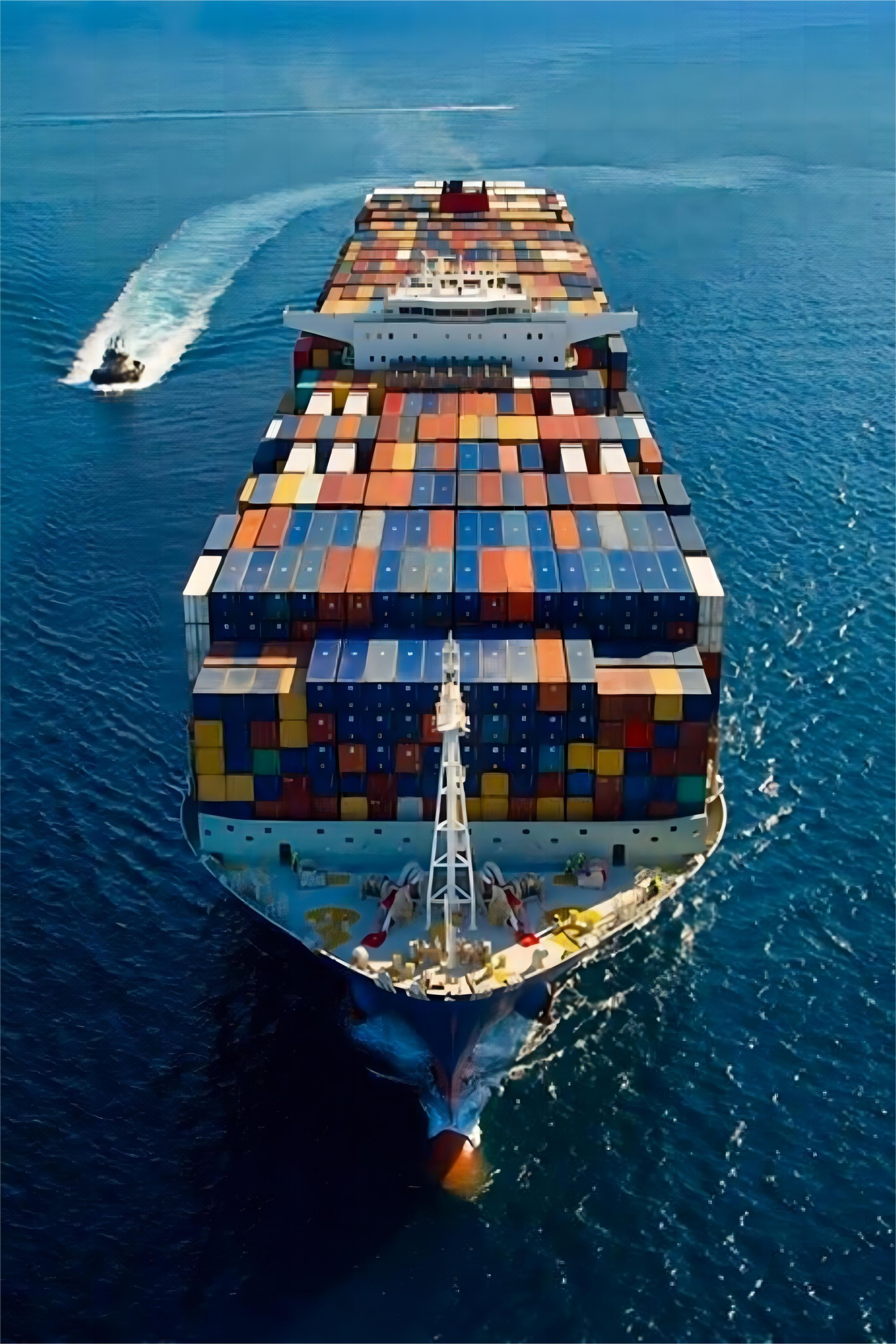
Understanding the China to Germany Sea Freight Consolidated LCL FCL Service
Selecting the right shipping method is the first step toward a successful supply chain. For many businesses, a sea freight solution offers the most sustainable balance between transport volume and expense. Specifically, FCL or Full Container Load involves renting an entire container for your exclusive use, which is ideal for large shipments. In contrast, LCL or Less than Container Load allows multiple shippers to share space within a single container, making it perfect for smaller volumes.
Consolidation services play a vital role in reducing overhead for small to medium enterprises. By grouping various shipments together, freight forwarders can offer lower rates than traditional individual shipping methods. Moreover, this approach maximizes container utility and reduces the environmental footprint of each cubic meter transported. Therefore, businesses can maintain frequent inventory cycles without the high cost of air transport.

Managing these shipments requires expert knowledge of carrier schedules and port operations. Professional logistics providers coordinate the pickup, stuffing, and documentation processes to prevent delays at the origin. Additionally, they ensure that the cargo is properly secured to withstand the long ocean voyage. As a result, your goods arrive in Germany in the same condition they left the factory in China.
When to Choose FCL Shipping
Full Container Load is typically the preferred choice for shipments exceeding 15 cubic meters. Because you have exclusive access to the container, the risk of damage from other cargo is virtually eliminated. Furthermore, FCL shipments often experience faster transit times because they do not require the consolidation and deconsolidation steps at the port. Indeed, this method is the gold standard for high-volume manufacturing and bulk retail orders.
The Benefits of LCL Consolidation
Less than Container Load services provide the flexibility needed for lean inventory management. Instead of waiting to fill an entire 20-foot container, you can ship smaller batches as soon as they are produced. Meanwhile, you only pay for the space your cargo actually occupies, which significantly lowers the barrier to entry for new importers. Accordingly, LCL is the backbone of the e-commerce and specialized parts industries in 2026.
How Does Sea Freight Compare to Other Shipping Options?
Evaluating alternative transport modes is essential for optimizing your 2026 logistics budget. While sea freight is the most economical, rail freight has emerged as a powerful middle-ground solution for the China-Europe corridor. Rail transport typically cuts transit time by half compared to the ocean route while remaining significantly cheaper than air transport. However, sea freight remains the only viable option for massive industrial equipment and hazardous materials.
Air freight represents the fastest but most expensive tier of logistics. For instance, shipping a pallet via air might take five days but cost ten times more than the sea route. Consequently, most businesses reserve air transport for high-value electronics or urgent stock replenishments. On the other hand, sea freight provides the capacity needed for the global movement of consumer goods and raw materials.
Hybrid solutions such as Sea-Air or Sea-Rail are also gaining popularity in the current market. These strategies involve shipping goods by sea to a hub like Dubai or Singapore and then transferring them to a faster mode for the final leg. Such approaches can save up to 40 percent in time compared to pure sea freight while keeping costs manageable. Without a doubt, a diversified shipping strategy is the best way to mitigate risks like port congestion or regional disruptions.
| Shipping Method | Cost Range | Transit Time | Best For |
|---|---|---|---|
| Sea Freight (FCL) | $1,800 – $4,200 | 30 – 45 Days | Bulk Goods |
| Sea Freight (LCL) | $50 – $120/CBM | 35 – 50 Days | Small Batches |
| Rail Freight | $2,500 – $3,800 | 18 – 25 Days | Medium Volume |
| Air Freight | $5.50 – $9.00/kg | 5 – 8 Days | Urgent Items |
Transit Times and Major Ports from China to Germany
Understanding the geography of the shipping to Europe route helps in planning accurate delivery windows. Most vessels departing from major Chinese hubs like Shanghai, Ningbo, or Shenzhen travel through the South China Sea and the Suez Canal. In 2026, the average transit time to German ports like Hamburg or Bremerhaven ranges from 30 to 45 days. Nevertheless, seasonal weather patterns and canal traffic can occasionally influence these durations.
Hamburg serves as the primary gateway for German imports due to its massive infrastructure and inland rail connections. Additionally, Bremerhaven and Wilhelmshaven provide excellent alternatives for specialized cargo and automotive shipments. Choosing the right port of discharge depends heavily on the final destination within Germany. For example, shipments destined for Southern Germany might benefit from discharging at Mediterranean ports followed by rail transport.
Logistics trends in 2026 show an increased focus on smart port technology to speed up unloading times. Automated cranes and AI-driven slot management have reduced the time a ship spends at the berth. Therefore, the total port-to-port time is becoming more predictable than in previous years. Meanwhile, shippers should still account for a buffer period of three to five days for documentation and inland drayage.
| Origin Port | Destination Port | Transit (Days) | Frequency |
|---|---|---|---|
| Shanghai | Hamburg | 32 – 35 | Daily |
| Shenzhen | Bremerhaven | 30 – 33 | Weekly |
| Ningbo | Wilhelmshaven | 34 – 38 | Bi-weekly |
| Qingdao | Hamburg | 38 – 42 | Weekly |
Cost Factors for Sea Freight in 2026
Freight rates are influenced by several dynamic variables including fuel prices and seasonal demand. During the peak season from August to October, prices often rise by 15 to 25 percent as retailers prepare for the holiday rush. Furthermore, currency fluctuations between the USD and the Euro can impact the final landed cost of your goods. Consequently, it is wise to lock in rates with your freight forwarder at least two to three weeks before the scheduled departure.
Ocean freight is only one component of the total shipping expenditure. You must also consider origin charges such as Terminal Handling Charges (THC), trucking fees to the port, and export documentation costs. At the destination, you will encounter similar fees along with customs duties and Value Added Tax (VAT). In addition, insurance premiums should never be overlooked, as they protect your investment against unforeseen maritime accidents.
Market data suggests that 2026 has seen a stabilization of rates following the disruptions of previous years. Currently, a 40HQ container from China to Germany averages between $3,500 and $4,500 depending on the specific carrier and service level. For LCL shipments, the rates are generally calculated per cubic meter, often ranging from $60 to $95. Note: Freight rates are subject to change based on fuel costs, carrier capacity, and seasonal demand. Contact us for a current quote tailored to your specific shipment.
Customs Documentation and German Regulations
Navigating the legal requirements of the European Union is a critical aspect of international shipping. Utilizing a professional customs brokerage ensures that all paperwork complies with the latest German regulations. Specifically, you will need a Commercial Invoice, a Packing List, and a Bill of Lading to begin the clearance process. Furthermore, an EORI number is mandatory for any business importing goods into the EU.
Classification of goods using the correct HS Code is essential for determining the applicable duty rates. Incorrect classification can lead to significant fines or the seizure of your cargo by German customs authorities. Additionally, certain products like electronics or chemicals may require specific certifications such as CE marking or REACH compliance. Indeed, thorough preparation of documents is the most effective way to avoid costly delays at the Port of Hamburg.
German customs are known for their efficiency but also for their strict adherence to procedural details. Therefore, ensuring that the description of goods matches the physical cargo is paramount. Moreover, the valuation of goods must be accurate to avoid audits and penalties. As a result, many successful importers work closely with their logistics partners to pre-clear shipments before the vessel even arrives at the port.
| Document | Purpose | Required By | Notes |
|---|---|---|---|
| Bill of Lading | Title of Goods | Carrier | Original or Telex |
| Commercial Invoice | Tax Valuation | Customs | Must show EORI |
| Packing List | Cargo Detail | Warehouse | Detailed weights |
| Certificate of Origin | Trade Agreements | Customs | Reduces duties |
Realistic Case Studies: China to Germany Logistics 2026
Examining real-world scenarios provides valuable insight into the practicalities of a China to Germany sea freight consolidated LCL FCL service. These cases reflect typical market conditions and operational challenges encountered by modern importers. By reviewing these examples, you can better estimate your own timelines and costs for the upcoming quarter.
Case Study 1: Electronics from Shenzhen to Hamburg. A technology retailer imported a 40HQ container of consumer electronics in Q1 2026. The route involved a direct sailing from Shenzhen to Hamburg with a sea transit time of 32 days. Total ocean freight was $3,850, with origin and destination charges adding another $1,200. The shipment was cleared by customs in 48 hours, resulting in a total door-to-door timeline of 40 days. Key Insight: Early booking during the post-CNY period secured a rate 10 percent below the market average.
Case Study 2: Industrial Parts from Ningbo to Bremen via LCL. A manufacturing firm required 6 CBM of specialized machine components. They chose a consolidated LCL service to minimize costs while maintaining a steady supply. The cargo was consolidated in Ningbo and discharged in Bremerhaven after 36 days at sea. Total landed cost, including LCL fees and local delivery, was $1,150. Key Insight: Using a consolidated service allowed the client to avoid the expense of an under-filled 20GP container.
Case Study 3: Furniture from Qingdao to Munich via Sea-Rail. An interior design company utilized a hybrid solution to reach Southern Germany. The goods traveled by sea from Qingdao to Hamburg and were then transferred to a dedicated freight train for the final leg to Munich. This approach saved four days of transit compared to traditional trucking. The total cost was $4,100 for a 40GP container. Key Insight: Multimodal transport is often the most efficient way to reach inland German cities far from the northern coast.
Which Option Should You Choose?
Deciding between LCL and FCL depends on your specific business priorities and cargo volume. If your shipment is over 15 CBM, FCL is almost always the more cost-effective and secure choice. However, for smaller shipments, LCL provides the flexibility to keep your supply chain moving without large capital outlays. Additionally, consider the sensitivity of your goods; fragile items may benefit from the reduced handling of a Full Container Load.
Budget priority often dictates the choice of sea freight over faster alternatives. If speed is your primary concern, rail or air freight should be considered despite the higher price tag. Furthermore, the nature of your cargo plays a role; heavy machinery is best suited for FCL, while high-fashion garments often utilize LCL or air freight. Specifically, our door to door solutions can be tailored to any of these methods to simplify your logistics.
Strategic planning involves looking at the total landed cost rather than just the shipping rate. Factor in the cost of capital tied up in inventory during long sea transits. For instance, if your goods have a high depreciation rate, the faster rail route might actually be cheaper in the long run. To summarize, a successful logistics plan in 2026 requires a balanced evaluation of time, cost, and reliability.
Mastering Your China to Germany Logistics
Successfully managing a China to Germany sea freight consolidated LCL FCL service requires a blend of strategic planning and expert execution. By understanding the differences between LCL and FCL, importers can make informed decisions that protect their margins. Moreover, staying updated on 2026 market trends and customs regulations is essential for avoiding unnecessary delays.
Top China Cargo remains committed to providing transparent, efficient, and cost-effective shipping solutions for businesses of all sizes. Whether you are shipping a single pallet or a fleet of containers, our network ensures your cargo is in safe hands. Therefore, take the next step in optimizing your supply chain by partnering with a logistics expert who understands the unique demands of the China-Germany trade route.
Ready to streamline your logistics?
Streamline your international logistics with a reliable China to Germany sea freight consolidated LCL FCL service. Our team at Top China Cargo is ready to provide you with a competitive quote and expert guidance for your 2026 shipments. Visit our website to request your personalized shipping plan today. Visit: https://topchinacargo.com/contact-us/
Request Quote