

China to Germany Ecommerce Fulfillment Warehouse Prep Center Solutions 2026
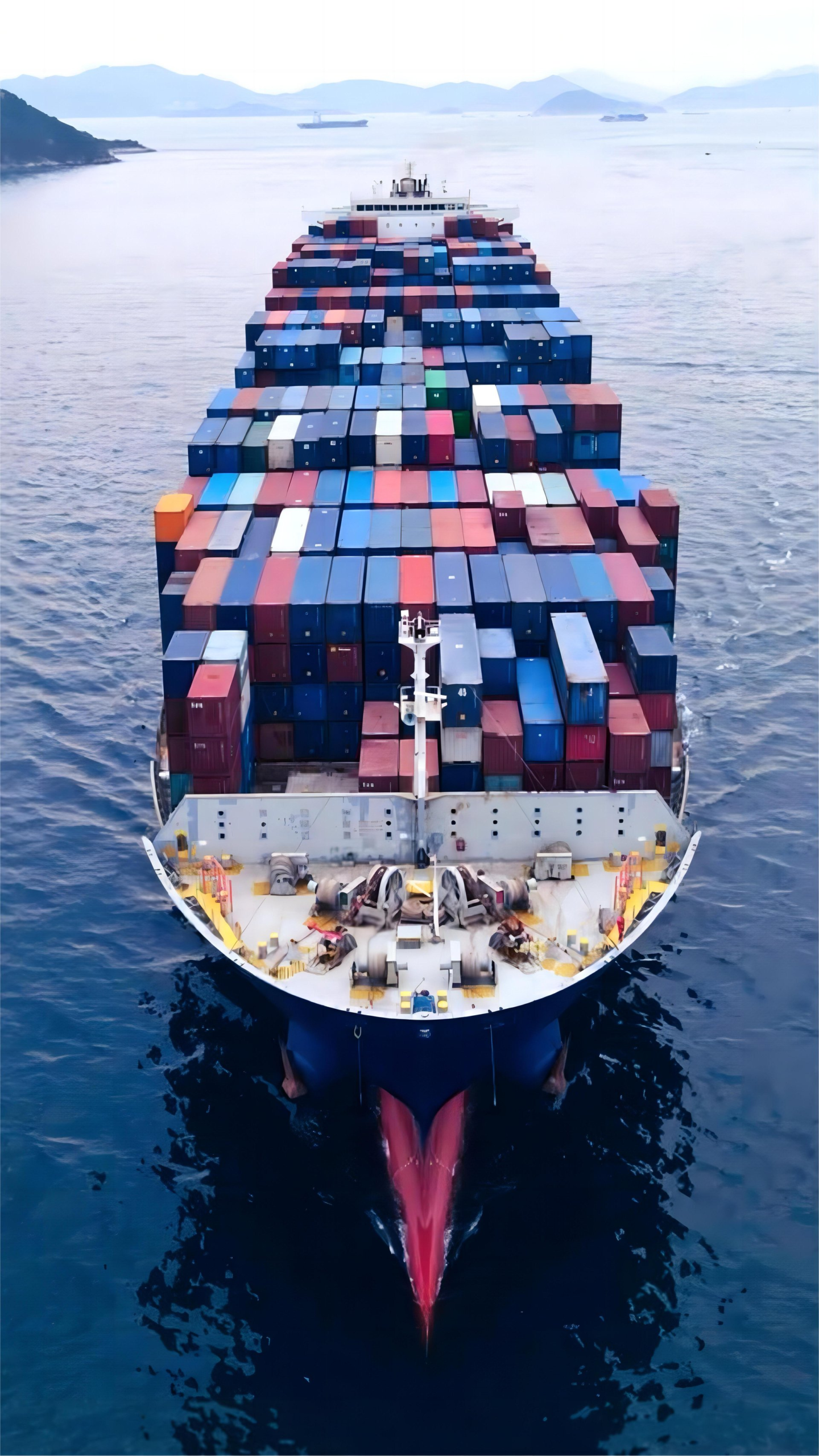
Expanding your digital storefront into the European market requires a robust logistics strategy that bridges the gap between Asian manufacturing and Western consumers. Utilizing a professional China to Germany ecommerce fulfillment warehouse prep center allows businesses to streamline their operations while ensuring products meet strict European standards. By partnering with experts like Top China Cargo, sellers can overcome common hurdles such as long transit times and complex customs regulations. This guide explores how localized fulfillment centers in Germany can transform your delivery speed and customer satisfaction ratings throughout 2026.
Understanding the China to Germany Ecommerce Fulfillment Warehouse Prep Center Model
A dedicated China to Germany ecommerce fulfillment warehouse prep center acts as a strategic hub for international sellers. Furthermore, these facilities handle everything from receiving bulk shipments to individual order picking and packing. Consequently, businesses can maintain a local presence in Germany without the overhead costs of managing their own physical warehouse space.
In addition to storage, these centers specialize in preparation services that are mandatory for major marketplaces. For instance, labeling, kitting, and quality inspections are performed locally to ensure every item is ready for immediate dispatch. Therefore, the risk of returns due to non-compliance with German packaging laws is significantly reduced for overseas merchants.
Moreover, localized fulfillment enables sellers to offer competitive shipping times, such as next-day or two-day delivery. Indeed, German consumers have high expectations for speed and reliability when shopping online. By positioning inventory closer to the end-user, you effectively eliminate the weeks-long wait associated with direct shipping from China.
How Does Sea Freight Compare to Other Shipping Options?
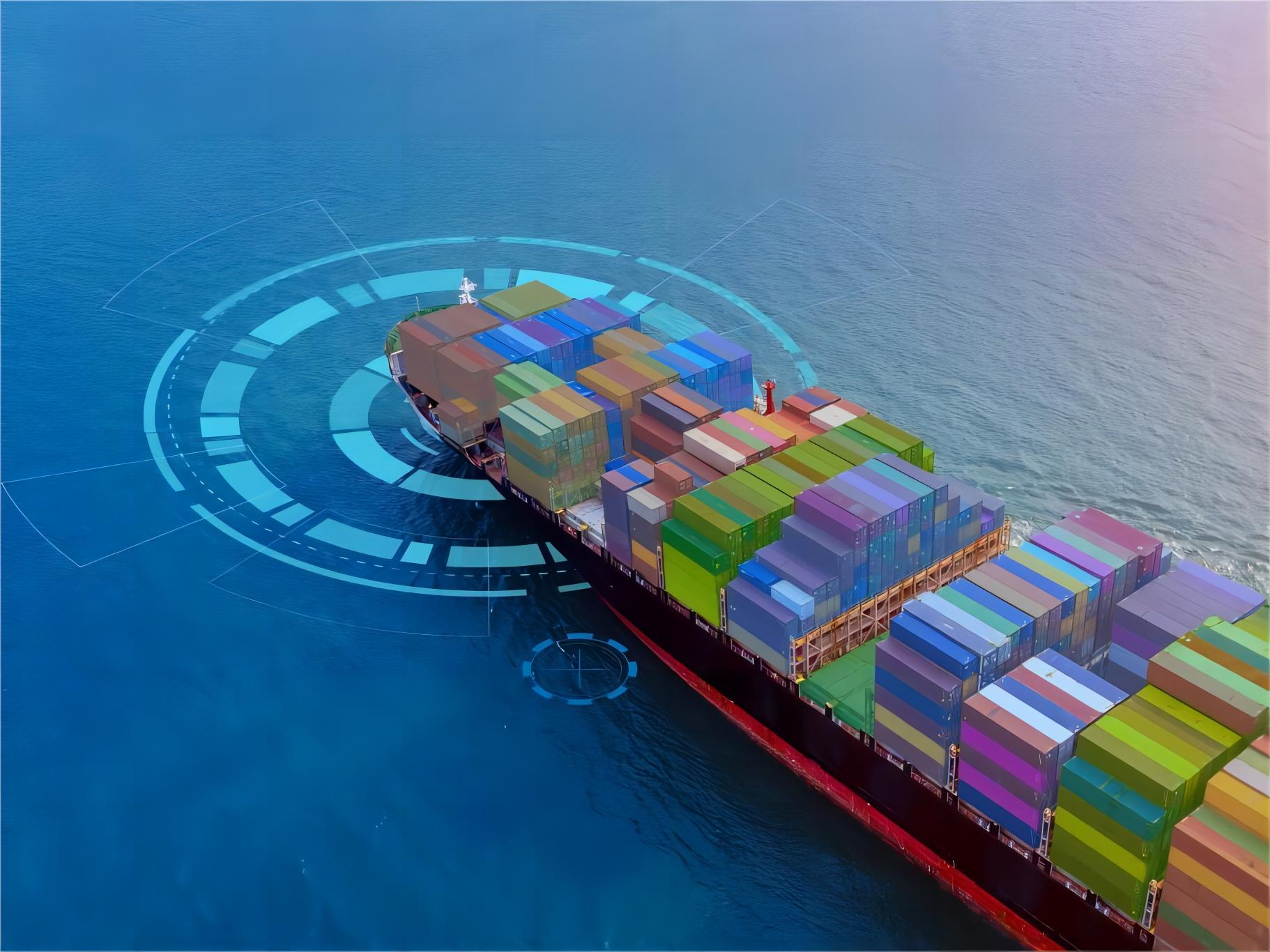
When planning your inventory movement, choosing the right transport mode is essential for maintaining healthy profit margins. Sea freight remains the most cost-effective solution for large volumes of inventory. However, it requires careful planning due to the longer transit times across the ocean.
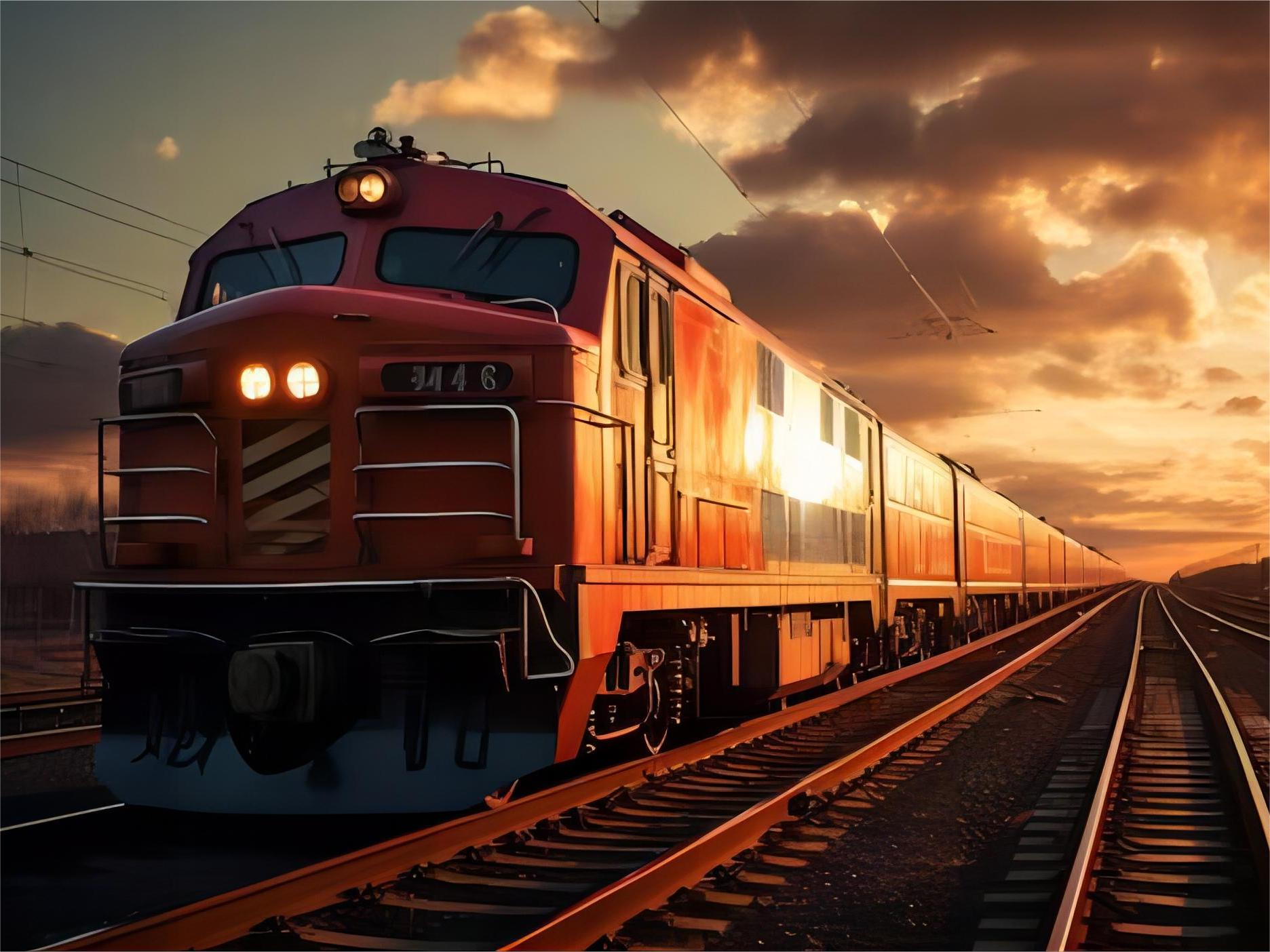
Alternatively, rail freight has become a highly popular middle-ground option for the China-Europe corridor. It offers a faster transit time than sea freight while remaining significantly cheaper than air transport. Consequently, many ecommerce businesses use a hybrid approach to balance their budget and inventory turnover rates.
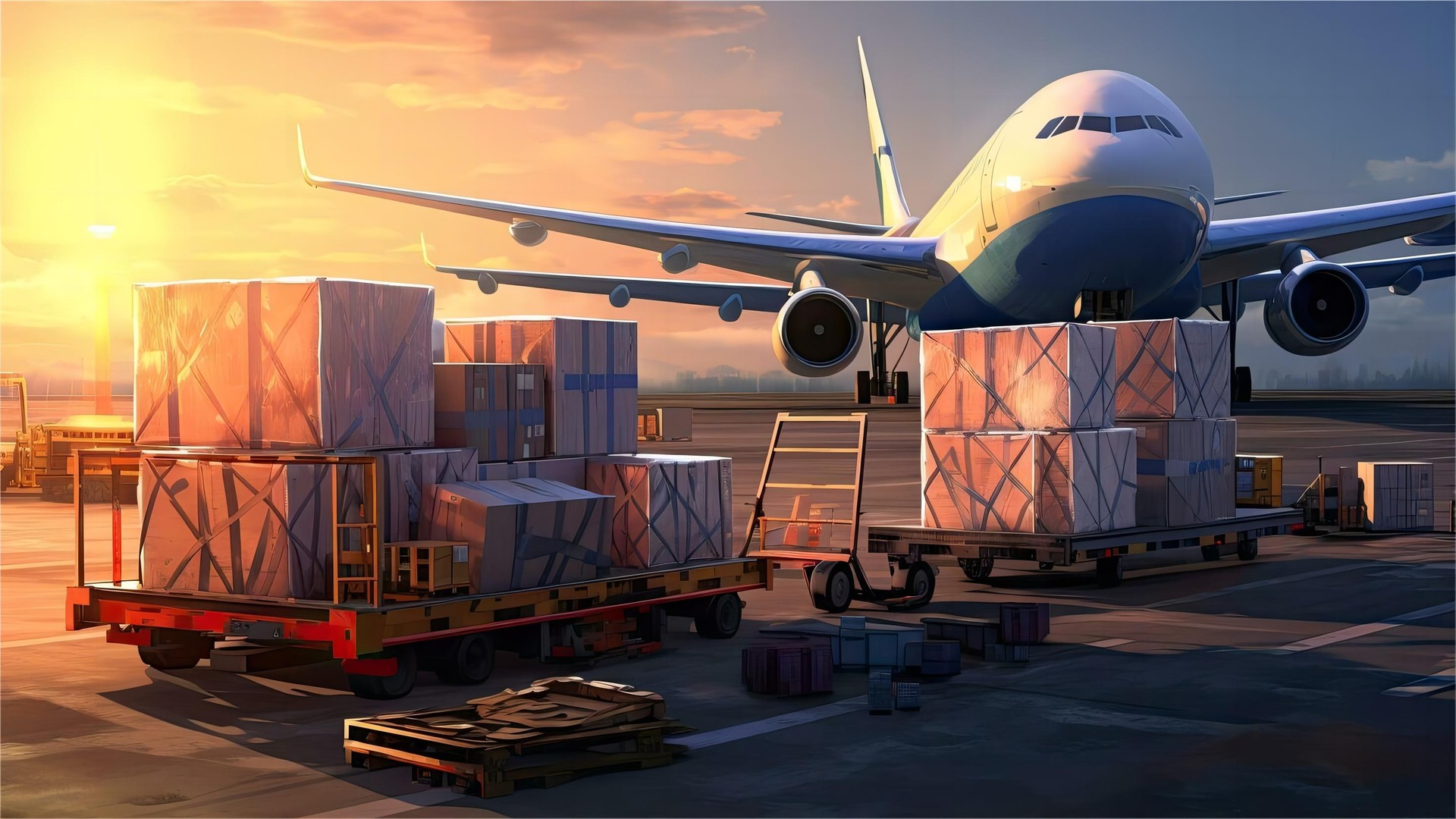
Meanwhile, air freight is the go-to choice for high-value items or urgent restocks that cannot wait for sea transit. Although the costs are higher, the ability to replenish stock in under a week can prevent lost sales during peak seasons. Each method serves a specific purpose in a well-rounded supply chain strategy for 2026.
| Shipping Method | Cost Range (2026) | Transit Time | Best For |
|---|---|---|---|
| Sea Freight (FCL) | $3,000 – $4,200 per 40HQ | 30-40 Days | Bulk inventory and low-margin goods |
| Rail Freight | $1.50 – $2.50 per kg | 18-24 Days | Medium-sized shipments and electronics |
| Air Freight | $4.50 – $7.00 per kg | 5-8 Days | High-value items or urgent restock |
| Express Service | $7.00 – $12.00 per kg | 3-5 Days | Small parcels and samples |
Essential Warehouse Prep Services for Amazon FBA Sellers
Selling on Amazon Germany requires strict adherence to the platform’s fulfillment requirements. A specialized Amazon FBA prep center ensures that your products are labeled with the correct FNSKU barcodes. Additionally, they manage the palletization of goods according to Amazon’s specific height and weight restrictions.
Furthermore, these centers can perform vital quality control checks before goods enter the Amazon ecosystem. If a shipment from China arrives with damaged outer packaging, the prep center can repackage the items to prevent rejection at the FBA warehouse. This proactive approach saves sellers from expensive removal orders and shipping fees.
Moreover, kitting and bundling services allow you to create unique product offerings that stand out in the marketplace. For example, a prep center can combine multiple SKUs into a single promotional gift set. This flexibility is a major advantage for brands looking to increase their average order value in the competitive German market.
Customs Clearance and VAT Compliance in Germany
Navigating the legalities of European trade is often the most challenging aspect for international ecommerce brands. Professional customs brokerage services are indispensable for ensuring that all duties are calculated accurately. In 2026, German customs authorities have implemented stricter digital reporting requirements for all imported goods.
Consequently, having a fulfillment partner who understands the intricacies of the Import One-Stop Shop (IOSS) is vital. They can assist in ensuring that VAT is handled correctly at the point of entry, preventing unexpected delays for your customers. Without proper documentation, shipments can be held at the border for weeks, incurring heavy storage fees.
Additionally, the prep center can help manage the ‘Indirect Representation’ required for non-EU entities importing into Germany. This service allows you to clear customs without having a physical office in Europe. Therefore, it provides a seamless path for Chinese manufacturers to sell directly to German consumers while remaining fully compliant.
The Role of Rail Freight in 2026 Logistics
The Trans-Eurasian rail network has stabilized into a reliable pillar of the global supply chain. Choosing rail freight allows businesses to achieve a 50% reduction in transit time compared to sea routes. This speed is particularly beneficial for seasonal goods that need to reach the market quickly but are too heavy for air transport.
Furthermore, rail transport is often cited as a more sustainable alternative to air and road shipping. As environmental regulations in Germany become more stringent, using ‘green’ logistics options can enhance your brand’s reputation. Many German consumers prioritize eco-friendly businesses when making purchasing decisions.
Nevertheless, it is important to monitor geopolitical developments that may affect rail routes through Central Asia. Most logistics providers now offer diversified rail paths to ensure consistency in delivery schedules. By integrating rail into your fulfillment strategy, you create a more resilient supply chain that can adapt to various market conditions.
Which Option Should You Choose? A Decision Framework
Selecting the right fulfillment and shipping strategy depends on your specific business goals and product characteristics. If your primary focus is minimizing costs, sea freight combined with a long-term storage plan in Germany is the most logical choice. This approach works best for items with predictable demand and high volume.
On the other hand, if you are launching a new product and need to test the market quickly, air freight is the superior option. The higher cost is justified by the reduced risk of holding excess inventory that might not sell. Once demand is proven, you can transition to more economical shipping methods for subsequent batches.
Ultimately, a hybrid solution often provides the best results for growing ecommerce brands. You might ship 80% of your stock via sea for cost efficiency while keeping 20% in a rail or air pipeline to handle unexpected spikes in demand. This balanced strategy ensures you never run out of stock while keeping your average landed cost manageable.
| Priority | Recommended Method | Key Benefit | Trade-off |
|---|---|---|---|
| Maximum Savings | Sea Freight + LCL | Lowest per-unit cost | Longest lead time |
| Speed to Market | Air Freight | Rapid replenishment | Higher shipping expense |
| Reliability | Rail Freight | Consistent schedule | Higher cost than sea |
| Customer Experience | Local Prep Center | Fast last-mile delivery | Local storage fees |
Case Study 1: Electronics Distribution from Shenzhen to Hamburg
Route: Shenzhen, China to Hamburg, Germany via Rail Freight. Cargo: 500 units of high-end headphones, 4 CBM, 850 kg. Carrier: Major rail operator. Port of Loading: Shenzhen Hub. Port of Discharge: Hamburg Terminal. Route Type: Direct rail via Silk Road.
Cost Breakdown: Rail Freight: $1,850. Origin Charges: $250. Destination Charges: $320. Customs & Duties: $1,100. Total Landed Cost: $3,520. Timeline: Booking to Loading: 3 days. Rail Transit: 20 days. Customs Clearance: 2 days. Total Door-to-Door: 25 days.
Key Insight: By using rail instead of sea, the client reached the market 15 days earlier, allowing them to capture the early-adopter demand for their new product. The cost was roughly 40% higher than sea freight but significantly lower than air freight.
Case Study 2: Fashion Brand Seasonal Inventory via Sea
Route: Ningbo, China to Berlin, Germany via Sea Freight. Cargo: 2,000 units of summer apparel, 12 CBM (LCL). Carrier: COSCO. Port of Loading: Ningbo-Zhoushan. Port of Discharge: Hamburg. Route Type: Transshipment via Singapore.
Cost Breakdown: Ocean Freight: $1,200. Origin Charges: $180. Destination Charges: $450. Customs & Duties: $2,400. Total Landed Cost: $4,230. Timeline: Booking to Loading: 5 days. Sea Transit: 35 days. Customs Clearance: 3 days. Total Door-to-Door: 43 days.
Key Insight: Using a prep center in Berlin for final labeling and quality checks allowed the brand to maintain a 99% positive rating on Amazon.de. The long lead time was managed through early production scheduling, ensuring the lowest possible shipping cost.
Optimizing Your China to Germany Logistics Strategy
Successfully navigating the bridge between China and Germany requires a blend of strategic shipping and localized fulfillment expertise. By utilizing a China to Germany ecommerce fulfillment warehouse prep center, you can ensure your products meet all local standards while providing the fast delivery German consumers demand. Whether you prioritize the cost-effectiveness of sea freight or the speed of rail, the right prep center partner will streamline your operations.
As we move through 2026, the integration of advanced technology and localized logistics hubs will continue to be the defining factor for successful cross-border brands. Focus on building a resilient supply chain that balances speed, cost, and compliance. With the right support, your ecommerce business can thrive in the heart of Europe’s largest economy.
Start Your Shipment
Ready to optimize your European supply chain and reduce transit times? Contact our experts today to get a tailored quote for your China to Germany ecommerce fulfillment warehouse prep center needs.
Request Quote