


China to France Logistics Company Import Shipping: 2026 Guide
Navigating the complexities of international trade requires a reliable partner to manage your global supply chain effectively. Selecting a professional Top China Cargo ensures your goods move seamlessly across borders without unexpected delays. This comprehensive guide explores how a China to France logistics company import shipping strategy can optimize your costs and delivery timelines in 2026.
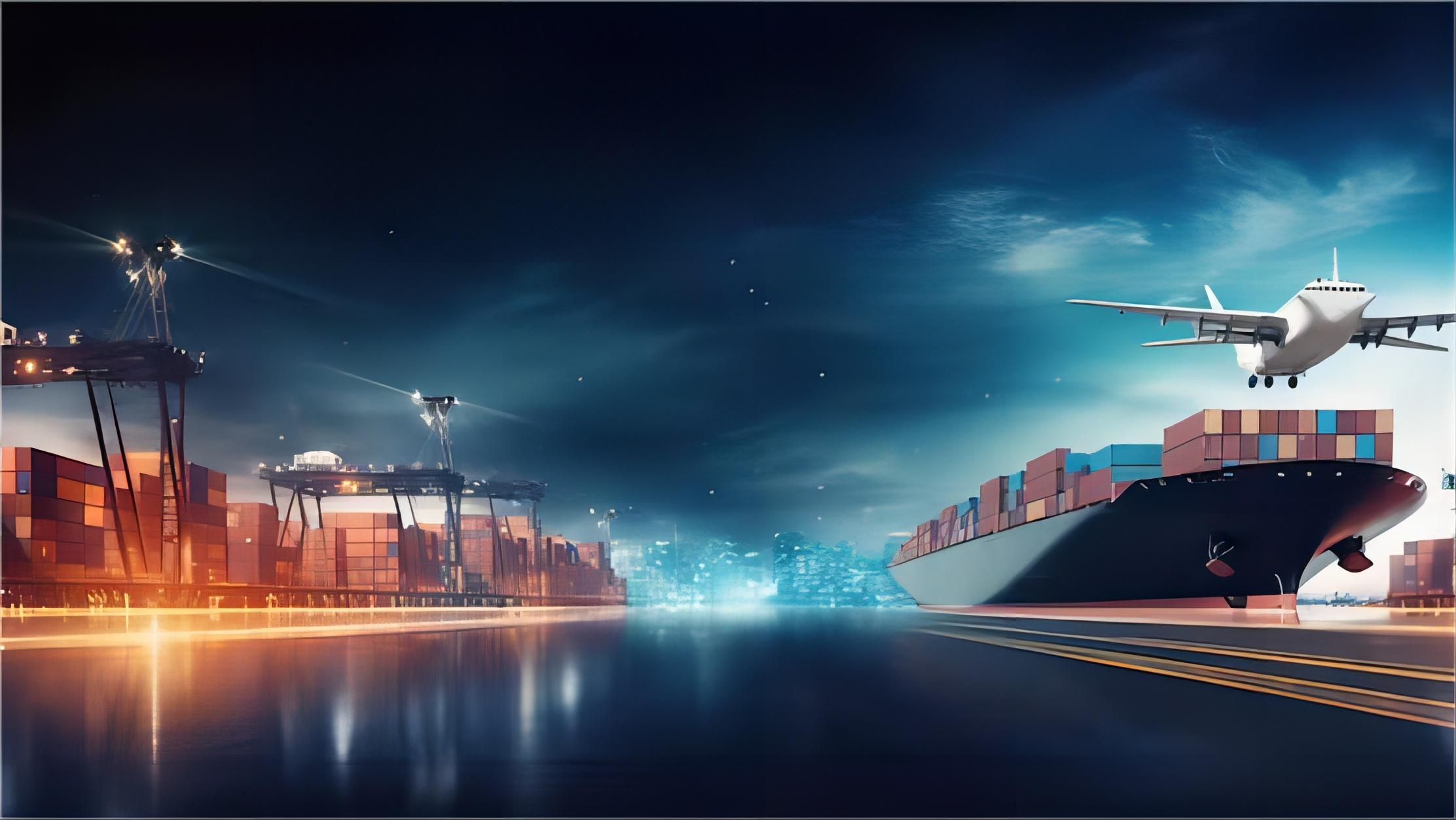
Why Partner with a China to France Logistics Company?
Establishing a robust connection with a specialized provider is essential for navigating the evolving trade landscape between Asia and Europe. Moreover, a dedicated partner understands the specific regulatory requirements of the French customs authority, known as Douane.
Importers often face challenges such as fluctuating freight rates and complex documentation requirements. Consequently, working with experts who specialize in shipping from China to Europe provides a significant competitive advantage in the modern market.
Efficiency in the supply chain directly impacts your profit margins and customer satisfaction levels. Therefore, choosing a logistics company that offers end-to-end visibility is no longer optional but a necessity for business growth.
France remains a key gateway for European trade, making it a strategic destination for various Chinese exports. Indeed, the right logistics strategy allows you to leverage French ports and airports as efficient distribution hubs for the entire continent.
What are the Main Shipping Methods to France in 2026?
Selecting the appropriate transport mode depends on your budget, cargo volume, and urgency. For instance, sea freight remains the most economical choice for large-scale shipments and bulk commodities.
Alternatively, air freight offers the fastest transit times for high-value electronics or urgent seasonal inventory. As of Q1 2026, air cargo capacity has stabilized, providing more predictable scheduling for French importers.
Furthermore, rail freight has emerged as a middle-ground solution, offering a balance between cost and speed. The Iron Silk Road connects major Chinese industrial hubs directly to French rail terminals like Lyon or Paris.
Each method has distinct advantages that cater to different business needs. To summarize, your choice should align with your specific inventory turnover requirements and total landed cost calculations.
How Does Sea Freight Compare to Other Shipping Options?
Ocean transport is the backbone of international trade due to its massive capacity and low environmental impact per ton. However, the longer transit times require careful inventory planning to avoid stockouts during peak seasons.
Importers can choose between Full Container Load (FCL) and Less than Container Load (LCL) based on their volume. While FCL provides better security and faster handling, LCL allows smaller businesses to share container space and reduce costs.
Market data suggests that ocean freight rates in 2026 have found a new equilibrium following previous global disruptions. Nevertheless, seasonal spikes during the Golden Week or before the Christmas period still occur regularly.
| Shipping Method | Cost Range (2026) | Transit Time | Best For |
|---|---|---|---|
| Sea Freight (FCL) | $2,200 – $3,900 | 30-45 Days | Large volumes, heavy goods |
| Air Freight | $4.50 – $8.50/kg | 3-7 Days | High-value, urgent cargo |
| Rail Freight | $1,200 – $2,100 | 18-24 Days | Medium urgency, eco-friendly |
| Express Service | $8.00 – $15.00/kg | 2-5 Days | Samples, small parcels |

Can You Simplify French Customs and Import Duties?
Navigating the French tax system requires a deep understanding of VAT and the Common External Tariff of the European Union. Accordingly, utilizing professional customs brokerage services can prevent costly delays at the port of entry.
French customs demand precise documentation, including the Commercial Invoice, Packing List, and Bill of Lading. In addition, certain products may require specific certificates of origin or safety compliance documents like the CE mark.
Calculating the total landed cost involves adding the customs duty and the 20 percent standard French VAT to your shipping price. For example, a shipment valued at 10,000 dollars might incur significant additional costs that must be budgeted in advance.
Documentation errors are the leading cause of shipment seizures or fines in France. Without a doubt, having a logistics partner verify your paperwork before the cargo leaves China is the best way to ensure a smooth clearance process.
| Document Type | Required For | Purpose | Issuer |
|---|---|---|---|
| Commercial Invoice | All Shipments | Value verification | Seller/Exporter |
| Packing List | All Shipments | Cargo details | Seller/Exporter |
| Bill of Lading | Ocean Freight | Title of goods | Carrier/Forwarder |
| EORI Number | French Importers | EU ID for trade | French Customs |
Should You Use Door-to-Door Shipping to France?
Modern businesses increasingly prefer comprehensive solutions that handle the entire journey from the factory floor to the final warehouse. Choosing a door to door service eliminates the need for you to coordinate multiple local carriers.
This service typically includes pickup in China, international transit, customs clearance, and last-mile delivery in France. Consequently, it reduces the administrative burden on your team and provides a single point of accountability.
Importers in cities like Marseille, Lyon, and Bordeaux benefit from the extensive local networks of international logistics providers. Meanwhile, the integration of real-time tracking allows you to monitor your shipment at every milestone of its journey.
While the upfront cost might seem higher than port-to-port shipping, the efficiency gains often lead to lower overall expenses. For instance, you avoid the risk of unexpected storage fees or local handling surcharges that often arise in fragmented logistics chains.
Do You Need Specialized Shipping for Amazon FBA France?
Selling on Amazon France requires strict adherence to specific labeling and packaging standards set by the fulfillment centers. Therefore, using a specialized Amazon FBA shipping service is critical for avoiding rejected shipments.
Logistics providers familiar with FBA requirements will ensure your pallets are built to the correct dimensions and your boxes have the necessary barcodes. Furthermore, they can manage the appointment scheduling required for delivery to Amazon warehouses like those in Saran or Lauwin-Planque.
Inventory management becomes much simpler when your logistics partner can provide prep services in China before the goods are shipped. In contrast, trying to fix labeling issues once the goods arrive in France is extremely expensive and time-consuming.
Success in the e-commerce space depends on maintaining high stock levels without overpaying for storage. Accordingly, a reliable logistics flow ensures your Amazon listings remain active and your seller rating stays high.
What Are the Realistic Costs and Timelines for 2026?
Freight rates in 2026 are influenced by fuel prices, global trade policies, and carrier capacity management. Based on current market rates, a 40HQ container from Shenzhen to Le Havre typically costs between 3,000 and 4,500 dollars depending on the season.
Transit times for ocean freight generally range from 30 to 40 days, while rail freight takes approximately 20 days. On the other hand, air freight can deliver your goods to Paris Charles de Gaulle airport in as little as 3 to 5 days.
Note: Freight rates are subject to change based on fuel costs, carrier capacity, and seasonal demand. Contact us for a current quote tailored to your specific shipment.
Planning your shipments at least 4-6 weeks in advance allows you to secure better rates and guaranteed space on vessels. Indeed, last-minute bookings often incur significant premiums and risk being rolled to the next available sailing.
| Container Type | Capacity (CBM) | Avg. Rate 2026 | Best For |
|---|---|---|---|
| 20GP Container | 33 CBM | $1,800 – $2,600 | Heavy compact cargo |
| 40GP Container | 67 CBM | $2,900 – $3,800 | Standard bulk cargo |
| 40HQ Container | 76 CBM | $3,200 – $4,200 | Light voluminous cargo |
| LCL (Per CBM) | 1-15 CBM | $60 – $95 | Small shipments |
Real Case Studies: China to France Logistics Success
Case Study 1: Electronics Distribution from Shenzhen. Route: Shenzhen to Le Havre. Cargo: Consumer electronics, 15 CBM. Method: Sea Freight LCL. Total Landed Cost: $4,800. Transit Time: 36 days. Key Insight: By using LCL instead of air freight, the client saved 60 percent on shipping costs while maintaining adequate inventory levels.
Case Study 2: Fast Fashion Inventory for Paris. Route: Shanghai to Paris CDG. Cargo: Apparel, 800 kg. Method: Air Freight. Total Landed Cost: $6,200. Transit Time: 5 days. Key Insight: Rapid delivery allowed the retailer to capitalize on a viral fashion trend, offsetting the higher transport costs through increased sales volume.
Case Study 3: Industrial Components for Lyon. Route: Chengdu to Lyon. Cargo: Machinery parts, 22 tons. Method: Rail Freight FCL. Total Landed Cost: $2,850. Transit Time: 21 days. Key Insight: Rail freight provided the perfect balance for this manufacturer, arriving 15 days faster than sea freight at a fraction of the air freight cost.

Which Shipping Option Should You Choose?
Deciding on the best method requires evaluating your specific business priorities and the nature of your products. If budget is your primary concern and your lead times are flexible, sea freight is the undisputed winner for most importers.
Speed priority dictates the use of air freight, especially for perishable goods or high-value items where the cost of capital is high. Additionally, rail freight serves as an excellent alternative when you need faster delivery than sea but cannot justify the expense of air transport.
Volume thresholds also play a role; shipments over 15 CBM usually become more cost-effective as a full 20GP container. For smaller parcels and samples, express services provide the most convenient door-to-door experience without the complexity of traditional freight forwarding.
Consider a hybrid strategy to optimize your supply chain. For example, ship 20 percent of your stock via air to meet immediate demand and the remaining 80 percent via sea to minimize your average landed cost.
Mastering Your China to France Logistics Strategy
Successfully managing a China to France logistics company import shipping operation requires a blend of strategic planning and expert execution. By understanding the various transport modes, customs requirements, and cost drivers, you can build a more resilient and profitable supply chain.
Whether you choose the speed of air, the economy of sea, or the balance of rail, your choice of partner remains the most critical factor. Start optimizing your logistics today to ensure your business thrives in the competitive French market throughout 2026 and beyond.
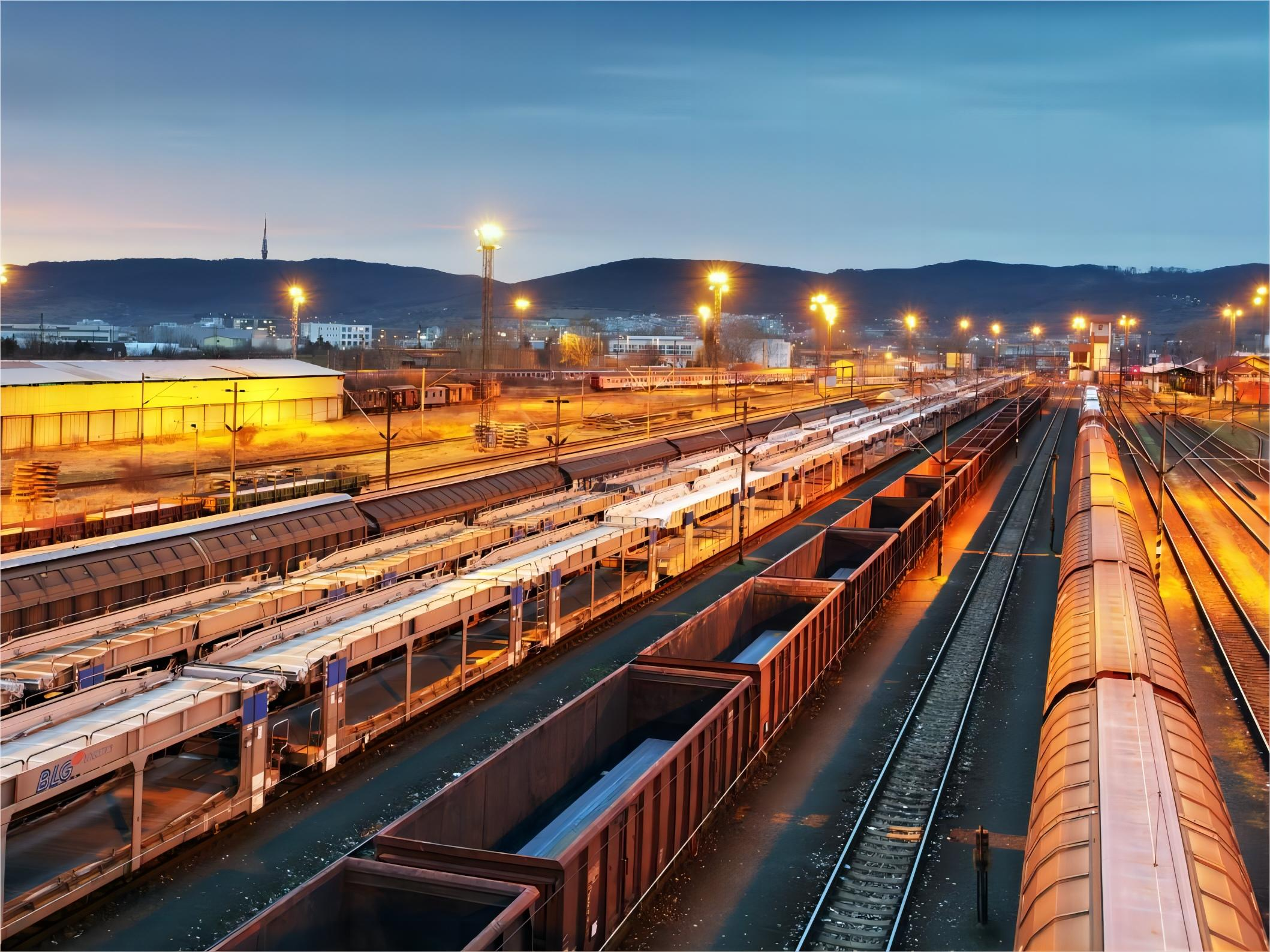
Need a tailored shipping solution?
Streamline your international trade today with a partner you can trust. Our team provides expert China to France logistics company import shipping solutions tailored to your unique business needs. Visit our inquiry page to request a personalized quote and secure the best 2026 rates for your next shipment. Send Inquiry: Visit https://topchinacargo.com/contact-us/