


China to France Consolidated Sea Freight LCL Shipping: 2026 Logistics Guide
Shipping goods across continents requires a balance of speed, cost, and reliability that many businesses find challenging to manage. If you are importing smaller volumes that do not fill a whole container, Top China Cargo provides the ideal solution through China to France consolidated sea freight LCL shipping. This method allows multiple shippers to share container space, significantly reducing individual costs while maintaining regular delivery schedules to major French hubs.
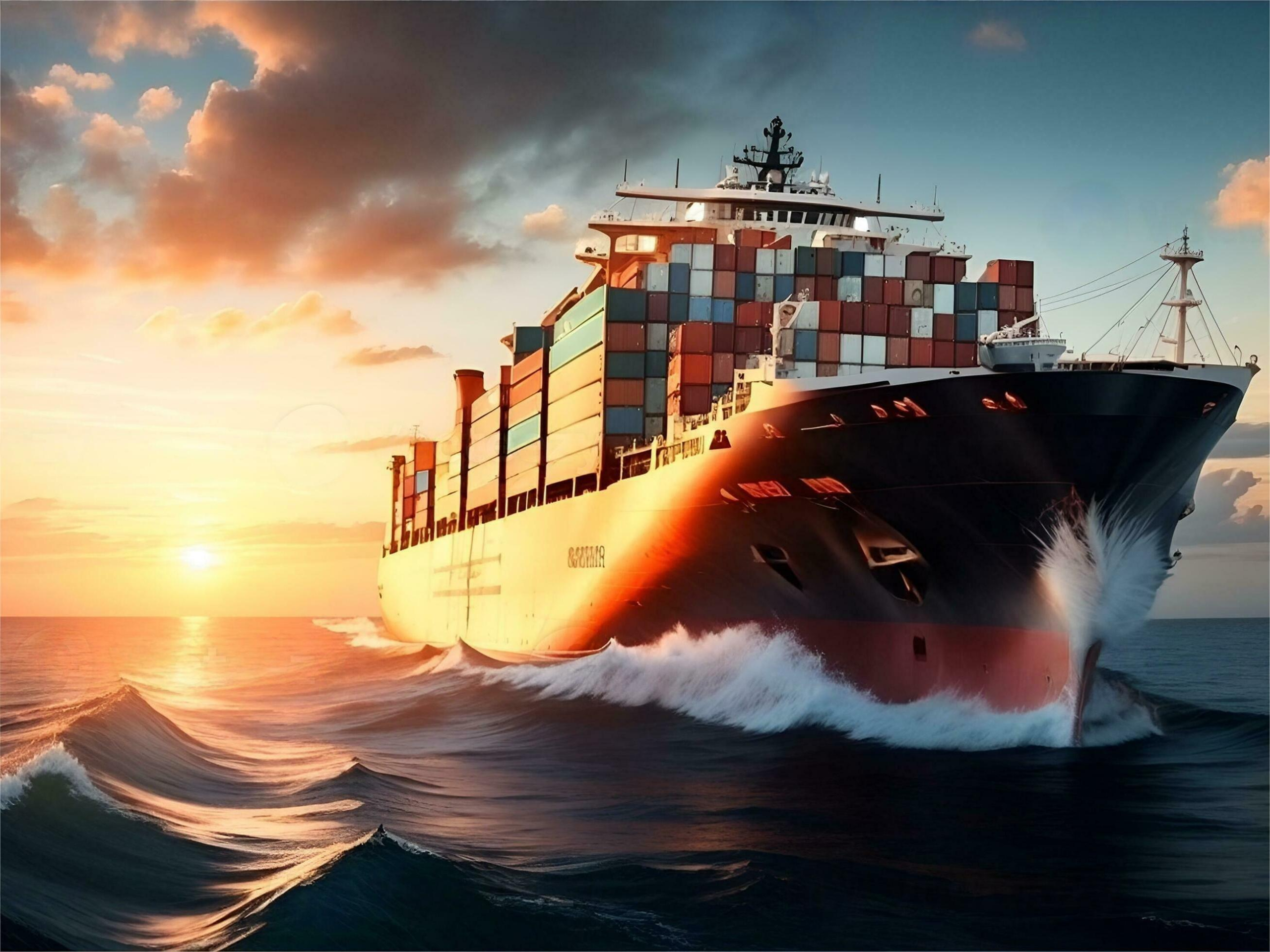
What is China to France Consolidated Sea Freight LCL Shipping?
Consolidated sea freight, commonly known as Less than Container Load (LCL), is a logistics process where various shipments from different suppliers are grouped into a single container. Consequently, this method is perfect for small to medium-sized enterprises that do not have enough cargo to justify a full 20-foot or 40-foot container. By utilizing sea freight consolidation, you only pay for the volume your goods occupy, measured in cubic meters.
Furthermore, this strategy is highly effective for maintaining a steady supply chain without the burden of high inventory costs. Instead of waiting to accumulate enough goods for a Full Container Load (FCL), you can ship smaller batches more frequently. This flexibility ensures that your French market presence remains consistent throughout the year, especially during peak seasons in 2026.
Why Choose LCL for Your French Imports in 2026?
Moreover, the primary advantage of LCL is the significant cost savings it offers for shipments between 1 and 15 cubic meters. Since the ocean freight cost is shared among several importers, your individual overhead decreases substantially compared to air freight. Therefore, businesses can allocate more budget to marketing and product development rather than logistics expenses.
Additionally, the logistics infrastructure in China has become incredibly sophisticated, allowing for rapid consolidation at major ports like Ningbo, Shanghai, and Shenzhen. Meanwhile, French ports like Le Havre and Marseille have upgraded their cargo handling capabilities to process consolidated containers more efficiently. As a result, the reliability of China to France consolidated sea freight LCL shipping has reached new heights in the current market.
How Long Does Transit Take from China to France?
Transit times are a critical factor when planning your inventory cycles and marketing campaigns. Typically, the sea journey from China’s eastern coast to northern French ports like Le Havre takes between 32 and 38 days. On the other hand, shipments destined for southern France via Marseille may arrive slightly faster, often within 28 to 34 days, depending on the carrier’s route.
However, you must also account for the time required for consolidation at the origin and deconsolidation at the destination. Moreover, working with an experienced customs brokerage is essential to avoid delays during the clearance process at French borders. Indeed, documentation errors are the most common cause of transit delays in international trade.
To summarize the typical timelines, please refer to the following table based on early 2026 market data:
| Origin Port (China) | Destination Port (France) | Sea Transit Time | Total Door-to-Door |
|---|---|---|---|
| Shanghai | Le Havre | 35 Days | 45-50 Days |
| Shenzhen | Marseille | 30 Days | 40-45 Days |
| Ningbo | Le Havre | 34 Days | 44-49 Days |
| Qingdao | Fos-sur-Mer | 38 Days | 48-55 Days |

Understanding the Costs of China to France Consolidated Sea Freight LCL Shipping
Calculating the total landed cost of your shipment involves more than just the ocean freight rate. Specifically, you must consider origin charges, destination handling fees, and local delivery costs. Many importers choose a door to door service to simplify these complexities and ensure price transparency from the outset.
In 2026, freight rates have stabilized, but fuel surcharges and seasonal demand still influence the final price. For instance, shipping during the Golden Week or the lead-up to Christmas often results in a 15-20% rate hike. Consequently, booking your space at least 3-4 weeks in advance is highly recommended to secure the best possible rates.
Note: Freight rates are subject to change based on fuel costs, carrier capacity, and seasonal demand. Contact us for a current quote tailored to your specific shipment.
How Does China to France Consolidated Sea Freight LCL Shipping Compare to Other Shipping Options?
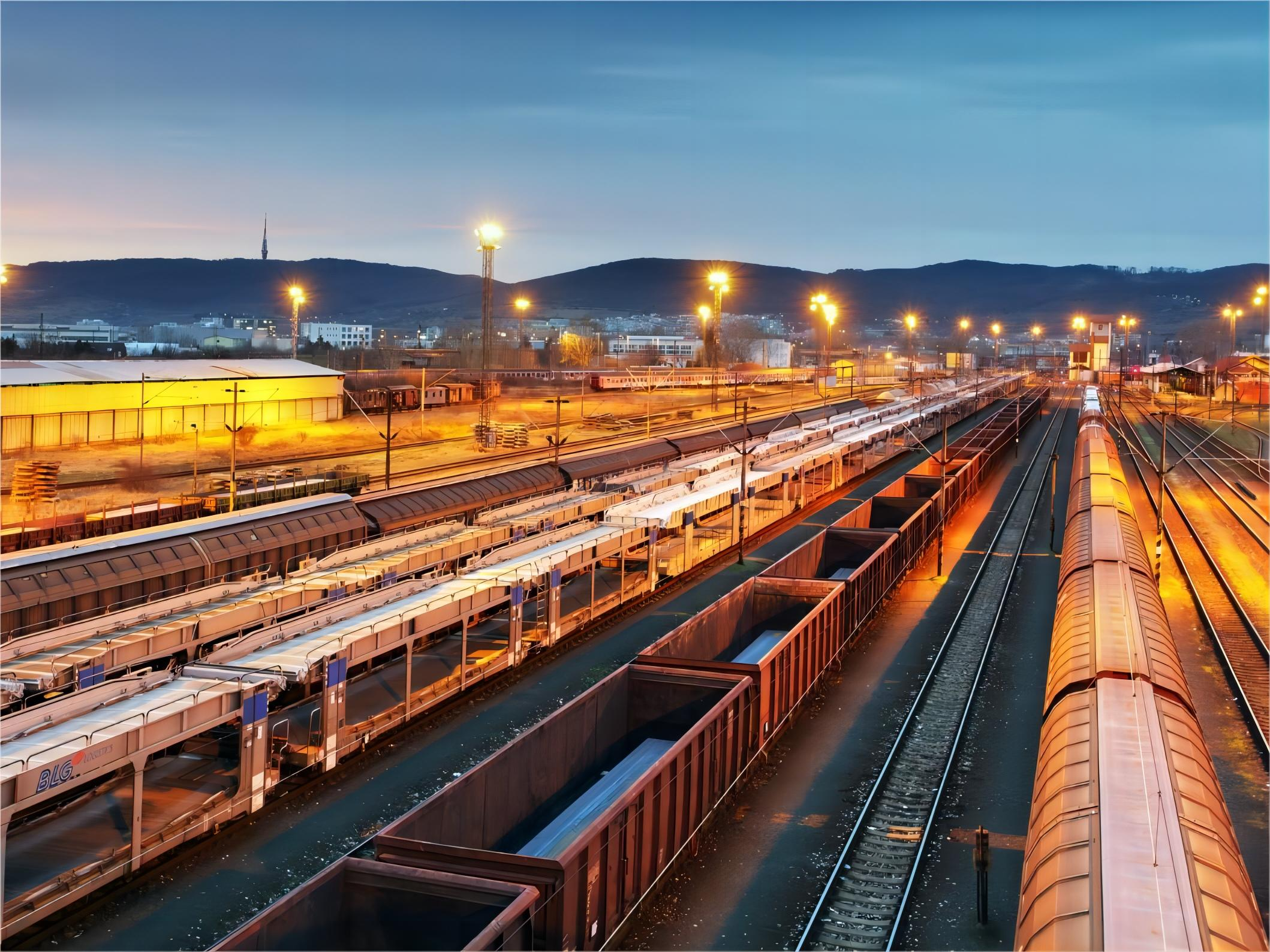
When deciding on a logistics strategy, it is vital to compare all available modes of transport. While LCL is cost-effective, rail freight offers a middle ground between sea and air in terms of both speed and price. Nevertheless, for the majority of consumer goods, sea freight remains the most economical choice for the China-France route.
For example, air freight might cost $5 per kilogram, whereas sea LCL could be as low as $0.15 per kilogram when converted. Therefore, unless your goods are high-value or extremely time-sensitive, consolidated sea freight is usually the superior option. In contrast, if you are shipping more than 15 CBM, switching to a full 20GP container might actually save you money on local handling fees.
| Shipping Method | Cost Range (Est.) | Transit Time | Best For |
|---|---|---|---|
| Sea LCL | $80-$160 per CBM | 35-45 Days | Small business / Low budget |
| Sea FCL (20GP) | $1,800-$2,600 | 30-38 Days | Large inventory / Bulk |
| Rail Freight | $180-$280 per CBM | 18-22 Days | Mid-range urgency |
| Air Freight | $4.50-$7.50 per kg | 5-8 Days | Urgent / High value |
Which Option Should You Choose?
Choosing the right method depends largely on your specific business priorities and the nature of your cargo. If your priority is budget and you are shipping non-perishable items like textiles or electronics accessories, LCL is the clear winner. However, if you are fulfilling orders for an Amazon FBA warehouse in France, you must ensure your timeline allows for potential sea freight delays.
Moreover, consider the volume threshold carefully. Without a doubt, the ‘sweet spot’ for LCL is between 2 and 12 cubic meters. Once you exceed 13 or 14 CBM, the destination terminal handling charges for LCL can sometimes exceed the cost of a full 20ft container. Consequently, always ask your freight forwarder to provide a comparison quote for both LCL and FCL when your volume is borderline.
Real-World Case Studies for China to France Shipping
Case Study 1: Electronics from Shenzhen to Paris
+———————————————————+
| Route: Shenzhen, China to Paris, France (via Le Havre) |
| Cargo: Smart Home Devices, 4.5 CBM, 1,200 kg |
| Method: China to France consolidated sea freight LCL |
| |
| Shipping Details: |
| – Carrier: COSCO Shipping |
| – Port of Loading: Shenzhen (Yantian) |
| – Port of Discharge: Le Havre |
| |
| Cost Breakdown (Q1 2026): |
| – Ocean Freight: $495 |
| – Origin Charges: $180 |
| – Destination Charges: $320 |
| – Total Landed Cost: $995 |
| |
| Timeline: |
| – Total Door-to-Door: 44 Days |
| |
| Key Insight: Consolidating at Yantian allowed the |
| shipper to avoid expensive air freight costs. |
+———————————————————+
Case Study 2: Boutique Furniture from Ningbo to Marseille
+———————————————————+
| Route: Ningbo, China to Marseille, France |
| Cargo: Designer Chairs, 8 CBM, 950 kg |
| Method: LCL Sea Freight |
| |
| Shipping Details: |
| – Carrier: CMA CGM |
| – Port of Loading: Ningbo-Zhoushan |
| – Port of Discharge: Marseille (Fos) |
| |
| Cost Breakdown (Early 2026): |
| – Ocean Freight: $720 |
| – Origin/Docs: $210 |
| – Destination/Delivery: $450 |
| – Total Landed Cost: $1,380 |
| |
| Timeline: |
| – Total Door-to-Door: 41 Days |
| |
| Key Insight: Direct sailing to Marseille saved 5 days |
| compared to transshipping via Northern Europe. |
+———————————————————+
Customs Documentation and Compliance in 2026
Navigating French customs requires precision and a thorough understanding of EU regulations. Since 2025, the ICS2 (Import Control System 2) requirements have become stricter, demanding detailed electronic data before the cargo even leaves China. Therefore, you must provide accurate HS codes, commercial invoices, and packing lists to your forwarder well in advance.
Furthermore, ensure that your goods comply with CE marking requirements if you are importing electronics or toys. Failure to provide the correct conformity certificates can result in your cargo being seized or returned at your expense. Meanwhile, having a valid EORI number is a prerequisite for any business importing goods into France.
Final Thoughts on China to France Consolidated Sea Freight LCL Shipping
To summarize, China to France consolidated sea freight LCL shipping remains the most balanced option for businesses looking to manage costs while maintaining a steady flow of goods. By understanding the transit times, cost structures, and documentation requirements, you can navigate the complexities of international trade with confidence. Whether you are a small startup or an established importer, leveraging consolidation services will undoubtedly improve your bottom line in 2026.

Need a tailored shipping solution?
Are you ready to optimize your supply chain with reliable China to France consolidated sea freight LCL shipping? Contact Top China Cargo today for a personalized quote and expert guidance on your 2026 shipping strategy. Visit our website to Send Inquiry and start saving on your logistics costs now.