
China to Europe Shipping International Poland: The 2025 Logistics Guide
Navigating the complexities of china to europe shipping international poland requires a strategic approach to modern logistics. Businesses must balance speed and budget while ensuring full compliance with European Union trade regulations. By partnering with Top China Cargo, importers can effectively streamline their operations and reduce unnecessary delays in the global supply chain. This guide provides the essential insights needed to optimize your cargo movement from Chinese manufacturing hubs to Polish distribution centers.
What Are the Primary Methods for China to Europe Shipping International Poland?
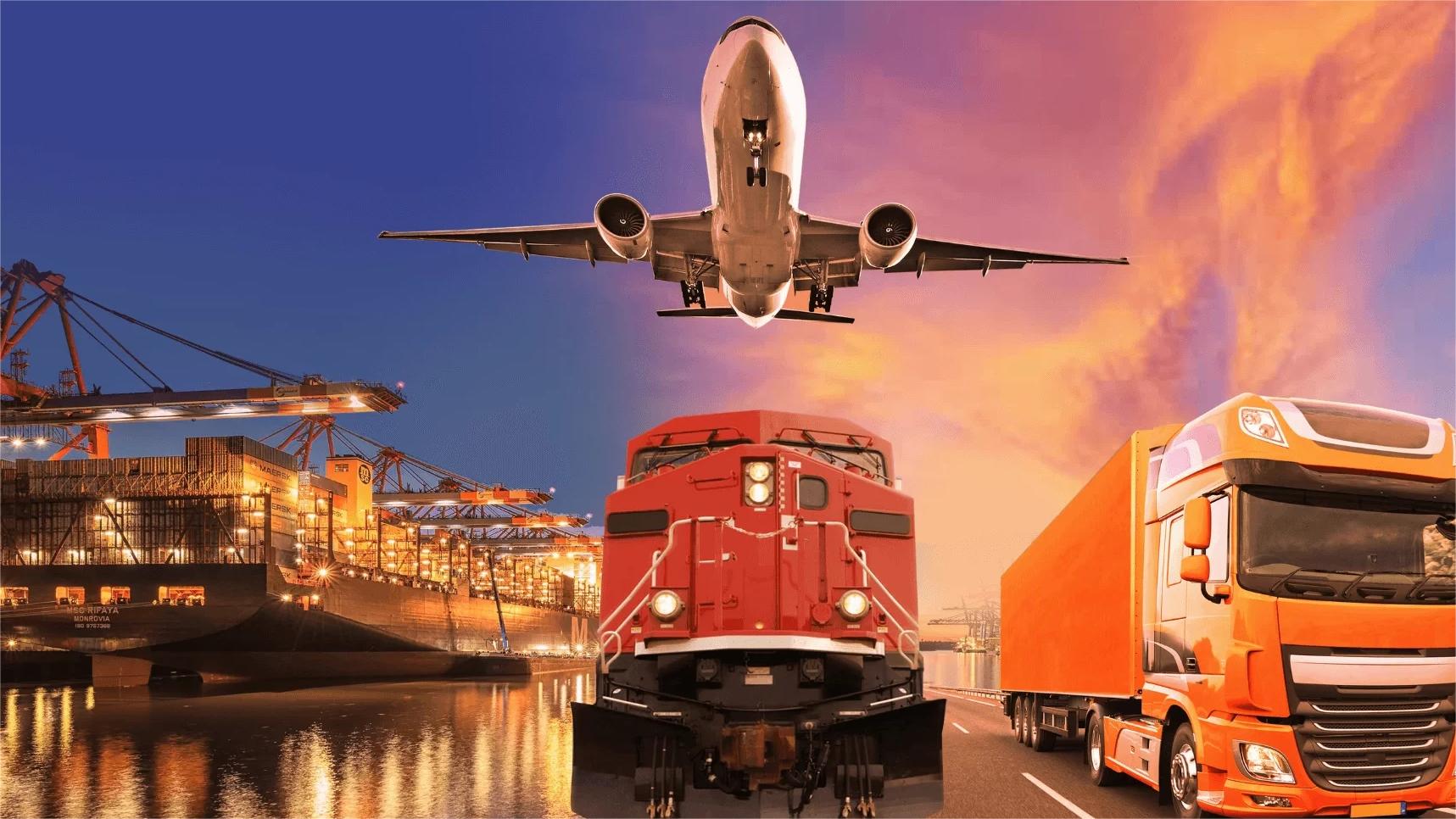
Selecting the right transportation mode is the most critical decision for any importer. Currently, three main routes dominate the landscape: sea freight, rail freight, and air freight. Each method offers distinct advantages regarding shipping costs and transit times.
Furthermore, the choice often depends on the volume of goods and the urgency of the delivery schedule. For instance, large-scale industrial equipment usually travels via ocean, while high-value electronics might favor the speed of rail or air. Consequently, understanding these trade-offs is vital for maintaining a competitive edge in the Polish market.
Additionally, the geographical position of Poland makes it a unique gateway for European distribution. Indeed, the country serves as a primary entry point for the New Silk Road rail network. Therefore, businesses often find that Poland offers more flexible logistics options than other Western European nations.
How Does Rail Freight Compare to Other Shipping Options?
Rail transport has emerged as a middle-ground solution that bridges the gap between slow ocean routes and expensive air travel. Specifically, rail freight offers a reliable delivery schedule that is less affected by weather than sea transport. Moreover, it is significantly faster than shipping by sea, often reaching Polish terminals like Malaszewicze in less than 20 days.
However, rail capacity can become constrained during peak seasons such as the lead-up to the Golden Week or Christmas. Nevertheless, it remains a favorite for companies looking for a balance of cost-efficiency and speed. In addition, rail is considered a more environmentally friendly alternative to air cargo.
To summarize the differences, consider the following comparison of the primary shipping modes currently available for the China to Poland route.
| Shipping Method | Cost Range | Transit Time | Best For |
|---|---|---|---|
| Sea Freight | $2,000 – $4,200 | 30 – 45 Days | Large Bulk / Low Cost |
| Rail Freight | $4,500 – $7,000 | 15 – 22 Days | Medium Volume / Speed |
| Air Freight | $5.00 – $9.00/kg | 3 – 7 Days | High Value / Urgent |
| Express | $8.00 – $15.00/kg | 2 – 5 Days | Samples / Documents |
Why Is Sea Freight Still the Backbone of International Trade?
Despite the rise of rail, sea freight remains the most economical choice for massive shipments. Most goods arriving in Poland via sea are discharged at major ports like Gdansk or Gdynia, or transshipped through Hamburg. Indeed, the cost per unit is unbeatable when moving full container loads (FCL) over long distances.
On the other hand, less than container load (LCL) shipping allows smaller businesses to share space and costs. This flexibility ensures that even small enterprises can participate in international trade without a massive capital investment. Accordingly, ocean transport continues to facilitate the majority of global import and export activities.
Note: Freight rates are subject to change based on fuel costs, carrier capacity, and seasonal demand. Contact us for a current quote tailored to your specific shipment.
When Should You Prioritize Air Freight for Poland?
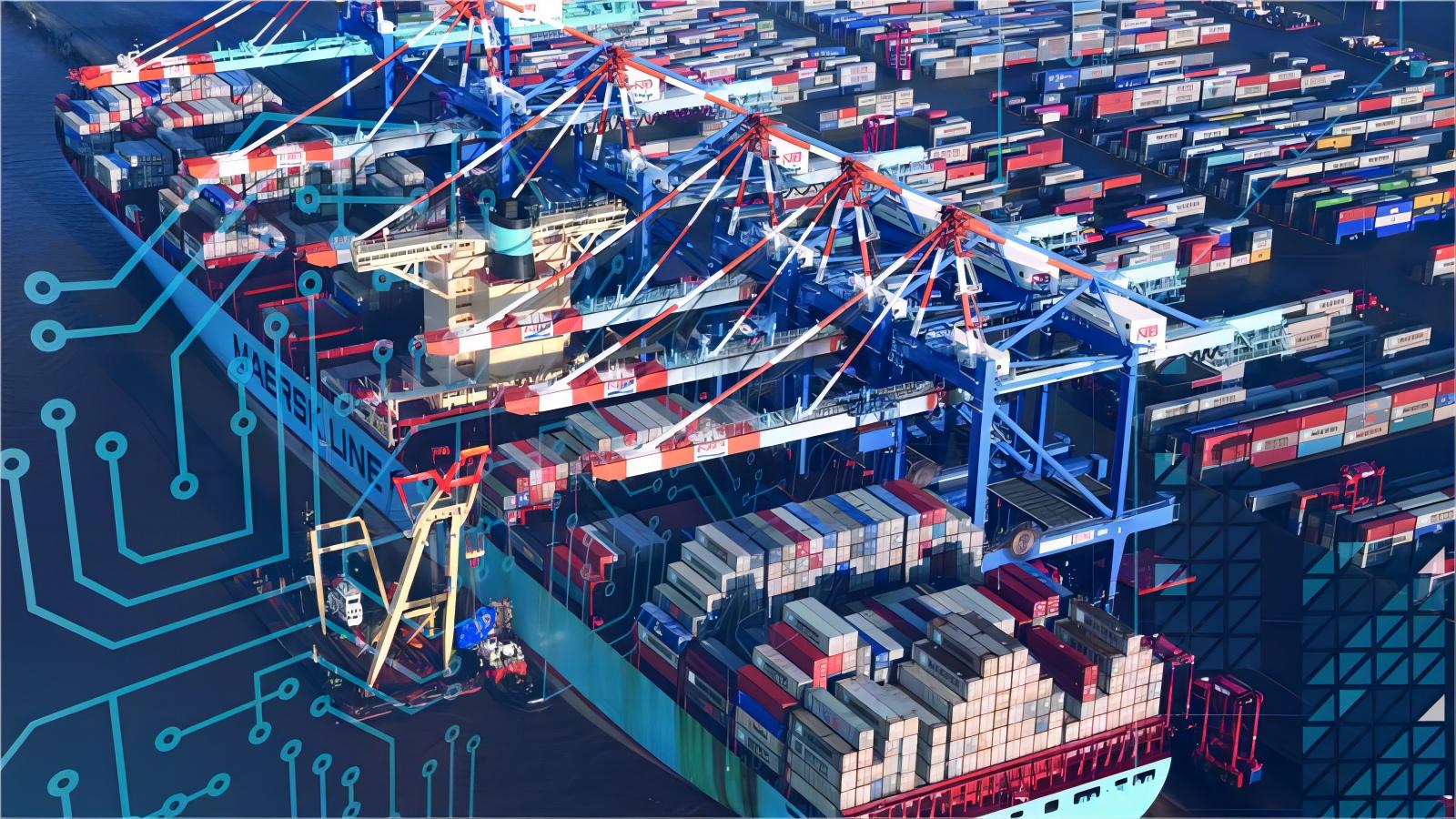
When time is the most critical factor, air freight is the only viable solution. This method is ideal for perishable goods, high-fashion items, or urgent replacement parts for manufacturing lines. Consequently, the higher shipping costs are often justified by the prevention of production downtime.
Furthermore, air transport provides the highest level of security for sensitive cargo handling. While the environmental footprint is larger, the efficiency of reaching Warsaw Chopin Airport directly from major Chinese hubs is unmatched. Therefore, it remains an essential component of many modern supply chains.
In contrast, businesses must be mindful of strict weight and volume restrictions associated with air cargo. For instance, bulky but light items may incur high volumetric weight charges. Without a doubt, consulting with a professional freight forwarder can help optimize these costs.
How to Navigate Customs Clearance in Poland?
Importing goods into the European Union through Poland involves strict adherence to customs regulations. Specifically, customs brokerage services are vital for navigating VAT, excise duties, and EORI requirements. Failure to provide accurate documentation can lead to expensive storage fees or even cargo seizure.
Additionally, importers must ensure that all products meet EU safety and quality standards, such as CE marking. Meanwhile, the Polish customs authorities are known for their thoroughness in inspecting textile and electronic imports. Consequently, having a complete documentation checklist is a non-negotiable part of the process.
To summarize the requirements, here is a basic checklist for your next shipment.
| Document Name | Purpose | Required By | Format |
|---|---|---|---|
| Commercial Invoice | Value Declaration | Customs | Digital/Original |
| Packing List | Content Detail | Warehouse | Digital/Original |
| Bill of Lading | Title of Goods | Carrier | Original/Telex |
| Certificate of Origin | Duty Calculation | Customs | Original |
Realistic Case Studies for China to Poland Routes
Examining real-world examples helps importers understand the practicalities of china to europe shipping international poland. Below are two scenarios based on typical market conditions from late 2024 and early 2025.
Case Study 1: Rail Freight for Electronics. Origin: Chengdu, China. Destination: Warsaw, Poland. Cargo: 15 CBM of consumer electronics. Method: Rail Freight (LCL). Cost: $3,200. Transit Time: 18 days. Insight: Rail provided the perfect balance for a product launch that missed the sea window but could not afford air rates.
Case Study 2: Sea Freight for Furniture. Origin: Ningbo, China. Destination: Gdansk, Poland. Cargo: 40HQ Container. Method: Sea Freight (FCL). Cost: $3,850. Transit Time: 38 days. Insight: By booking 4 weeks in advance, the importer secured a lower rate before the Q4 peak season surge.
Based on Q3 2024 market rates, these examples illustrate how different priorities dictate the choice of logistics strategy. Indeed, every shipment requires a tailored approach to ensure the best landed cost.
Which Option Should You Choose? Decision Framework
Choosing the best shipping method involves evaluating your specific business priorities. If your primary goal is budget optimization, sea freight is almost always the winner for large volumes. However, if you are dealing with seasonal inventory that must arrive quickly, rail freight is the superior choice.
For urgent shipments where every day counts, air freight is the only option. Additionally, consider door to door services if you want to minimize the complexity of managing multiple logistics providers. This approach simplifies the entire process from the factory floor to the final warehouse in Poland.
Moreover, hybrid solutions such as sea-air can sometimes offer a compromise between cost and speed. For example, shipping by sea to Dubai and then by air to Warsaw can save 40% compared to pure air freight. Nevertheless, these routes require expert coordination to avoid transshipment delays.
How Does This Route Compare to Other Shipping Options?
While direct routes to Poland are efficient, some importers consider transshipment through other European hubs. For instance, shipping to Hamburg and trucking to Poland is a common alternative. However, this often adds 2-3 days to the delivery schedule and may increase handling costs.
In contrast, the direct rail connection from China to Malaszewicze avoids many of the port congestion issues seen in Western Europe. Therefore, Poland has become a preferred entry point for many businesses targeting the entire Central and Eastern European region. Consequently, the local infrastructure has seen significant investment to handle increasing cargo volumes.
The following table provides an objective analysis of viable alternatives for the route.
| Method | Cost Range | Transit Time | Limitations |
|---|---|---|---|
| Direct Rail | Moderate | 15-22 Days | Border Congestion |
| Sea via Gdansk | Low | 35-45 Days | Slowest Option |
| Sea via Hamburg | Low/Mid | 32-40 Days | Extra Trucking |
| Direct Air | High | 3-7 Days | Cost Prohibitive |
Final Thoughts on Shipping from China to Poland
In conclusion, mastering china to europe shipping international poland involves understanding the nuances of different freight modes and customs requirements. While sea freight remains the most cost-effective for large volumes, rail freight offers a compelling alternative for those needing faster transit times. Furthermore, the rise of door-to-door services has made it easier than ever for businesses to manage their international supply chains.
By staying informed about market trends and maintaining a flexible logistics strategy, you can successfully navigate the challenges of international trade. Remember to always verify current freight rates and documentation requirements with a trusted partner like Top China Cargo to ensure your goods arrive safely and on time.
Ready to streamline your logistics?
Optimizing your china to europe shipping international poland strategy is essential for business growth in 2025. Whether you need the speed of rail or the economy of sea freight, our team is ready to provide a tailored quote that fits your budget. Visit our inquiry page to get started with a professional logistics assessment today. Send Inquiry: https://topchinacargo.com/contact-us/
Request Quote