

China to Brazil Logistics Company Freight Quote: 2026 Guide
Navigating the complex trade route between East Asia and South America requires a strategic approach to procurement and shipping. Specifically, obtaining a reliable china to Brazil logistics company freight quote is the fundamental first step for any business looking to expand into the Brazilian market in 2026. This comprehensive guide will analyze the current freight landscape, cost drivers, and the most efficient methods for transporting goods across this massive distance while ensuring full compliance with Brazilian import regulations.
How to Secure an Accurate China to Brazil Logistics Company Freight Quote
Obtaining a precise estimate for your international shipping needs involves providing detailed information about your cargo. Specifically, you must include the total weight, volume in cubic meters, and the specific nature of the goods being transported. Consequently, the more information you provide to your logistics partner, the more accurate your final pricing will be.
Market conditions in 2026 have introduced new variables such as updated fuel surcharges and environmental compliance fees. Furthermore, seasonal fluctuations during the Chinese New Year or the Brazilian holiday season can significantly impact availability and pricing. Therefore, requesting a quote at least three to four weeks in advance is highly recommended for securing the best possible rates.
Importers should also specify their preferred Incoterms, such as FOB or CIF, as these determine which party handles the various stages of transport. Notably, choosing the right Incoterm can save thousands of dollars in hidden costs and administrative headaches. Ultimately, transparency between the shipper and the carrier is the key to a successful logistics operation.

Key Variables Affecting China to Brazil Shipping Costs in 2026
Several factors influence the final price you see on a china to Brazil logistics company freight quote. For instance, the distance between major Chinese ports like Ningbo and the port of Santos is approximately 11,000 nautical miles. Consequently, fuel consumption remains a primary driver of ocean freight pricing throughout the year.
Container availability has stabilized in early 2026, yet specific equipment like refrigerated containers still commands a premium. Additionally, port congestion in major Brazilian hubs can lead to demurrage and detention charges if not managed correctly. Moreover, the exchange rate between the Chinese Yuan, US Dollar, and Brazilian Real plays a secondary but important role in cost calculations.
Insurance premiums also vary based on the value and fragility of the cargo being moved across the ocean. Furthermore, specialized handling for hazardous materials or oversized machinery will naturally increase the total expenditure. Therefore, businesses must account for these variables when budgeting for their annual supply chain needs.
| Shipping Method | Average Cost | Transit Time | Best For |
|---|---|---|---|
| Sea Freight FCL | $4,800 – $6,500 | 35-45 Days | Bulk Shipments |
| Sea Freight LCL | $160 – $280/CBM | 40-50 Days | Small Volumes |
| Air Freight | $6.50 – $11/kg | 5-10 Days | Urgent Cargo |
| Express Service | $13 – $22/kg | 3-5 Days | Samples/Docs |
Analyzing Sea Freight vs Air Freight for South American Routes
Choosing between different transport modes is a critical decision for any global trade operation. Specifically, sea freight remains the backbone of the China-Brazil trade corridor due to its high capacity and lower costs. Most consumer goods, electronics, and industrial machinery travel via large container vessels that call at major South American ports.
In contrast, air freight provides a necessary alternative for time-sensitive shipments or high-value technology components. Although the cost per kilogram is significantly higher, the reduction in transit time can help businesses maintain lower inventory levels. Consequently, many companies use a hybrid approach to balance their budget and speed requirements.
Transit times for ocean shipments typically range from five to seven weeks depending on the specific route and transshipment points. Meanwhile, air shipments can arrive in major Brazilian cities like Sao Paulo or Rio de Janeiro in less than a week. Ultimately, the choice depends on your specific delivery schedule and the profit margins of the products being sold.
How Does Sea Freight Compare to Other Shipping Options?
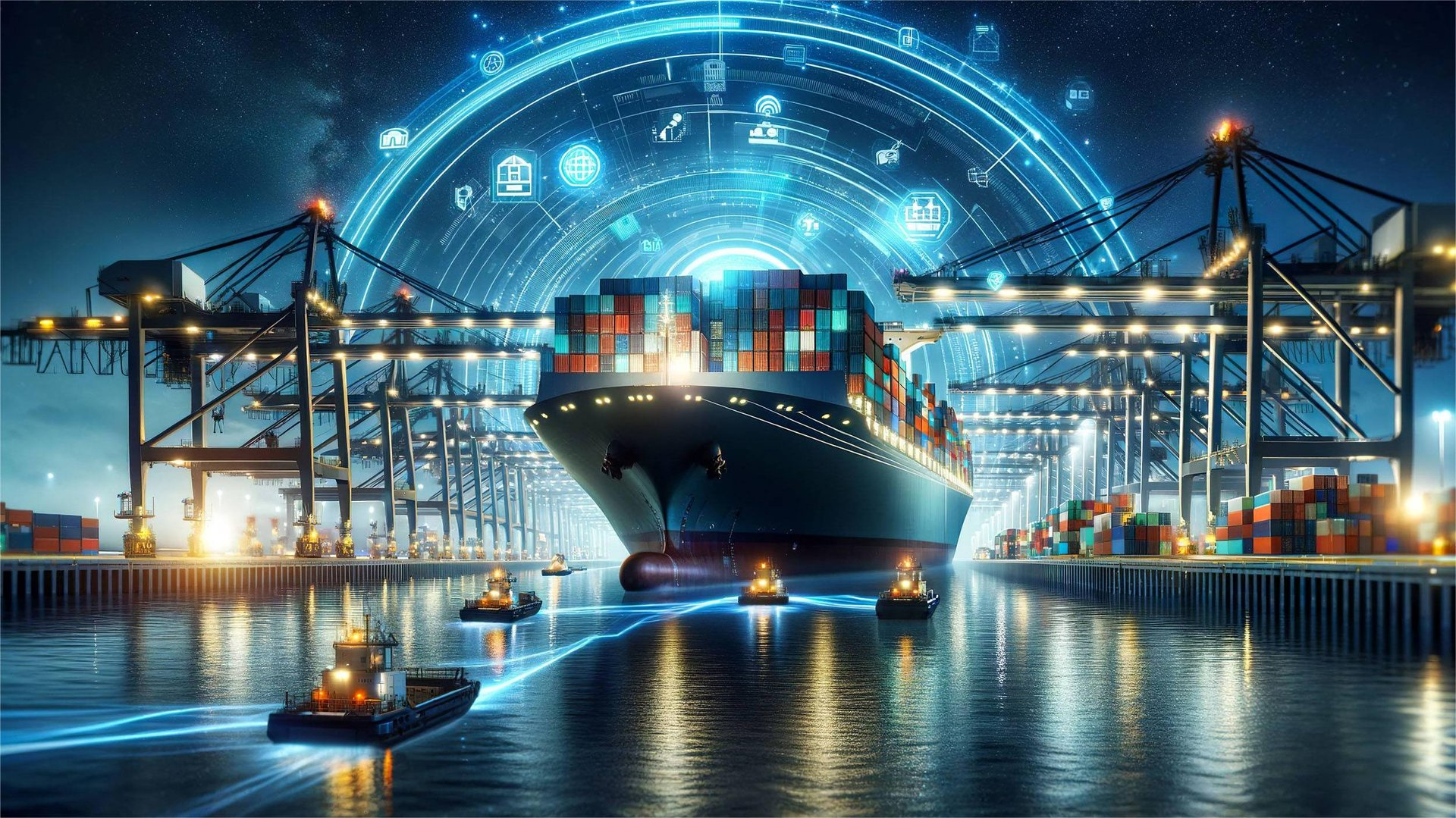
While sea freight is the most common method, it is important to evaluate it against all available alternatives. For example, express courier services provide door-to-door convenience but are often prohibitively expensive for shipments over 100 kilograms. Furthermore, rail freight is not a viable option for this specific route due to the geographic barrier of the Atlantic Ocean.
Sea freight offers two main sub-options: Full Container Load (FCL) and Less than Container Load (LCL). Specifically, FCL is ideal for businesses that can fill a 20-foot or 40-foot container, offering better security and faster handling. On the other hand, LCL allows smaller importers to share container space, making it a flexible choice for growing enterprises.
Direct shipping routes from China to Brazil are faster but often more expensive than routes involving transshipment in hubs like Singapore or Panama. Consequently, importers must decide if saving five to ten days is worth the additional premium on their freight quote. Notably, transshipment routes are currently the most common way to move goods into smaller Brazilian ports.
| Strategy | Cost Level | Speed | Complexity |
|---|---|---|---|
| Direct Sea | High | Moderate | Low |
| Transshipment | Medium | Slow | Medium |
| Standard Air | Very High | Fast | Low |
| Sea-Air Hybrid | Medium | Medium | High |
Navigating the Complexities of Brazil Customs and Import Duties
Brazil is known for having one of the most complex customs environments in the world. Specifically, utilizing professional customs brokerage services is essential for navigating the SISCOMEX system and ensuring all taxes are paid. Failure to comply with local regulations can result in heavy fines or the total seizure of your cargo.
Importers must possess a valid RADAR license before they can legally bring goods into the country from China. Furthermore, the calculation of import duties, known as II, and the industrial products tax, known as IPI, can be complicated for the uninitiated. Consequently, having an expert partner to review your documentation before the ship leaves China is a vital safeguard.
Documentation requirements usually include a commercial invoice, packing list, and the bill of lading. Additionally, certain products may require specific certificates from agencies like ANVISA or INMETRO. Therefore, verifying these requirements during the initial quoting phase will prevent unexpected delays at the port of discharge.
Strategic Decision Framework: Which Shipping Method is Best?
Selecting the right shipping method requires a clear understanding of your business priorities and cargo characteristics. If your primary goal is cost reduction and you have a flexible timeline, sea freight FCL is undoubtedly the superior choice. Conversely, if you are launching a new product and need immediate market presence, air freight is the logical investment.
Many modern businesses are now opting for door to door services to simplify their entire logistics chain. This model allows the logistics provider to handle everything from the factory pickup in China to the final delivery in Brazil. Furthermore, it provides a single point of contact and more predictable pricing for the end user.
Volume thresholds often dictate when it is time to switch from LCL to FCL shipping. Generally, once a shipment exceeds 15 cubic meters, the cost of a full 20-foot container becomes more economical than paying for individual space. Ultimately, your logistics partner can provide a comparative analysis to help you make the most financially sound decision.
Real-World Examples: China to Brazil Logistics Company Freight Quote in Action
Case Study 1: Electronics from Shenzhen to Santos. Route: Shenzhen, China to Santos, Brazil. Cargo: LED Displays, 28 CBM, 4500 kg. Container: 40HQ. Shipping Details: – Carrier: Major Ocean Carrier. – Port of Loading: Shenzhen. – Port of Discharge: Santos. – Route Type: Direct. Cost Breakdown: – Ocean Freight: $5,200. – Origin Charges: $450. – Destination Charges: $650. – Customs and Duties: $1,200. – Total Landed Cost: $7,500. Timeline: – Sea Transit: 38 days. – Customs Clearance: 5 days. – Total Door-to-Door: 48 days. Key Insight: Direct routing saved 7 days compared to transshipment options.
Case Study 2: Machinery Parts from Shanghai to Paranagua. Route: Shanghai, China to Paranagua, Brazil. Cargo: Industrial Components, 4 CBM, 1200 kg. Method: Sea Freight LCL. Shipping Details: – Carrier: Consolidated Service. – Port of Loading: Shanghai. – Port of Discharge: Paranagua. – Route Type: Transshipment via Singapore. Cost Breakdown: – Ocean Freight: $880. – Origin Charges: $200. – Destination Charges: $400. – Customs and Duties: $900. – Total Landed Cost: $2,380. Timeline: – Sea Transit: 46 days. – Customs Clearance: 7 days. – Total Door-to-Door: 58 days. Key Insight: LCL was the most cost-effective for this volume despite the longer transit time.
Case Study 3: Urgent Medical Supplies from Guangzhou to Sao Paulo. Route: Guangzhou, China to Sao Paulo, Brazil. Cargo: Medical Kits, 150 kg, 0.8 CBM. Method: Air Freight. Shipping Details: – Carrier: International Air Cargo. – Airport of Loading: Guangzhou (CAN). – Airport of Discharge: Guarulhos (GRU). – Route Type: Direct. Cost Breakdown: – Air Freight: $1,350. – Origin Charges: $150. – Destination Charges: $250. – Customs and Duties: $400. – Total Landed Cost: $2,150. Timeline: – Air Transit: 2 days. – Customs Clearance: 3 days. – Total Door-to-Door: 7 days. Key Insight: Speed was prioritized over cost to meet an urgent healthcare deadline in 2026.
Essential Documentation for Smooth Brazil Logistics Operations
Managing paperwork is often the most challenging part of the shipping process for new importers. Specifically, every china to Brazil logistics company freight quote should be accompanied by a clear understanding of the required forms. Moreover, the Bill of Lading must be original and match the commercial invoice exactly to avoid rejection by Brazilian authorities.
The Mercosul Common Nomenclature (NCM) code is a critical element that determines the tax rate for your products. Consequently, misclassifying your goods can lead to significant overpayment or legal penalties. Furthermore, ensuring that your packing list is detailed and accurate will speed up the physical inspection process at the port.
Importers should also be aware of the ‘Canal Verde’ (Green Channel) and ‘Canal Vermelho’ (Red Channel) systems used by Brazil customs. While the Green Channel allows for immediate release, the Red Channel requires a full document review and physical inspection. Therefore, maintaining a clean compliance record is essential for long-term logistics efficiency.
Final Thoughts on Shipping from China to Brazil
Successfully managing the logistics from China to Brazil requires a combination of planning, market knowledge, and the right partnerships. Specifically, securing a comprehensive china to Brazil logistics company freight quote allows you to budget effectively and choose the best transport method for your specific cargo. As the 2026 trade environment continues to evolve, staying informed about freight trends and customs regulations remains paramount.
Whether you choose the speed of air freight or the economy of sea freight, professional guidance is your best asset. Consequently, working with an experienced freight forwarder ensures that your goods arrive safely and on time. Ultimately, a well-optimized supply chain is a powerful competitive advantage in the growing Brazilian market.

Need a tailored shipping solution?
Contact our team today to receive a personalized china to Brazil logistics company freight quote tailored to your specific business needs. We are ready to help you optimize your 2026 supply chain with expert support. Visit Top China Cargo to start your inquiry.