

China to Brazil Amazon FBA Logistics Service: 2026 Shipping Guide
Expanding your e-commerce reach requires a reliable China to Brazil Amazon FBA logistics service to navigate the complexities of international trade. At Top China Cargo, we specialize in bridging the gap between Chinese manufacturers and South American marketplaces through streamlined supply chain solutions. Many sellers struggle with high taxes and complex customs procedures in Brazil, yet our integrated approach ensures your inventory arrives safely at Amazon fulfillment centers. This comprehensive guide provides the essential data, pricing trends, and strategic insights needed to optimize your logistics operations in 2026.

Understanding the China to Brazil Amazon FBA Logistics Service Landscape
Shipping goods across the globe involves more than just moving boxes from point A to point B. For Amazon sellers, the China to Brazil Amazon FBA logistics service represents a critical link in their global business model. Brazil presents unique challenges, including the ‘Custo Brasil’ or Brazil Cost, which refers to the structural and bureaucratic difficulties of doing business in the country.
Logistics providers must account for long transit times and specific regulatory requirements imposed by Receita Federal. Consequently, choosing a partner with deep local knowledge is the only way to avoid costly delays and shipment seizures. In 2026, the integration of digital tracking and automated documentation has improved transparency, yet the physical movement of goods remains a significant undertaking.
Market intelligence suggests that the demand for Chinese consumer electronics and home goods in Brazil continues to grow. Therefore, establishing a robust shipping pipeline is essential for maintaining competitive stock levels. Our expertise allows us to manage these variables efficiently, providing you with a predictable delivery schedule for your Amazon inventory.
Primary Shipping Methods for Brazil Amazon Sellers
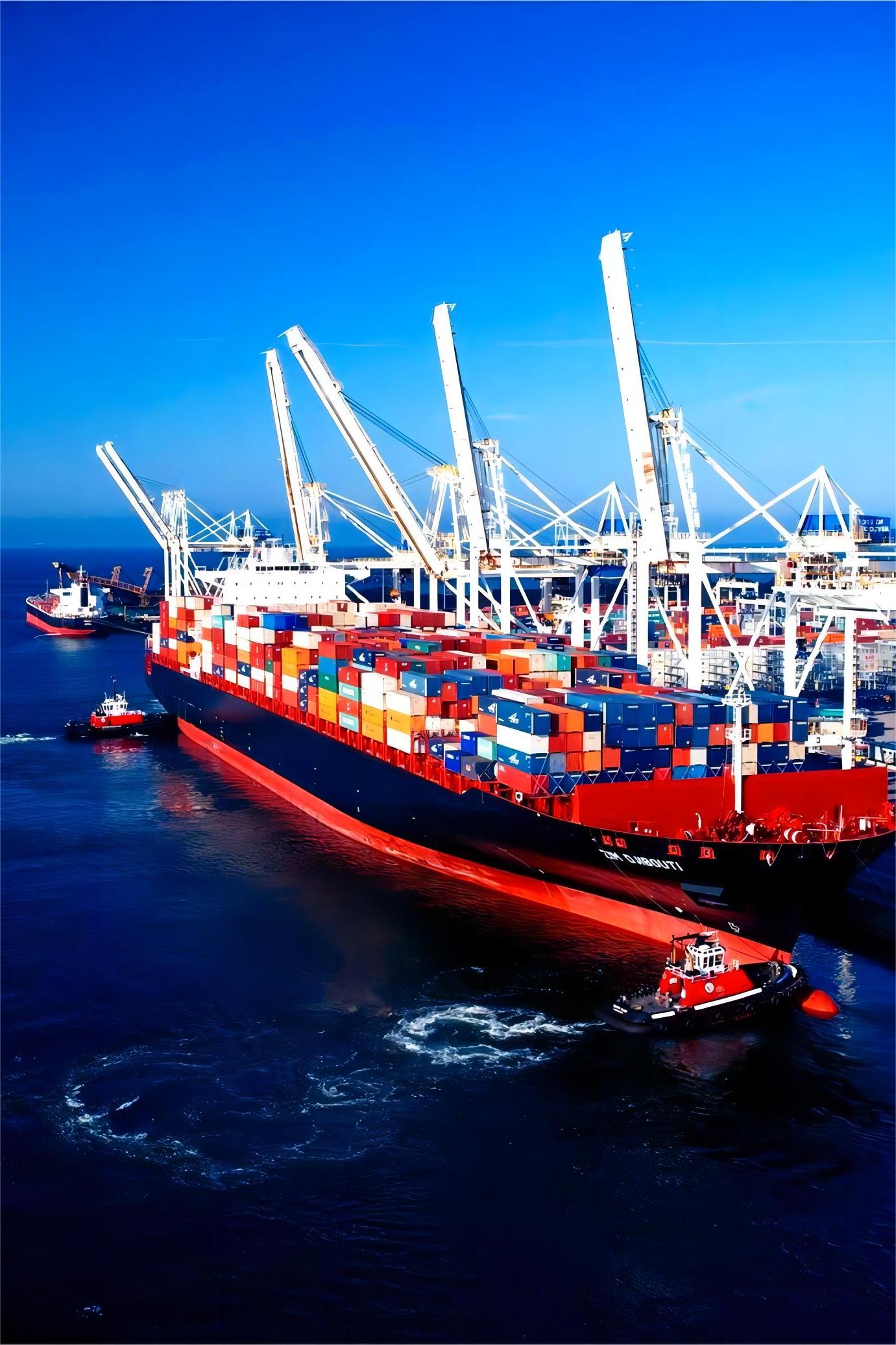
Selecting the right transportation mode depends heavily on your budget and how quickly you need to restock. Most businesses utilize sea freight for the majority of their inventory due to its cost-effectiveness for large volumes. Sea routes typically transit via the Atlantic, connecting major Chinese ports like Ningbo or Shenzhen to Santos or Paranagua.
For urgent shipments or high-value items, air freight offers a much faster alternative. Although the cost per kilogram is significantly higher, the reduced transit time can prevent lost sales during peak seasons. Meanwhile, sellers must weigh the trade-offs between speed and profitability when choosing their primary shipping method.
Express services are also available for smaller parcels or samples. These ‘courier’ options provide door-to-door convenience but are rarely sustainable for bulk Amazon FBA inventory. By diversifying your shipping methods, you can balance the need for speed with the necessity of maintaining healthy profit margins.
| Shipping Method | Transit Time | Cost Level | Best For |
|---|---|---|---|
| Sea Freight (FCL) | 35-45 Days | Low | Bulk Inventory |
| Sea Freight (LCL) | 40-50 Days | Medium | Small Batches |
| Air Freight | 5-10 Days | High | Urgent Restocks |
| Express Courier | 3-6 Days | Very High | Samples/Small Items |
How Does Sea Freight Compare to Other Shipping Options?
Objectively analyzing your choices is vital for long-term success in the Brazilian market. While sea freight remains the backbone of international trade, it is not always the optimal choice for every scenario. For instance, if you are launching a new product with uncertain demand, a smaller air shipment might be safer than committing to a full container.
Comparing sea freight to air freight reveals a massive disparity in price and time. While a 40HQ container might cost $4,500 to $6,500 for a 40-day journey, moving the same volume by air would be financially prohibitive for most consumer goods. Furthermore, sea freight provides more stability against the volatile pricing often seen in the aviation sector.
Hybrid solutions, such as sea-air combinations, are occasionally used to find a middle ground. These involve shipping by sea to a hub like Panama or Dubai and then flying the goods to Brazil. However, for the China-Brazil route, direct sea freight or direct air freight remains the most common and reliable approach.
| Method | Cost Range (Approx) | Limitations | Alternative Strategy |
|---|---|---|---|
| Sea Freight | $50-$150 per CBM | Slow transit | Use LCL for < 15 CBM |
| Air Freight | $6-$12 per KG | Weight limits | Ship high-margin items |
| Express | $15-$25 per KG | Expensive | Only for urgent samples |

Strategic Decision Framework: Which Option Should You Choose?
Determining the best logistics path requires a clear understanding of your business priorities. If your primary goal is budget optimization, sea freight is the undisputed winner. Conversely, if you are facing a stock-out on Amazon, the premium paid for air freight is often justified by the revenue saved.
Cargo type also plays a significant role in this decision. Bulky items like furniture or heavy machinery are nearly impossible to ship via air economically. On the other hand, lightweight electronics or high-fashion apparel can often absorb the higher costs of air transport. Indeed, the physical characteristics of your goods dictate your logistics strategy.
Volume thresholds are another critical factor. For shipments under 100kg, express or air freight is usually more practical. Once you exceed 500kg or 3-5 CBM, the cost-saving benefits of sea freight become much more apparent. We recommend calculating your ‘landed cost’ for both methods before making a final commitment.
Navigating Brazil Customs Brokerage and Import Regulations
The most difficult part of the China to Brazil Amazon FBA logistics service is often the customs clearance process. Brazil is known for its strict ‘Siscomex’ system and high import duties, which can sometimes exceed 60% of the product value. Therefore, utilizing a professional customs brokerage service is not just an option; it is a necessity.
Documentation must be flawless to avoid the ‘Parametrizacao’ (channel) delays. If your paperwork is flagged for the Red Channel, customs officials will physically inspect the goods, leading to weeks of delays and additional storage fees. Moreover, every item must be correctly classified using the NCM (Nomenclatura Comum do Mercosul) codes.
Working with an experienced provider ensures that all taxes, including II, IPI, PIS, and COFINS, are calculated correctly. Additionally, having a local representative in Brazil can help resolve disputes with customs authorities more effectively. Without a doubt, mastering the regulatory environment is the key to a smooth Brazil FBA experience.
The Benefits of Door to Door Solutions for Amazon Sellers
Managing multiple vendors for trucking, shipping, and customs can be an administrative nightmare. A door to door service simplifies this by providing a single point of contact from your factory in China to the Amazon warehouse in Brazil. This end-to-end visibility reduces the risk of communication breakdowns.
Integrated logistics providers handle the pickup, export clearance in China, international transit, and final mile delivery. Consequently, sellers can focus on marketing and sales rather than tracking individual containers. In the competitive world of Amazon FBA, time saved on logistics is time spent growing your brand.
Furthermore, these services often include FBA prep, such as labeling and palletization, to ensure compliance with Amazon’s strict receiving guidelines. Using a specialized Amazon FBA logistics partner ensures that your goods are not rejected upon arrival. This holistic approach is the most efficient way to scale your South American business.
2026 Freight Rates and Market Trends for China to Brazil
As of early 2026, freight rates from China to Brazil have seen moderate fluctuations due to global fuel price shifts and regional port congestion. While rates are higher than the historical lows of the early 2020s, they have stabilized compared to the volatility of 2024. Market data suggests that shipping a 20GP container currently costs between $2,800 and $3,800 depending on the season.
Peak season typically begins in August and lasts through October as retailers prepare for Black Friday and Christmas. During this period, rates can increase by 20% to 30%, and space on vessels becomes extremely tight. Accordingly, we advise our clients to book their shipments at least 4-6 weeks in advance during these months.
Environmental regulations are also impacting logistics trends in 2026. Many carriers are implementing ‘green surcharges’ to comply with new carbon emission standards. While this adds a small cost to each shipment, it reflects a broader industry shift toward sustainable supply chains. Note: Freight rates are subject to change based on fuel costs, carrier capacity, and seasonal demand. Contact us for a current quote tailored to your specific shipment.
| Container Type | Average Rate (USD) | Transit Time | Port of Loading |
|---|---|---|---|
| 20GP | $2,800 – $3,500 | 38 Days | Shanghai |
| 40GP | $4,200 – $5,500 | 40 Days | Shenzhen |
| 40HQ | $4,500 – $6,200 | 42 Days | Ningbo |
Case Study 1: Electronics Shipment to Sao Paulo
A mid-sized electronics seller needed to move 8 CBM of high-end headsets from Shenzhen to an Amazon warehouse near Sao Paulo. They initially considered air freight but found the quotes exceeded their budget for the Q1 period. Instead, they opted for an LCL sea freight solution to minimize costs while maintaining a steady supply.
The shipment was consolidated in Shenzhen and shipped via a major carrier with a transshipment in Singapore. Despite a minor delay at the Port of Santos due to a local strike, the goods cleared customs within 8 days. Ultimately, the seller saved over $4,000 compared to air freight, allowing them to offer more competitive pricing on Amazon Brazil.
Route: Shenzhen, China to Sao Paulo, Brazil. Cargo: Electronics, 8 CBM, 1,200 kg. Method: Sea Freight LCL. Ocean Freight: $950. Customs and Duties: $3,200. Total Landed Cost: $5,150. Total Door-to-Door: 48 days. Key Insight: Early booking and accurate NCM classification prevented major customs penalties.
Case Study 2: Urgent Fashion Restock via Air Freight
During a surprise viral marketing success, a clothing brand faced an immediate stock-out of their top-selling summer dresses. With the peak Brazilian summer season approaching, waiting 45 days for a sea shipment was not an option. They chose a premium air freight service to replenish their Amazon FBA inventory within two weeks.
The logistics provider managed the entire process, including specialized garment-on-hanger packaging to prevent wrinkling. By using an express customs clearance channel, the goods were released within 48 hours of arrival at Guarulhos International Airport. This quick turnaround allowed the brand to capture $50,000 in additional sales that would have otherwise been lost.
Route: Guangzhou, China to Campinas, Brazil. Cargo: Apparel, 2 CBM, 450 kg. Method: Air Freight. Air Freight Cost: $3,800. Customs and Duties: $4,500. Total Landed Cost: $9,200. Total Door-to-Door: 12 days. Key Insight: Air freight is a powerful tool for capitalizing on unexpected market demand.
Final Thoughts on Brazil Amazon Logistics
Navigating the China to Brazil Amazon FBA logistics service requires a blend of strategic planning, regulatory knowledge, and reliable partnerships. While the Brazilian market offers immense growth potential, the complexities of customs and long shipping distances demand a professional approach. By choosing the right shipping method and ensuring documentation accuracy, you can build a resilient and profitable FBA business.
Whether you prioritize the cost savings of sea freight or the speed of air transport, our team is here to support your journey. In 2026, the sellers who succeed in Brazil will be those who treat logistics as a competitive advantage rather than just an expense. We look forward to helping you reach your Brazilian customers more efficiently.
Get Your Shipping Quote Today
Ready to streamline your South American supply chain? Our team at Top China Cargo is standing by to provide a customized China to Brazil Amazon FBA logistics service quote that fits your budget and timeline. Contact us today to start shipping with confidence. Visit: https://topchinacargo.com/contact-us/
Request Quote