

China to Australia Sea Freight Container Shipping: 2026 Guide to Rates and Transit Times
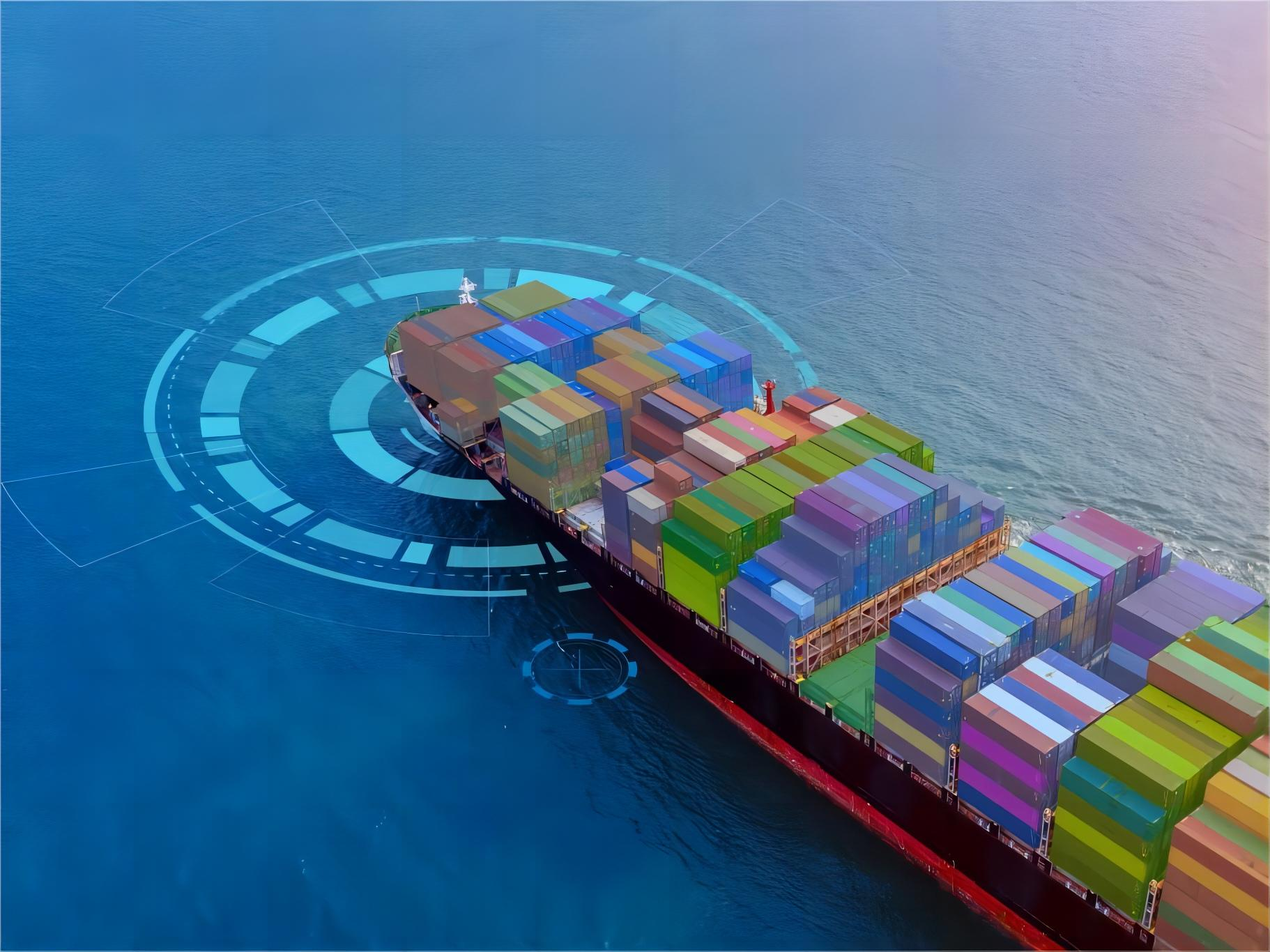
Navigating the complexities of international trade requires a reliable partner for your logistics needs. Shippers often find that Top China Cargo provides the most efficient solutions for moving goods across the ocean. This guide explores everything you need to know about China to Australia sea freight container shipping to help you optimize your supply chain in 2026.
✦
Understanding China to Australia Sea Freight Container Shipping
Many businesses prefer sea freight because it offers the most cost-effective way to transport large volumes of cargo. Consequently, this method remains the backbone of trade between these two major economic partners. Choosing the right container type is essential for balancing cost and safety during the long voyage.
Moreover, the maritime route between China and Australia is one of the busiest in the Southern Hemisphere. Freight forwarders handle thousands of containers weekly, ensuring that consumer goods and industrial materials reach their destinations. Indeed, understanding the nuances of this route can save your business significant time and money.
How China to Australia Sea Freight Container Shipping Compares to Other Shipping Options
Comparing different transport modes is vital for any importer looking to manage their budget effectively. While sea freight is slower than air freight, it provides a much lower cost per unit for heavy or bulky items. Additionally, businesses must consider the urgency of their inventory needs before selecting a method.
Specifically, air freight might take only 5 to 7 days, but the costs are often five to ten times higher than ocean transport. Furthermore, rail freight is not a viable alternative for this specific route due to the geographic separation by the ocean. Therefore, sea freight stands as the primary choice for most bulk shipments.
| Sea Freight (FCL) | $1,200 – $2,000 | 12-18 Days | Large volumes |
| Air Freight | $5.00 – $8.00/kg | 3-7 Days | Urgent goods |
| LCL Sea Freight | $50 – $120/CBM | 15-22 Days | Small shipments |
| Express Courier | $8.00 – $12.00/kg | 2-5 Days | Samples |

FCL vs LCL: Choosing the Right China to Australia Sea Freight Container Shipping Method
Choosing between Full Container Load (FCL) and Less than Container Load (LCL) depends largely on your total cargo volume. If you are shipping enough goods to fill a 20ft or 40ft container, FCL is typically the most secure and efficient choice. On the other hand, LCL allows you to share space with other shippers, which is ideal for smaller loads.
For instance, many Amazon FBA sellers utilize LCL to keep their inventory levels lean and manageable. However, FCL often results in faster transit times because the container does not need to be deconsolidated at the destination port. As a result, high-volume importers almost always opt for dedicated containers to ensure maximum control.
| Volume | Over 15 CBM | Under 15 CBM | Based on size |
| Security | High (Sealed) | Moderate | FCL for fragile |
| Cost | Flat rate | Per CBM | LCL for small |
| Speed | Faster | Slower | FCL for urgency |
Transit Times and Port Destinations for Australia
Understanding the delivery schedule is crucial for maintaining a healthy supply chain and meeting customer expectations. Typically, shipping from China to Australia takes between 12 and 25 days depending on the specific ports involved. For example, direct routes from Shenzhen to Sydney are significantly faster than transshipment routes via Singapore.
Major Australian ports like Melbourne, Brisbane, and Fremantle have different handling capacities and processing times. Consequently, your choice of destination port can influence the total door-to-door timeline. Logistics trends in 2026 suggest that port efficiency in Australia is improving, though seasonal peaks still cause minor delays.
| Shenzhen | Sydney | 12-14 | Direct |
| Shanghai | Melbourne | 15-18 | Direct |
| Ningbo | Brisbane | 14-17 | Direct |
| Qingdao | Fremantle | 20-25 | Transshipment |
Real Case Studies of China to Australia Sea Freight Container Shipping
Case Study 1: Electronics Distribution to Sydney. A tech retailer needed to move a 40HQ container of consumer electronics from Shenzhen to Sydney in early 2026. By utilizing a direct sea service, they achieved a sea transit time of 13 days with a total landed cost of $2,450 including customs. This successful shipment allowed them to stock their shelves just in time for a major seasonal promotion.
Case Study 2: Furniture Import to Melbourne. A small business imported 8 CBM of high-end furniture using LCL shipping from Ningbo. Although the transit time was 21 days due to consolidation, the total cost remained under $1,100. This approach helped the business maintain a high profit margin without the need to pay for a full container they could not fill.

Which Option Should You Choose?
Budget priority dictates that you should almost always choose sea freight for shipments over 200 kilograms. If speed is your main concern, air freight is the only logical choice despite the significantly higher expense. For cargo types that are bulky but not urgent, such as machinery or furniture, ocean containers provide the best value.
Volume thresholds play a major role in the decision-making process for modern logistics managers. Once your shipment exceeds 15 cubic meters, switching from LCL to a 20GP container usually reduces the cost per unit. Without a doubt, consulting with a freight expert can help you identify these tipping points in your specific supply chain.
Customs and Documentation Requirements
Professional customs brokerage services are essential for navigating the strict Australian Border Force regulations. You must provide an accurate Bill of Lading, Commercial Invoice, and Packing List to avoid unnecessary delays. Furthermore, specific items like wood products require fumigation certificates to comply with biosecurity laws.
Documentation errors are the leading cause of port congestion and additional storage fees for many importers. Therefore, ensuring all paperwork is verified before the vessel departs China is a critical step in the process. In addition, knowing the correct HS codes for your products will ensure you pay the proper duties and taxes upon arrival.
Door to Door Logistics Strategies
Implementing a door to door strategy simplifies the entire shipping process for busy business owners. This service covers everything from the initial pickup at the factory in China to the final delivery at your warehouse in Australia. Consequently, you can focus on sales and marketing while the logistics provider manages the complex movement of goods.
Logistics trends in 2026 highlight the growing demand for end-to-end visibility and real-time tracking. Most modern carriers now offer digital platforms where you can monitor your container as it crosses the ocean. Indeed, this transparency builds trust and allows for better planning of local distribution once the cargo clears customs.
Final Thoughts on Australian Shipping
To summarize, China to Australia sea freight container shipping remains the most reliable and cost-effective method for international trade in 2026. By understanding the differences between FCL and LCL and preparing your documentation early, you can avoid common pitfalls. Always stay informed about market rates and transit times to maintain a competitive edge in your industry.
Professional freight forwarding partners offer the expertise needed to navigate changing maritime regulations and port conditions. Whether you are a small business or a large corporation, optimizing your ocean freight strategy is key to long-term success. Start planning your next shipment today to take advantage of the efficient shipping lanes connecting China and Australia.