


Cargo Shipping Rates China to Canada Freight Quote: 2026 Guide
As of early 2026, the logistics landscape between Asia and North America has evolved significantly due to shifting trade patterns and fuel price fluctuations. Finding a reliable cargo shipping rates china to Canada freight quote is essential for maintaining healthy profit margins in today’s competitive market. Top China Cargo provides comprehensive solutions to navigate these complexities with ease and transparency. This guide will explore the various factors influencing costs and help you secure the best possible rates for your imports.

How to Get an Accurate Cargo Shipping Rates China to Canada Freight Quote
Securing a precise quote requires providing detailed information about your shipment to your freight forwarder. Consequently, you should have your cargo dimensions, weight, and the specific incoterms ready before reaching out for pricing.
Moreover, the origin city in China and the final destination in Canada play a massive role in the final price. For instance, shipping from Shenzhen to Vancouver is typically cheaper than shipping from Ningbo to Toronto due to the shorter distance.
Additionally, you must decide between different service levels such as port-to-port or door-to-door delivery. Therefore, specifying these details upfront ensures that your cargo shipping rates china to Canada freight quote remains accurate and free of hidden fees.
Factors Affecting Your Cargo Shipping Rates China to Canada Freight Quote
Fuel surcharges represent one of the most volatile components of modern logistics pricing. Indeed, as oil prices fluctuate in 2026, carriers adjust their bunker adjustment factors almost monthly to compensate for costs.
Furthermore, seasonal demand significantly impacts the availability of space on vessels and planes. For example, the period leading up to the Golden Week in China and the year-end holidays in Canada often sees a 20 to 30 percent spike in rates.
Port congestion also remains a critical factor that can lead to unexpected surcharges. Meanwhile, labor availability at major Canadian ports like Vancouver or Prince Rupert can influence how quickly your goods move through the supply chain.
| Fuel Costs | High | Monthly | Bunker adjustment factors based on oil prices. |
| Seasonality | Medium | Quarterly | Peak season surcharges during Q3 and Q4. |
| Capacity | High | Weekly | Space availability on major carrier vessels. |
| Currency | Low | Daily | Fluctuations between CNY, USD, and CAD. |
Understanding Sea Freight Options for Canadian Importers
Ocean transport remains the most popular method for moving large volumes of goods across the Pacific. If you are shipping bulky items or high quantities, sea freight offers the most economical solution.
Full Container Load (FCL) services allow you to rent an entire 20-foot or 40-foot container for your exclusive use. On the other hand, Less than Container Load (LCL) is ideal for smaller shipments where you only pay for the volume you occupy.
Nevertheless, sea freight transit times are longer, usually ranging from 15 to 40 days depending on the destination port. Consequently, businesses must plan their inventory cycles well in advance to avoid stockouts during transit.
FCL vs LCL Cost Comparison
Standard 40HQ containers currently range from 2,800 to 4,200 USD depending on the route and carrier. In contrast, LCL rates are calculated per cubic meter, often ranging from 50 to 90 USD per CBM.
Without a doubt, FCL is more cost-effective once your cargo volume exceeds 15 cubic meters. However, LCL remains the superior choice for startups and small businesses with limited inventory needs.

How Does Sea Freight Compare to Other Shipping Options?
While sea freight is the backbone of global trade, other methods provide necessary speed for urgent shipments. For instance, air freight can deliver goods in as little as 3 to 7 days.
However, the cost of air transport is significantly higher, often five to ten times the price of ocean freight. Therefore, it is mostly reserved for high-value electronics, fashion items, or urgent replacement parts.
Additionally, rail and sea-air hybrid solutions have emerged as viable alternatives for those seeking a balance between cost and speed. Accordingly, choosing the right method depends on your specific budget and timeline requirements.
| Sea Freight | $2,500 – $4,500 | 18 – 40 Days | Bulk goods, FCL/LCL |
| Air Freight | $5.00 – $12.00/kg | 3 – 7 Days | Urgent, High-value |
| Rail Freight | $1,800 – $3,200 | 20 – 28 Days | Mid-sized shipments |
| Express | $8.00 – $15.00/kg | 2 – 5 Days | Samples, Documents |
Navigating Rail Freight and Hybrid Solutions
For shipments destined for central or eastern Canada, rail freight often serves as the final leg of an intermodal journey. Goods typically arrive at West Coast ports and then travel by train to hubs like Toronto or Montreal.
Moreover, some logistics providers offer sea-air solutions where cargo moves by ship to a mid-way point before being flown to Canada. This strategy can save up to 40 percent in costs compared to pure air freight while still being faster than sea alone.
Indeed, these hybrid models are becoming more popular in 2026 as companies seek to optimize their logistics trends. Consequently, you should ask your forwarder about intermodal options when requesting a cargo shipping rates china to Canada freight quote.
Customs Brokerage and Compliance in Canada
Importing goods into Canada requires strict adherence to the Canada Border Services Agency (CBSA) regulations. Therefore, hiring a professional customs brokerage service is highly recommended to avoid delays and penalties.
A broker will help you classify your goods using the correct Harmonized System (HS) codes, which determines the duty rates you must pay. Furthermore, they ensure that all documentation, such as the commercial invoice and packing list, is accurate.
In addition to duties, most imports are subject to the 5 percent Goods and Services Tax (GST). As a result, calculating these landed costs is vital for understanding the true price of your cargo shipping rates china to Canada freight quote.
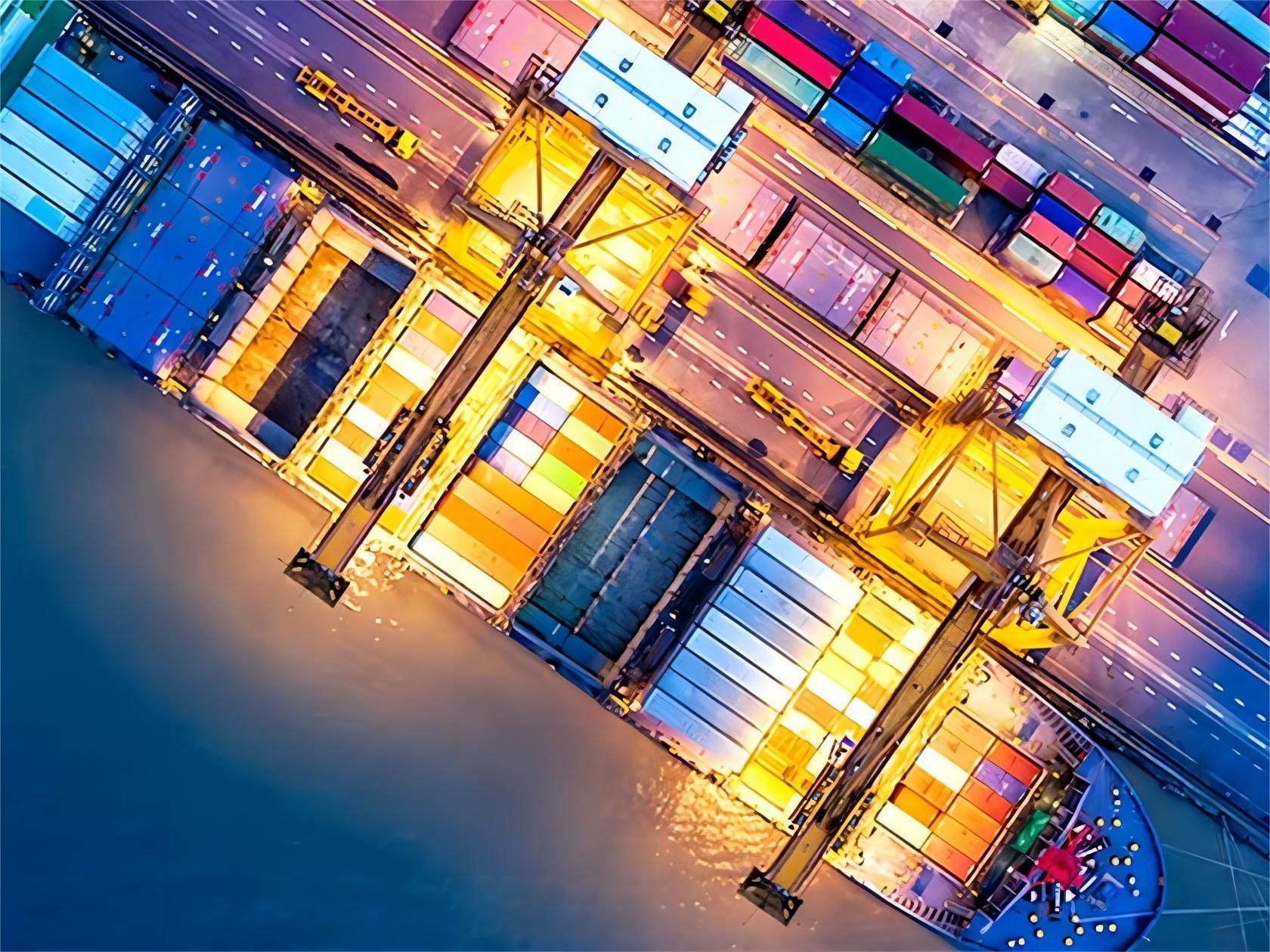
Shipping to Amazon FBA Canada
Many e-commerce sellers rely on Amazon FBA to handle their Canadian distribution. However, shipping directly from China to Amazon warehouses requires specific labeling and packaging standards.
Carriers must book delivery slots through the Amazon Carrier Central system to ensure acceptance at the fulfillment center. Moreover, failure to comply with these rules can result in refused shipments and significant additional costs.
Consequently, working with a forwarder experienced in FBA requirements is essential for a smooth operation. They can handle the palletization and final mile delivery to ensure your products reach the shelves without issue.
Real Case Studies for China to Canada Shipping
Examining real-world examples helps importers visualize the actual costs and timelines involved in the process. These cases reflect typical market conditions found in early 2026.
Case Study 1: Electronics from Shenzhen to Vancouver. A business shipped a 20GP container of consumer electronics via a direct sea route. The ocean freight cost was 2,200 USD, with a total transit time of 16 days from port to port.
Case Study 2: Textiles from Ningbo to Toronto. An apparel brand used LCL shipping for 5 cubic meters of clothing. The total landed cost, including customs and trucking to the warehouse, was 1,150 USD with a 32-day door-to-door timeline.
Case Study 3: Urgent Spare Parts from Shanghai to Montreal. A manufacturing plant required 200kg of parts via air freight. The cost was 1,850 USD, but the goods arrived in just 5 days, preventing a costly production line shutdown.
Decision Framework: Which Option Should You Choose?
Choosing the right shipping method involves balancing three main factors: budget, speed, and cargo type. If your primary goal is cost reduction, sea freight is almost always the best choice for any shipment over 100kg.
On the other hand, if you are launching a new product or replenishing low stock, the speed of air freight justifies the higher expense. Additionally, consider the nature of your cargo; fragile or perishable items may require the specialized handling provided by air or express services.
To summarize, always request multiple options in your cargo shipping rates china to Canada freight quote. This allows you to compare different transit times and price points to see which aligns best with your current business objectives.
Cost-Saving Strategies for 2026
Consolidating shipments is one of the most effective ways to lower your per-unit shipping costs. By grouping smaller orders into a single LCL or FCL shipment, you reduce the impact of fixed documentation and handling fees.
Furthermore, try to avoid shipping during peak seasons if your inventory levels allow for it. Planning your imports for the slack periods in late Q1 or early Q2 can result in savings of 15 to 20 percent on freight rates.
Finally, always verify your cargo dimensions and weight before the goods leave the factory. Accuracy at this stage prevents unexpected re-measurement fees and ensures your cargo shipping rates china to Canada freight quote remains valid.
Final Thoughts on Canadian Freight Logistics
Navigating the complexities of international logistics requires a combination of careful planning and expert partnership. By understanding the factors that influence a cargo shipping rates china to Canada freight quote, you can make informed decisions that protect your bottom line.
Whether you choose the economy of sea freight or the speed of air transport, staying updated on market trends is crucial. We encourage you to leverage the expertise of professional forwarders to ensure your goods move efficiently across the Pacific in 2026.
Start Your Shipment
Ready to optimize your supply chain and secure the most competitive pricing? Contact Top China Cargo today for a personalized cargo shipping rates china to Canada freight quote tailored to your specific needs. Send Inquiry: https://topchinacargo.com/contact-us/
Request Quote