


Cargo Shipping China to UAE Freight Quotation (2026 Rates)
Navigating the complexities of international trade requires a precise understanding of logistics costs and timelines. If you are looking for a cargo shipping China to UAE freight quotation, Top China Cargo offers professional solutions tailored to your specific business requirements. Consequently, this guide provides the most up-to-date market intelligence for 2026 to help you optimize your supply chain.
✦
What Factors Influence Your Cargo Shipping China to UAE Freight Quotation?
Determining the final price for your shipment involves several variables that fluctuate based on market demand. For instance, fuel surcharges and seasonal peaks significantly impact the baseline rates provided by carriers.
Furthermore, the weight and volume of your goods dictate whether you should opt for Full Container Load or Less than Container Load services. Therefore, providing accurate dimensions is essential for a reliable quote.
Additionally, the choice of departure port in China, such as Shenzhen or Shanghai, can influence the local handling fees. Meanwhile, destination charges in the UAE vary between Jebel Ali and Khalifa Port.
Moreover, the current global economic climate in 2026 has introduced new variables in maritime insurance and security fees. Consequently, businesses must stay informed about these shifting logistics trends.
How to Compare Air Freight vs Sea Freight for UAE Shipments?
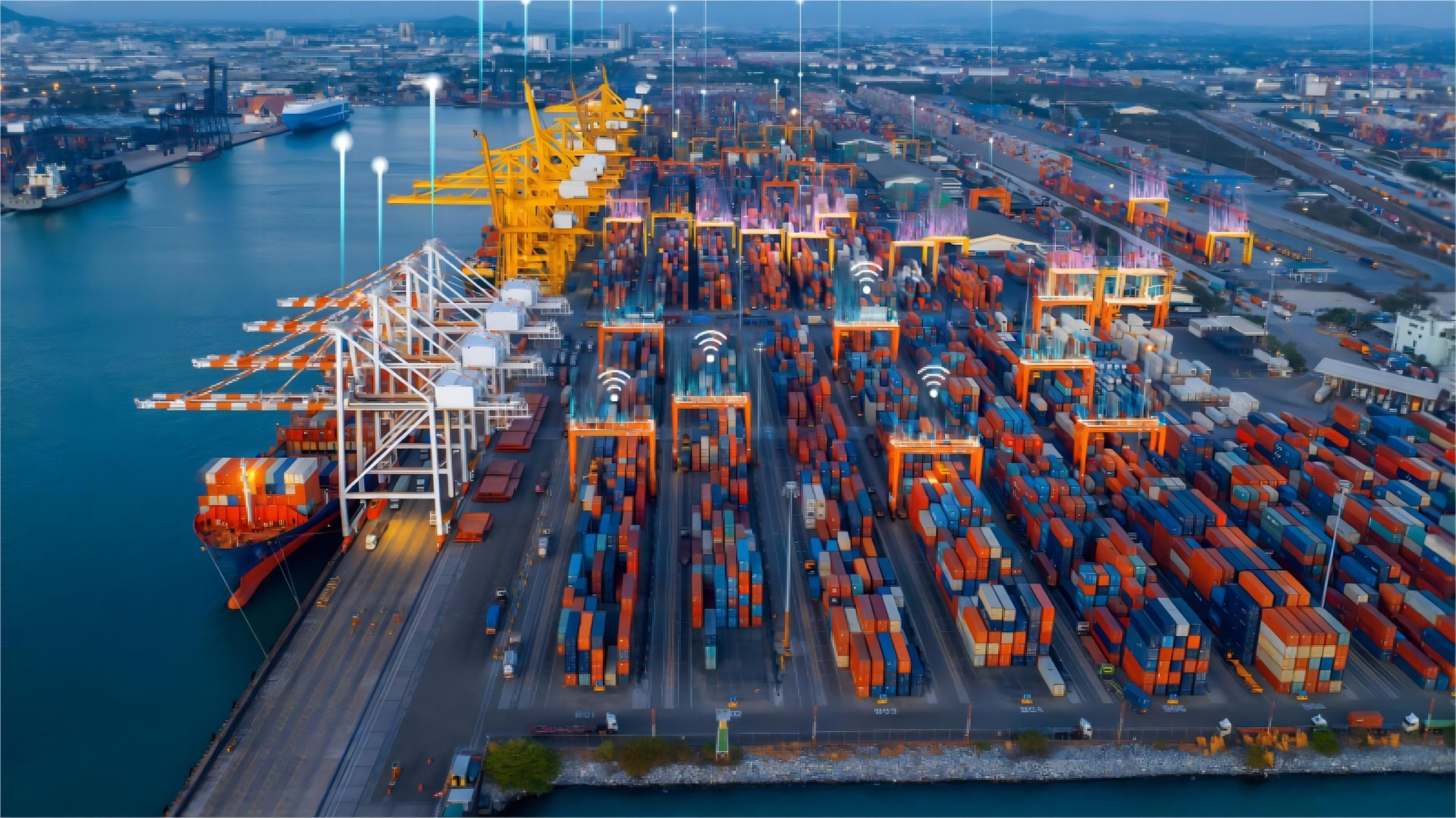
Choosing between different transport modes requires a balance between speed and budget. While sea freight remains the most cost-effective solution for bulk items, it requires longer lead times.
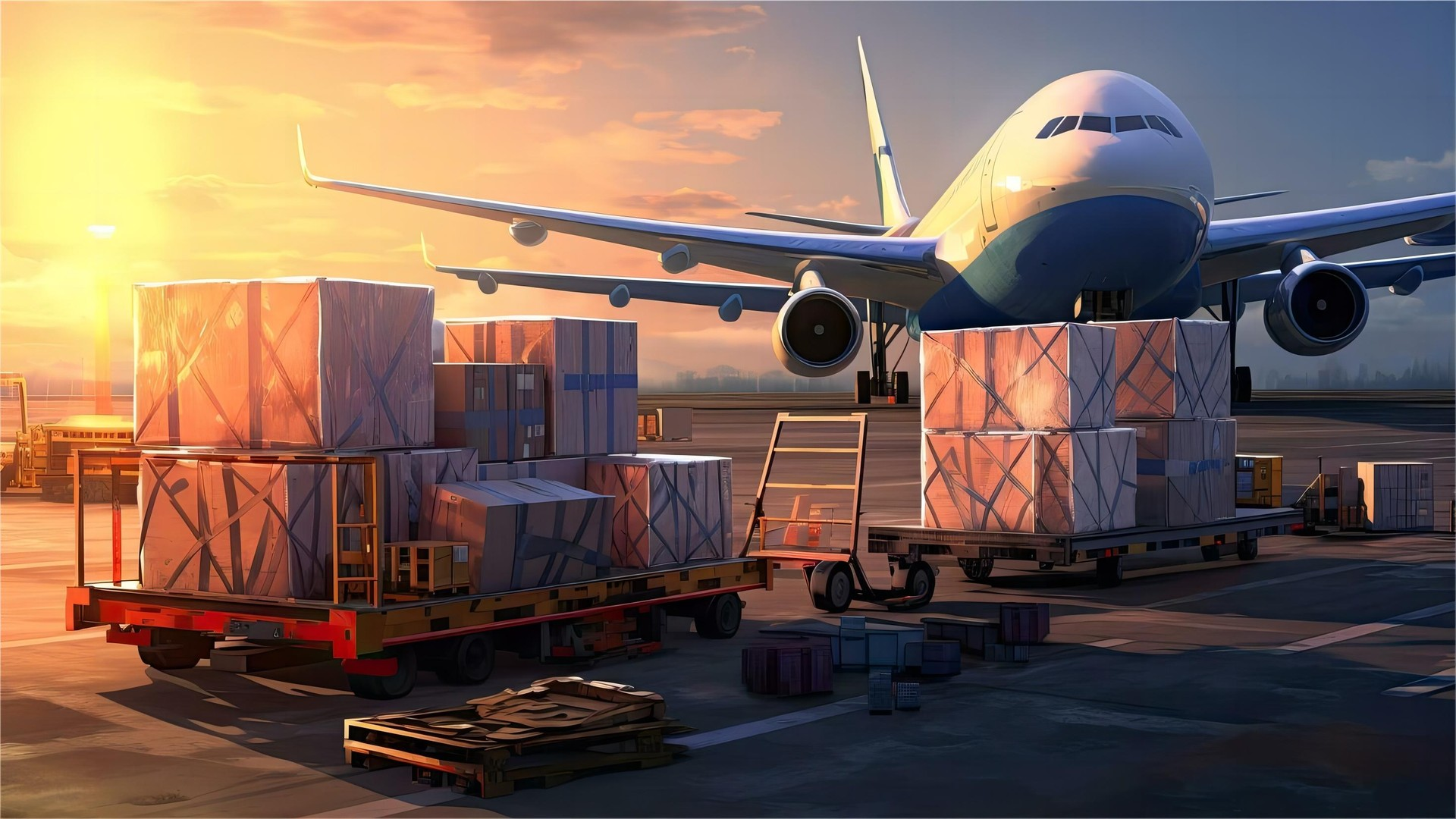
On the other hand, air freight is ideal for high-value or time-sensitive electronics and fashion goods. Indeed, the transit time for air cargo is significantly shorter than maritime routes.
Specifically, sea transit usually takes 18 to 25 days depending on the specific port of call. In contrast, air shipments often arrive within 3 to 7 days including customs processing.
To clarify, the decision often rests on the total weight of the shipment. Generally, shipments exceeding 500kg are much more economical when sent via ocean containers.
| Feature | Sea Freight (FCL/LCL) | Air Freight | Comparison Summary |
|---|---|---|---|
| Average Cost | $800 – $2,200 per container | $3.50 – $6.50 per kg | Sea is 70% cheaper |
| Transit Time | 18 – 28 Days | 3 – 7 Days | Air is 4x faster |
| Best For | Furniture, Machinery | Electronics, Pharma | Volume vs Urgency |
| Reliability | Moderate (Port delays) | High (Frequent flights) | Air offers more precision |
What Are the Estimated 2026 Shipping Costs from China to the UAE?
Market data suggests that freight rates have stabilized in early 2026 following previous global disruptions. For instance, a standard 20GP container from Ningbo to Dubai currently ranges between $1,100 and $1,600.
Moreover, 40HQ containers are priced between $1,900 and $2,600 depending on the carrier and the specific week of booking. However, these rates can increase by 20% during the Q4 peak season.
Additionally, LCL rates are typically calculated per cubic meter, with current averages sitting at $45 to $75 per CBM. Consequently, small business owners can manage their inventory without renting full containers.
Note: Freight rates are subject to change based on fuel costs, carrier capacity, and seasonal demand. Contact us for a current quote tailored to your specific shipment.
| Container Type | Low Season Rate | Peak Season Rate | Transit Time |
|---|---|---|---|
| 20GP Container | $1,100 – $1,400 | $1,500 – $1,900 | 20-24 Days |
| 40GP Container | $1,800 – $2,200 | $2,300 – $2,900 | 20-24 Days |
| 40HQ Container | $1,950 – $2,400 | $2,500 – $3,200 | 20-24 Days |
| LCL (per CBM) | $45 – $60 | $65 – $85 | 25-30 Days |
How Does Sea Freight Compare to Other Shipping Options?
When evaluating your cargo shipping China to UAE freight quotation, it is vital to consider alternative strategies. For example, some importers utilize sea-air hybrid models to balance cost and speed.
Furthermore, direct shipping routes offer the fastest maritime transit but come at a premium price. Meanwhile, transshipment via Singapore or Colombo can reduce costs by approximately 15% but adds time.
Additionally, express service options are available for documents and small parcels. Consequently, these door-to-door solutions bypass many traditional freight forwarding hurdles.
In contrast, rail freight is not a direct option for this route due to geographical constraints. Therefore, ocean and air remain the primary pillars of the China-UAE trade lane.
| Shipping Method | Cost Range | Transit Time | Best For |
|---|---|---|---|
| Standard Sea | $1,200 – $2,500 | 20-28 Days | General Cargo |
| Express Air | $6.00 – $9.00/kg | 2-4 Days | Urgent Samples |
| Sea-Air Hybrid | $2.50 – $4.00/kg | 10-14 Days | Medium Urgency |
| LCL Shipping | $50 – $80/CBM | 25-35 Days | Small Batches |
Which Option Should You Choose for Your Business?
Deciding on the best shipping method requires a clear framework based on your specific business priorities. If your primary goal is budget optimization, standard sea freight is the logical choice.
However, if you are launching a new product and need it in the UAE market immediately, air freight is the superior option. Additionally, door to door services simplify the process for first-time importers.
Furthermore, consider the volume of your cargo before making a final decision. For instance, once your volume exceeds 15 CBM, booking a full 20GP container is usually cheaper than LCL.
Moreover, freight insurance should never be overlooked regardless of the method chosen. Consequently, protecting your investment against maritime risks is a standard industry best practice.
Real-World Case Studies: Shipping Success in 2026
Case Study 1: Electronics from Shenzhen to Dubai. Route: Shenzhen to Jebel Ali. Cargo: LED Panels, 28 CBM. Container: 40GP. Shipping Details: Direct carrier. Cost Breakdown: Ocean Freight $2,100, Origin Charges $350, Destination Charges $400, Customs $150. Total Landed Cost: $3,000. Timeline: 22 days door-to-door. Key Insight: Booking 3 weeks in advance saved the client 15% on freight.
Case Study 2: Furniture from Foshan to Abu Dhabi. Route: Guangzhou to Khalifa Port. Cargo: Home Furniture, 12 CBM. Container: LCL. Shipping Details: Transshipment via Singapore. Cost Breakdown: Ocean Freight $720, Origin Charges $200, Destination Charges $300, Customs $120. Total Landed Cost: $1,340. Timeline: 32 days door-to-door. Key Insight: LCL was the most economical choice for this volume.
Case Study 3: Urgent Spare Parts from Shanghai to Sharjah. Route: Shanghai Pudong to Sharjah Intl. Cargo: Industrial Valves, 150 kg. Method: Air Freight. Cost Breakdown: Air Freight $750, Handling $100, Customs $80. Total Landed Cost: $930. Timeline: 4 days. Key Insight: Air freight prevented a factory shutdown in the UAE.
Understanding the Customs Brokerage Process in the UAE
Successfully clearing customs in Dubai or Abu Dhabi requires meticulous documentation and compliance with local regulations. Therefore, hiring a professional customs brokerage service is highly recommended.
Additionally, the UAE has specific requirements for certificates of origin and commercial invoices. Consequently, any errors in these documents can lead to costly port storage fees.
Furthermore, the 2026 customs updates have streamlined digital filings through the Dubai Trade portal. Nevertheless, physical inspections can still occur for certain categories of restricted goods.
To summarize, staying compliant with UAE Federal Tax Authority rules ensures that your VAT and duty payments are processed without delay. Indeed, this is the final hurdle in your shipping journey.
How to Reduce Your Total Landed Cost for China-UAE Shipments?
Reducing your logistics expenses requires a strategic approach to consolidation and carrier negotiation. For example, consolidating multiple suppliers into a single container in China can significantly lower your per-unit cost.
Moreover, choosing the right Incoterms, such as FOB instead of EXW, gives you more control over the international freight portion of the journey. Consequently, you can shop around for the best rates.
Additionally, utilizing off-peak shipping windows during the middle of the month can sometimes yield lower quotes. Meanwhile, optimizing your packaging to reduce wasted space within the container is a simple yet effective strategy.
Furthermore, establishing a long-term relationship with a reliable freight forwarder can lead to volume discounts. Therefore, consistency in your shipping schedule often pays off in the long run.
What Documentation Do You Need for UAE Import Clearance?
The success of your import operation depends heavily on the accuracy of your paperwork. Specifically, you will need a Bill of Lading, a Commercial Invoice, and a Packing List for every shipment.
Furthermore, a Certificate of Origin is mandatory to verify where the goods were manufactured. Additionally, certain products like food or chemicals require special permits from UAE ministries.
Moreover, ensuring that all descriptions on the invoice match the physical goods is crucial to avoid fines. Consequently, your freight forwarder should review all documents before the vessel departs China.
Finally, having a valid UAE import code is the first step for any business looking to bring goods into the country. Indeed, without this registration, your cargo cannot be cleared.
Final Thoughts on Shipping from China to the UAE
Securing an accurate cargo shipping China to UAE freight quotation is the foundation of a successful international trade venture. By understanding the nuances of air and sea freight, and staying updated on 2026 market trends, you can make informed decisions that protect your profit margins.
Whether you are shipping full containers or small parcels, the key lies in planning, documentation, and choosing the right logistics partner. Consequently, proactive management of your supply chain will ensure your goods arrive safely and on time in the Middle East.