


Australia Amazon FBA Prep Service: The Ultimate 2026 Logistics Guide
Navigating the complexities of international e-commerce requires a robust australia amazon fba prep service to ensure your products meet strict platform standards. Specifically, these services handle everything from initial inspection to final labeling before your inventory reaches the fulfillment centers in Sydney, Melbourne, or Brisbane. By partnering with Top China Cargo, you can streamline your operations and focus on scaling your brand. Consequently, you avoid the common pitfalls that lead to rejected shipments or account suspensions in the competitive Australian marketplace.
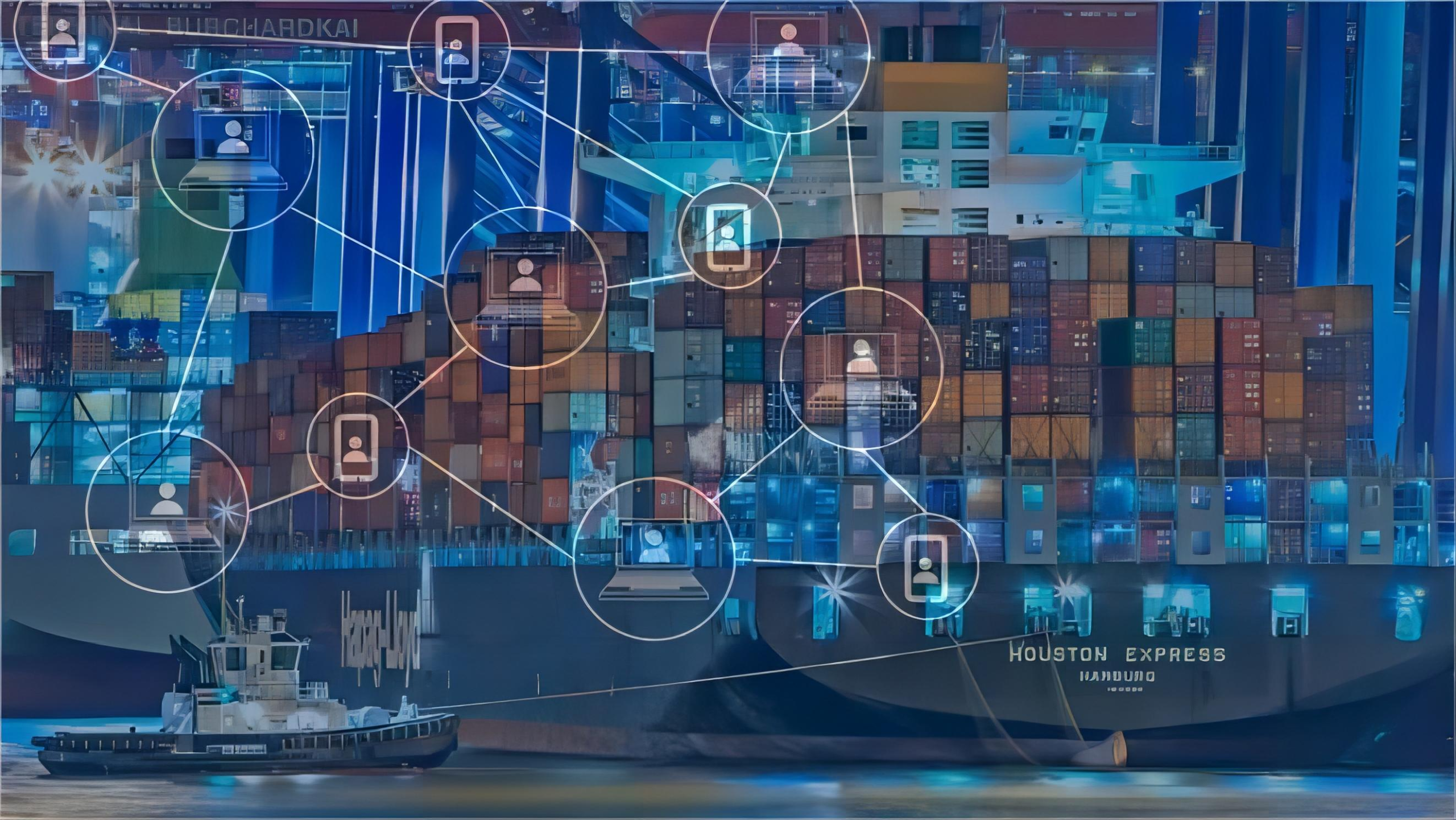
What is an Australia Amazon FBA Prep Service?
Sellers often find that managing inventory compliance is the most time-consuming part of their business. Therefore, an Amazon FBA prep service acts as a specialized third-party partner that prepares your products according to Amazon strict requirements. These tasks include receiving goods from manufacturers, inspecting them for damage, and applying the necessary barcodes. Moreover, they ensure that your packaging is durable enough to withstand international transit to the Southern Hemisphere.
Utilizing a professional prep center in China is particularly advantageous for those targeting the Australian market. Specifically, it allows you to catch quality issues at the source before the items leave the country. Furthermore, these facilities are experts in Amazon FBA packaging standards, which helps you avoid the dreaded ‘unplanned prep’ fees. Consequently, your inventory arrives at the fulfillment center ready for immediate sale, maximizing your turnover rate and improving your seller health metrics.
High-quality prep services also provide inventory management for Amazon Australia, giving you better visibility into your stock levels. Indeed, having a clear overview of your supply chain is essential for maintaining a high IPI score. Additionally, these services often include poly-bagging, bundling, and fragile item wrapping. As a result, you can offer a wider variety of products without worrying about the logistical headaches of specialized packaging.
Why Compliance is Key for Amazon FBA Australia in 2026
Maintaining high standards in 2026 is essential because Amazon has implemented stricter packaging guidelines to improve warehouse efficiency. Therefore, every seller must adhere to specific Amazon FBA Australia requirements to avoid costly penalties or shipment rejections. Moreover, incorrect labeling can lead to lost inventory or significant delays in processing at the arrival port. As a result, professional prep services have become a non-negotiable part of the supply chain for successful sellers.
Safety regulations in Australia are also a major factor that sellers must consider when preparing their goods. For example, heavy cartons require specific ‘Team Lift’ or ‘Mech Lift’ labels to protect warehouse workers. Furthermore, if you are selling hazardous materials, you must comply with stringent documentation and labeling rules. Consequently, an australia amazon fba prep service ensures that every single unit is compliant with both Amazon rules and Australian national safety standards.
Without a doubt, compliance directly impacts your bottom line and your ability to compete. Specifically, shipments that fail to meet standards are often sent back at the seller expense or destroyed. In addition, repeated non-compliance can lead to the permanent suspension of your selling privileges. Therefore, investing in a reliable prep partner is a strategic move to safeguard your business long-term. Indeed, the peace of mind that comes with knowing your inventory is perfect is worth the initial investment.
Benefits of Using a Prep Service in China for Australia FBA
Choosing to prepare your goods in China offers significant cost advantages compared to performing these tasks in Australia. In addition, performing quality control at the source allows you to identify and fix defects before paying for international shipping. Indeed, an FBA inspection service in China acts as your eyes and ears on the ground. Consequently, you save money on transit costs for faulty items and protect your brand reputation from negative customer reviews.
Labor costs in China are generally lower than in Australia, which translates to cheaper per-unit prep fees for you. Moreover, Chinese prep centers are located close to major manufacturing hubs like Shenzhen, Ningbo, and Shanghai. This proximity reduces the domestic transit time from the factory to the prep facility. Furthermore, these centers are highly familiar with the specific requirements for shipping from China to Australia, ensuring a seamless transition from production to export.
Efficiency is another major benefit of source-based preparation. Specifically, the prep center can handle large volumes of inventory simultaneously, ensuring that your entire shipment is ready for the next vessel. Additionally, many prep centers offer short-term storage, allowing you to drip-feed inventory into Australia as needed. As a result, you can maintain a lean inventory model while still having enough stock to meet demand spikes during peak seasons.
Essential Amazon FBA Labeling and Packaging Requirements
Understanding the nuances of Amazon barcode requirements is vital for any business shipping to the Australian market. For instance, each unit must have a scannable FNSKU label that is clearly visible and correctly placed over any existing manufacturer barcodes. Additionally, heavy items require specific stickers to comply with safety regulations. Without a doubt, professional prep centers ensure that every carton label meets the exact specifications required by the fulfillment center.
Packaging standards are equally important to ensure that items arrive in pristine condition. Specifically, Amazon requires that all products be able to pass a drop test without breaking. Moreover, liquids and powders must be double-sealed to prevent leakage during the long sea voyage. Furthermore, apparel items must be placed in transparent poly bags with suffocation warnings if the opening is over a certain size. Consequently, proper packaging reduces the risk of returns and improves customer satisfaction.
Sellers must also pay close attention to palletization requirements if they are sending large shipments. Indeed, Amazon Australia has specific rules regarding pallet height, weight, and the type of wood used. For example, all wooden pallets must be ISPM-15 heat-treated to pass Australian customs. Therefore, your prep service will ensure that your shipment is palletized correctly to avoid being turned away at the warehouse gate. As a result, you can be confident that your logistics flow remains uninterrupted.
How Does Sea Freight Compare to Other Shipping Options?
Selecting the right shipping method is a critical decision that impacts your total landed cost and delivery schedule. While sea freight remains the most economical choice for large volumes, it requires careful planning due to longer transit times. In contrast, air freight offers speed for urgent inventory replenishment but at a much higher cost. Therefore, sellers must weigh the trade-offs between cost and speed based on their current inventory levels and profit margins.
Market data suggests that sea freight is the preferred method for over 80 percent of goods moving from China to Australia. Specifically, the cost per cubic meter is significantly lower than the cost per kilogram for air transport. Moreover, the stability of sea routes in 2026 has improved, making it a reliable option for consistent supply chains. Consequently, businesses that can forecast their demand accurately stand to save thousands of dollars by choosing ocean transport over more expensive alternatives.
However, air freight is still a valuable tool for high-value items or seasonal products that need to hit the market quickly. For instance, if a product goes viral on social media, you may need to restock within days rather than weeks. Additionally, express services provide the fastest door-to-door transit but should be used sparingly due to their premium pricing. To summarize, a balanced approach using multiple shipping methods is often the most effective strategy for growing e-commerce brands.
| Shipping Method | Cost Range (USD) | Transit Time | Best For |
|---|---|---|---|
| Sea Freight (LCL) | $150-$300/CBM | 18-25 Days | Medium bulk shipments |
| Sea Freight (FCL) | $1,200-$2,000 | 12-18 Days | Large volume inventory |
| Air Freight | $4.50-$7.00/kg | 5-8 Days | High-value or urgent stock |
| Express Service | $8.00-$12.00/kg | 3-5 Days | Samples or small parcels |
Decision Framework: Which Shipping Option Should You Choose?
Evaluating your business needs requires a clear framework to determine the most efficient logistics strategy for 2026. For example, if your priority is minimizing shipping costs, sea freight is the logical choice for shipments over 2 CBM. On the other hand, if you are launching a new product and need to meet a tight deadline, air freight is more suitable. Furthermore, volume thresholds often dictate when it is time to switch from LCL to FCL to maximize your margins.
Budget priority should always be balanced against the risk of stockouts. Specifically, losing your ‘Buy Box’ status on Amazon due to lack of inventory can be more expensive than the cost of air freight. Moreover, cargo type considerations play a role, as bulky items are prohibitively expensive to ship by air. Consequently, most successful sellers use a combination of methods to keep their supply chain resilient. Indeed, flexibility is the key to surviving market fluctuations and carrier delays.
Note: Freight rates are subject to change based on fuel costs, carrier capacity, and seasonal demand. Contact us for a current quote tailored to your specific shipment.
| Method | Cost Range | Transit Time | Limitations |
|---|---|---|---|
| Direct Sea | $1,200-$1,800 | 14-18 Days | Port congestion risks |
| Direct Air | $5,000-$7,000 | 3-5 Days | High carbon footprint |
| Sea-Air Hybrid | $2,500-$3,500 | 10-12 Days | Complex scheduling |
Alternative Strategies for Cost-Effective Inventory Management
Implementing a hybrid logistics model can often lead to significant savings and improved supply chain resilience. Specifically, you might ship 20 percent of your stock via air to maintain availability while the remaining 80 percent travels by sea. Moreover, utilizing cross-docking services can reduce storage fees at Amazon fulfillment centers. Consequently, this multi-tiered approach allows you to respond quickly to market trends without overspending on logistics.
Another effective strategy involves using a specialized customs brokerage to ensure your duties and taxes are calculated correctly. Indeed, misclassifying your products can lead to overpayment or fines from the Australian Border Force. Furthermore, taking advantage of free trade agreements between China and Australia can significantly reduce your landed costs. Therefore, working with experts who understand the local tax landscape is essential for maintaining healthy profit margins.
Finally, consider the benefits of consolidation to lower your overall shipping expenses. For instance, if you have multiple suppliers in China, a prep center can consolidate all your goods into a single shipment. This reduces the number of individual entries and lowers the per-unit cost of freight. Without a doubt, these alternative strategies provide a competitive edge in a market where every cent counts towards your final ROI.
Real Case Studies: Successful Shipments to Amazon Australia
Case Study 1: Electronics Startup Success Route: Shenzhen, China to Sydney, Australia Cargo: Smart Home Devices, 4 CBM, 850 kg Container: LCL Shipping Details: – Carrier: Major carrier via Direct Route – Port of Loading: Shenzhen – Port of Discharge: Sydney Cost Breakdown: – Ocean Freight: $950 – Origin Charges: $250 – Destination Charges: $320 – Customs and Duties: $1,100 – Total Landed Cost: $2,620 Timeline: – Booking to Loading: 3 days – Sea Transit: 14 days – Customs Clearance: 2 days – Total Door-to-Door: 19 days Key Insight: Using a professional australia amazon fba prep service in Shenzhen allowed the seller to catch a 5 percent defect rate before shipping, saving thousands in return costs.
Case Study 2: Apparel Brand Scaling Route: Ningbo, China to Melbourne, Australia Cargo: Organic Cotton T-shirts, 28 CBM, 4,200 kg Container: 20GP Shipping Details: – Carrier: COSCO – Port of Loading: Ningbo – Port of Discharge: Melbourne Cost Breakdown: – Ocean Freight: $1,150 – Origin Charges: $400 – Destination Charges: $450 – Customs and Duties: $2,800 – Total Landed Cost: $4,800 Timeline: – Booking to Loading: 5 days – Sea Transit: 17 days – Customs Clearance: 3 days – Total Door-to-Door: 25 days Key Insight: Switching from LCL to FCL reduced the per-unit shipping cost by 35 percent, allowing the brand to lower their retail price and gain market share.
Based on Q3 2025 and early 2026 market rates, these cases illustrate the typical performance of well-managed logistics chains. Note: Freight rates are subject to change based on fuel costs, carrier capacity, and seasonal demand. Contact us for a current quote tailored to your specific shipment.
Step-by-Step Guide to the FBA Prep Process
Starting the prep process involves several critical steps to ensure your inventory is ready for the shipping from China to Australia journey. Initially, your supplier sends the goods to the prep center where a thorough inspection is conducted. Following this, the team applies the necessary FNSKU and carton labels according to your specific instructions. Finally, the shipment is booked with a reliable carrier for transit to the designated fulfillment center.
Communication is vital during this entire process to avoid any misunderstandings regarding your inventory. Specifically, you should provide clear labeling instructions and high-resolution images of how you want the finished product to look. Moreover, your prep partner should provide regular updates on the status of your shipment. Consequently, you can manage your marketing campaigns and customer expectations with confidence, knowing exactly when your stock will be live.
Once the goods arrive in Australia, the final leg of the journey begins with customs clearance and local delivery. Indeed, having all your documentation in order is the best way to ensure a fast transition through the port. Furthermore, your prep service will have already ensured that the shipment meets all local delivery requirements, such as pallet size and weight limits. As a result, the final delivery to the Amazon warehouse is usually the smoothest part of the entire operation.
Mastering Your Supply Chain with Australia Amazon FBA Prep Service
To summarize, a professional australia amazon fba prep service is an invaluable asset for any e-commerce business looking to scale in 2026. By ensuring compliance and optimizing your shipping strategy, you can significantly reduce operational headaches and avoid costly delays. Therefore, investing in quality prep and logistics today will pay dividends in the form of higher seller ratings and lower overall costs.
Success on Amazon Australia depends on a seamless and compliant supply chain that can adapt to changing market conditions. Specifically, using a partner in China allows for better quality control and lower labor costs. Ultimately, by following the strategies outlined in this guide, you can build a resilient brand that thrives in the competitive Australian marketplace. Whether you choose sea or air, the right prep service makes all the difference.
Need a tailored shipping solution?
Ready to scale your e-commerce business with a reliable australia amazon fba prep service? Our team of experts is standing by to help you navigate the complexities of 2026 logistics and ensure your shipments are 100 percent compliant. Contact us today to receive a customized quote and take the first step toward a more efficient supply chain. Visit our website to learn more or send an inquiry directly to our logistics specialists. Send Inquiry: https://topchinacargo.com/contact-us/