

Amazon FBA Shipping China to Melbourne: 2026 Logistics Guide
Navigating the complexities of amazon fba shipping china to melbourne requires a strategic approach to modern logistics. Sellers often face significant challenges with transit delays and fluctuating costs in the current 2026 market. By partnering with Top China Cargo, you can streamline your supply chain and ensure your inventory reaches Melbourne fulfillment centers efficiently. This guide provides a comprehensive overview of the best practices for transporting goods to Australia while maintaining high profit margins.

What are the Primary Methods for Amazon FBA Shipping China to Melbourne?
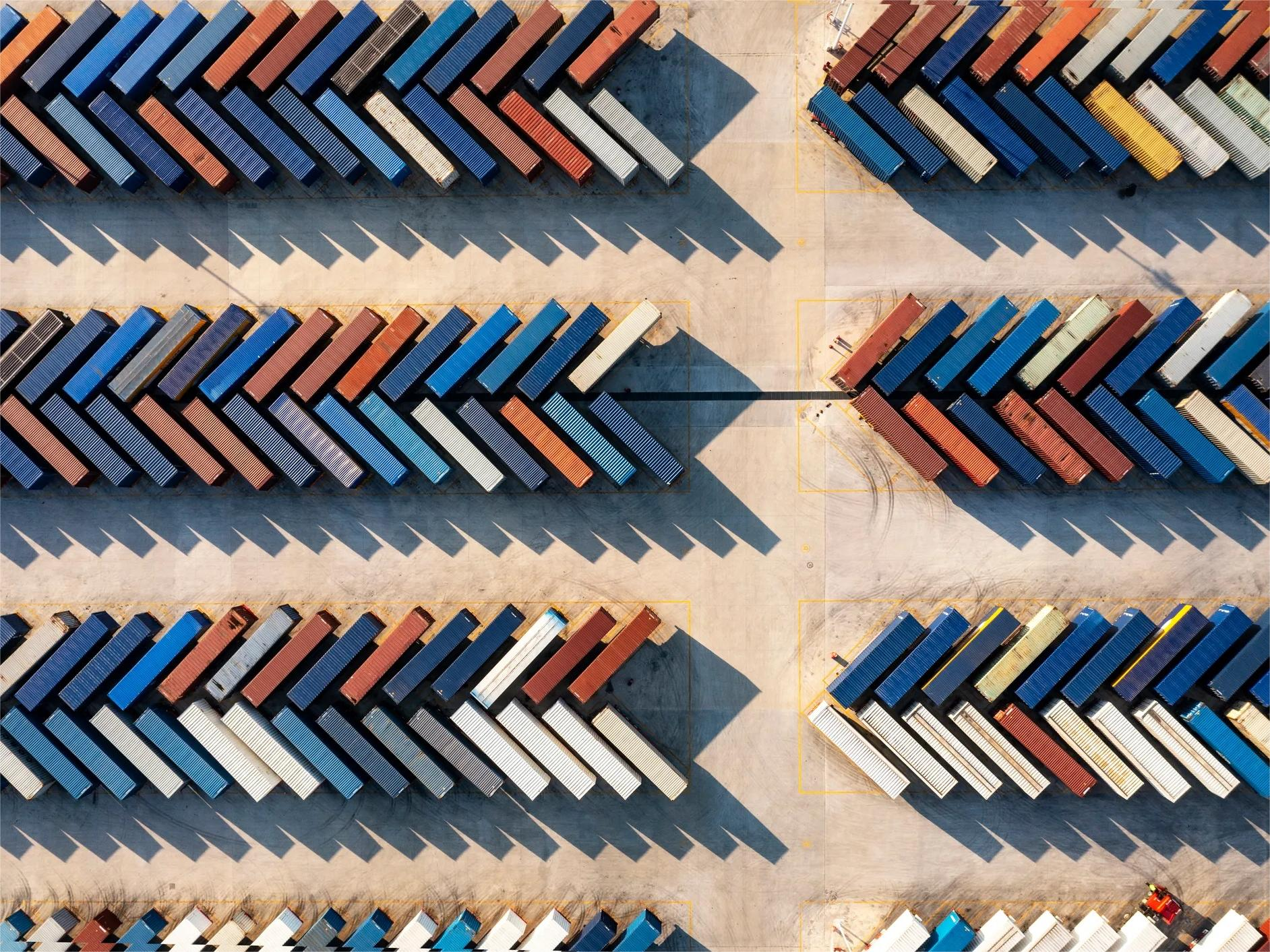
Choosing the right transportation method is the most critical decision for any e-commerce business owner. Currently, the most popular option for large volumes remains sea freight due to its cost-effectiveness. Consequently, many sellers plan their inventory months in advance to account for the longer transit times associated with ocean routes.
Moreover, businesses requiring faster replenishment often turn to air freight to avoid stockouts. This method is significantly more expensive but offers unparalleled speed for high-value or seasonal products. Indeed, the choice between sea and air depends heavily on your specific profit margins and delivery schedule requirements.
Furthermore, specialized Amazon FBA services provide end-to-end solutions that include labeling and prep. These services ensure that your cargo meets all of Amazon Australia’s strict receiving guidelines. Therefore, utilizing a professional freight forwarder can prevent costly rejections at the Melbourne warehouse.
How Does Sea Freight Compare to Other Shipping Options?
Evaluating different shipping modes requires a deep understanding of the trade-offs between speed and expense. While sea freight offers the lowest cost per unit, it requires a higher capital commitment due to larger minimum volumes. On the other hand, express services provide door-to-door delivery with minimal hassle but at a premium price point.
Additionally, hybrid solutions like sea-air have become increasingly popular in early 2026. These strategies involve shipping goods by sea to a hub like Singapore before flying them into Melbourne. As a result, sellers can achieve a balance between the high cost of air and the slow pace of sea transport.
Nevertheless, direct sea shipping remains the backbone of the China-Australia trade lane. For shipments exceeding 15 CBM, a full container load (FCL) is usually the most economical choice. In contrast, smaller shipments benefit from less than container load (LCL) pricing models.
| Shipping Method | Cost Range (per kg/CBM) | Transit Time | Best For |
|---|---|---|---|
| Sea Freight (LCL) | $80 – $150 per CBM | 18 – 25 Days | Bulk inventory |
| Air Freight | $4.50 – $7.00 per kg | 5 – 8 Days | Urgent restocks |
| Express Shipping | $7.00 – $12.00 per kg | 3 – 5 Days | Small samples |
| Sea Freight (FCL 20GP) | $900 – $1,400 per unit | 14 – 18 Days | Large volume |
What are the Current 2026 Shipping Costs and Transit Times?
Market data suggests that freight rates have stabilized in the first quarter of 2026. However, seasonal peaks during the lead-up to the Australian holiday season can still cause price spikes of up to 20 percent. Consequently, booking your space at least three weeks in advance is highly recommended to secure the best rates.
Transit times from major Chinese ports like Shenzhen or Shanghai to Melbourne typically range from 14 to 22 days. Meanwhile, customs clearance and local trucking to the FBA warehouse can add another 3 to 7 days to the total timeline. For instance, port congestion during peak periods may occasionally extend these estimates.
Note: Freight rates are subject to change based on fuel costs, carrier capacity, and seasonal demand. Contact us for a current quote tailored to your specific shipment.
Why is Customs Brokerage Essential for Australian Imports?
Navigating the legal requirements of the Australian Border Force is a complex task for international sellers. Without professional customs brokerage, your goods could face lengthy delays or expensive fines. Therefore, ensuring all documentation is accurate and compliant with Australian law is paramount.
Furthermore, understanding the Goods and Services Tax (GST) and import duties is vital for calculating your landed cost. Most products imported into Australia are subject to a 10 percent GST based on the value of the goods plus insurance and freight. Additionally, specific product categories may attract extra duties depending on their origin and classification.
Consequently, working with an experienced partner ensures that your amazon fba shipping china to melbourne process remains smooth. They will handle the lodgment of import declarations and ensure that all fees are paid promptly. Without a doubt, this expertise is invaluable for maintaining a reliable supply chain.
| Document Name | Purpose | Required By | Key Detail |
|---|---|---|---|
| Commercial Invoice | Value declaration | Customs | Must show HS codes |
| Packing List | Cargo verification | Warehouse | Itemized weights |
| Bill of Lading | Title of goods | Carrier | Master or House |
| Packing Declaration | Biosecurity | DAFF | Wood packaging info |
Real-World Case Studies for China to Melbourne Routes
Analyzing actual shipping scenarios helps sellers understand the practicalities of the amazon fba shipping china to melbourne route. These examples illustrate how different choices impact the total landed cost and delivery speed. Below are two detailed cases based on early 2026 market rates.
Case Study 1: Electronics Restock. Route: Shenzhen to Melbourne. Cargo: 500kg of consumer electronics. Shipping Method: Air Freight. Total Landed Cost: $3,250. Transit Time: 6 days. Key Insight: Using air freight allowed the seller to capitalize on a sudden trend before competitors could restock via sea.
Case Study 2: Furniture Inventory. Route: Ningbo to Melbourne. Cargo: 15 CBM (LCL). Shipping Method: Sea Freight. Total Landed Cost: $2,100. Transit Time: 24 days. Key Insight: Consolidating multiple SKUs into one LCL shipment significantly reduced the per-unit shipping cost compared to individual express parcels.
Case Study 3: Large Scale Expansion. Route: Shanghai to Melbourne. Cargo: 20GP Full Container. Shipping Method: Sea Freight. Total Landed Cost: $1,850 (excluding duties). Transit Time: 16 days. Key Insight: Direct shipping from Shanghai offered the fastest ocean transit available for this specific route.
Which Shipping Option Should You Choose?
Determining the best logistics strategy depends on your specific business priorities and cargo characteristics. If your primary goal is budget optimization, sea freight is the undisputed winner for shipments over 2 CBM. However, if speed is your priority to meet a strict Amazon deadline, air freight is the necessary choice.
Moreover, cargo type considerations play a significant role in the decision-making process. Perishable goods or high-value electronics often mandate air transport to minimize risk and maximize turnover. Conversely, durable goods with lower margins are best suited for the slower, more affordable sea routes.
For shipments under 100kg, express services often provide the best value because they include customs clearance in their base price. As your volume grows, switching to LCL or FCL becomes essential to maintain competitiveness. Indeed, a hybrid approach often yields the best long-term results for growing brands.
How to Prepare Your Cargo for Amazon FBA Melbourne?
Compliance with Amazon’s strict packaging and labeling requirements is non-negotiable for successful delivery. Every carton must feature a unique FBA box ID label that is clearly visible and scannable. Additionally, items must be palletized according to Australian standards, which differ slightly from North American or European requirements.
Furthermore, using the correct dunnage materials like air pillows or bubble wrap prevents damage during the long journey from China. Consequently, reducing the risk of damaged inventory saves you money on returns and protects your seller rating. Always ensure that your supplier understands the specific needs of the Melbourne fulfillment centers.
Finally, choosing a provider that offers shipping from China to Australia with integrated prep services can be a game-changer. They can inspect your goods at the origin and fix any labeling issues before the cargo leaves China. This proactive approach eliminates the risk of your shipment being rejected upon arrival in Melbourne.
Mastering Your Melbourne FBA Logistics
To summarize, successful amazon fba shipping china to melbourne requires balancing cost, speed, and compliance. By understanding the nuances of sea and air freight, you can make informed decisions that protect your profit margins. Additionally, staying updated on the latest customs regulations and market trends for 2026 will give you a competitive edge.
Partnering with a reliable freight forwarder like Top China Cargo ensures that your inventory is handled with care from the factory to the warehouse. Whether you are shipping small parcels or full containers, the right logistics strategy is the foundation of your e-commerce success. Start planning your next shipment today to ensure consistent stock levels and happy customers in Melbourne.
Need a tailored shipping solution?
Ready to optimize your amazon fba shipping china to melbourne strategy? Contact Top China Cargo today for a personalized freight quote and professional logistics advice tailored to the 2026 market. See how our expert team can lower your costs and speed up your delivery times. Send Inquiry to get started.