

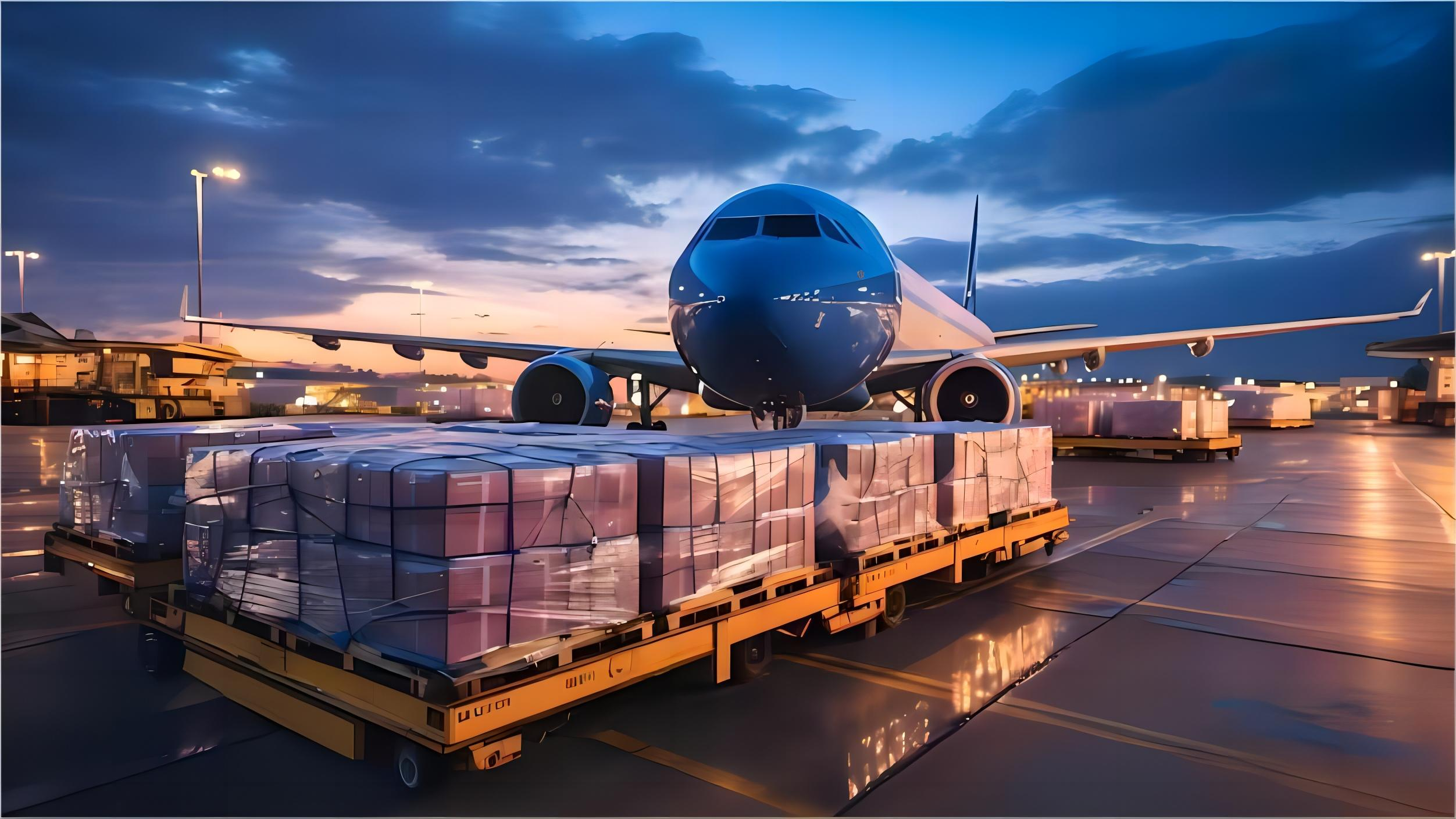
Air Cargo China to Germany Express Freight Forwarding: 2026 Guide
Air cargo china to Germany express freight forwarding serves as the backbone for businesses requiring rapid delivery between these two economic powerhouses. Navigating the complexities of international logistics requires a reliable partner like Top China Cargo to ensure your goods arrive safely and on schedule. This comprehensive guide explores how modern supply chain solutions can optimize your shipping experience in 2026.

Why Choose Air Cargo China to Germany Express Freight Forwarding?
Speed remains the primary advantage of selecting this transport method for your international trade needs. Furthermore, the high frequency of flights between major Chinese hubs and German gateways like Frankfurt or Munich ensures minimal waiting times. Consequently, businesses can maintain leaner inventory levels and respond faster to market demands in 2026.
Reliability is another critical factor that makes this service indispensable for high-value shipments. Moreover, air transport offers significantly higher security levels compared to other modes, reducing the risk of theft or damage. In addition, the precise delivery schedule associated with air logistics allows for better planning across the entire supply chain.
Modern technology has improved the tracking capabilities for every air freight shipment significantly. As a result, importers can monitor their cargo in real-time, providing peace of mind and operational transparency. Therefore, investing in premium air services often yields a higher return on investment for time-sensitive goods.
How Does Air Freight Compare to Other Shipping Options?
Comparing different transportation methods is essential for making an informed decision about your logistics strategy. While air transport is the fastest, other options like rail freight offer a middle ground between speed and cost. However, for the most urgent requirements, express air remains the unrivaled champion of the logistics world.
Cost considerations often dictate the choice of shipping method for many enterprises. On the other hand, the hidden costs of slower transport, such as tied-up capital and potential stockouts, must be factored into the equation. To summarize, the choice depends heavily on the nature of the cargo and the required delivery schedule.
| Shipping Method | Cost Range | Transit Time | Best For |
|---|---|---|---|
| Air Express | $6.00 – $9.50 / kg | 3-5 Days | Urgent, High-value |
| Standard Air | $4.50 – $7.00 / kg | 6-10 Days | General Cargo |
| Rail Freight | $120 – $180 / CBM | 18-22 Days | Bulk, Mid-speed |
| Sea Freight | $60 – $110 / CBM | 30-40 Days | Large Volume |
Understanding Shipping Costs and Transit Times for 2026
Freight rates in 2026 have stabilized following previous global disruptions, yet they remain sensitive to fuel prices and seasonal demand. Specifically, the peak season from September to December typically sees an increase in rates due to higher consumer activity. Consequently, booking your space well in advance can help mitigate these price fluctuations.
Transit time for express service from China to Germany usually ranges between three and five business days. This timeframe includes the time required for pickup, cargo handling, flight duration, and final delivery. Nevertheless, factors such as weather conditions and airport congestion can occasionally influence the overall schedule.
Market data suggests that direct flights from Shanghai to Frankfurt offer the most consistent performance for German imports. In contrast, transshipment routes via hubs like Dubai or Singapore might offer lower rates but extend the transit time by two or three days. Therefore, businesses must weigh the cost savings against the need for speed.
Factors Influencing 2026 Freight Rates
Fuel surcharges continue to be a variable component of the total shipping cost for all air carriers. Additionally, the availability of belly capacity on passenger flights significantly impacts the overall market supply. As a result, rates can fluctuate weekly based on airline schedules and global economic trends.
Weight and volume calculations play a crucial role in determining the final price of your shipment. For instance, the volumetric weight formula (Length x Width x Height / 6000) is used to charge for light but bulky items. Without a doubt, optimizing your packaging can lead to substantial savings on your logistics bill.

Customs Documentation and German Import Regulations
Navigating German customs requires meticulous attention to detail and accurate documentation to avoid costly delays. Indeed, the German customs authorities are known for their strict adherence to European Union regulations and safety standards. Consequently, working with an experienced customs brokerage is highly recommended for all first-time importers.
Documentation requirements generally include a commercial invoice, packing list, and a bill of lading or airway bill. Furthermore, specific products such as electronics or chemicals may require additional certifications like CE marking or REACH compliance. In addition, providing a clear and detailed description of the goods helps expedite the clearance process.
| Document Name | Purpose | Required By | Notes |
|---|---|---|---|
| Commercial Invoice | Value Declaration | Customs | Must match packing list |
| Packing List | Cargo Details | Warehouse | Specify weight and dims |
| Airway Bill (AWB) | Contract of Carriage | Carrier | Issued by the airline |
| EORI Number | Importer ID | EU Customs | Mandatory for EU imports |
Air Cargo China to Germany Express Freight Forwarding Case Studies
Real-world examples provide valuable insights into the efficiency and costs associated with modern logistics solutions. These cases reflect typical scenarios encountered by businesses shipping from China to Europe in the current market environment.
Case Study 1: High-Tech Electronics Delivery. Route: Shenzhen to Frankfurt. Cargo: 500kg of semiconductor components. Method: Express Air. Total Cost: $4,250. Transit Time: 4 Days. Key Insight: Using a direct flight prevented potential damage during transshipment and met a critical production deadline.
Case Study 2: Urgent Automotive Parts. Route: Shanghai to Munich. Cargo: 1,200kg of spare parts. Method: Standard Air. Total Cost: $8,400. Transit Time: 7 Days. Key Insight: Consolidating the shipment allowed for a lower rate per kilogram while still meeting the customer’s weekly inventory replenishment schedule.
Case Study 3: E-commerce Fashion Launch. Route: Ningbo to Berlin. Cargo: 300kg of apparel. Method: Door to Door Express. Total Cost: $2,900. Transit Time: 5 Days. Key Insight: The all-inclusive service simplified the process for the retailer, allowing them to focus on marketing rather than logistics.
Alternative Strategies and Hybrid Logistics Solutions
Scenario-based planning allows businesses to adapt their logistics strategy based on budget and urgency. For example, when air freight rates are exceptionally high, a sea-air hybrid solution can offer significant savings. This involves shipping goods by sea to a hub like Dubai and then flying them to Germany, reducing costs by 30-40%.
Alternative strategies also include using rail freight for non-urgent shipments that are too large for air but too slow for sea. In contrast, for very small parcels under 45kg, international courier services often provide the most competitive pricing. Therefore, analyzing your shipment profile is the first step toward optimizing your logistics spend.
Direct routes are generally 10-15% more expensive but save valuable time and reduce handling risks. On the other hand, transshipment can be a viable cost-saving measure if your delivery schedule allows for an extra few days. To summarize, a flexible approach to logistics enables companies to navigate market volatility effectively.

How to Reduce Costs in Your Logistics Supply Chain?
Reducing expenses requires a proactive approach to cargo management and carrier negotiations. Furthermore, consolidating multiple small shipments into a single larger one can significantly lower the rate per kilogram. Consequently, better warehouse management in China can lead to direct savings on international transport.
Accurate weight and dimension measurements prevent unexpected surcharges at the airport. Moreover, using standardized packaging materials helps maximize space utilization within the aircraft’s cargo hold. In addition, digital tools for freight management can help identify the most cost-effective routes and carriers in real-time.
Negotiating long-term contracts with freight forwarders can provide price stability in a fluctuating market. Nevertheless, keeping a portion of your volume for the spot market allows you to take advantage of sudden rate drops. Specifically, monitoring market trends during the Q1 slack season can reveal opportunities for significant discounts.
Final Thoughts on Express Shipping to Germany
Choosing the right air cargo china to Germany express freight forwarding service is a strategic decision that impacts your entire business. By understanding the balance between cost, speed, and reliability, you can create a resilient supply chain that supports long-term growth. Furthermore, staying informed about market trends and customs regulations ensures that your shipments remain compliant and efficient.
Top China Cargo remains committed to providing transparent, high-quality shipping solutions for businesses of all sizes. Whether you are shipping high-tech electronics or general consumer goods, our team is here to simplify the process. Start optimizing your China-to-Germany logistics today and experience the benefits of professional freight forwarding.

Ready to streamline your logistics?
Ready to streamline your air cargo china to Germany express freight forwarding operations? Contact Top China Cargo today for a personalized quote and expert logistics advice tailored to your 2026 business goals. Send Inquiry Visit https://topchinacargo.com/contact-us/
Request Quote