

Australia ecommerce fulfillment warehouse: 2026 Logistics Guide
Establishing a robust presence in the southern hemisphere requires a strategic approach to local logistics and storage. Many businesses now realize that utilizing an Australia ecommerce fulfillment warehouse is the most effective way to meet rising consumer expectations for rapid delivery. By positioning inventory closer to the end customer, you can significantly reduce shipping times and improve overall customer satisfaction in the competitive Australian market.
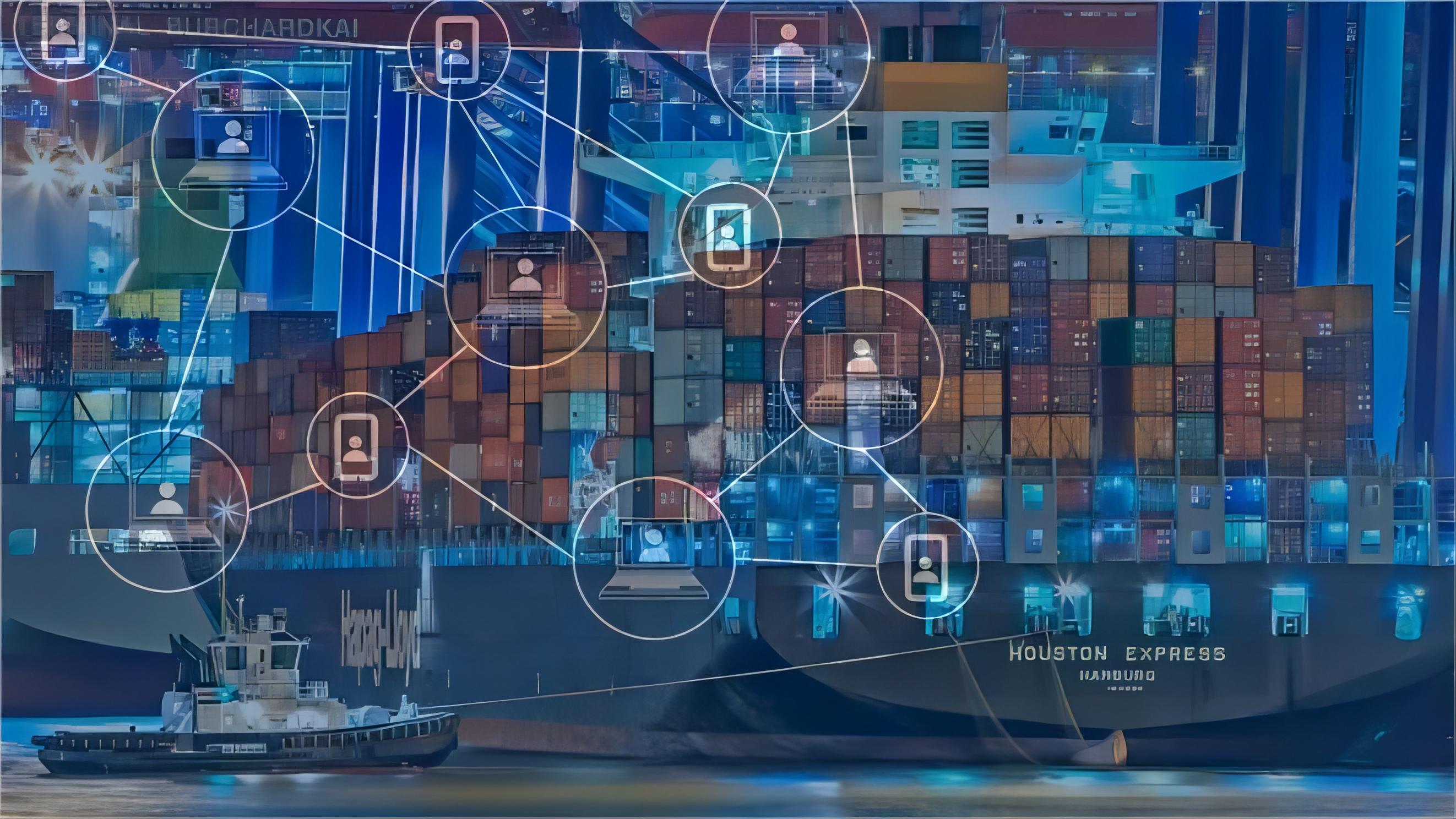
Why You Need an Australia Ecommerce Fulfillment Warehouse in 2026
The Australian digital marketplace has evolved rapidly over the last few years, demanding higher efficiency from international sellers. Consequently, relying solely on direct shipping from overseas often results in long wait times that deter potential buyers. Moreover, local storage allows you to offer next-day or two-day delivery, which has become the industry standard for 2026.
Furthermore, an Australia ecommerce fulfillment warehouse acts as a buffer against global supply chain disruptions. Indeed, having stock already on the continent ensures that your sales continue even if international shipping lanes face temporary delays. Therefore, investing in local warehousing is no longer just an option but a necessity for scaling brands.
Additionally, local fulfillment helps in managing returns more effectively, providing a seamless experience for your customers. Meanwhile, the reduction in individual shipping costs from the warehouse to the doorstep can significantly improve your profit margins over time. Without a doubt, the logistical advantages of a domestic hub are substantial for any growing ecommerce venture.
How Does Australia Ecommerce Fulfillment Warehouse Compare to Other Shipping Options?
When planning your distribution strategy, you must weigh the benefits of a local warehouse against direct-to-consumer shipping models. While direct shipping from China might seem cheaper initially, the long-tail costs of customer dissatisfaction and high individual freight rates can be prohibitive. On the other hand, bulk shipping to a central hub reduces the per-unit cost of transport.
For instance, businesses often choose between sea freight and air freight to stock their Australian facilities. Each method offers distinct advantages depending on your inventory turnover and budget constraints. To summarize, the choice depends on your specific volume, the value of the goods, and how quickly you need to replenish your stock levels.
Comparison of Shipping Methods to Australia 2026
| Shipping Method | Cost Range | Transit Time | Best For | Limitations |
|---|---|---|---|---|
| Sea Freight (FCL) | $800 – $2,000 | 12 – 18 Days | High volume stock | Longer lead time |
| Air Freight | $4 – $9 per kg | 3 – 7 Days | Urgent restock | High cost for bulk |
| Express Service | $7 – $15 per kg | 2 – 4 Days | Small samples | Very expensive |
| Direct Injection | $10 – $20 per unit | 7 – 12 Days | Low volume testing | No local presence |

What are the Alternative Strategies for Australian Fulfillment?
Beyond the traditional warehouse model, several alternative strategies exist for managing your Australian inventory. For example, some companies utilize a hybrid approach, where high-demand items are stored locally while niche products are shipped directly from China. This strategy balances storage costs with delivery speed effectively.
Another alternative is the use of transshipment hubs in Southeast Asia, which can offer lower storage fees than Australian cities like Sydney or Melbourne. However, this adds another layer of complexity to your supply chain and may increase transit times. Consequently, most established brands prefer a dedicated sea freight solution to keep their local warehouse fully stocked.
If you are dealing with smaller volumes, LCL (Less than Container Load) shipping is a viable alternative to FCL (Full Container Load). This allows you to share container space with other shippers, reducing costs for mid-sized inventory batches. Nevertheless, LCL requires careful coordination to avoid delays during the consolidation and deconsolidation phases.
Optimizing Transit Time and Shipping Costs
In the current market of 2026, freight rates have stabilized, but fuel surcharges still fluctuate based on global economic conditions. To maintain competitive pricing, it is essential to monitor these trends and adjust your shipping schedule accordingly. For instance, booking your shipments at least three weeks in advance can often secure better rates with major carriers.
If speed is your primary concern, utilizing air freight remains the most effective way to prevent stockouts during peak seasons. Although the cost is higher, the ability to capitalize on market trends quickly often justifies the investment. Indeed, many successful retailers use air transport for their initial product launches before switching to sea freight for replenishment.
Typical sea transit times from major Chinese ports like Shenzhen or Shanghai to Brisbane or Sydney range from 12 to 18 days. In contrast, air transit usually takes less than a week, including customs processing. Accordingly, your choice of method should align with your inventory turnover rate and financial goals.
Navigating Customs and Import Documentation
Importing goods into Australia requires a thorough understanding of the local customs regulations and duty structures. Failure to provide accurate documentation can lead to significant delays at the port of entry and unexpected storage fees. Therefore, many businesses partner with a professional customs brokerage to ensure full compliance.
Moreover, Australia has strict biosecurity laws that apply to various types of cargo, especially those containing organic materials or wood packaging. You must ensure that all shipments are treated and documented according to the Department of Agriculture, Fisheries and Forestry standards. Consequently, working with an experienced logistics partner is vital to avoid costly fines and cargo seizures.
Essential Customs Documents Checklist
| Document Name | Purpose | Required For | Source |
|---|---|---|---|
| Commercial Invoice | Valuation of goods | All shipments | Seller |
| Packing List | Inventory details | All shipments | Seller |
| Bill of Lading | Title of goods | Sea freight | Carrier |
| Packing Declaration | Biosecurity check | Sea freight | Supplier |
Can You Use Amazon FBA with an Australian Warehouse?
Many ecommerce sellers choose to integrate their local warehousing with the Amazon FBA program to leverage Amazon’s massive Prime customer base. By using a local 3PL (Third Party Logistics) provider as a prep center, you can inspect and relabel goods before sending them to Amazon’s fulfillment centers. This extra step helps maintain high quality control standards.
Furthermore, utilizing a separate Australia ecommerce fulfillment warehouse alongside FBA allows for multi-channel fulfillment. This means you can ship orders from your own website, eBay, or Catch.com.au using the same inventory pool. As a result, you maximize your stock utility and reduce the risk of overstocking in multiple locations.
In addition, having a local warehouse allows for easier removal of unfulfillable Amazon stock, which can be refurbished or liquidated locally. This prevents the high costs associated with shipping damaged goods back to China. Thus, a hybrid model of FBA and a private fulfillment center is often the most resilient strategy for 2026.
Which Option Should You Choose for Your Business?
Selecting the right logistics path depends on several key factors, including your budget, product type, and growth stage. If your priority is minimizing costs and you have high-volume, non-perishable goods, sea freight to a local warehouse is the standard recommendation. On the other hand, if you sell high-value electronics or fashion items with a short shelf life, air freight might be necessary.
Consider the following decision framework: For shipments over 15 CBM, FCL is almost always more economical. For smaller shipments between 1 and 10 CBM, LCL is the better choice. If you are just starting with shipping from China to Australia, consider a small air freight test batch to gauge market demand before committing to a full container.
Market data suggests that businesses using a local fulfillment center see an average 25% increase in conversion rates due to faster delivery times. To summarize, while the upfront logistics costs are higher, the long-term ROI of a localized supply chain is undeniable in the Australian market.
Real-World Logistics Case Studies
Case Study 1: Scaling Apparel Distribution
Route: Guangzhou, China to Melbourne, Australia
Cargo: Seasonal Clothing, 12 CBM, 2,400 kg
Container: LCL (Less than Container Load)
Shipping Details:
– Carrier: Major carrier via Singapore
– Port of Loading: Nansha, Guangzhou
– Port of Discharge: Port of Melbourne
– Route Type: Transshipment
Cost Breakdown:
– Ocean Freight: $1,150
– Origin Charges: $320
– Destination Charges: $450
– Customs and Duties: $1,800
– Total Landed Cost: $3,720
Timeline:
– Booking to Loading: 4 days
– Sea Transit: 16 days
– Customs Clearance: 2 days
– Total Door-to-Door: 22 days
Key Insight: Using LCL allowed the brand to restock seasonal items without the cost of a full 20GP container, maintaining healthy cash flow during Q2 2026.
Case Study 2: High-Volume Electronics Launch
Route: Shenzhen, China to Sydney, Australia
Cargo: Smart Home Devices, 28 CBM, 5,500 kg
Container: 20GP Full Container
Shipping Details:
– Carrier: COSCO Direct Service
– Port of Loading: Yantian, Shenzhen
– Port of Discharge: Port Botany, Sydney
– Route Type: Direct
Cost Breakdown:
– Ocean Freight: $1,450
– Origin Charges: $400
– Destination Charges: $600
– Customs and Duties: $4,200
– Total Landed Cost: $6,650
Timeline:
– Booking to Loading: 5 days
– Sea Transit: 14 days
– Customs Clearance: 1 day
– Total Door-to-Door: 20 days
Key Insight: Direct shipping minimized handling risks for sensitive electronics and ensured the product launch deadline was met with three days to spare.
Mastering the Australian Market with Local Fulfillment
In conclusion, the success of your ecommerce venture in Australia hinges on your ability to deliver products quickly and reliably. By utilizing an Australia ecommerce fulfillment warehouse, you effectively remove the barriers of distance and time that often hinder international sellers. This strategic move not only improves your customer experience but also provides a scalable foundation for future growth.
As we move through 2026, the integration of smart warehousing and efficient freight forwarding will remain the cornerstone of successful cross-border trade. Whether you choose sea or air freight, the key is to maintain a flexible and responsive supply chain. Take the first step toward logistics excellence by optimizing your Australian distribution strategy today.

Need a tailored shipping solution?
Ready to streamline your Australian logistics? Our team at Top China Cargo provides end-to-end support for your Australia ecommerce fulfillment warehouse needs, ensuring your goods move from factory to customer without delay. Contact us today for a personalized quote and expert guidance on your next shipment. Visit our inquiry page to get started: Send Inquiry