

Australia Freight Forwarding China Import Export Company: 2026 Guide; Top Australia Freight Forwarding China Import Expo
Finding a reliable Australia freight forwarding China import export company is the cornerstone of a successful international trade business in 2026. Navigating the complex logistics landscape between these two economic powerhouses requires specialized knowledge of customs regulations and shipping routes. By partnering with Top China Cargo, businesses can overcome common hurdles such as port congestion and fluctuating freight rates. This comprehensive guide explores the essential services and strategic advantages of professional logistics management for the Australia-China corridor.

Why Hire an Australia Freight Forwarding China Import Export Company?
Managing international shipments involves coordinating multiple parties, including carriers, port authorities, and customs officials. Specifically, an Australia freight forwarding China import export company acts as your single point of contact to streamline these interactions. They ensure that your cargo moves efficiently from Chinese manufacturing hubs to Australian distribution centers.
Moreover, the logistics industry has seen significant technological advancements as we enter 2026. Modern forwarders utilize real-time tracking and AI-driven route optimization to minimize delays. Consequently, importers can maintain leaner inventories and more predictable delivery schedules.
Additionally, regulatory compliance remains a critical factor in international trade. Australian border force requirements are stringent, and any documentation error can lead to costly storage fees. Therefore, working with experts who understand the China-Australia Free Trade Agreement (ChAFTA) is indispensable for cost reduction.
Primary Shipping Methods for the China-Australia Route
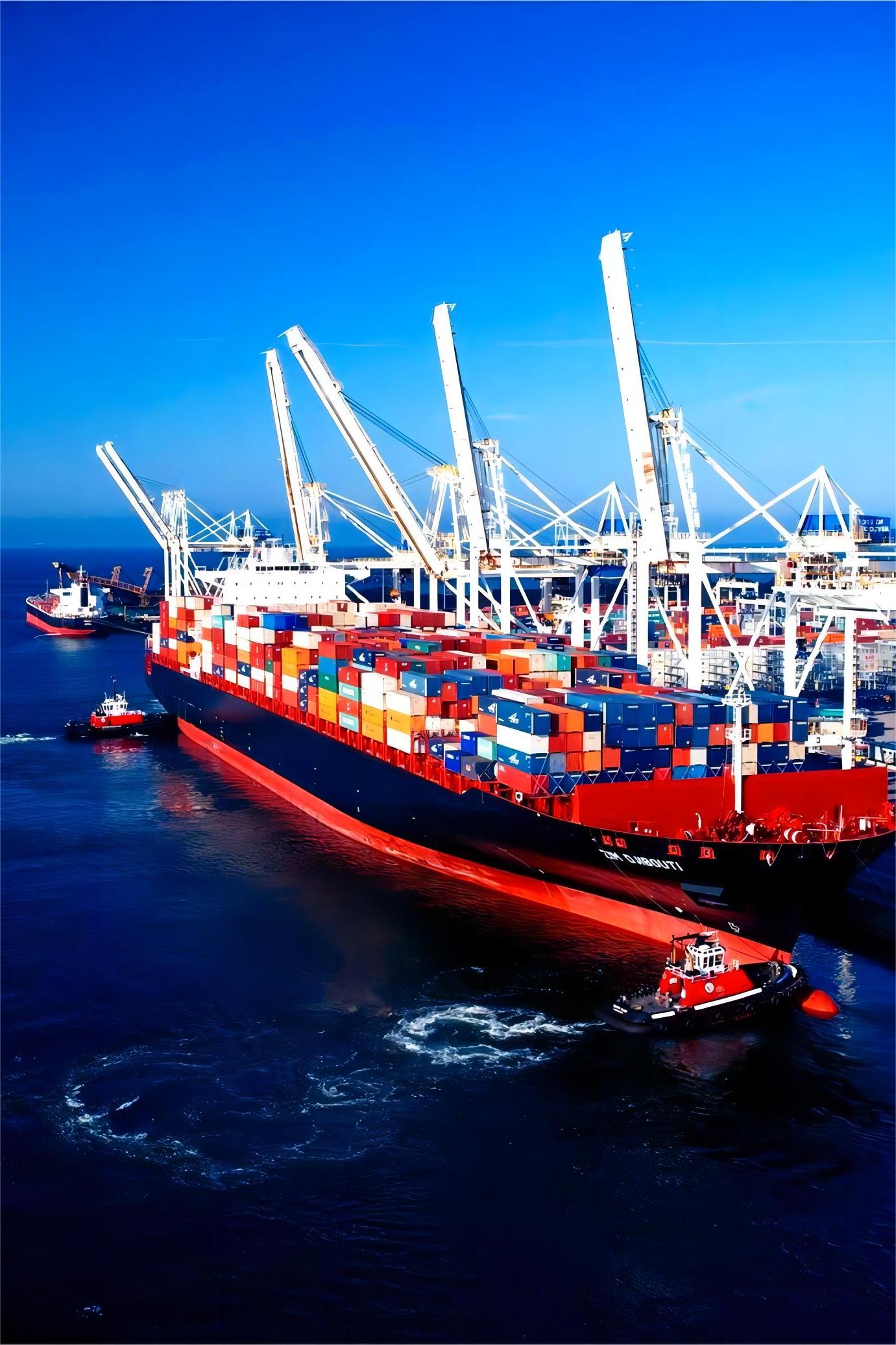
Selecting the right transportation mode depends on your budget, cargo volume, and urgency. Most businesses utilize sea freight for bulk shipments due to its unmatched cost-efficiency. For instance, large-scale machinery and furniture are almost exclusively moved via ocean carriers.
In contrast, air freight offers the fastest transit times for high-value or perishable goods. While the cost per kilogram is higher, the reduced lead time can be a competitive advantage for seasonal electronics or fashion items. Indeed, balancing these two methods is key to a robust logistics strategy.
Furthermore, many companies now adopt hybrid solutions to manage their supply chain costs. These strategies involve using air freight for urgent restocks while maintaining a steady flow of goods via sea. As a result, businesses can respond to market fluctuations without overspending on logistics.
Comparison of Shipping Methods from China to Australia (2026 Estimates)
| Method | Transit Time | Cost Level | Best For |
|---|---|---|---|
| Sea Freight (FCL) | 12-18 Days | Low | Full Containers |
| Sea Freight (LCL) | 18-25 Days | Medium | Small Volumes |
| Air Freight | 3-7 Days | High | Urgent Goods |
| Express Courier | 2-4 Days | Very High | Samples/Docs |
How Does Sea Freight Compare to Other Shipping Options?
When evaluating an Australia freight forwarding China import export company, you must compare sea freight against all viable alternatives. While rail freight is a popular choice for China-Europe routes, it is not a direct option for Australia due to geography. Consequently, the primary comparison remains between different speeds of sea and air transport.
Direct shipping routes from major Chinese ports like Shanghai or Shenzhen to Sydney often take about 14 days. On the other hand, transshipment via Singapore might save 10% on costs but adds 5-7 days to the total transit time. Businesses must weigh these savings against the potential impact on customer satisfaction.
LCL (Less than Container Load) is another alternative for smaller shipments under 15 cubic meters. Although it is more expensive per unit than FCL (Full Container Load), it prevents the need to wait for enough stock to fill a whole container. Thus, it provides much-needed flexibility for growing enterprises.
Sea Freight vs. Air Freight Analysis
| Factor | Sea Freight | Air Freight | Alternative Strategy |
|---|---|---|---|
| Average Cost | $1,200 per 20GP | $4.50 per kg | Sea-Air Hybrid |
| Capacity | Very High | Limited | Multi-modal |
| Environment | Lower Emissions | Higher Emissions | Carbon Offsetting |
Essential Customs Brokerage for Australian Imports
Navigating the legalities of importing requires a dedicated customs brokerage service. Australian authorities require precise classification of goods using the Harmonized System (HS) codes. Incorrect coding can lead to the overpayment of duties or significant fines from the government.
Moreover, quarantine regulations in Australia are among the strictest in the world. Specifically, wood packaging and certain organic materials must meet ISPM 15 standards to avoid being turned back at the port. Therefore, your freight forwarder must ensure all pre-shipment treatments and certifications are in order.
In addition, the 2026 trade environment emphasizes digital documentation. Electronic data interchange (EDI) allows for faster processing of entries before the vessel even arrives. Consequently, choosing a forwarder with advanced digital capabilities can save you 2-3 days in clearance time.
Case Study 1: Solar Panel Distribution to Brisbane
Route: Ningbo, China to Brisbane, Australia. Cargo: 150kW Solar Inverters and Panels, 68 CBM, 12,500 kg. Container: 2 x 40HQ containers. Shipping Method: Sea Freight FCL via COSCO.
Cost Breakdown: Ocean Freight $3,400, Origin Charges $450, Destination Charges $850, Customs and Duties (ChAFTA applied) $0. Total Landed Cost: $4,700. Timeline: Booking to Loading 4 days, Sea Transit 16 days, Customs Clearance 2 days. Total Door-to-Door: 22 days.
Key Insight: By utilizing ChAFTA certificates of origin, the importer saved 5 percent on import duties. Furthermore, booking three weeks in advance secured a lower rate before the Q3 peak season price hike.
Case Study 2: E-commerce Fashion Launch in Sydney
Route: Guangzhou, China to Sydney, Australia. Cargo: High-end apparel, 4 CBM, 800 kg. Shipping Method: Air Freight. Carrier: Cathay Pacific Cargo.
Cost Breakdown: Air Freight $3,600, Pickup and Documentation $200, Destination Handling $350, Customs Clearance $150. Total Landed Cost: $4,300. Timeline: Loading to Arrival 2 days, Customs Clearance 1 day, Delivery 1 day. Total Door-to-Door: 4 days.
Key Insight: Although the cost was higher than sea freight, the speed allowed the brand to hit their launch date during a major shopping festival. Consequently, the profit margin from early sales far outweighed the additional shipping expense.
Comprehensive Door to Door Logistics Solutions
For many businesses, the most efficient way to manage imports is through door to door services. This model removes the burden of managing local trucking in both the origin and destination countries. Instead, the Australia freight forwarding China import export company handles every leg of the journey.
Furthermore, this integrated approach reduces the risk of cargo damage during transfers. Since one company oversees the entire process, accountability is clear and communication is simplified. Without a doubt, this is the preferred method for small to medium enterprises that lack internal logistics departments.
Additionally, door-to-door services often include final-mile delivery to residential or commercial addresses. In the context of 2026 e-commerce, this level of service is vital for maintaining a fast supply chain. Therefore, it is worth the slight premium in service fees for the peace of mind it provides.
Pricing Trends and Container Rates for 2026
As of early 2026, freight rates from China to Australia have stabilized following the global shifts of previous years. Typical rates for a 20GP container range from $850 to $1,300, depending on the specific port of loading. Meanwhile, 40HQ containers are currently averaging between $1,500 and $2,200.
However, these prices are subject to seasonal fluctuations, particularly during the Chinese New Year and the August-October peak. It is common to see a 20% increase in rates during these high-demand periods. Consequently, savvy importers plan their shipments at least six weeks in advance to secure equipment and space.
Note: Freight rates are subject to change based on fuel costs, carrier capacity, and seasonal demand. Contact us for a current quote tailored to your specific shipment. Industry average for this route suggests that booking early is the most effective way to mitigate price volatility.
Estimated Container Shipping Rates (Q1 2026)
| Container Type | Ocean Freight Range | Transit Time | Port of Loading |
|---|---|---|---|
| 20GP | $800 – $1,200 | 12-16 Days | Shenzhen/Shanghai |
| 40GP | $1,300 – $1,800 | 14-18 Days | Ningbo/Qingdao |
| 40HQ | $1,500 – $2,100 | 14-18 Days | Major Ports |
Which Option Should You Choose for Your Business?
Deciding on the best logistics strategy requires a clear understanding of your business priorities. If your primary goal is budget conservation, sea freight remains the undisputed leader for shipping from China to Australia. Specifically, FCL shipping offers the lowest cost per unit for high-volume traders.
On the other hand, if you are dealing with time-sensitive contracts or perishable inventory, air freight is the only viable path. The speed of air transport ensures that you can meet tight deadlines and maintain high customer satisfaction levels. Indeed, most successful companies use a mix of both based on the specific cargo requirements.
Finally, consider the value-added services offered by your Australia freight forwarding China import export company. Services such as warehousing, cargo insurance, and labeling can further streamline your operations. By selecting a partner that offers a holistic solution, you can focus on growing your business while the logistics experts handle the rest.
Mastering Your China-Australia Logistics
In conclusion, choosing a professional Australia freight forwarding China import export company is essential for navigating the complexities of international trade in 2026. By understanding the various shipping methods, from sea freight to air cargo, you can make informed decisions that benefit your bottom line. Moreover, the integration of customs brokerage and door-to-door services ensures a seamless transition of goods across borders.
As market conditions continue to evolve, staying informed about pricing trends and regulatory changes will remain a priority. Partnering with an experienced logistics provider like Top China Cargo allows you to leverage industry expertise and advanced technology. Consequently, your business can achieve greater efficiency and reliability in its import and export operations between China and Australia.

Need a tailored shipping solution?
Ready to streamline your supply chain with a premier Australia freight forwarding China import export company? Contact Top China Cargo today for a personalized quote and expert guidance on your next shipment. Visit our website to learn more and send an inquiry to our team of logistics professionals.