


France Freight Forwarding China Import Export Company: 2026 Logistics Guide
Navigating the complexities of international trade requires a reliable France freight forwarding China import export company to ensure seamless cargo movement. As global trade routes evolve in 2026, businesses must prioritize efficiency and cost-effectiveness to maintain their competitive edge in the European market. By partnering with Top China Cargo, you gain access to expert logistics solutions that bridge the gap between Chinese manufacturers and French distributors. This guide explores the essential services, pricing trends, and strategic decisions necessary for successful import and export operations between these two economic powerhouses.
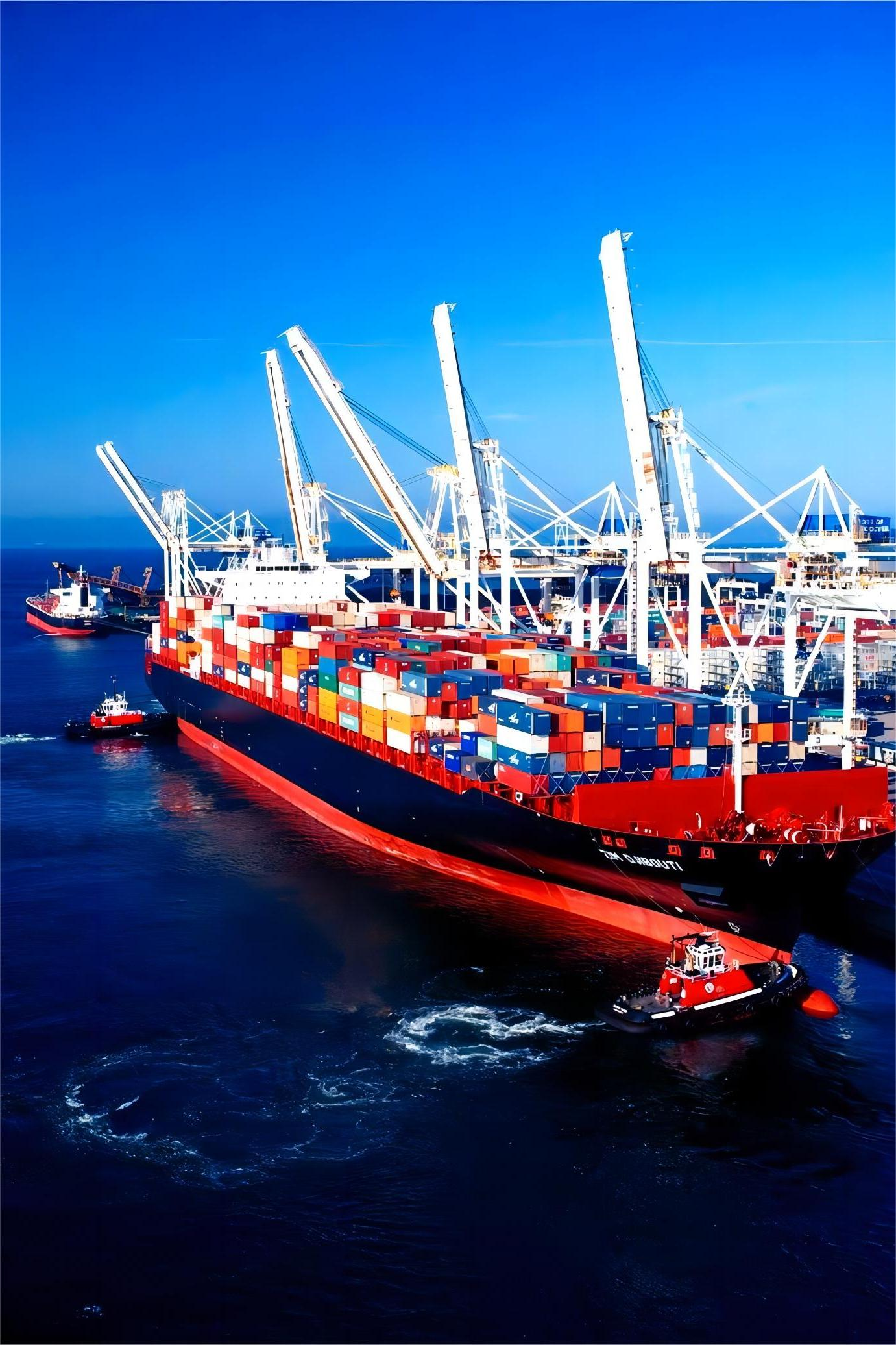
How Does a France Freight Forwarding China Import Export Company Optimize Shipping?
Managing the flow of goods across continents involves intricate planning and deep knowledge of local regulations. Consequently, a professional freight forwarder acts as an essential intermediary that simplifies the entire logistics chain for your business. They coordinate with carriers, manage documentation, and provide real-time tracking to ensure your inventory arrives on schedule.
Furthermore, these companies offer specialized knowledge regarding the shipping from China to Europe corridor. This expertise is vital for navigating the specific port requirements in Marseille, Le Havre, and Dunkirk. By leveraging their established networks, they can often secure better freight rates than individual shippers could obtain on their own.
Additionally, a dedicated forwarder provides risk mitigation strategies that protect your financial interests. They handle insurance, advise on packaging standards, and manage transshipment points to minimize the likelihood of damage or loss. Ultimately, this comprehensive support allows you to focus on core business activities like sales and product development.
What Are the Core Shipping Methods for China to France Routes?
Selecting the right transport mode is the most significant decision you will make regarding your supply chain costs. Most businesses utilize a combination of sea, air, and rail freight depending on their specific budget and timeline requirements. Each method offers unique advantages that cater to different types of cargo and urgency levels.
For large-volume shipments where cost is the primary concern, sea freight remains the industry standard. It provides the lowest cost per unit, especially for bulky items or raw materials. In contrast, air freight is the preferred choice for high-value electronics or urgent fashion inventory that must reach the market within days.
Moreover, rail freight has emerged as a powerful middle-ground solution in 2026. It offers faster transit times than sea transport while remaining significantly cheaper than air shipping. This method is particularly effective for shipments originating in inland Chinese cities like Chengdu or Xi’an.
| Shipping Method | Cost Range | Transit Time | Best For |
|---|---|---|---|
| Sea Freight (FCL) | $3,000 – $4,500 | 30-40 Days | Bulk Goods |
| Air Freight | $5.50 – $9.00/kg | 5-8 Days | High Value |
| Rail Freight | $1.80 – $2.50/kg | 18-24 Days | E-commerce |
| Express Service | $9.00 – $14.00/kg | 3-5 Days | Samples |
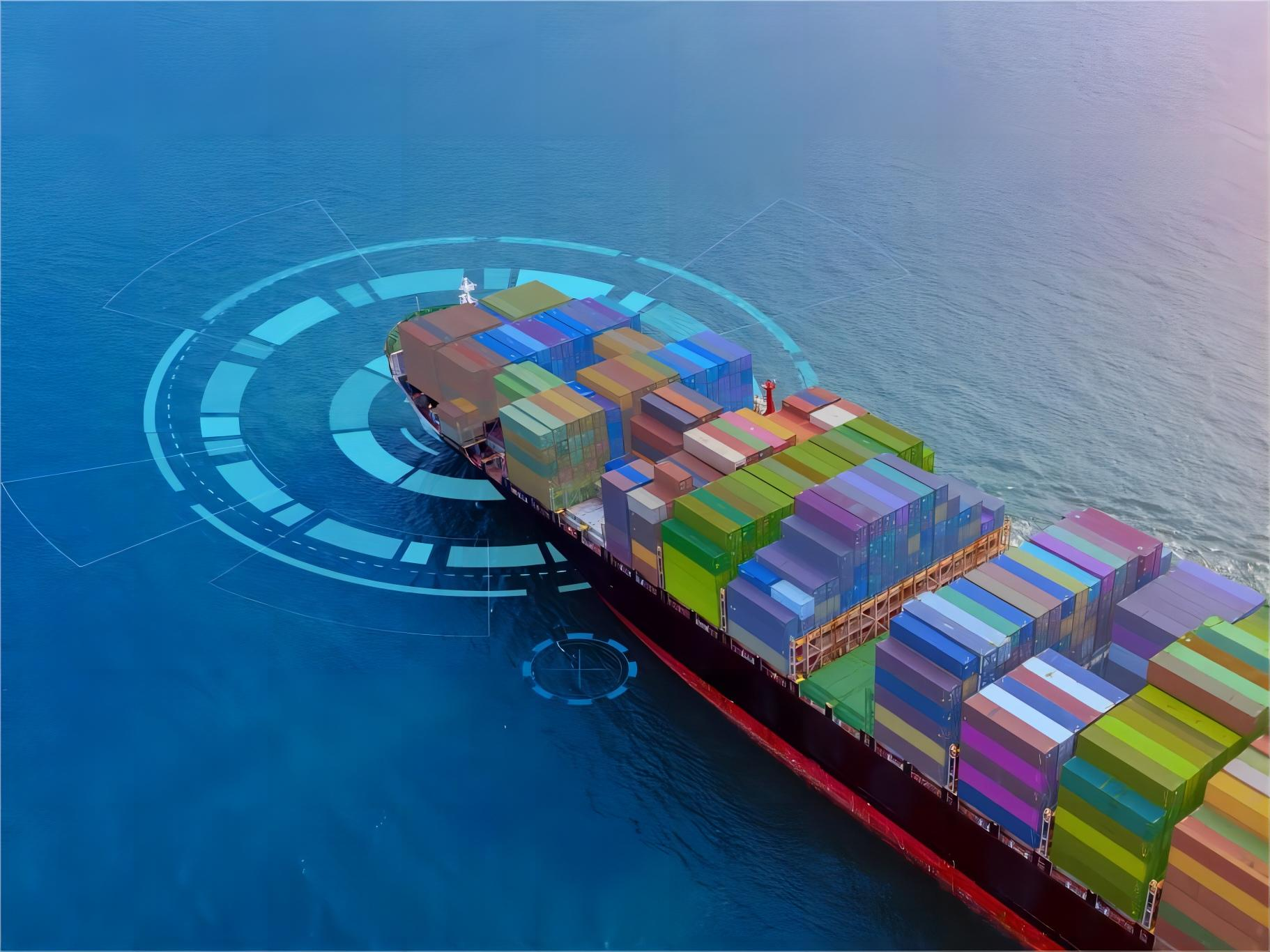
How Does Sea Freight Compare to Other Shipping Options?
Objective analysis shows that sea freight is the backbone of the China-France trade route due to its massive capacity. While sea freight costs roughly $3,000-$4,200 for a 40HQ container in early 2026, air freight for the same volume would be prohibitively expensive. However, the longer transit time requires businesses to maintain higher inventory levels to avoid stockouts.
In contrast, rail freight serves as a strategic alternative for businesses that cannot wait 40 days but cannot justify air costs. Rail transit from China to France typically takes 20 days, effectively cutting the sea transit time in half. This hybrid approach is increasingly popular for automotive parts and machinery components.
Furthermore, LCL (Less than Container Load) shipping offers a cost-saving strategy for smaller businesses. If your cargo volume is under 15 CBM, paying for a portion of a container is often more economical than booking a full 20GP container. Consequently, choosing between FCL and LCL depends entirely on your specific volume thresholds and budget priorities.
| Method | Transit Speed | Cost Efficiency | Limitations |
|---|---|---|---|
| Direct Sea | Slow | Highest | High Inventory |
| Sea-Air Hybrid | Moderate | Medium | Complex Handling |
| Rail Freight | Moderate | High | Geographic Limits |
| Direct Air | Fastest | Low | Weight Limits |
What Real-World Results Can You Expect? Case Studies
Examining real-world scenarios helps clarify the actual costs and timelines involved in modern logistics. These cases reflect the market conditions of 2025 and 2026, accounting for current fuel surcharges and port efficiency levels. Each study illustrates how a France freight forwarding China import export company manages specific challenges.
Case Study 1: Electronics from Shenzhen to Marseille. A French retailer imported 25 CBM of consumer electronics via Sea Freight FCL. The total ocean freight was $3,850, with origin and destination charges totaling $950. The shipment took 34 days door-to-door, including 3 days for customs clearance. Key Insight: Early booking saved 15% on peak season surcharges.
Case Study 2: Fashion Apparel from Guangzhou to Paris. A boutique brand utilized Air Freight for 450kg of seasonal clothing. The total landed cost was $3,200, with a transit time of only 6 days. Key Insight: Using a consolidated air service reduced costs by 20% compared to direct express couriers.
Case Study 3: Industrial Parts from Wuhan to Lyon. A manufacturing firm used Rail Freight for 8 CBM of machinery parts. The cost was $1,900 with a transit time of 21 days. Key Insight: Rail provided the perfect balance between the slow sea route and the expensive air route for mid-sized industrial cargo.
Why Should You Use a Professional Customs Brokerage Service?
Navigating French customs requires precision and a deep understanding of the Integrated Tariff of the European Communities (TARIC). Consequently, an experienced customs brokerage service is indispensable for preventing costly delays and penalties. They ensure that all HS codes are correctly classified and that VAT and duties are calculated accurately.
Moreover, the regulatory environment in 2026 has introduced stricter environmental compliance standards for imports. Your forwarder must verify that all products meet EU safety and sustainability certifications before they arrive at the port. Failure to provide correct documentation can lead to cargo seizure or significant fines from French authorities.
In addition, professional brokers manage the communication with customs officials during inspections. They provide the necessary paperwork, such as the Bill of Lading, Commercial Invoice, and Packing List, in the required format. This proactive management significantly reduces the time your cargo spends sitting in a bonded warehouse.
How Can Door to Door Services Improve Your Efficiency?
Many businesses are now opting for door to door solutions to eliminate the hassle of managing multiple logistics providers. This service covers every step of the journey, from the factory floor in China to your warehouse in France. It provides a single point of accountability and a unified invoice for all shipping expenses.
Additionally, this model simplifies the tracking process, as you only need to monitor one shipment reference. Your forwarder handles the trucking at both ends, the international transit, and the final delivery schedule. This is particularly beneficial for e-commerce sellers who need to maintain strict delivery windows for their customers.
Indeed, the convenience of a turnkey solution often outweighs the minor premium in service fees. By reducing the administrative burden on your staff, you can allocate more resources to marketing and customer service. As a result, door-to-door logistics has become the preferred choice for small and medium-sized enterprises in the import-export sector.
What Are the Current 2026 Freight Rates for China to France?
Freight rates in early 2026 have stabilized following the disruptions of previous years, yet they remain sensitive to global energy prices. Currently, a 20GP container from Shanghai to Le Havre ranges between $1,900 and $2,600 depending on the carrier. Meanwhile, 40HQ containers are averaging between $3,200 and $4,500 during the standard shipping season.
However, it is important to note that rates typically increase by 15-25% during the peak season from August to October. Businesses should plan their inventory cycles accordingly to avoid these higher costs. Furthermore, fuel surcharges are updated monthly and can impact the final price of your shipment significantly.
Note: Freight rates are subject to change based on fuel costs, carrier capacity, and seasonal demand. Contact us for a current quote tailored to your specific shipment. Market data suggests that booking at least 3-4 weeks in advance is the best strategy for securing the most competitive rates in the current market.
| Document Name | Required By | Purpose | Format |
|---|---|---|---|
| Commercial Invoice | Customs | Value Declaration | Digital/Paper |
| Packing List | Port Authority | Cargo Verification | Digital/Paper |
| Bill of Lading | Carrier | Title of Goods | Original/Telex |
| Certificate of Origin | Customs | Duty Calculation | Official Form |
Mastering Your China-France Logistics Strategy
Successfully managing international trade requires a strategic partnership with a professional France freight forwarding China import export company. By understanding the nuances of sea, air, and rail freight, you can balance speed and cost to meet your specific business objectives. In 2026, the key to success lies in proactive planning, accurate documentation, and leveraging the expertise of seasoned logistics professionals.
Whether you are importing bulk raw materials or high-value consumer goods, the right shipping strategy will safeguard your margins and ensure customer satisfaction. Remember to monitor market trends closely and maintain flexibility in your transport modes. With the right support, your import-export operations can become a significant driver of growth in the competitive French market.
Get Your Shipping Quote Today
Streamline your international supply chain with a trusted France freight forwarding China import export company. Contact our expert team today to receive a customized quote and optimize your shipping strategy for 2026. Send Inquiry
Request Quote