
Germany Import Logistics China Freight Forwarding Service: 5 Best Options for 2026; Top China-Germany Logistics Solution
Navigating the complexities of international trade requires a robust Germany import logistics China freight forwarding service to ensure your cargo arrives safely and on time. Businesses often face significant hurdles regarding fluctuating freight rates, complex customs regulations, and choosing the most efficient transport mode. Therefore, this comprehensive guide provides the strategic insights needed to streamline your 2026 supply chain operations. We will explore how to minimize costs while maximizing delivery speed across all major shipping corridors between China and Germany.
What is the Current State of Germany Import Logistics China Freight Forwarding Service in 2026?
Global trade dynamics have evolved rapidly as we enter 2026, making efficient logistics more critical than ever for European importers. Consequently, the demand for a specialized Germany import logistics China freight forwarding service has surged among German SMEs and large corporations alike. Most businesses now prioritize resilience and transparency in their supply chains to combat potential disruptions in traditional maritime routes.
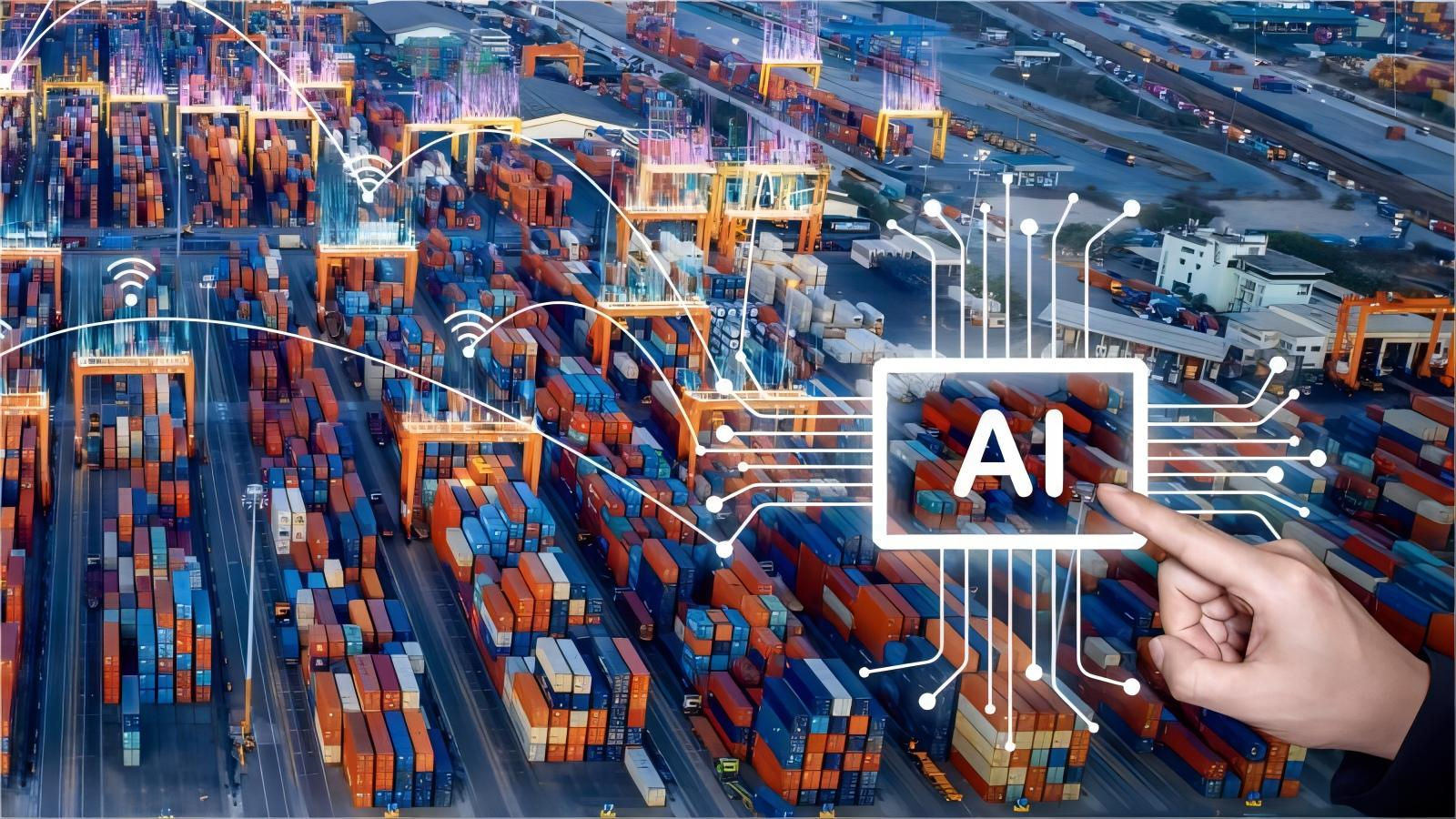
Technological advancements in tracking and AI-driven route optimization have become standard features for top-tier forwarders this year. Meanwhile, the focus on sustainable shipping practices is driving a shift toward rail and more eco-friendly sea freight options. Indeed, understanding these market shifts is the first step toward securing a competitive advantage in the German market.
Furthermore, the integration of digital documentation has significantly reduced the time spent at border crossings. Nevertheless, the physical movement of goods still requires expert handling to navigate the busy ports of Shanghai, Ningbo, and Hamburg. Choosing the right partner ensures that your cargo benefits from the latest logistics trends and infrastructure improvements.
How to Choose Between Sea, Air, and Rail Freight?
Selecting the appropriate transport mode is a pivotal decision that impacts both your budget and your delivery schedule. For instance, sea freight remains the backbone of global trade, offering the lowest cost per unit for high-volume shipments. However, it also entails the longest transit times, which might not suit time-sensitive inventory.
Alternatively, air freight provides unparalleled speed for high-value electronics or urgent replenishment stock. While the cost is significantly higher, the reduced transit time can often justify the expense by preventing stockouts. Many businesses utilize a mix of these services to balance cost and speed effectively.
Moreover, the Iron Silk Road has made rail freight a highly attractive middle-ground solution for transcontinental trade. It offers faster delivery than sea freight at a fraction of the cost of air transport. This mode has become particularly popular for automotive parts and industrial machinery moving toward German manufacturing hubs.
| Shipping Method | Average Cost (USD) | Transit Time | Best For |
|---|---|---|---|
| Sea Freight (FCL 40HQ) | $3,200 – $4,500 | 30 – 40 Days | Bulk Goods / Low Cost |
| Rail Freight (FCL 40HQ) | $4,800 – $6,500 | 18 – 22 Days | Mid-range Budget / Speed |
| Air Freight (per kg) | $4.50 – $7.50 | 3 – 7 Days | High Value / Urgent |
| Express Service | $8.00 – $12.00 | 2 – 4 Days | Samples / Small Parcels |
How Does Sea Freight Compare to Other Shipping Options?
Evaluating sea freight against alternatives requires a deep dive into the total landed cost and inventory carrying costs. While sea freight costs $3,000-$4,200 for a 40HQ, air freight for the same volume would cost $15,000-$25,000 but arrives in 5-7 days instead of 30-40 days. Therefore, the choice often depends on the urgency of the market demand and the profit margins of the products.
For shipments under 15 CBM, LCL at $50-80/CBM may be more economical than booking a full container. Additionally, direct routes from Shanghai to Hamburg cost 10-15% more but save 5-7 days compared to transshipment via Singapore or Port Klang. Importers must weigh these trade-offs carefully to optimize their 2026 logistics strategy.
Hybrid solutions like sea-air combinations are also gaining traction as a way to bypass port congestion while keeping costs manageable. By shipping via sea to a hub like Dubai and then flying the goods to Frankfurt, companies can save time without the full expense of direct air freight.
| Shipping Method | Cost Range | Transit Time | Limitations |
|---|---|---|---|
| Direct Sea Freight | Low | 28-35 Days | Port Congestion Risks |
| Transshipment Sea | Very Low | 38-45 Days | Higher Risk of Damage |
| Standard Rail | Medium | 18-22 Days | Limited to Rail Terminals |
| Sea-Air Hybrid | Medium-High | 12-18 Days | Complex Documentation |
Navigating Customs Clearance and Documentation in Germany
Successful importation into the European Union hinges on meticulous preparation of all required legal documents. Consequently, utilizing a professional customs brokerage service is essential to avoid costly delays at the border. German customs authorities are known for their precision and strict adherence to EU regulations.
Importers must ensure they have a valid EORI number and that all HS codes are accurately declared on the commercial invoice. Furthermore, the 2026 regulations have introduced stricter environmental reporting requirements for certain categories of goods. Failure to comply with these updates can result in significant fines or cargo seizure.
Documentation such as the Bill of Lading, Packing List, and Certificate of Origin must be consistent across all platforms. In addition, specific products like toys or electronics require CE marking and relevant conformity certificates. Working with an experienced freight forwarder simplifies this process by ensuring every detail is checked before the cargo leaves China.
| Document Name | Purpose | Source | Requirement |
|---|---|---|---|
| Commercial Invoice | Valuation and Tax Calculation | Exporter | Mandatory |
| Packing List | Inventory Verification | Exporter | Mandatory |
| Bill of Lading | Proof of Carriage | Carrier | Mandatory |
| EORI Number | EU Trader Identification | Importer | Mandatory |
Case Study 1: Electronics Shipment from Shenzhen to Hamburg
Route: Shenzhen, China to Hamburg, Germany. Cargo: Consumer Electronics, 28 CBM, 4,500 kg. Container: 40GP. Shipping Details: Carrier: COSCO. Port of Loading: Shenzhen. Port of Discharge: Hamburg. Route Type: Direct.
Cost Breakdown: Ocean Freight: $3,150. Origin Charges: $450. Destination Charges: $620. Customs and Duties: $1,200. Total Landed Cost: $5,420. Timeline: Booking to Loading: 4 days. Sea Transit: 32 days. Customs Clearance: 2 days. Total Door-to-Door: 38 days.
Key Insight: This shipment was successful because the importer used a direct route to avoid transshipment delays during the Q1 2026 peak season. Based on early 2026 market rates, securing space three weeks in advance saved the client approximately 15% on freight costs.
Case Study 2: Industrial Machinery via Rail Freight to Duisburg
Route: Xi’an, China to Duisburg, Germany. Cargo: Industrial Spare Parts, 12 CBM, 2,800 kg. Container: LCL. Shipping Details: Service: China-Europe Railway Express. Port of Loading: Xi’an Inland Terminal. Port of Discharge: Duisburg Terminal. Route Type: Direct Rail.
Cost Breakdown: Rail Freight: $2,400. Origin Charges: $300. Destination Charges: $450. Customs and Duties: $850. Total Landed Cost: $4,000. Timeline: Booking to Loading: 3 days. Rail Transit: 19 days. Customs Clearance: 1 day. Total Door-to-Door: 23 days.
Key Insight: Rail freight provided the perfect balance of speed and cost for this machinery supplier. Typical rates as of early 2026 show that rail remains 60% cheaper than air while being twice as fast as sea freight for inland destinations like Duisburg.
Which Option Should You Choose? A Decision Framework
Deciding on the best logistics strategy depends on your specific business priorities and the nature of your goods. If your primary goal is budget priority, we recommend sea freight, specifically FCL for shipments over 15 CBM. This method offers the most stability for long-term planning despite the longer lead times.
For speed priority, air freight is the only viable option for getting products from China to Germany in under a week. However, if you need a reliable middle ground, rail freight is the recommended choice for 2026. It bypasses sea port congestion and provides a more predictable schedule for manufacturing components.
Cargo type considerations also play a major role in the selection process. Perishable goods or high-fashion items often require the controlled environment and speed of air transport. Conversely, heavy industrial equipment or raw materials are best suited for the heavy-lift capacity of ocean vessels.
The Benefits of Door to Door Logistics Solutions
Managing multiple vendors can lead to communication breakdowns and unexpected costs in the supply chain. Therefore, many importers prefer a door to door service to simplify their operations. This comprehensive solution covers everything from factory pickup in China to final delivery at your warehouse in Germany.
By consolidating all services under one provider, you gain better visibility and a single point of accountability. Additionally, this approach often leads to better overall rates as the forwarder can optimize the entire journey. Indeed, the convenience of having a single invoice for the whole process is invaluable for busy logistics managers.
Furthermore, door-to-door services include integrated insurance and tracking, providing peace of mind throughout the transit. Meanwhile, the forwarder handles all local drayage and terminal fees, preventing the hidden costs that often plague unmanaged shipments. It is the most efficient way to handle a Germany import logistics China freight forwarding service in today’s fast-paced market.
Mastering Your China to Germany Logistics Strategy
In conclusion, successfully managing a Germany import logistics China freight forwarding service requires a blend of strategic planning and expert execution. By understanding the nuances between sea, air, and rail freight, you can make informed decisions that protect your margins and satisfy your customers. Remember that the lowest price is not always the best value if it leads to delays or damaged goods.
As we move through 2026, staying adaptable to market trends and regulatory changes will be the hallmark of successful importers. Partnering with a reliable forwarder like Top China Cargo ensures that you have the support needed to navigate these challenges. Start optimizing your logistics today to build a more resilient and efficient bridge between China and Germany.
Get Your Shipping Quote Today
Streamline your supply chain today with a premier Germany import logistics China freight forwarding service that delivers results. Our team at Top China Cargo provides tailored solutions to meet your specific budget and timeline requirements. Contact us now to receive a competitive quote and expert advice for your 2026 shipments. Visit https://topchinacargo.com/ to start your inquiry and secure your cargo space.