


China New Zealand Cargo Tracking Service: A Comprehensive 2026 Logistics Guide
Managing international logistics requires precision and constant visibility to ensure business continuity. Utilizing a professional China New Zealand cargo tracking service allows importers to monitor their goods across the Pacific with ease. Consequently, businesses can mitigate risks associated with delays and improve their overall supply chain efficiency. Visit Top China Cargo to discover how our integrated logistics solutions provide peace of mind for every shipment.

Why is a China New Zealand Cargo Tracking Service Essential for Your Business?
Modern supply chains rely heavily on data accuracy and timely information. Therefore, having access to a robust China New Zealand cargo tracking service is no longer optional for serious importers. Furthermore, real-time updates help you manage inventory levels and customer expectations more effectively. Indeed, knowing the exact location of your container allows for better planning at the destination port.
Moreover, the complexity of transshipment hubs can often lead to confusion without proper monitoring. Consequently, automated tracking systems provide the transparency needed to identify potential bottlenecks before they become critical issues. In addition, these services offer historical data that can be used to optimize future shipping routes. Without a doubt, visibility is the cornerstone of successful international trade in 2026.
Transitioning to a digital tracking environment reduces the administrative burden on your logistics team. For example, manual inquiries to carriers can take hours, whereas a dedicated tracking service provides answers in seconds. Meanwhile, your staff can focus on high-value tasks like market expansion and product development. Accordingly, investing in tracking technology yields a high return on investment through improved operational speed.
How Does Sea Freight Tracking Work for New Zealand Shipments?
Shipping goods via the ocean remains the most cost-effective method for large volumes. If you choose sea freight, tracking usually involves Bill of Lading (BOL) or container numbers. Additionally, most major carriers provide GPS-enabled tracking for high-value containers. This technology ensures that you can see the vessel’s progress across the ocean in real-time.
However, port congestion in places like Auckland or Tauranga can occasionally impact the delivery schedule. By using a China New Zealand cargo tracking service, you receive alerts regarding any changes in the Estimated Time of Arrival (ETA). Consequently, you can reschedule inland transportation and warehouse labor accordingly. Furthermore, tracking helps in verifying that the carrier adheres to the planned maritime route.
In contrast to air freight, sea transit times are longer, making consistent monitoring even more vital. For instance, a shipment from Shanghai to Auckland typically takes 14 to 20 days. During this period, multiple status updates are generated as the ship passes through various checkpoints. Nevertheless, having a centralized platform to view these updates simplifies the entire process for the importer.
| Origin Port | Destination Port | Average Transit | Tracking Frequency |
|---|---|---|---|
| Shanghai | Auckland | 15-18 Days | Daily Updates |
| Shenzhen | Tauranga | 14-17 Days | Real-time GPS |
| Ningbo | Lyttelton | 18-22 Days | Daily Updates |
| Qingdao | Wellington | 20-24 Days | Daily Updates |
What are the Benefits of Air Freight Tracking for Urgent Cargo?
When speed is the priority, air freight offers the fastest transit times between China and New Zealand. Tracking for air cargo is highly detailed, often providing updates at every stage of the flight. For example, you can see when the cargo is accepted at the terminal, loaded onto the aircraft, and when it departs. This level of granularity is essential for time-sensitive electronics or perishable goods.
Additionally, air cargo tracking systems integrate directly with airline databases to provide instantaneous status changes. Therefore, any flight delays or rerouting are immediately visible to the cargo owner. Moreover, the China New Zealand cargo tracking service for air shipments usually includes customs clearance status. Consequently, you can prepare the necessary documentation before the plane even touches down in Auckland.
Indeed, the higher cost of air transport justifies the need for premium tracking features. As a result, many businesses use these services to maintain a competitive edge in the fast-paced retail market. On the other hand, tracking also helps in coordinating the final mile delivery from the airport to the warehouse. To summarize, air freight tracking provides the ultimate transparency for your most valuable shipments.

How Does Express Service Tracking Differ from Standard Freight?
For smaller parcels and samples, an express service is often the best choice. This method includes a door-to-door tracking experience that is incredibly user-friendly. Furthermore, express carriers like DHL or FedEx provide mobile app notifications for every delivery milestone. Consequently, you are always informed about the location of your package, whether it is in a sorting facility or on a delivery truck.
In addition, express tracking often includes a signature verification feature upon delivery. This ensures that the goods have reached the intended recipient safely and securely. Meanwhile, the China New Zealand cargo tracking service for express shipments handles all customs formalities automatically. Therefore, the tracking status will show when the duties have been paid and the shipment is released. Indeed, this seamless integration makes express shipping a favorite for e-commerce businesses.
Moreover, the speed of express shipping means that tracking updates occur every few hours. This rapid feedback loop allows for quick intervention if an address error or delivery attempt failure occurs. Consequently, businesses can resolve issues immediately, ensuring that the delivery schedule remains on track. Without a doubt, express tracking offers the highest level of convenience for small-scale imports.
How Does Sea Freight Compare to Other Shipping Options?
Choosing the right shipping method involves balancing cost, speed, and reliability. While sea freight is the standard for bulk goods, air and express services offer significant advantages for smaller loads. For instance, sea freight costs are significantly lower per cubic meter than air freight. However, the transit time for sea freight is much longer, requiring better inventory management.
Additionally, a China New Zealand cargo tracking service must be tailored to the specific method chosen. For example, sea freight tracking focuses on vessel movements, while air tracking focuses on flight schedules. Moreover, hybrid solutions like sea-air combinations are becoming more popular in 2026 to balance costs. These alternative strategies allow businesses to save money while still maintaining a reasonable delivery timeline.
In contrast, for shipments under 15 CBM, LCL (Less than Container Load) sea freight is often the most economical choice. Nevertheless, if the cargo is extremely urgent, the high cost of air freight may be justified. Consequently, understanding the trade-offs between each method is essential for optimizing your logistics budget. To summarize, the best option depends on your specific cargo type and required arrival date.
| Shipping Method | Cost Range | Transit Time | Best For | Limitations |
|---|---|---|---|---|
| Sea Freight (FCL) | $1,200 – $2,200 | 14-25 Days | Bulk Goods | Slower speed |
| Air Freight | $4.50 – $8.00/kg | 3-7 Days | High Value | High Cost |
| Express Service | $7.00 – $12.00/kg | 2-5 Days | Small Parcels | Weight limits |
| Sea Freight (LCL) | $80 – $150/CBM | 18-28 Days | Small Cargo | Handling risks |
Which Option Should You Choose? A Decision Framework
Budget priority: If your primary goal is to minimize costs, recommend sea freight (FCL or LCL). This method provides the lowest rates for non-urgent shipments. However, ensure you use a China New Zealand cargo tracking service to monitor the longer transit times. Consequently, you can manage your stock levels without over-ordering.
Speed priority: For urgent shipments that need to arrive within a week, recommend air freight or express service. These options provide the fastest transit times and most detailed tracking. Moreover, they are ideal for high-margin products where time-to-market is critical. Nevertheless, be prepared for the higher shipping rates associated with these methods.
Cargo type considerations: Perishable goods or hazardous materials often require specialized air freight handling. In contrast, heavy machinery and raw materials are best suited for sea containers. Additionally, for shipments between 1 and 10 CBM, consider LCL sea freight as a cost-effective alternative to air. Without a doubt, the nature of your cargo dictates the most efficient logistics strategy.
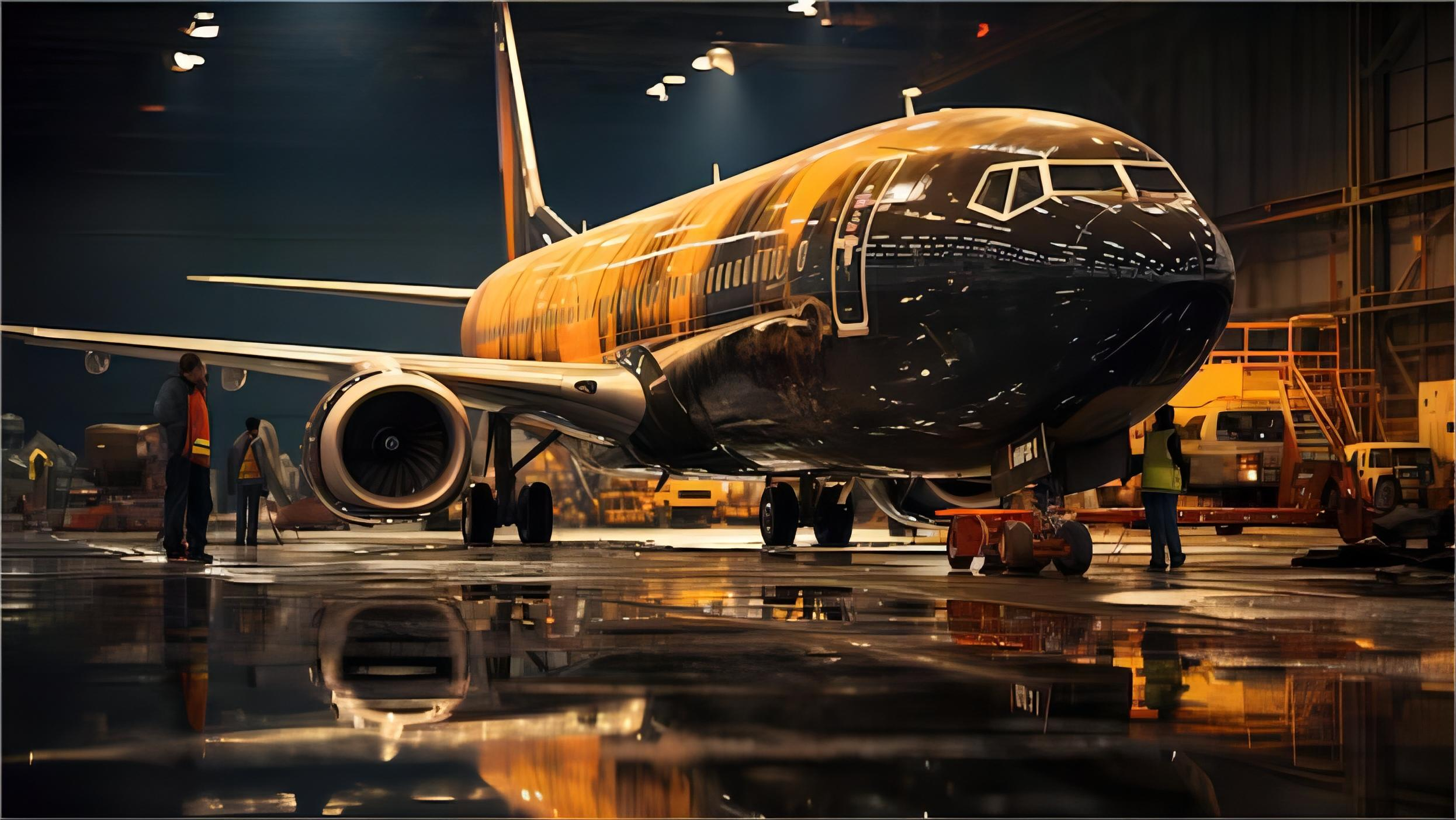
Real-World Case Studies: Successful Shipments to New Zealand
Case Study 1: Electronics Distribution from Shenzhen to Auckland. Route: Shenzhen Port to Auckland Port. Cargo: Consumer electronics, 28 CBM, 5,400 kg. Container: 40GP. Shipping Details: Carrier: COSCO. Port of Loading: Shenzhen. Port of Discharge: Auckland. Route Type: Direct. Cost Breakdown: Ocean Freight: $1,850. Origin Charges: $320. Destination Charges: $450. Customs and Duties: $1,200. Total Landed Cost: $3,820. Timeline: Booking to Loading: 3 days. Sea Transit: 15 days. Customs Clearance: 2 days. Total Door-to-Door: 20 days. Key Insight: Real-time tracking allowed the client to pre-sell inventory before the ship docked.
Case Study 2: Urgent Spare Parts from Shanghai to Christchurch. Route: Shanghai Pudong to Christchurch Airport. Cargo: Industrial machinery parts, 0.5 CBM, 120 kg. Shipping Method: Air Freight. Shipping Details: Carrier: Air New Zealand. Port of Loading: Shanghai. Port of Discharge: Christchurch. Route Type: Direct. Cost Breakdown: Air Freight: $780. Origin Charges: $150. Destination Charges: $200. Customs and Duties: $450. Total Landed Cost: $1,580. Timeline: Booking to Loading: 1 day. Air Transit: 2 days. Customs Clearance: 1 day. Total Door-to-Door: 4 days. Key Insight: Utilizing an express air service prevented a factory shutdown in New Zealand.
Case Study 3: Furniture Import from Ningbo to Wellington. Route: Ningbo Port to Wellington Port. Cargo: Home furniture, 8 CBM, 1,200 kg. Shipping Method: Sea Freight LCL. Shipping Details: Carrier: Major LCL Consolidator. Port of Loading: Ningbo. Port of Discharge: Wellington. Route Type: Transshipment via Singapore. Cost Breakdown: Ocean Freight: $960. Origin Charges: $210. Destination Charges: $380. Customs and Duties: $850. Total Landed Cost: $2,400. Timeline: Booking to Loading: 4 days. Sea Transit: 24 days. Customs Clearance: 3 days. Total Door-to-Door: 31 days. Key Insight: Despite a transshipment delay, the China New Zealand cargo tracking service kept the customer informed.
What are the Customs and Documentation Requirements?
Navigating the customs landscape is a critical part of the shipping process. Therefore, you must ensure that all documentation is accurate to avoid delays. Common documents include the Commercial Invoice, Packing List, and Bill of Lading. Furthermore, for shipments to New Zealand, a door to door service often includes customs brokerage to simplify the process.
In addition, New Zealand has strict biosecurity regulations that must be followed. For example, wooden packaging must be treated and stamped according to ISPM 15 standards. Consequently, failure to comply can result in expensive fumigation fees or cargo rejection. Meanwhile, your China New Zealand cargo tracking service will show if your shipment has been flagged for a biosecurity inspection. Accordingly, proactive compliance is the best way to ensure a smooth delivery.
Moreover, understanding the Free Trade Agreement (FTA) between China and New Zealand can save you significant amounts in duties. Indeed, providing a valid Certificate of Origin allows you to claim preferential tariff rates. Therefore, it is essential to work with a freight forwarder who understands these regulations. To summarize, proper documentation is the foundation of a successful import operation.
| Document Name | Purpose | Required For | Source |
|---|---|---|---|
| Commercial Invoice | Value Declaration | All Shipments | Seller |
| Packing List | Content Detail | All Shipments | Seller |
| Bill of Lading | Title of Goods | Sea Freight | Carrier |
| Certificate of Origin | Duty Reduction | FTA Shipments | Manufacturer |
Market Intelligence: 2026 Shipping Trends and Data
As of Q1 2026, freight rates from China to New Zealand have stabilized following the global logistics shifts of previous years. According to industry benchmarks, container availability in major Chinese ports like Ningbo and Shanghai remains high. However, seasonal peaks during the pre-Christmas period can still cause rates to increase by 15-25%. Therefore, booking your shipments at least 3-4 weeks in advance is recommended during these times.
Additionally, the adoption of blockchain in a China New Zealand cargo tracking service has significantly improved data security. Consequently, importers can trust that the tracking information they receive is tamper-proof and accurate. Moreover, green shipping initiatives are leading to the introduction of carbon-neutral freight options. Indeed, many businesses are now choosing carriers based on their environmental performance as part of their CSR goals.
Typical rates as of early 2026 suggest that ocean freight for a 20GP container ranges from $1,100 to $1,500. Meanwhile, air freight rates are hovering around $5.00 per kilogram for standard shipments. Nevertheless, these prices are subject to change based on fuel surcharges and carrier capacity. Note: Freight rates are subject to change based on fuel costs, carrier capacity, and seasonal demand. Contact us for a current quote tailored to your specific shipment.
Mastering Your Logistics with Reliable Tracking
Successfully importing goods requires more than just moving items from point A to point B. It requires a comprehensive China New Zealand cargo tracking service that provides transparency at every step. Throughout this guide, we have explored the various shipping methods, costs, and the importance of real-time data. Consequently, you are now better equipped to make informed decisions for your business.
Moreover, the integration of advanced tracking technology and expert customs brokerage ensures that your cargo arrives safely and on time. By staying informed about market trends and utilizing professional services, you can overcome the challenges of international trade. Therefore, prioritize visibility and reliability in your logistics strategy for 2026 and beyond. In conclusion, the right tracking partner is the key to a seamless China to New Zealand shipping experience.

Get Your Shipping Quote Today
Take control of your supply chain today by choosing a reliable China New Zealand cargo tracking service. Our team of experts is ready to provide you with a customized quote and real-time visibility for your next shipment. Visit our website to learn more and start shipping with confidence. Send Inquiry: https://topchinacargo.com/contact-us/
Request Quote