


40hc shipping cost china australia: 2026 Freight Rate Guide
Navigating the complexities of international trade requires a clear understanding of the 40hc shipping cost china australia to maintain healthy profit margins. Top China Cargo provides the expertise needed to streamline your supply chain and reduce overhead expenses. Consequently, businesses must stay informed about current market fluctuations and logistics trends to make competitive decisions.
What is the Average 40hc shipping cost china australia in 2026?
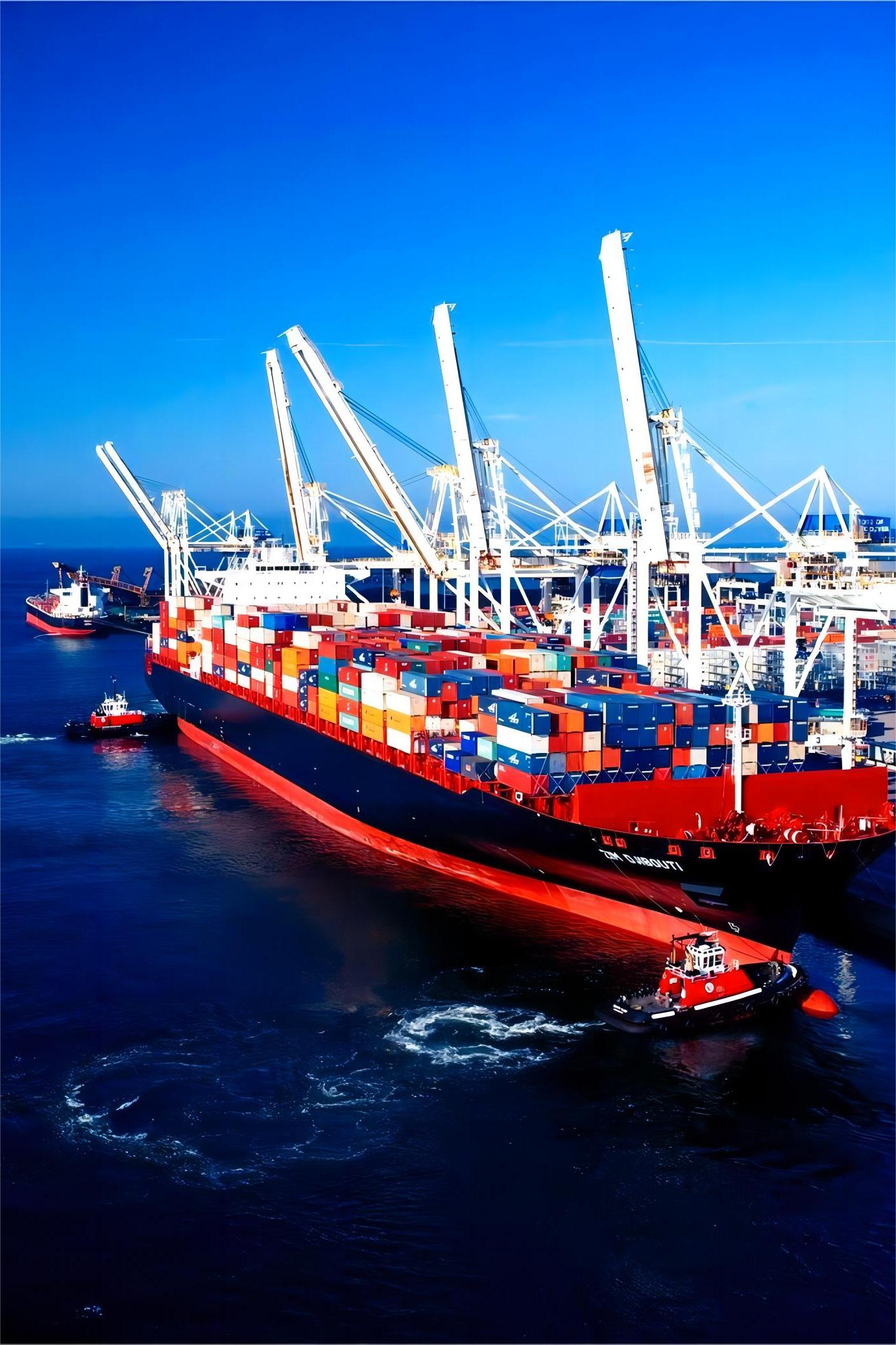
Current market data suggests that the average ocean freight rate for a 40 foot high cube container from China to Australia ranges between 1,400 and 2,000 USD. However, these figures represent the base ocean freight and do not include local charges, fuel surcharges, or peak season adjustments. Shippers often encounter varying price points depending on whether they are shipping from northern ports like Tianjin or southern hubs like Shenzhen.
Market intelligence indicates that rates have stabilized in early 2026 following the global supply chain adjustments of previous years. Nevertheless, seasonal demand during the months leading up to the end-of-year holidays can still cause prices to spike by 15 to 25 percent. Understanding these cycles allows importers to book shipments during off-peak windows to secure better pricing.
Choosing sea freight remains the most cost-effective method for transporting large volumes of goods across the Pacific. While air freight offers speed, the sheer volume capacity of a 40HC container provides an unmatched economy of scale for bulk commodities and retail inventory.
| Route (China to Australia) | 20GP Container | 40GP Container | 40HC Container |
|---|---|---|---|
| Shanghai to Sydney | 850 – 1,100 USD | 1,250 – 1,600 USD | 1,450 – 1,850 USD |
| Shenzhen to Melbourne | 800 – 1,050 USD | 1,200 – 1,550 USD | 1,400 – 1,800 USD |
| Ningbo to Brisbane | 900 – 1,200 USD | 1,300 – 1,700 USD | 1,500 – 1,950 USD |
| Qingdao to Fremantle | 950 – 1,250 USD | 1,400 – 1,800 USD | 1,600 – 2,050 USD |
How Does Sea Freight Compare to Other Shipping Options?
Evaluating the 40hc shipping cost china australia involves comparing sea freight against faster but more expensive alternatives like air freight and express services. For instance, while a 40HC container might cost 1,800 USD for 68 cubic meters of space, air freight for the same volume would be financially prohibitive for most standard commercial goods. Indeed, air freight is typically reserved for high-value electronics or urgent medical supplies.
Furthermore, rail freight is not a viable option for this specific route due to the geographical separation by the Pacific Ocean. Consequently, importers must decide between Full Container Load (FCL), Less than Container Load (LCL), or air-based solutions based on their specific timeline and budget constraints. Each method offers a different balance of speed and expenditure.
Direct shipping routes usually cost 10 to 15 percent more than transshipment options via Singapore or Port Klang. However, direct routes save approximately 5 to 7 days in transit time, which can be critical for maintaining inventory levels during peak sales periods. Shippers must weigh the cost savings of transshipment against the potential risk of delays at intermediate ports.
| Shipping Method | Cost Range | Transit Time | Best For |
|---|---|---|---|
| Sea Freight (40HC) | 1,400 – 2,000 USD | 12 – 18 Days | Large inventory, bulk |
| Air Freight (Per KG) | 3.50 – 6.00 USD | 3 – 7 Days | High-value, urgent |
| LCL (Per CBM) | 50 – 90 USD | 15 – 22 Days | Small shipments |
| Express Service | 6.00 – 9.00 USD | 2 – 4 Days | Samples, documents |
Which Factors Impact the Total Landed Cost?
Origin and Destination Charges
Local charges at both the point of loading and the point of discharge significantly influence the final 40hc shipping cost china australia. These fees include Terminal Handling Charges (THC), documentation fees, and port security surcharges. Additionally, trucking costs from the factory to the port in China and from the Australian port to the final warehouse must be factored into the total budget.
Utilizing a door to door service can simplify this process by consolidating all local and international fees into a single quote. This approach reduces the administrative burden on the importer and provides better visibility into the total landed cost before the cargo even leaves the factory floor.
Customs Duties and Taxes
Importing goods into Australia requires strict adherence to the Australian Border Force regulations and the payment of relevant duties and Goods and Services Tax (GST). Most goods attract a 10 percent GST, while customs duties vary based on the specific Harmonized System (HS) code of the product. Moreover, certain items may require specific permits or quarantine inspections by the Department of Agriculture, Fisheries and Forestry.
Engaging a professional customs brokerage is essential for navigating these requirements without incurring expensive storage fees or penalties. Expert brokers ensure that all documentation is accurate and that the correct tariff concessions are applied to minimize the financial impact on your business.
Case Studies: Real-World Shipping Scenarios
Case Study 1: Furniture Import to Melbourne. Route: Ningbo, China to Melbourne, Australia. Cargo: Home furniture, 65 CBM. Container: 40HC. Carrier: COSCO. Ocean Freight: 1,650 USD. Origin Charges: 320 USD. Destination Charges: 450 USD. Customs and Duties: 2,100 USD. Total Landed Cost: 4,520 USD. Timeline: 16 days sea transit, 22 days door-to-door. Key Insight: Booking 4 weeks in advance secured a rate 15 percent below the monthly average.
Case Study 2: E-commerce Inventory for Amazon. Route: Shenzhen, China to Sydney, Australia. Cargo: Small appliances, 60 CBM. Container: 40HC. Service: Amazon FBA specialized logistics. Ocean Freight: 1,780 USD. Total Landed Cost: 5,100 USD (including specialized palletizing). Timeline: 14 days sea transit, 19 days to FCL delivery. Key Insight: Using a specialized FBA forwarder prevented delays during the final mile delivery to the Amazon fulfillment center.
These examples illustrate how the base 40hc shipping cost china australia is only one component of the total investment. Factors such as cargo type, seasonal demand, and specialized handling requirements play a major role in determining the final price paid by the importer.
How to Choose the Right Shipping Strategy?
Determining the best logistics path depends heavily on your specific business priorities, whether you value speed, cost, or reliability above all else. If budget is your primary concern, opting for sea freight with a 40HC container offers the lowest cost per unit. Conversely, if you are facing a stock-out situation, the higher cost of air freight may be justified to maintain customer satisfaction and market share.
Volume thresholds also dictate the most economical choice. For shipments exceeding 15 cubic meters, moving from LCL to a full 20GP container is often cheaper. Similarly, when your volume exceeds 30 cubic meters, upgrading to a 40HC container provides significant savings compared to shipping multiple smaller containers. This strategy is particularly effective for businesses growing their presence in Australia and looking to optimize their supply chain.
Hybrid solutions can also offer a middle ground for certain importers. For example, shipping the majority of an order via sea freight while sending a small portion via air ensures that you have immediate stock available while the bulk of the inventory arrives later at a lower cost. This balanced approach helps manage cash flow while meeting urgent market demands.
Cost-Saving Strategies for Australian Importers
Implementing a few strategic changes can lead to substantial reductions in your 40hc shipping cost china australia over the long term. First, consolidate shipments from multiple suppliers into a single 40HC container to avoid paying multiple LCL fees. Second, optimize your packaging to ensure you are utilizing every cubic inch of the high cube container, as empty space is essentially wasted money.
Negotiating Incoterms is another powerful tool for cost control. While many suppliers prefer CIF (Cost, Insurance, and Freight), choosing FOB (Free On Board) gives the importer more control over the choice of carrier and the final freight price. Additionally, maintaining a flexible delivery schedule allows you to take advantage of ‘spot rates’ which are often lower than long-term contract rates during periods of low demand.
Finally, always request a comprehensive quote that includes all potential surcharges. Hidden fees such as Low Sulfur Surcharges (LSS) or Peak Season Surcharges (PSS) can quickly inflate a seemingly low base rate. By working with a transparent logistics partner, you can avoid unexpected expenses and plan your retail pricing with greater accuracy.
Final Thoughts on 40HC Shipping Costs
Managing the 40hc shipping cost china australia is a dynamic challenge that requires constant attention to market trends and regulatory changes. By understanding the various factors that influence freight rates, from port charges to seasonal fluctuations, you can make informed decisions that protect your bottom line. Whether you are a small business or a large enterprise, the right logistics strategy is key to success in the Australian market.
To summarize, while the base ocean freight for a 40HC container in 2026 remains affordable, the total landed cost involves several layers of complexity. Partnering with a reliable freight forwarder and utilizing specialized services like customs brokerage will ensure your goods arrive on time and within budget. Stay proactive, plan ahead, and continue to refine your shipping processes for maximum efficiency.

Ready to streamline your logistics?
Are you looking to optimize your supply chain and secure the most competitive 40hc shipping cost china australia for your next shipment? Contact our expert logistics team today to receive a customized quote tailored to your specific business needs. Visit Top China Cargo to start your inquiry and experience seamless international shipping. Send Inquiry: https://topchinacargo.com/contact-us/
Frequently Asked Questions
What is the capacity of a 40HC container?
A 40 foot high cube container typically holds about 76 cubic meters of cargo, though the practical usable space is usually around 68 cubic meters. This extra height allows for taller items compared to standard containers.
How long does sea freight take from China to Australia?
The sea transit time generally ranges from 12 to 18 days depending on the specific ports. Total door-to-door delivery usually takes between 20 and 30 days once customs clearance and local trucking are included.
Are there extra costs for 40HC compared to 40GP?
Usually, the ocean freight for a 40HC is slightly higher than a 40GP, often by 100 to 200 USD. However, the increased volume capacity often makes the 40HC more cost-effective on a per-unit basis.
Do I need insurance for my shipment to Australia?
Yes, marine cargo insurance is highly recommended to protect against damage, loss, or theft during transit. The cost is typically a small percentage of the total cargo value and provides significant peace of mind.
What documents are required for Australian customs?
Essential documents include the Commercial Invoice, Packing List, Bill of Lading, and any specific permits. For certain goods, a Packing Declaration regarding wood packaging materials is also mandatory for biosecurity reasons.
Can I ship a partial 40HC container?
While you can ship a partially full container (FCL), it may be more expensive than LCL if the volume is low. Generally, if you have more than 15-20 CBM, FCL becomes the more economical choice regardless of empty space.
How often do freight rates change?
Freight rates in the China-Australia corridor typically update every two weeks or monthly. During peak seasons or periods of high fuel volatility, rates can change more frequently, sometimes on a weekly basis.