


China to Australia Freight Forwarder Quote: 2026 Shipping Guide
Securing a competitive china to australia freight forwarder quote is the first step toward building a resilient supply chain in 2026. Many businesses face challenges with fluctuating fuel surcharges and port congestion that impact overall landed costs. Consequently, this guide provides the clarity you need to navigate the complexities of international logistics and optimize your shipping budget effectively.
What Influences Your China to Australia Freight Forwarder Quote?
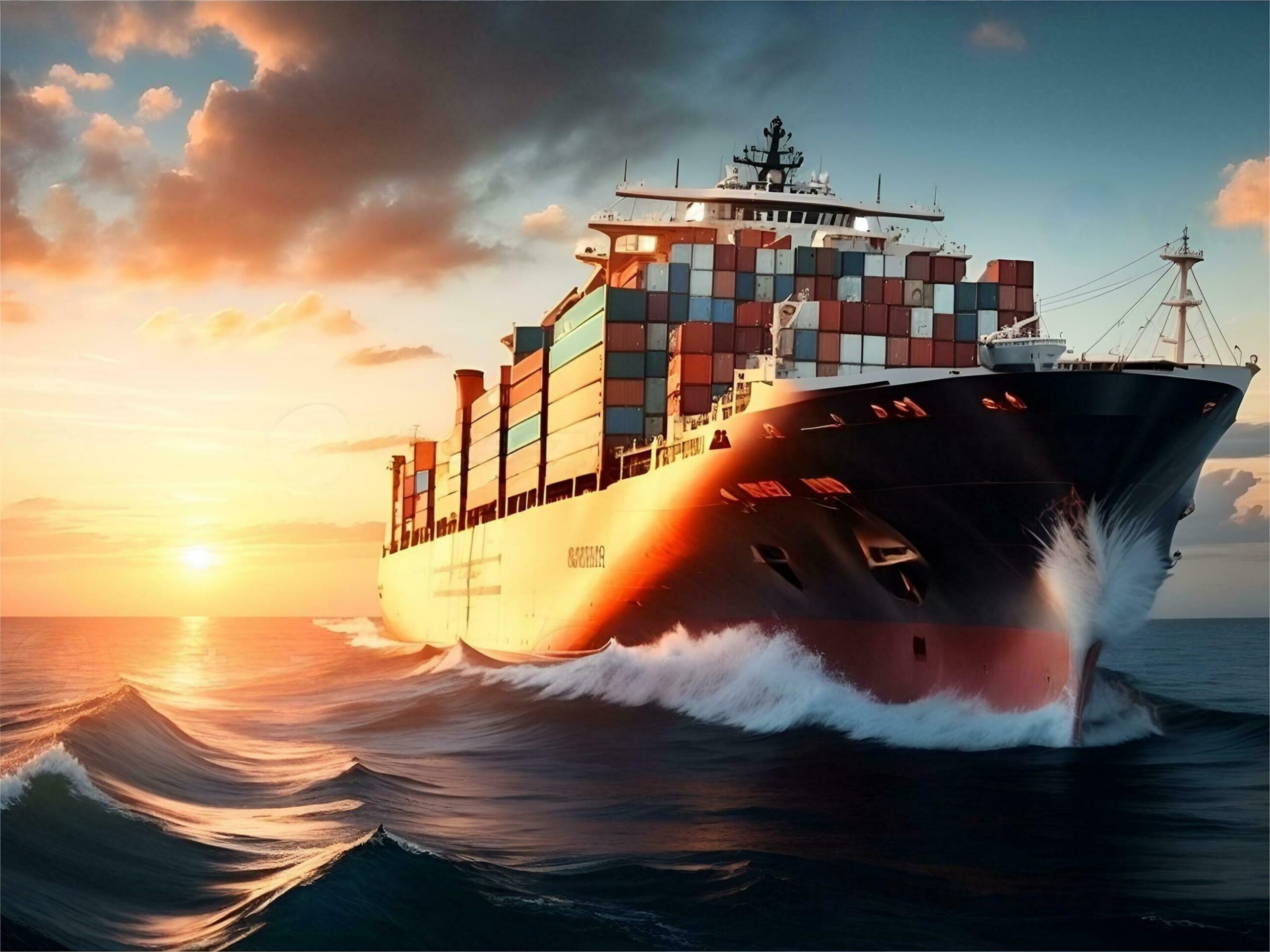
Several variables determine the final price you see on a logistics estimate. Specifically, the weight and volume of your cargo play the most significant roles in calculating freight charges. Moreover, the current price of low-sulfur marine fuel in 2026 directly impacts the bunker adjustment factor applied by most major carriers.
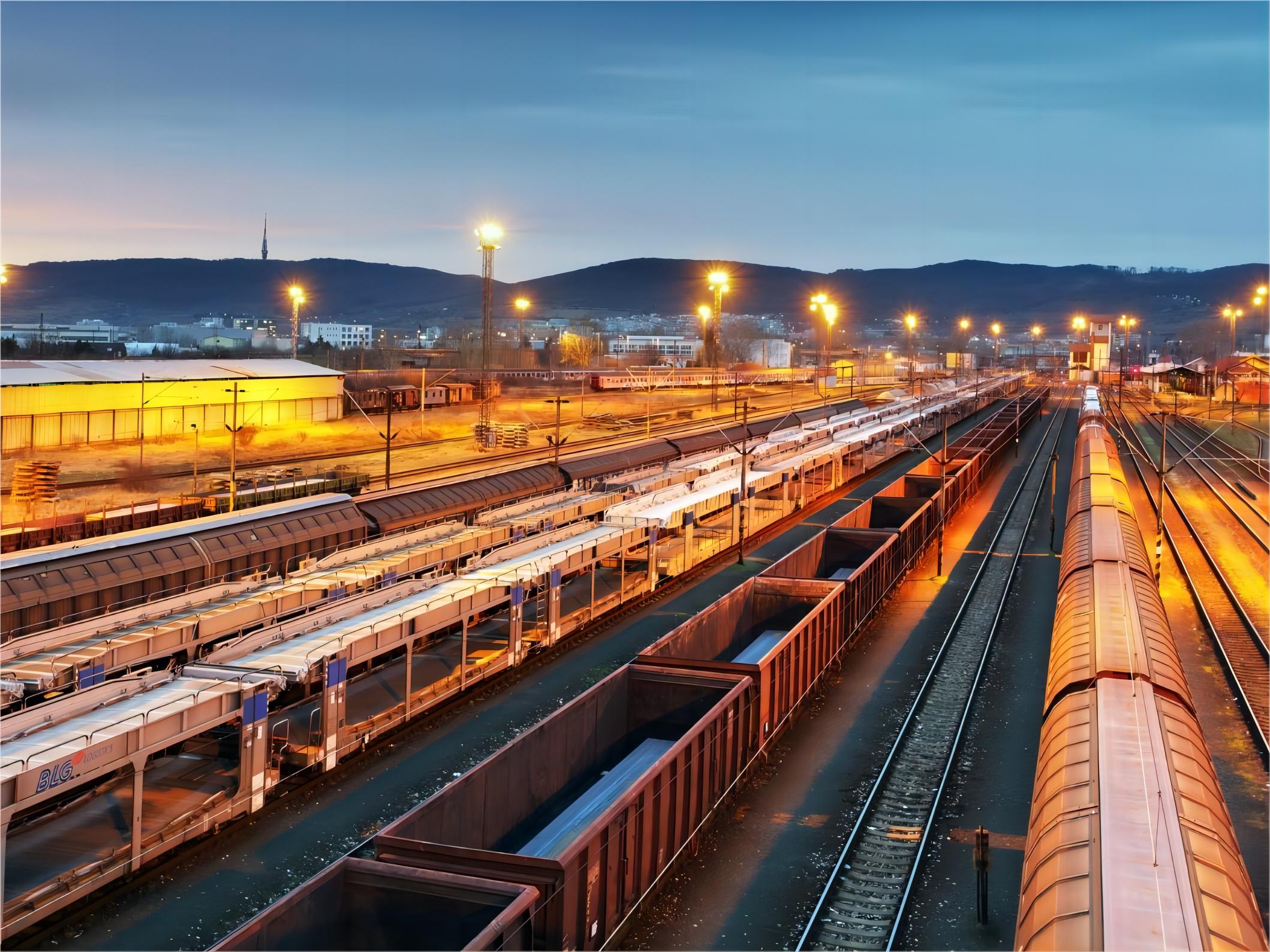
Seasonal demand also creates significant price volatility throughout the year. For example, rates typically spike during the months leading up to the Chinese New Year and the Australian Christmas shopping season. Therefore, booking your shipments at least three to four weeks in advance can help you secure more favorable pricing.
Port infrastructure fees and local handling charges in cities like Sydney, Melbourne, and Brisbane add another layer to your costs. Additionally, the specific Incoterms you choose, such as FOB or CIF, define which party pays for which segment of the journey. Understanding these terms ensures you do not encounter unexpected invoices upon the arrival of your goods.
How Does Sea Freight Compare to Other Shipping Options?
Evaluating different transport modes is essential for finding the most cost-effective solution for your business. While sea freight remains the most popular choice for bulk commodities, other methods offer advantages in speed or flexibility. Consequently, importers must weigh the trade-offs between transit time and total expenditure.
Direct shipping routes from major Chinese hubs like Shanghai or Shenzhen offer the fastest sea transit to Australia. However, transshipment options through Singapore or Port Klang can sometimes offer lower rates if your schedule allows for an extra week of travel. Indeed, choosing the right route depends entirely on your inventory requirements and budget constraints.
| Shipping Method | Cost Range | Transit Time | Best For |
|---|---|---|---|
| Sea Freight (FCL) | $1,200 – $2,200 per 20GP | 12 – 18 Days | Large bulk orders |
| Sea Freight (LCL) | $60 – $110 per CBM | 18 – 25 Days | Small palletized goods |
| Air Freight | $4.50 – $8.00 per kg | 3 – 7 Days | High-value electronics |
| Express Service | $7.00 – $12.00 per kg | 2 – 4 Days | Samples and documents |
Maximizing Efficiency with Air Freight and Express Services
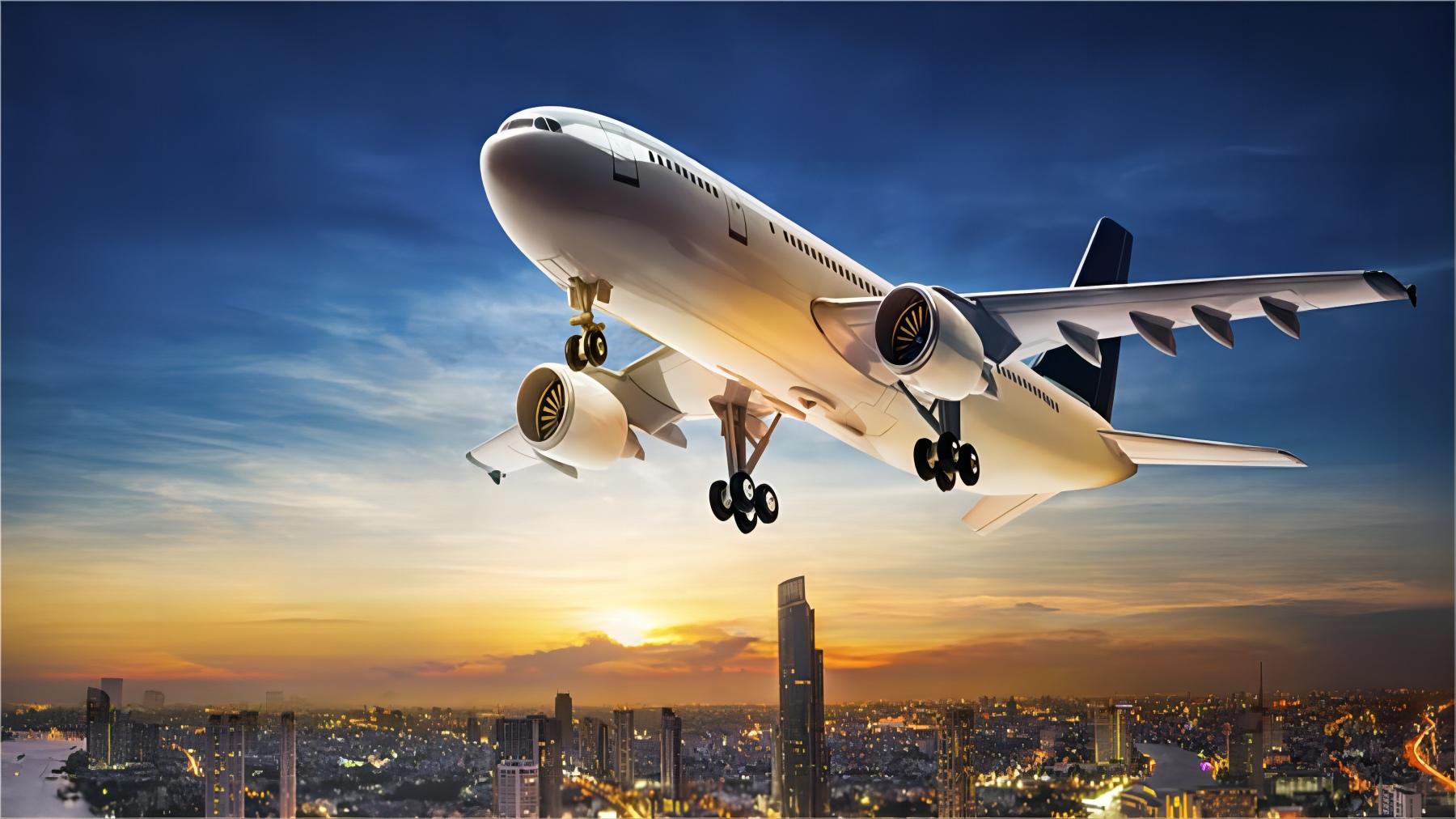
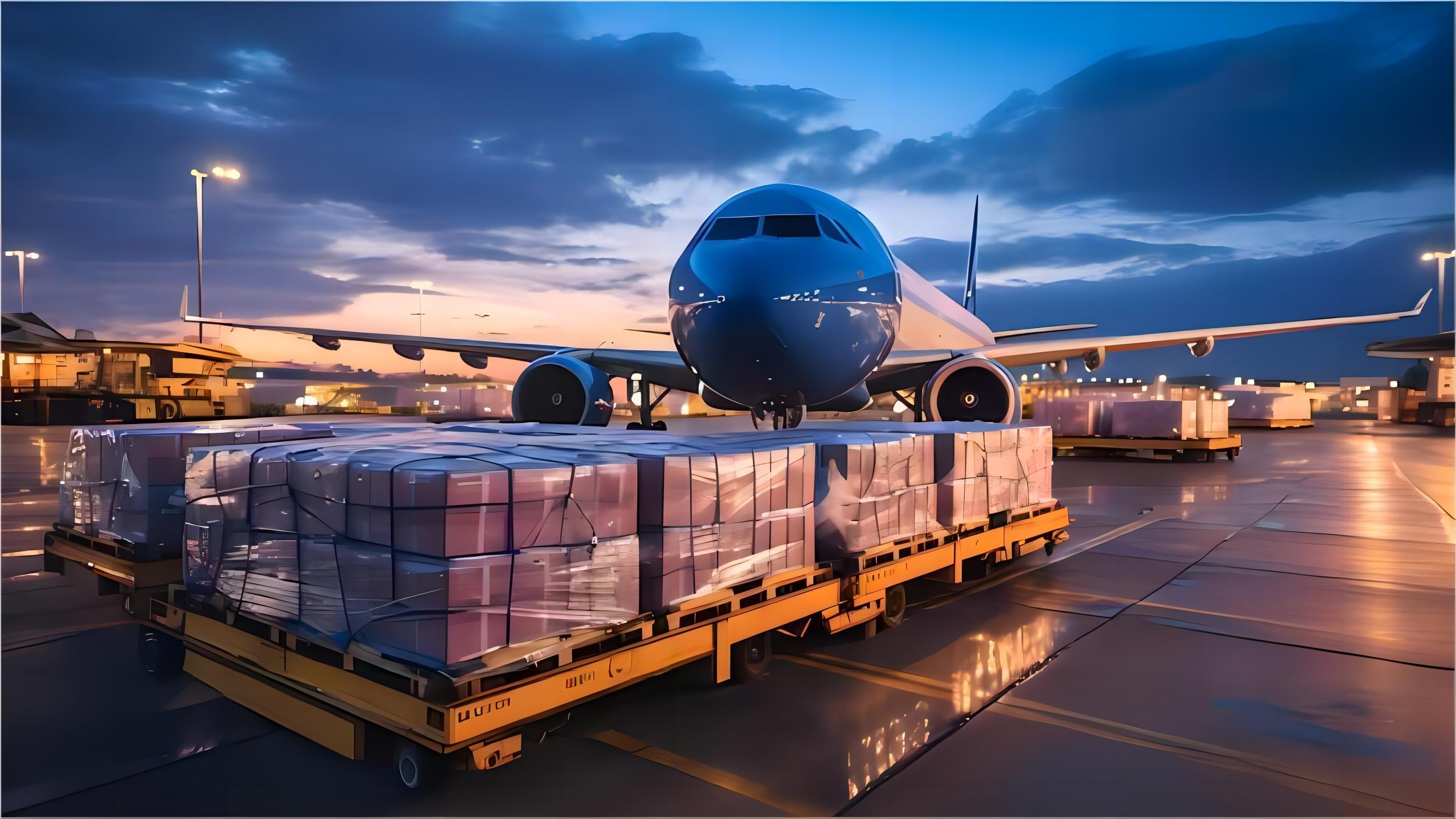
When time is the most critical factor, air freight provides the reliability needed for urgent inventory replenishment. In 2026, many tech companies and fashion retailers prefer this method to maintain lean supply chains and respond quickly to market trends. Furthermore, air transport significantly reduces the risk of damage or theft compared to longer sea voyages.
For even smaller shipments or urgent spare parts, utilizing an express service ensures door-to-door delivery with minimal administrative hassle. These services include customs clearance in their pricing, making them a convenient choice for e-commerce sellers. Nevertheless, the high cost per kilogram means you should reserve this option for lightweight or extremely time-sensitive items.
Logistics providers often suggest hybrid solutions to balance cost and speed. For instance, you might ship the bulk of your order via sea while sending a small portion via air to meet immediate demand. This strategy allows you to maintain stock levels without overspending on transportation for your entire inventory.
Navigating Customs Brokerage and Australian Import Duties
Successful importation requires strict adherence to the regulations set by the Australian Border Force. Engaging a professional customs brokerage service helps you avoid costly delays and potential fines. Specifically, these experts ensure that your cargo is correctly classified under the Harmonized System codes to determine the appropriate duty rates.
Australia has several free trade agreements that can significantly reduce or eliminate import duties on Chinese goods. However, you must provide a valid Certificate of Origin to claim these benefits during the clearance process. Additionally, certain items like agricultural products or chemicals require specific permits and may undergo mandatory quarantine inspections.
Documentation accuracy is the most common reason for shipment holds at the port of discharge. Therefore, you should double-check your commercial invoice, packing list, and bill of lading before the vessel departs China. Meanwhile, your freight forwarder should provide updates on any changes to Australian biosecurity laws that might affect your specific product category.
Real-World Case Studies for 2026 Shipments
Examining actual shipping scenarios provides a realistic expectation of costs and timelines in the current market. These examples reflect typical transactions between major Chinese industrial zones and Australian metropolitan centers. Notably, these figures include the fluctuations seen in early 2026 market rates.
Case Study 1: Furniture Import via FCL
Route: Foshan, China to Melbourne, Australia. Cargo: Home furniture, 1 x 40HQ container. Shipping Method: Sea Freight FCL via Maersk. Port of Loading: Nansha. Port of Discharge: Melbourne. Route Type: Direct.
Cost Breakdown: Ocean Freight: $1,950. Origin Charges: $450. Destination Charges: $720. Customs and Duties: $1,100. Total Landed Cost: $4,220. Timeline: Booking to Loading: 5 days. Sea Transit: 16 days. Customs Clearance: 2 days. Total Door-to-Door: 23 days.
Key Insight: Using a 40HQ container provided the best value per cubic meter for these bulky items. The importer saved 15% by booking during a mid-quarter lull in demand.
Case Study 2: Electronics via Air Freight
Route: Shenzhen, China to Sydney, Australia. Cargo: Consumer electronics, 450 kg. Shipping Method: Air Freight. Carrier: Cathay Pacific. Route Type: Transshipment via Hong Kong.
Cost Breakdown: Air Freight: $2,475. Origin Charges: $150. Destination Charges: $280. Customs and Duties: $950. Total Landed Cost: $3,855. Timeline: Booking to Loading: 2 days. Air Transit: 3 days. Customs Clearance: 1 day. Total Door-to-Door: 6 days.
Key Insight: High-value electronics benefited from the enhanced security and speed of air transport. The transit time allowed the retailer to meet a specific product launch deadline.
Decision Framework: Which Option Should You Choose?
Choosing the right shipping method requires a clear understanding of your business priorities. If your primary goal is cost reduction and you have a flexible schedule, sea freight is the logical choice. On the other hand, if you are dealing with perishable goods or urgent contracts, the premium cost of air freight is a necessary investment.
Consider the volume of your shipment when deciding between FCL and LCL options. For shipments exceeding 15 cubic meters, a full 20GP container often costs less than paying for individual cubic meters in a shared container. Consequently, consolidating your orders can lead to significant long-term savings in your shipping from China to Australia strategy.
Evaluate the total landed cost rather than just the freight rate. For instance, air freight might seem expensive, but it reduces the need for large warehouse inventories and lowers insurance premiums. Therefore, a holistic view of your supply chain costs will lead to a more informed and profitable decision.
| Priority | Recommended Method | Threshold | Key Benefit |
|---|---|---|---|
| Lowest Cost | Sea Freight LCL | Under 15 CBM | Pay only for space used |
| Maximum Speed | Express Service | Under 100 kg | Fastest door-to-door |
| Bulk Efficiency | Sea Freight FCL | Over 15 CBM | Lower per-unit cost |
| Balance | Air Freight | 100kg – 500kg | Reliable schedules |
Strategic Cost-Saving Approaches for 2026
Implementing smart logistics strategies can significantly lower your annual shipping expenditure. Specifically, cargo consolidation allows you to group multiple small orders from different suppliers into a single shipment. As a result, you reduce the number of individual customs entries and local delivery fees.
Negotiating long-term contracts with a reliable freight forwarder can also provide price stability in a volatile market. While spot rates might occasionally be lower, a fixed contract protects you from sudden price surges during peak seasons. Additionally, optimizing your packaging to reduce dead space ensures you are not paying to ship air.
Always request a comprehensive quote that includes all potential surcharges to avoid budget overruns. Many forwarders provide a base rate that excludes terminal handling or documentation fees. To summarize, transparency in your initial quote is the best defense against unexpected logistics expenses.
Final Thoughts on Australian Freight Logistics
Securing an accurate china to australia freight forwarder quote requires a deep understanding of the current market landscape and your specific cargo needs. By weighing the benefits of sea and air transport, you can create a balanced logistics plan that supports your business growth. Furthermore, staying informed about customs regulations and seasonal trends will help you avoid unnecessary delays.
Effective logistics management is a continuous process of evaluation and optimization. As market conditions evolve throughout 2026, maintaining a strong relationship with a professional freight forwarder will remain your greatest asset. Ultimately, the right shipping partner ensures your goods arrive safely and cost-effectively, allowing you to focus on your core business operations.
Need a tailored shipping solution?
Ready to optimize your supply chain with a competitive China to Australia freight forwarder quote? Contact the experts at Top China Cargo today to receive a personalized shipping strategy tailored to your business needs. Visit our website to send an inquiry and secure the best rates for the 2026 season. Send Inquiry: https://topchinacargo.com/contact-us/
Frequently Asked Questions
How long does it take to get a freight quote?
Most professional forwarders provide a detailed quote within 24 to 48 hours. This timeline allows them to check current carrier capacity and local handling fees for your specific route.
What documents are needed for Australia customs?
You must provide a commercial invoice, a detailed packing list, and a bill of lading. Additionally, a Certificate of Origin is required to claim duty concessions under free trade agreements.
Is sea freight cheaper than air freight in 2026?
Yes, sea freight remains significantly more economical for large or heavy shipments. Air freight is typically reserved for high-value items or urgent deliveries due to its higher cost per kilogram.
Can I ship hazardous materials to Australia?
Shipping hazardous goods is possible but requires specialized handling and documentation. You must declare these items early to ensure the carrier and the Australian Border Force approve the shipment.
What is the difference between FCL and LCL?
FCL involves renting an entire container for your goods, while LCL involves sharing container space with other shippers. FCL is generally faster and safer for large volumes of cargo.
Are there hidden fees in freight quotes?
Reputable forwarders provide transparent quotes, but you should always check for terminal handling charges, port fees, and customs inspection costs that might not be in the base rate.
How does seasonal demand affect shipping rates?
Rates often increase by 15% to 25% during peak periods like the lead-up to Chinese New Year. Planning shipments during off-peak months can result in substantial cost savings.
Should I use a freight forwarder or ship directly?
A freight forwarder manages the entire logistics chain, including customs and local transport. This service saves you time and often reduces costs through their established carrier relationships.