


China New Zealand Freight Cost Calculator: 2026 Shipping Guide
Navigating the complexities of international logistics requires precise data and reliable tools to ensure profitability. Importers frequently utilize a china new zealand freight cost calculator to estimate their landed costs and manage supply chain budgets effectively. This comprehensive guide examines current 2026 market trends, shipping methods, and cost-saving strategies to help you optimize your cargo movements from China to the New Zealand market.
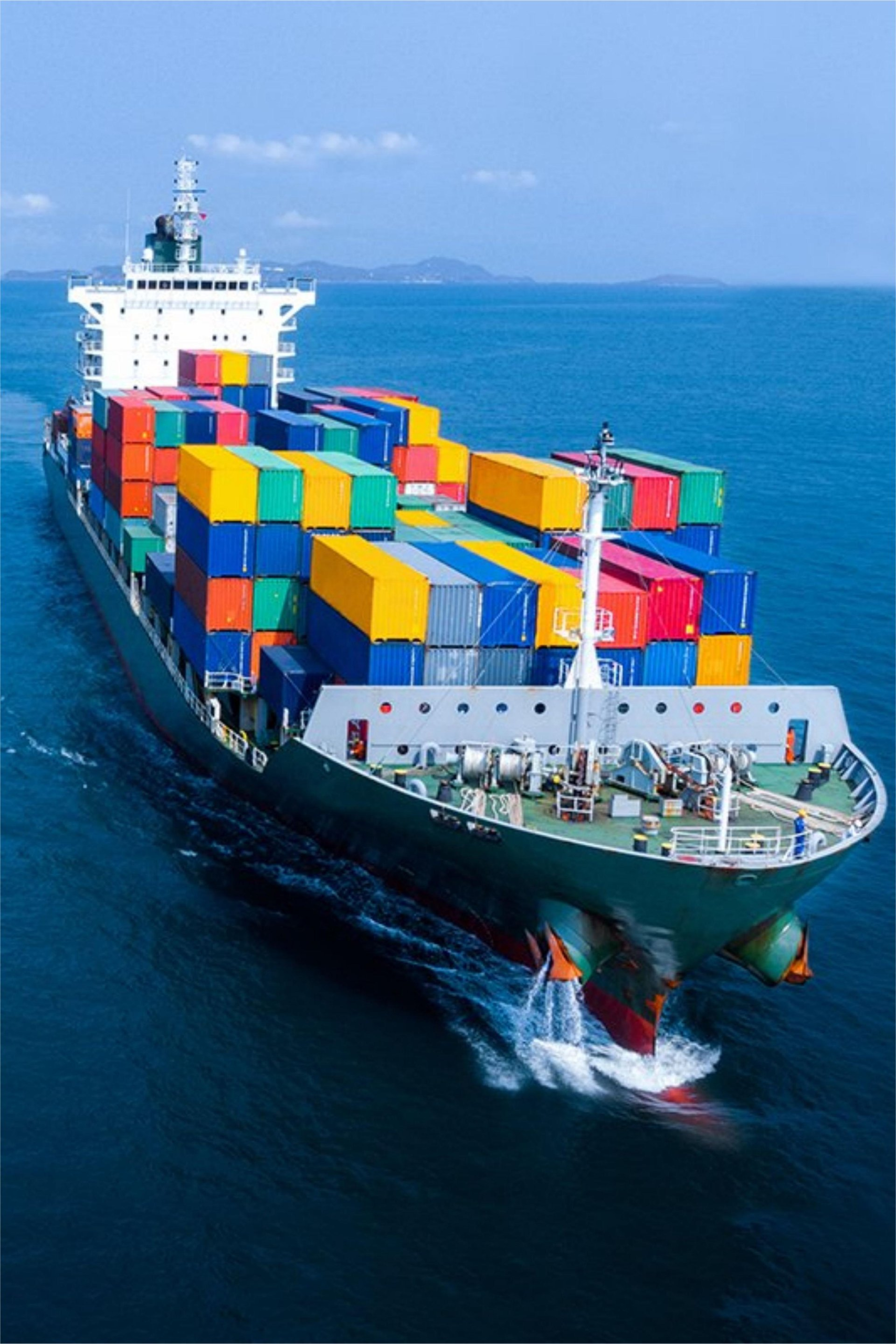
How Does a China New Zealand Freight Cost Calculator Work?
Digital tools for freight estimation analyze multiple data points to provide accurate quotes for modern importers. Specifically, these calculators integrate current fuel surcharges, port congestion data, and carrier capacity to generate real-time pricing for various routes. Consequently, users can compare different shipping modes without waiting days for manual quotes from traditional forwarders.
Moreover, the calculation process typically requires basic details such as the origin city in China and the final destination in New Zealand. Importers must input the dimensions, weight, and volume of their cargo to receive a precise estimate. Furthermore, advanced calculators now include estimated customs duties and GST requirements to give a more holistic view of total expenses.
Transitioning to digital estimation has revolutionized how small and medium enterprises manage their inventory. Instead of guessing seasonal fluctuations, businesses use these tools to identify the most cost-effective shipping windows throughout the year. Indeed, having access to transparent pricing data empowers shippers to negotiate better terms with their logistics partners.
Key Components of Shipping Estimates
Ocean freight rates consist of the base rate plus mandatory surcharges like the Bunker Adjustment Factor. Additionally, origin handling charges at major ports like Shanghai or Ningbo contribute significantly to the total. Therefore, you should always verify if the calculator includes these local fees to avoid unexpected invoices upon arrival.
Comparing Sea Freight vs Air Freight for New Zealand Routes
Choosing between different transport modes depends heavily on your budget and required delivery speed. While sea freight remains the most economical choice for bulk commodities, it requires longer lead times of approximately 16 to 25 days. In contrast, air freight offers rapid transit times of 3 to 7 days but comes at a significantly higher price point.
Market conditions in 2026 show a stabilization of ocean rates after the disruptions seen in previous years. Nevertheless, air transport remains the preferred method for high-value electronics and urgent medical supplies. Consequently, businesses must weigh the cost of inventory holding against the premium paid for faster delivery schedules.
Similarly, the environmental impact of each method is becoming a primary consideration for many Kiwi businesses. Sea transport offers a lower carbon footprint per ton-kilometer compared to aviation. Thus, companies aiming for sustainability goals often prioritize ocean routes unless the shipment is time-sensitive.
| Method | Average Cost | Transit Time | Ideal For |
|---|---|---|---|
| Sea Freight (FCL) | $1,200 – $1,900 | 18-25 Days | Bulk Goods |
| Sea Freight (LCL) | $80 – $150/CBM | 22-28 Days | Small Pallets |
| Air Freight | $4.50 – $7.50/kg | 4-7 Days | Urgent Cargo |
| Express Courier | $8.00 – $12.00/kg | 2-4 Days | Documents/Samples |
Understanding FCL and LCL Shipping Options
Importers often struggle to decide between Full Container Load and Less than Container Load services. FCL shipping provides a dedicated container for your goods, which reduces handling risks and speeds up the unloading process at New Zealand ports. Conversely, LCL allows you to share space with other shippers, making it a viable option for smaller volumes under 15 cubic meters.
Furthermore, LCL pricing is calculated per cubic meter, which can be highly cost-effective for startups. However, the consolidation and deconsolidation processes typically add 5 to 7 days to the total transit time. Therefore, if your production schedule is tight, opting for a 20-foot FCL container might be more efficient even if it is not completely full.
Specifically, for shipments to Auckland or Lyttelton, the price difference between a 20GP and 40HQ container has narrowed in early 2026. Consequently, many importers are maximizing their orders to utilize the larger 40HQ containers for better economies of scale. Indeed, planning your inventory around container capacity is a proven strategy to lower per-unit freight costs.
| Feature | FCL (Full Container) | LCL (Shared Space) | Winner |
|---|---|---|---|
| Security | High (Sealed) | Moderate (Handled) | FCL |
| Speed | Faster (Direct) | Slower (Consolidated) | FCL |
| Cost Efficiency | Better for >15CBM | Better for <15CBM | Variable |
| Customs Risk | Lower | Higher (Co-loader) | FCL |
How Does Sea Freight Compare to Other Shipping Options?
Analyzing all viable alternatives is essential for optimizing your logistics strategy for the China to New Zealand route. While sea freight is the dominant choice, some businesses explore hybrid solutions or express services for specific needs. Specifically, the lack of rail options for this island nation means that the primary competition exists between ocean carriers and air cargo providers.
Additionally, the rise of specialized courier services has changed the landscape for e-commerce sellers. These services offer door-to-door convenience that traditional sea freight often lacks unless managed by a comprehensive forwarder. Consequently, many small-scale importers prefer the simplicity of express shipping despite the higher per-kilogram rates.
Furthermore, seasonal peaks significantly impact the competitiveness of each method. During the pre-Christmas rush, sea freight rates often spike by 20 percent, making air freight relatively more attractive for late-season inventory. Therefore, monitoring a China New Zealand freight cost calculator throughout the year is vital for timely decision-making.
| Shipping Method | Cost Range | Transit Time | Limitations |
|---|---|---|---|
| Ocean Direct | $1,100 – $1,800 | 16-20 Days | Limited port calls |
| Transshipment | $900 – $1,400 | 25-35 Days | Higher delay risk |
| Air Economy | $3.80 – $5.50/kg | 8-12 Days | Strict weight caps |
| Air Priority | $6.50 – $9.00/kg | 2-4 Days | Highest cost |
Case Study 1: Furniture Import from Shenzhen to Auckland
Case Study Summary: A boutique furniture retailer imported 12 CBM of high-end sofas from Shenzhen to Auckland in February 2026. The retailer initially considered FCL but opted for LCL based on calculator results showing a 30 percent saving. Consequently, they managed to maintain their profit margins despite rising manufacturing costs in China.
Route Details: Shenzhen Port to Port of Auckland. Cargo: 12 CBM Furniture, 2,800 kg. Method: Sea Freight LCL. Carrier: OOCL. Total Landed Cost: $1,850 USD (Freight and Origin/Destination fees). Timeline: 22 days door-to-port. Key Insight: Choosing LCL for volumes between 10 and 15 CBM can be risky if port congestion is high, but in this case, the direct route from Shenzhen minimized delays.
Note: Freight rates are subject to change based on fuel costs, carrier capacity, and seasonal demand. Contact us for a current quote tailored to your specific shipment.
Case Study 2: Electronics Components from Shanghai to Christchurch
Case Study Summary: A tech manufacturer required urgent circuit boards to prevent a production line stoppage in March 2026. Specifically, they utilized the air freight option suggested by our logistics experts to ensure the cargo arrived within a week. As a result, the factory avoided a projected loss of $50,000 in downtime.
Route Details: Shanghai Pudong (PVG) to Christchurch (CHC). Cargo: 450 kg Electronics. Method: Air Freight. Carrier: Air New Zealand Cargo. Total Landed Cost: $3,100 USD. Timeline: 5 days total transit. Key Insight: While the freight cost was high, the cost-to-benefit ratio favored air transport due to the extreme urgency of the production schedule.
Note: Freight rates are subject to change based on fuel costs, carrier capacity, and seasonal demand. Contact us for a current quote tailored to your specific shipment.
Which Shipping Option Should You Choose?
Determining the best logistics path requires a clear understanding of your business priorities and cargo characteristics. If your primary goal is budget optimization, sea freight is nearly always the superior choice for shipments over 100 kilograms. Moreover, businesses with predictable demand can schedule ocean shipments months in advance to lock in lower contract rates.
On the other hand, if you are launching a new product or responding to a sudden market trend, speed becomes the priority. Air freight or express service allows you to test the market with smaller batches before committing to large-scale sea shipments. Consequently, many successful importers use a hybrid approach to balance cost and agility.
Specifically, consider these thresholds: for shipments under 0.5 CBM, use express. For 0.5 to 15 CBM, LCL is often best. For anything larger than 15 CBM, a 20-foot FCL container usually provides the best value. Furthermore, always consult with a customs broker to ensure your chosen method aligns with New Zealand’s strict biosecurity regulations.
Navigating New Zealand Customs and Import Duties
Importing goods into New Zealand involves more than just paying for transportation; you must also account for government taxes and biosecurity fees. Specifically, the Goods and Services Tax (GST) of 15 percent applies to the total landed value of most imports. Additionally, certain product categories may attract specific tariffs depending on their country of origin and classification.
Furthermore, New Zealand has very strict biosecurity laws to protect its unique ecosystem. Consequently, wooden packaging materials must be heat-treated or fumigated according to ISPM 15 standards. Failure to provide the correct documentation can lead to expensive delays or even the destruction of your cargo at the port of entry.
Indeed, hiring a professional for door to door shipping can simplify this process significantly. These providers handle the documentation, biosecurity declarations, and final delivery to your warehouse. Thus, you can focus on selling your products rather than navigating the complexities of the Customs Act.
Mastering Your China to New Zealand Logistics
In conclusion, managing international freight successfully requires a combination of the right tools and market intelligence. By utilizing a china new zealand freight cost calculator, you can anticipate expenses and choose the shipping method that best fits your timeline and budget. Whether you prioritize the speed of air cargo or the economy of sea freight, staying informed about 2026 trends is the key to a resilient supply chain.
Furthermore, remember that the lowest price is not always the best value if it leads to significant delays or damaged goods. Partnering with experienced logistics providers ensures that your cargo moves smoothly from China’s manufacturing hubs to New Zealand’s ports. Start planning your next shipment today to take advantage of the current market stability.

Need a tailored shipping solution?
Ready to streamline your logistics and secure the most competitive rates for 2026? Use our advanced china new zealand freight cost calculator today to receive an instant, transparent quote for your next shipment. Our team of experts is standing by to help you navigate customs and optimize your transit times. Send Inquiry to get started with a personalized shipping strategy.